In the dynamic world of health and wellness, a persistent debate often emerges: which is superior, strength training or cardiovascular exercise? Some zealously champion the muscle-building prowess of lifting weights, while others swear by the heart-pumping benefits of endurance work. This perceived rivalry, however, is a fundamental misunderstanding of how our bodies thrive. True, transformative fitness isn’t about choosing sides; it’s about intelligent integration.
For beginners taking their first steps on a fitness journey, and for intermediate enthusiasts looking to break plateaus and optimize their well-being, the answer lies in a holistic approach. Combining strength and cardio isn’t just about doing more; it’s about doing better. It’s about building a robust, resilient, and highly functional body capable of excelling not only in your workouts but in every facet of your life. This article will dismantle the myth of separation, revealing the profound, synergistic benefits of integrated training, guiding you through practical strategies to weave both into your routine, and empowering you to unlock your fullest physical and mental potential. Get ready to redefine your fitness journey and forge a healthier, stronger, and more energetic you.
Why a Dual Approach Dominates: The Unbeatable Benefits of Integrated Training
To understand the power of combining strength and cardio, we must first appreciate the distinct, yet interconnected, roles each plays in our overall health. When strategically woven together, they create a powerful tapestry of benefits that far exceed what either could achieve alone.
Enhanced Cardiovascular Health
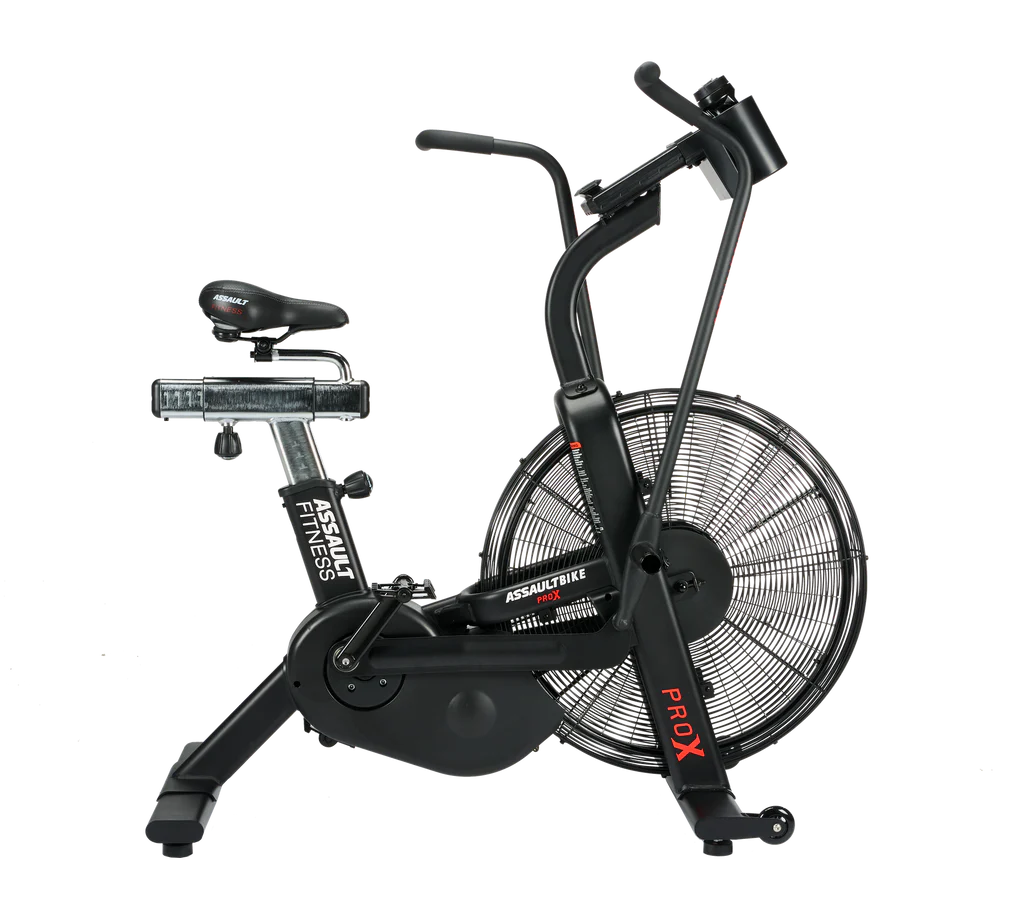
Cardiovascular exercise, often simply called "cardio," is fundamental for a healthy heart and efficient circulatory system. Activities like running, cycling, swimming, or brisk walking strengthen your heart muscle, improve its pumping efficiency, and enhance your body’s ability to transport oxygen to working muscles. This translates to:
- Increased Stamina: You’ll find daily tasks less exhausting, whether it’s climbing a flight of stairs, playing with children, or simply walking further without feeling winded. Imagine hiking your favorite trail with ease, enjoying the scenery rather than gasping for breath – that’s the direct benefit of improved cardiovascular fitness.
- Reduced Risk of Chronic Diseases: Regular cardio significantly lowers your risk of heart disease, stroke, type 2 diabetes, and certain cancers. It helps manage blood pressure, cholesterol levels, and blood sugar, acting as a powerful preventative medicine.
- Improved Energy Levels: By enhancing oxygen delivery and metabolic efficiency, cardio helps reduce fatigue and boosts your overall energy throughout the day, leaving you more vibrant and productive.
Superior Strength & Muscle Development
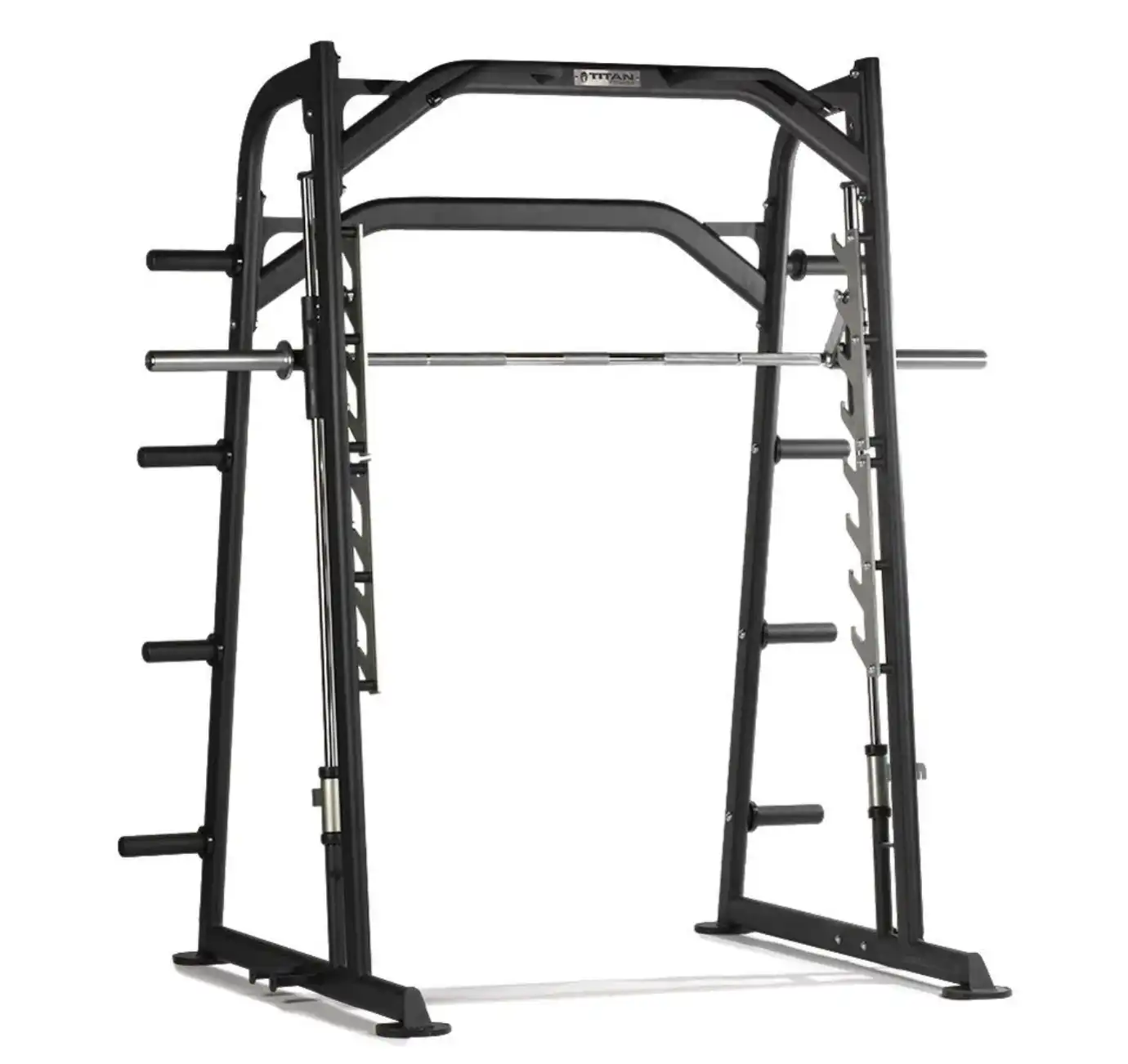
Strength training, whether through bodyweight exercises, resistance bands, free weights, or machines, is crucial for building and maintaining muscle mass, bone density, and functional strength. Its benefits extend far beyond aesthetics:
- Increased Metabolic Rate: Muscle tissue is more metabolically active than fat tissue. Building muscle means your body burns more calories at rest, aiding in weight management and body composition improvements.
- Stronger Bones and Joints: Resistance training puts healthy stress on your bones, stimulating them to become denser and stronger, reducing the risk of osteoporosis. It also strengthens the connective tissues around your joints, improving stability and reducing injury risk.
- Improved Functional Movement: Strength training prepares your body for real-world activities – lifting groceries, carrying luggage, pushing a lawnmower, or simply getting up from a chair with ease. It enhances balance, coordination, and overall mobility.
- Injury Prevention: By strengthening supporting muscles around joints, you create a protective shield, making your body more resilient against strains, sprains, and other common injuries, both in and out of the gym.
Optimized Body Composition
When strength and cardio work in concert, their impact on body composition (the ratio of fat to muscle) is unparalleled. Cardio burns calories during the activity, contributing to a calorie deficit needed for fat loss. Strength training, meanwhile, builds muscle, which not only burns more calories at rest but also gives your body a leaner, more toned appearance. This synergistic effect means you’re not just losing weight; you’re reshaping your body, replacing fat with metabolically active muscle, leading to more sustainable and visually rewarding results.
Boosted Mental Resilience & Well-being
Beyond the physical, integrated training profoundly impacts your mental and emotional health:
- Stress Reduction: Both forms of exercise are powerful stress relievers, releasing endorphins that have mood-boosting effects. The physical exertion provides an outlet for tension, helping to clear your mind.
- Improved Mood and Cognitive Function: Regular physical activity can alleviate symptoms of anxiety and depression, enhance focus, improve memory, and promote better sleep patterns.
- Increased Self-Efficacy and Confidence: Consistently pushing your physical limits, whether it’s lifting a heavier weight or completing a longer run, builds a sense of accomplishment and empowers you, fostering greater confidence in all areas of your life.
By embracing both strength and cardio, you’re not just training different body systems; you’re cultivating a holistic state of peak physical and mental well-being.
Crafting Your Integrated Regimen: Smart Strategies for Every Level
Integrating strength and cardio doesn’t mean doing everything at once or following a rigid, one-size-fits-all plan. It’s about smart planning, understanding your body, and gradually progressing. Here’s how to build an effective, sustainable program.
Understanding Your Starting Point: Assess & Progress
Before diving in, take an honest look at your current fitness level. This helps set realistic goals and prevents injury or burnout.
- For Beginners:
- Focus on Consistency and Form: Your primary goal is to establish a regular routine and learn proper exercise technique. Don’t worry about heavy weights or long distances initially.
- Start Small: Begin with manageable durations and intensities. A 20-minute walk or a few bodyweight exercises three times a week is a great start.
- Listen to Your Body: Differentiate between muscle fatigue and pain. Rest when needed.
- For Intermediates:
- Introduce Variety and Intensity: Once consistent, challenge yourself with different exercises, higher weights, or more intense cardio intervals.
- Consider Periodization: Vary your training focus over time to prevent plateaus and continuously adapt.
- Track Progress: Log your workouts to see improvements and stay motivated.
Actionable Tip: Self-Assessment
To gauge your current fitness:
- Cardio: How long can you walk briskly or jog comfortably without stopping? Can you climb two flights of stairs without significant breathlessness?
- Strength: Can you perform 10-15 bodyweight squats with good form? Can you hold a plank for 30 seconds? Can you do 5-10 push-ups (even on your knees)?
These simple tests provide a baseline to measure future progress.
Effective Integration Methods
There are several proven ways to combine strength and cardio, each with its own advantages. Choose the method that best fits your schedule, preferences, and goals.
1. Concurrent Training (Same Session)
This involves performing both strength and cardio within the same workout session.
- Pros: Time-efficient, can be convenient if you have limited gym visits.
- Cons: Potential for interference effect, where one type of training might slightly diminish performance in the other if not managed well.
- Tips:
- Strength First, Then Cardio: Generally, performing strength training before cardio is recommended if strength gains are your priority. Your muscles will be fresh for lifting, and you can still get an effective cardio workout afterward.
- Vary Intensity: If doing both in one session, consider keeping one component at a moderate intensity. For example, a challenging strength session followed by moderate-intensity steady-state cardio (LISS).
- Example: A 30-minute full-body weightlifting routine followed by 20-25 minutes of moderate cycling or elliptical.
2. Alternating Days (Separate Sessions)
This approach dedicates different days to strength and cardio workouts.
- Pros: Minimizes interference effect, allows for full recovery and maximum effort in each type of training. Offers flexibility.
- Cons: Requires more frequent gym visits or dedicated time slots.
- Tips:
- Space Them Out: Ideally, have at least 6-8 hours between a very intense strength session and a high-intensity cardio session, or simply dedicate separate days.
- Listen to Your Body: If you feel overly fatigued, opt for active recovery (light walk) instead of another intense session.
- Example: Monday, Wednesday, Friday for strength training; Tuesday, Thursday for cardio. Weekends for rest or active recovery.
3. Hybrid Workouts (Blended)
These workouts inherently combine elements of both strength and cardio into a single, dynamic session.
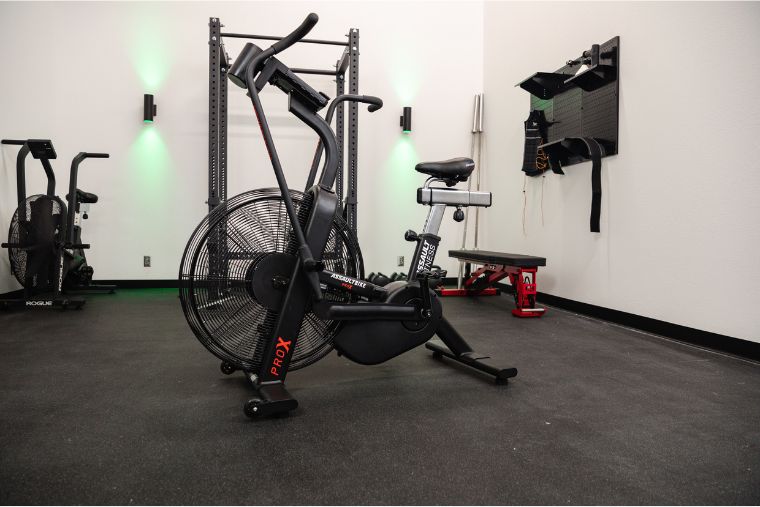
- Pros: Highly efficient, keeps workouts engaging, improves muscular endurance alongside cardiovascular fitness.
- Cons: Can be very demanding, might require a higher baseline fitness level.
- Tips:
- Circuit Training: Perform a series of strength exercises back-to-back with minimal rest between them. After completing a full circuit, rest briefly before starting again. This elevates your heart rate while building strength.
- Metabolic Conditioning (MetCon): Design workouts with a combination of strength and cardio movements performed at a high intensity for a set number of rounds or time. Think bodyweight circuits with jumping jacks, burpees, and mountain climbers interspersed with squats and push-ups.
- Example: A circuit consisting of 10 squats, 10 push-ups, 20 jumping jacks, 10 lunges (each leg), and 30 seconds of high knees, repeated 3-5 times with 60-90 seconds rest between circuits.
Sample Weekly Schedules
Here are practical examples for both beginners and intermediates to get started. Remember to warm up for 5-10 minutes before each workout and cool down/stretch for 5-10 minutes afterward.
Beginner Integrated Schedule (3-4 days/week):
- Monday: Full-Body Strength (3 sets of 8-12 reps for 5-6 exercises like squats, push-ups, lunges, rows, planks).
- Tuesday: Moderate Cardio (25-30 minutes brisk walking, light jogging, or cycling).
- Wednesday: Rest or Active Recovery (light stretching, gentle walk).
- Thursday: Full-Body Strength (similar to Monday, perhaps slightly different exercises or variations).
- Friday: Moderate Cardio (25-30 minutes).
- Saturday/Sunday: Rest or Active Recovery.
Intermediate Integrated Schedule (4-5 days/week):
- Monday: Upper Body Strength (e.g., chest, back, shoulders, arms).
- Tuesday: High-Intensity Interval Training (HIIT) – e.g., 20-30 minutes cycling/running with 30s sprints, 60s recovery.
- Wednesday: Lower Body Strength (e.g., squats, deadlifts, lunges, glute bridges).
- Thursday: Long, Steady-State Cardio (LISS) – e.g., 45-60 minutes moderate pace run, swim, or hike.
- Friday: Full-Body Hybrid or Power Strength (e.g., circuit training, or focusing on explosive movements).
- Saturday/Sunday: Rest or Active Recovery, possibly a fun activity like hiking or playing a sport.
Always adjust these templates to fit your personal schedule, energy levels, and specific goals. The key is consistency and progressive overload – gradually increasing the challenge over time.
Fueling Your Performance: Nutrition and Recovery Essentials
Your workouts are only one piece of the fitness puzzle. To truly thrive with an integrated training approach, you must pay meticulous attention to what you put into your body and how you allow it to repair and rebuild.
Smart Nutrition for Dual Demands
Fueling for both strength and cardio requires a balanced intake of macronutrients (protein, carbohydrates, fats) and micronutrients (vitamins, minerals).
- Protein for Repair and Growth: Essential for muscle repair and growth after strength training, and for overall bodily functions. Aim for lean protein sources like chicken, fish, eggs, tofu, lentils, and Greek yogurt. Distribute protein intake throughout the day.
- Carbohydrates for Energy: Your primary fuel source for both intense strength workouts and sustained cardio. Choose complex carbohydrates like whole grains (oats, brown rice, quinoa), fruits, and vegetables for sustained energy and fiber. Simple carbs (e.g., fruit, a small amount of juice) can be beneficial immediately before or after intense exercise for quick energy and recovery.
- Healthy Fats for Hormonal Balance and Overall Health: Crucial for hormone production, nutrient absorption, and long-term energy. Incorporate sources like avocados, nuts, seeds, olive oil, and fatty fish.
- Hydration is Non-Negotiable: Water plays a critical role in nutrient transport, temperature regulation, and joint lubrication. Drink water consistently throughout the day, increasing intake before, during, and after workouts. Carry a water bottle as a constant reminder.
Real-Life Example:
A balanced pre-workout snack could be a banana with a tablespoon of peanut butter (carbs for energy, fats for satiety). Post-workout, a smoothie with protein powder, berries, and spinach (protein for repair, carbs for replenishment, micronutrients) helps kickstart recovery.
The Power of Recovery
Recovery is where your body adapts, strengthens, and prepares for the next challenge. Neglecting it is a common pitfall that leads to plateaus, injuries, and burnout.
- Prioritize Sleep: Aim for 7-9 hours of quality sleep per night. This is when your body undergoes crucial repair processes, releases growth hormones, and consolidates learning (including motor skills). Establish a consistent sleep schedule and create a relaxing bedtime routine.
- Active Recovery: On rest days, engage in light activities like gentle walking, stretching, or foam rolling. This promotes blood flow, reduces muscle soreness, and aids in flushing out metabolic waste without adding significant stress.
- Mindful Stretching and Mobility: Incorporate dynamic stretches before workouts to prepare muscles and static stretches post-workout to improve flexibility and range of motion. Regular mobility work can prevent stiffness and enhance movement quality.
- Preventing Overtraining: Recognize the signs of overtraining: persistent fatigue, decreased performance, irritability, disturbed sleep, and increased susceptibility to illness. If these occur, scale back intensity, increase rest, and prioritize recovery. A deload week (reducing volume and intensity) every 4-6 weeks can also be beneficial for intermediates.
Remember, consistency in nutrition and recovery is just as vital as consistency in your workouts. They are the silent partners in your journey toward transformative fitness.
Overcoming Obstacles and Sustaining Momentum
Even with the best intentions, maintaining a consistent fitness routine can be challenging. Life happens, motivation wanes, and obstacles arise. Learning to navigate these challenges is key to long-term success.
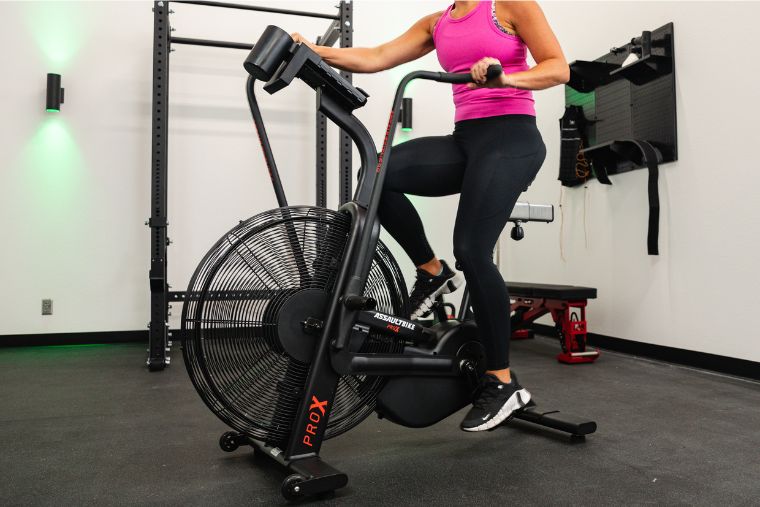
Time Management Hacks
"I don’t have enough time" is one of the most common reasons people fall off track. Here’s how to make time for integrated training:
- Short, Intense Workouts: You don’t always need an hour. A 20-30 minute high-intensity interval training (HIIT) session or a focused strength circuit can be incredibly effective. Quality often trumps quantity.
- Break Up Sessions: If a full workout isn’t feasible, split it. Do 15 minutes of strength in the morning and 15 minutes of cardio later in the day. These "workout snacks" add up.
- Schedule It Like an Appointment: Treat your workouts as non-negotiable appointments in your calendar. When it’s scheduled, you’re less likely to skip it.
- Workout at Home: Bodyweight exercises and minimal equipment (resistance bands, dumbbells) can provide a fantastic workout without requiring travel to a gym. This saves significant time.
- Combine Activities: If possible, integrate fitness into your daily life. Walk or cycle to work, take the stairs, or use your lunch break for a brisk walk.
Listening to Your Body
This is perhaps the most crucial skill to develop for sustainable fitness. Your body sends signals; learning to interpret them can prevent injury and optimize performance.
- Distinguish Soreness from Pain: Muscle soreness (DOMS – Delayed Onset Muscle Soreness) is normal, especially when starting a new routine. It feels like a dull ache. Sharp, persistent, or joint pain is a red flag and requires attention, rest, or professional advice.
- Embrace Rest Days: Rest days are not a sign of weakness; they are a vital component of growth and recovery. Your muscles grow and repair outside the gym, not during the workout.
- Modify When Needed: If you’re feeling particularly fatigued or stressed, it’s okay to scale back. Reduce the weight, shorten the cardio duration, or opt for a lighter active recovery session. Pushing through exhaustion often leads to diminished returns or injury.
- Track Your Energy Levels: Pay attention to how different workouts affect your energy. Some days you might feel great for a HIIT session, others a gentle yoga or walk might be more appropriate.
Staying Motivated and Engaged
Motivation ebbs and flows. Having strategies to reignite your spark is essential.
- Set Realistic and Measurable Goals: Instead of "get fit," aim for "run a 5k in 12 weeks" or "increase my push-ups to 15 reps." Celebrate small victories along the way.
- Track Your Progress: Keep a workout journal or use a fitness app. Seeing how far you’ve come – whether it’s lifting heavier, running longer, or simply being more consistent – is a powerful motivator.
- Find Your Tribe: Work out with a friend, join a class, or connect with an online community. Accountability and shared experiences can make the journey more enjoyable and sustainable.
- Introduce Variety: Doing the same routine endlessly can lead to boredom and plateaus. Periodically change your exercises, cardio modalities, intensity, or workout structure to keep things fresh and challenge your body in new ways. Try a new sport, explore different types of cardio machines, or experiment with bodyweight circuits.
- Reward Yourself (Non-Food): When you hit a milestone, treat yourself to new workout gear, a massage, or a fun experience that reinforces your positive habits.
- Focus on the "Why": Remind yourself of the deeper reasons you started – improved health, more energy for loved ones, greater confidence, longevity. Connect with that purpose when motivation wanes.
Transformative fitness is a journey, not a destination. There will be good days and challenging days. By equipping yourself with smart strategies for time, self-care, and motivation, you’ll not only overcome obstacles but build an incredibly resilient and fulfilling fitness lifestyle.
Conclusion: Your Journey to Unstoppable Vitality
The path to truly transformative fitness isn’t found in extremes or in choosing between two essential components. It lies in the intelligent, synergistic integration of strength and cardiovascular training. We’ve explored how this dual approach unlocks an unparalleled array of benefits, from a stronger heart and denser bones to a leaner physique, enhanced mental resilience, and an overall surge in vitality.
You now understand the "why" and have a clear roadmap for the "how." Whether you choose to blend your workouts into dynamic hybrid sessions, alternate them on different days, or tackle both in a single, focused effort, the power is in your hands. Remember that consistency, smart nutrition, and prioritizing recovery are the unsung heroes that elevate your efforts from mere exercise to profound self-improvement.
This isn’t just about looking better; it’s about living better. It’s about building a body that supports your ambitions, fuels your passions, and carries you through life with unwavering energy and confidence. The journey of integrated training is one of continuous growth, self-discovery, and empowerment. It will challenge you, push your limits, and ultimately reveal a stronger, more capable, and more vibrant version of yourself.
Don’t wait for the perfect moment or the ideal conditions. The time to invest in your holistic well-being is now. Take that first step, embrace the synergy of strength and cardio, and embark on your own holistic power play. Your fittest, most vital self is waiting.