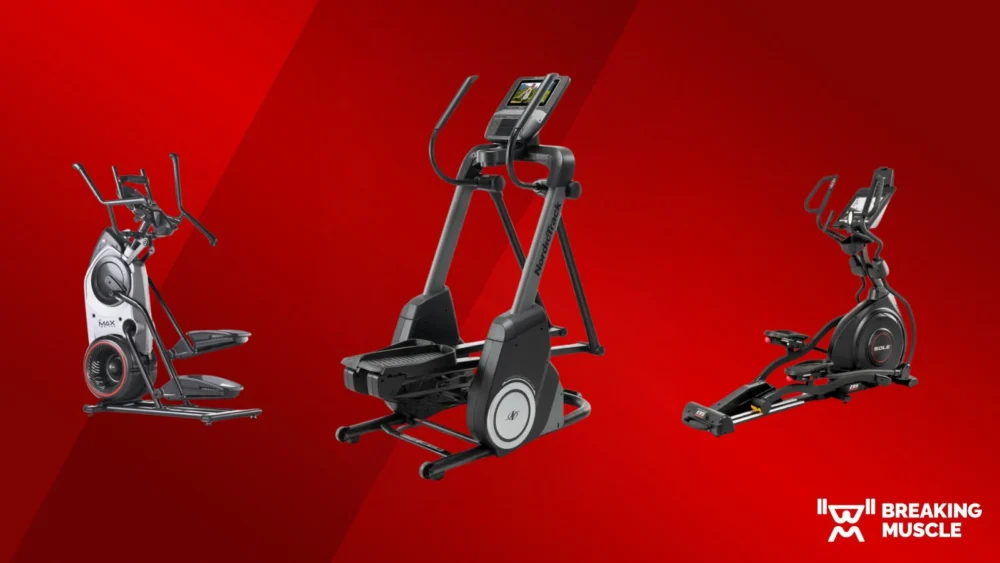
In the vast landscape of fitness equipment, few machines offer the harmonious blend of low-impact cardiovascular challenge and comprehensive full-body engagement quite like the elliptical trainer. Often seen as a gentler alternative to the treadmill, the elliptical provides a dynamic workout experience that safeguards your joints while pushing your heart and muscles to new limits. Whether you’re embarking on your fitness journey, seeking a sustainable way to elevate your cardio, or aiming to diversify your home workout routine, mastering the elliptical can be a game-changer.
This article is your definitive guide to harnessing the full power of elliptical training. We’ll delve into the remarkable benefits this versatile machine offers, walk you through the essentials of proper form and effective workout strategies, and equip you with the knowledge to make elliptical training a cornerstone of your fitness success. Prepare to discover how to glide your way to enhanced endurance, increased strength, and a healthier, more vibrant you.
The Unrivaled Benefits of Elliptical Training
The elliptical isn’t just another cardio machine; it’s a meticulously engineered tool designed to maximize your fitness gains while minimizing stress on your body. Its unique motion pattern offers a suite of advantages that cater to a wide range of fitness levels and goals.
Gentle on Joints, Powerful on Performance
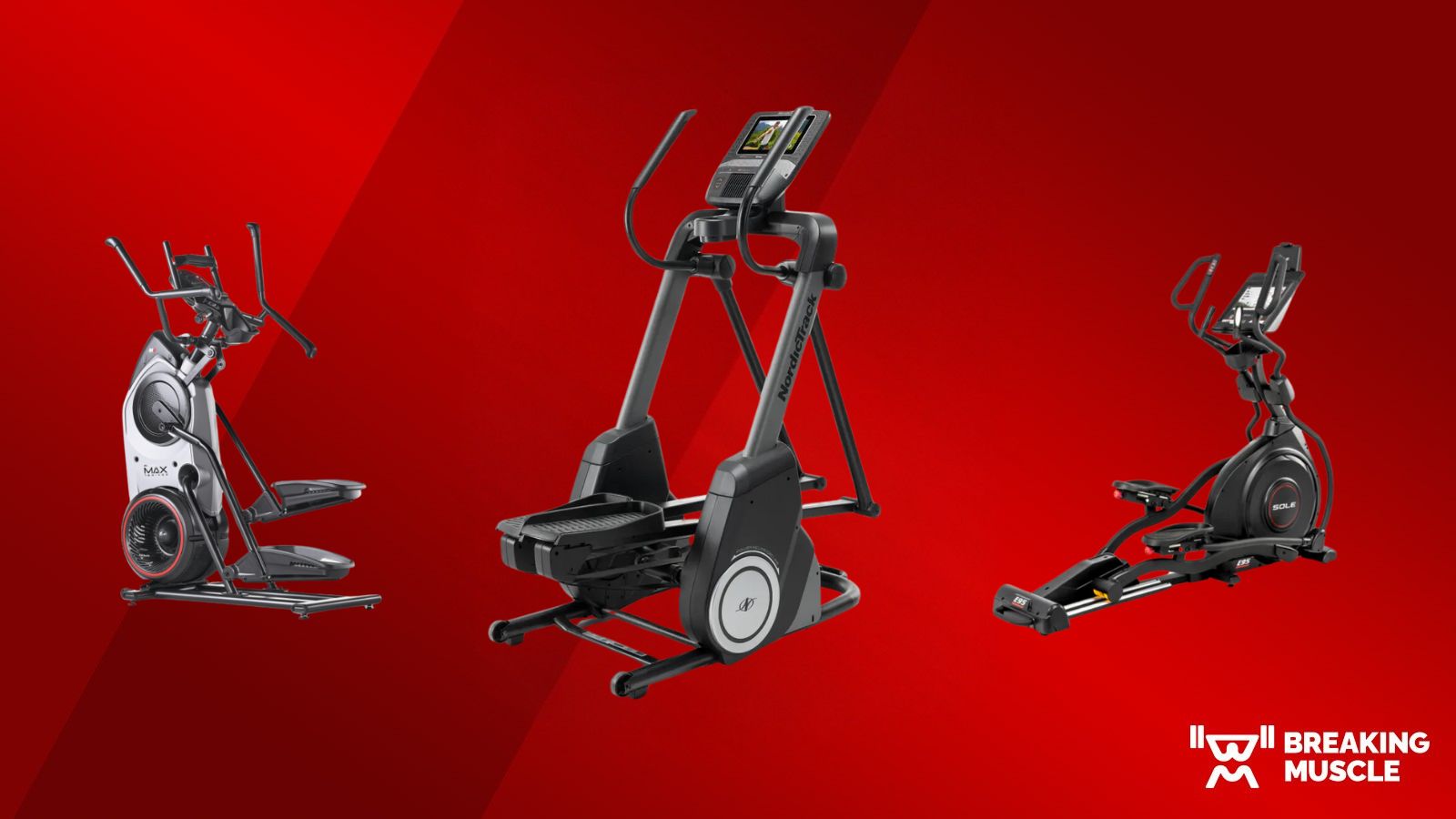
One of the most compelling reasons to embrace elliptical training is its inherently low-impact nature. Unlike running or even brisk walking, where your feet repeatedly strike a hard surface, elliptical pedals support your body weight throughout the entire stride. This continuous contact eliminates the jarring impact on your knees, hips, ankles, and spine, which often plagues high-impact activities.
- Reduced Stress: For individuals with joint pain, recovering from injuries, or those simply looking to protect their musculoskeletal system long-term, the elliptical offers a safe haven. It allows you to achieve an intense cardiovascular workout without the associated wear and tear.
- Rehabilitation Friendly: Many physical therapists recommend ellipticals for active recovery and rehabilitation programs, as they allow for controlled movement and gradual increases in resistance without putting undue strain on healing tissues.
- Sustainable Fitness: This joint-friendly aspect means you can maintain a consistent workout schedule for years to come, reducing the risk of overuse injuries that might derail your progress on other machines.
Full-Body Engagement: More Than Just Legs
While often categorized as a lower-body exercise, the elliptical truly shines in its capacity for full-body engagement. The synchronized movement of the pedals and handlebars activates a diverse array of muscle groups, transforming your cardio session into a comprehensive strength and endurance challenge.
- Lower Body Powerhouse: Your glutes, quadriceps, hamstrings, and calves work in unison to propel the pedals, building strength and endurance in your legs. By adjusting resistance and incline, you can shift the emphasis to target specific muscle groups more intensely. For instance, increasing the incline can simulate climbing, placing greater demand on your glutes and hamstrings.
- Upper Body Drive: The moving handlebars engage your biceps, triceps, chest, and back muscles as you push and pull. This synergistic action not only contributes to calorie expenditure but also helps tone and strengthen your upper body, providing a balanced workout.
- Core Stability: Maintaining proper posture and balance throughout your elliptical stride actively engages your core muscles. Your abdominals and obliques work to stabilize your torso, improving overall core strength and helping to prevent lower back strain. Imagine a subtle, continuous plank as you move – that’s your core at work!
Calorie Torcher and Endurance Builder
If your goals include weight management or improving cardiovascular fitness, the elliptical is an incredibly effective tool. Its ability to engage multiple muscle groups simultaneously means you burn more calories in less time compared to exercises that isolate only the lower body.
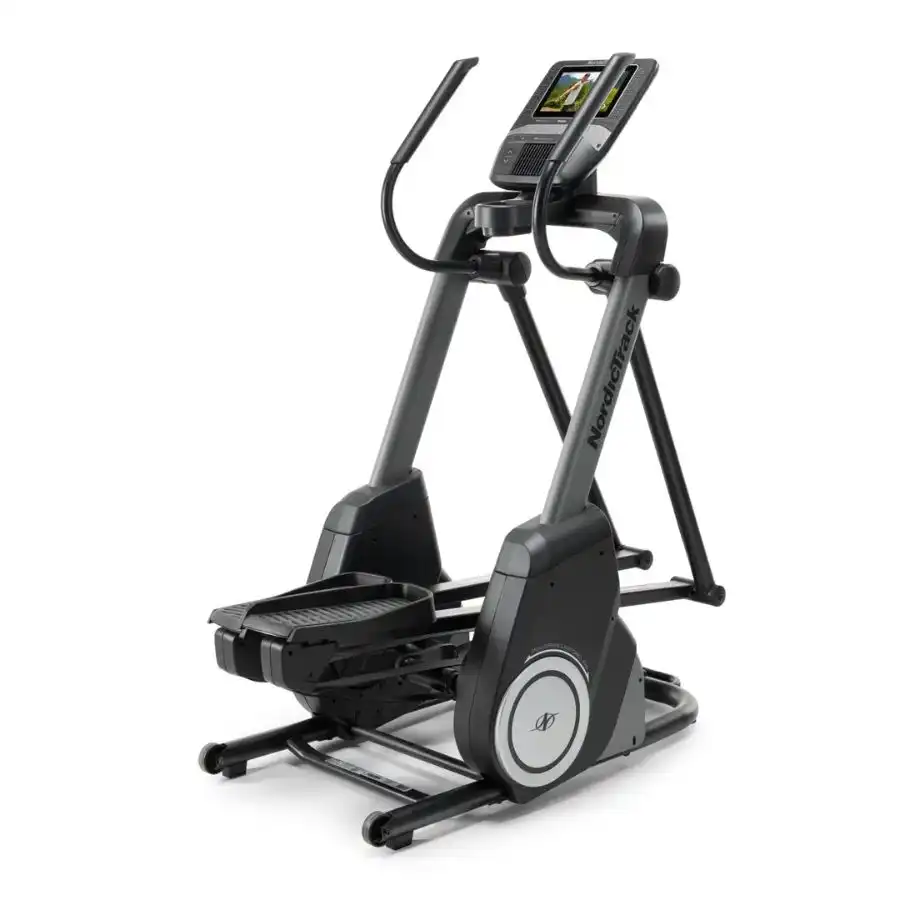
- Efficient Calorie Burn: A vigorous elliptical session can rival the calorie expenditure of running, making it an excellent choice for creating the calorie deficit needed for fat loss. The full-body nature ensures a higher metabolic demand throughout your workout.
- Cardiovascular Fortification: Regular elliptical training strengthens your heart and lungs, improving your body’s efficiency in delivering oxygen to working muscles. This translates to increased stamina, reduced fatigue in daily activities, and a lower risk of cardiovascular disease.
- Enhanced Stamina: As your cardiovascular system becomes more efficient, you’ll notice an improvement in your overall endurance, not just on the elliptical, but in all aspects of your life, from climbing stairs to playing with your kids.
Boost Your Balance and Coordination
The fluid, controlled motion of the elliptical also contributes to improved balance and coordination. As your body adapts to the synchronized movement of your arms and legs, your proprioception – your body’s sense of its position in space – is enhanced.
- Improved Stability: The need to maintain balance on the pedals, especially as you increase speed or resistance, trains your stabilizing muscles and improves your overall equilibrium. This can be particularly beneficial as we age, helping to prevent falls.
- Motor Skill Development: The coordinated pushing and pulling with your upper body and pedaling with your lower body refines your motor skills, fostering a more harmonious connection between your mind and muscles.
Getting Started: Your First Steps on the Elliptical
Stepping onto an elliptical for the first time can feel a little awkward, but with a few pointers on machine familiarization and proper form, you’ll be gliding confidently in no time.
Machine Familiarization and Safety First
Before you even start moving, take a moment to understand your elliptical.
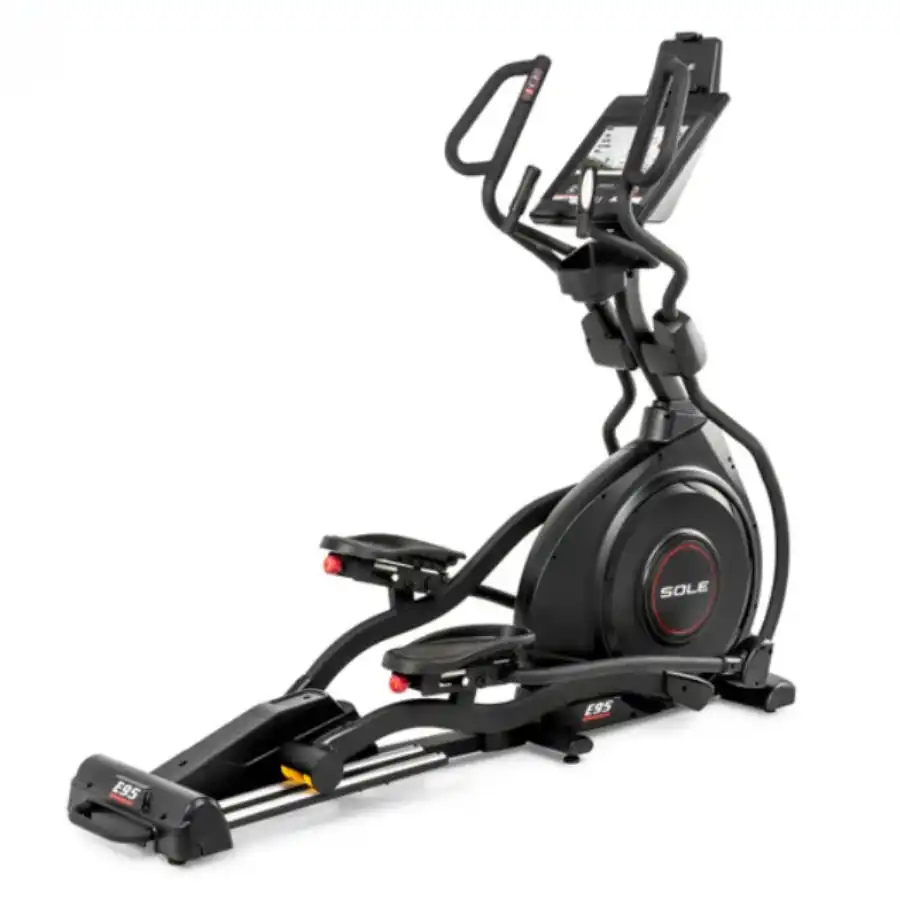
- Controls: Locate the start/stop buttons, resistance controls, and any incline adjustments. Many machines also have quick-start or pre-programmed workout options.
- Emergency Stop: Know where the emergency stop button is, or how to quickly dismount if needed.
- Stability: Ensure the machine is on a stable, level surface.
- Foot Placement: Place your feet firmly on the pedals, ensuring they are centered and you feel stable. Use the stationary handlebars for support as you get on.
Proper Form: The Foundation of an Effective Workout
Good form is paramount for both effectiveness and injury prevention. Focus on these key elements:
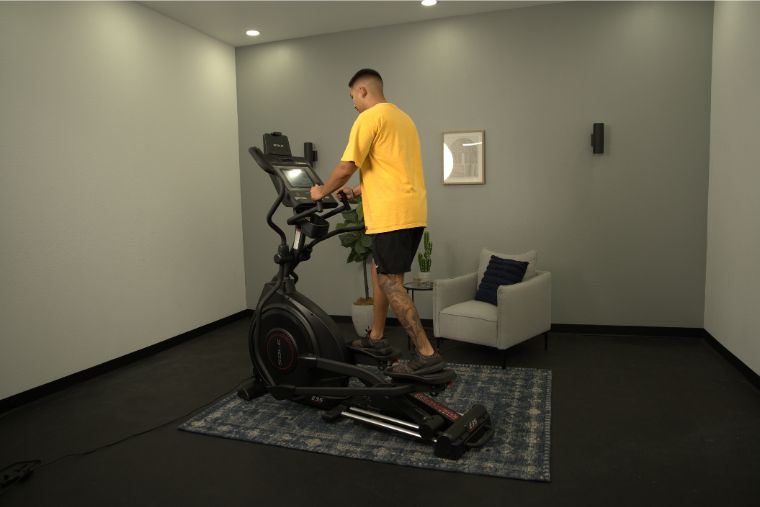
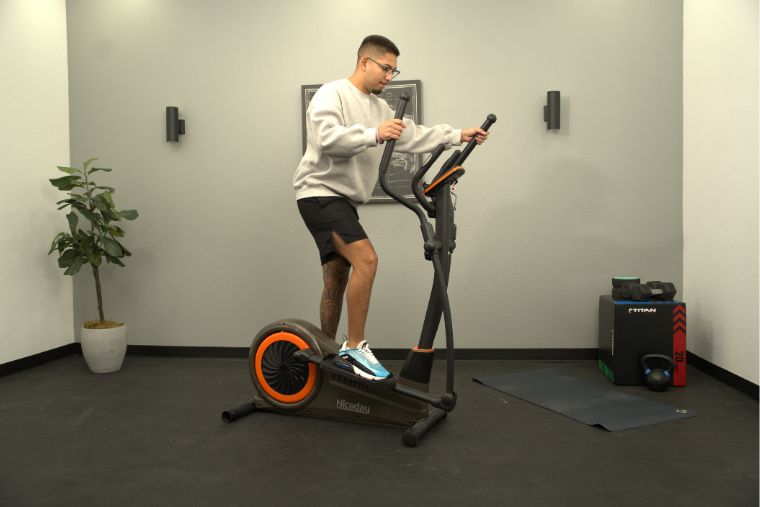
- Upright Posture: Stand tall with your chest open and shoulders relaxed, pulled slightly back and down. Avoid hunching over the console or leaning heavily on the handlebars. Imagine a string pulling you up from the crown of your head.
- Engage Your Core: Gently brace your abdominal muscles throughout the workout. This supports your spine and enhances the full-body aspect of the exercise. Think about drawing your belly button towards your spine without holding your breath.
- Natural Arm Movement: Allow your arms to move in a natural pushing and pulling motion with the handlebars. Don’t just hold on; actively engage your upper body. When you push, you’re working your chest and triceps; when you pull, you’re engaging your back and biceps.
- Even Foot Pressure: Distribute your weight evenly through your entire foot. Avoid pushing off your toes or digging your heels in excessively. The motion should feel smooth and circular.
- Gaze Forward: Look straight ahead, not down at your feet. This helps maintain proper neck alignment and balance.
Practical Tip: If you find yourself gripping the handlebars too tightly, it’s a sign you might be leaning too much or relying on your upper body to support your weight. Try to loosen your grip and allow your legs and core to do more of the work. Periodically try letting go of the handlebars for short bursts (if safe) to reinforce core engagement and balance.
Warm-up and Cool-down Essentials
Just like any other workout, preparing your body and gradually winding down are crucial steps you shouldn’t skip.
- Warm-up (5-10 minutes): Begin with a light, easy pace on the elliptical, gradually increasing your speed and resistance to prepare your muscles and elevate your heart rate. Follow this with some dynamic stretches like leg swings, arm circles, and torso twists off the machine.
- Cool-down (5-10 minutes): After your main workout, slowly decrease your speed and resistance to bring your heart rate down. Finish with static stretches, holding each stretch for 20-30 seconds, focusing on major muscle groups worked (quads, hamstrings, glutes, chest, back). This aids in flexibility and muscle recovery.
Dynamic Elliptical Workouts for Every Goal
The beauty of the elliptical lies in its versatility. You can tailor your workouts to match your fitness level, time constraints, and specific goals, from building foundational endurance to incinerating calories with high-intensity intervals.
Beginner’s Blueprint: Building a Solid Foundation
If you’re new to fitness or just starting with the elliptical, focus on consistency and establishing a comfortable rhythm.
- Steady-State Cardio: Aim for 20-30 minutes of continuous pedaling at a moderate intensity. You should be able to hold a conversation, but with some effort (the "talk test").
- Resistance: Start with a low resistance level that allows for smooth, controlled movement. Gradually increase it as your strength improves, ensuring you can complete the full workout duration.
- Frequency: Target 3-4 sessions per week on non-consecutive days to allow for recovery.
- Progression: As you get fitter, gradually increase your workout duration by 5 minutes each week, or slightly bump up the resistance.
Real-Life Example: "Sarah, a beginner, started with 20 minutes on the elliptical, maintaining a resistance level of 4. After two weeks, she felt comfortable increasing her time to 25 minutes, and by week four, she was completing 30 minutes at a resistance of 6, feeling stronger and more energized."
Elevate Your Intensity: Intermediate Strategies
Once you’ve built a solid base, it’s time to challenge your body further with varied intensity.
Interval Training: HIIT on the Elliptical
High-Intensity Interval Training (HIIT) involves alternating short bursts of intense exercise with brief recovery periods. It’s incredibly effective for improving cardiovascular fitness and burning calories in a shorter amount of time.
- Warm-up: 5 minutes easy pedaling.
- Workout Structure:
- Work Interval: 30-60 seconds of high-intensity pedaling (fast pace, higher resistance) where you’re breathing hard and can barely speak.
- Recovery Interval: 60-90 seconds of low-intensity pedaling (slow pace, lower resistance) to catch your breath.
- Repetitions: Repeat 8-12 cycles.
- Cool-down: 5 minutes easy pedaling.
- Frequency: Limit HIIT to 2-3 times per week on non-consecutive days, as it’s demanding on the body.
Resistance Progression: Sculpting and Strengthening
Increasing resistance makes your muscles work harder, leading to greater strength and endurance gains.
- Pyramid Training: Gradually increase resistance throughout your workout, then decrease it. For example, 5 minutes warm-up, then increase resistance every 2 minutes for 10 minutes, hold for 5 minutes, then decrease resistance every 2 minutes for 10 minutes, followed by a cool-down.
- Targeted Resistance: Experiment with higher resistance during your work intervals to build leg and glute strength, and lower resistance during recovery or for faster cadences.
Incline Variation: Target Different Muscle Groups
Many ellipticals offer an incline feature, which changes the angle of your stride, mimicking uphill climbing.
- Glute Activation: A higher incline places more emphasis on your glutes and hamstrings, giving them a more intense workout.
- Vary Your Routine: Incorporate incline changes into your steady-state workouts (e.g., 5 minutes flat, 5 minutes incline, repeat) or use it during the "work" phases of your interval training.
Reverse Pedaling: A Fresh Challenge
Don’t forget the power of pedaling backward! This simple modification offers unique benefits:
- New Muscle Engagement: Reverse pedaling activates your hamstrings and glutes differently than forward motion, helping to build balanced lower body strength.
- Proprioception Boost: It challenges your coordination and balance in a novel way.
- How to Incorporate: Try alternating 5-10 minutes of forward pedaling with 2-3 minutes of backward pedaling within your workout.
Optimizing Your Elliptical Experience at Home
Investing in a home elliptical is a fantastic step towards consistent fitness. To make the most of it, consider these practical aspects.
Choosing the Right Machine for Your Space and Needs
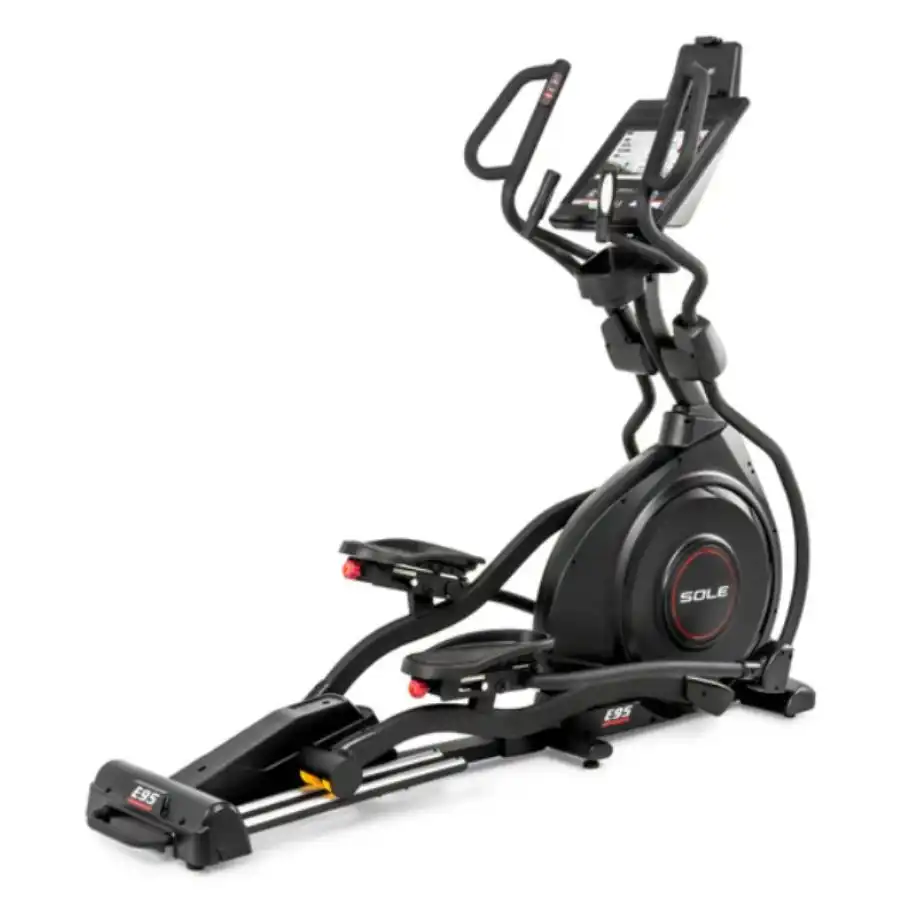
When selecting an elliptical for your home, focus on features that align with your body, space, and fitness aspirations.
- Flywheel Weight: A heavier flywheel (typically 18-25+ pounds) generally provides a smoother, more fluid, and quieter ride, making for a more comfortable experience. Lighter flywheels can feel choppier.
- Stride Length: This is crucial for comfort. Most adults find a stride length of 18-20 inches to be natural. If you’re very tall, you might prefer a longer stride; if shorter, a slightly shorter one might feel better. An inadequate stride length can feel like you’re taking unnaturally short steps.
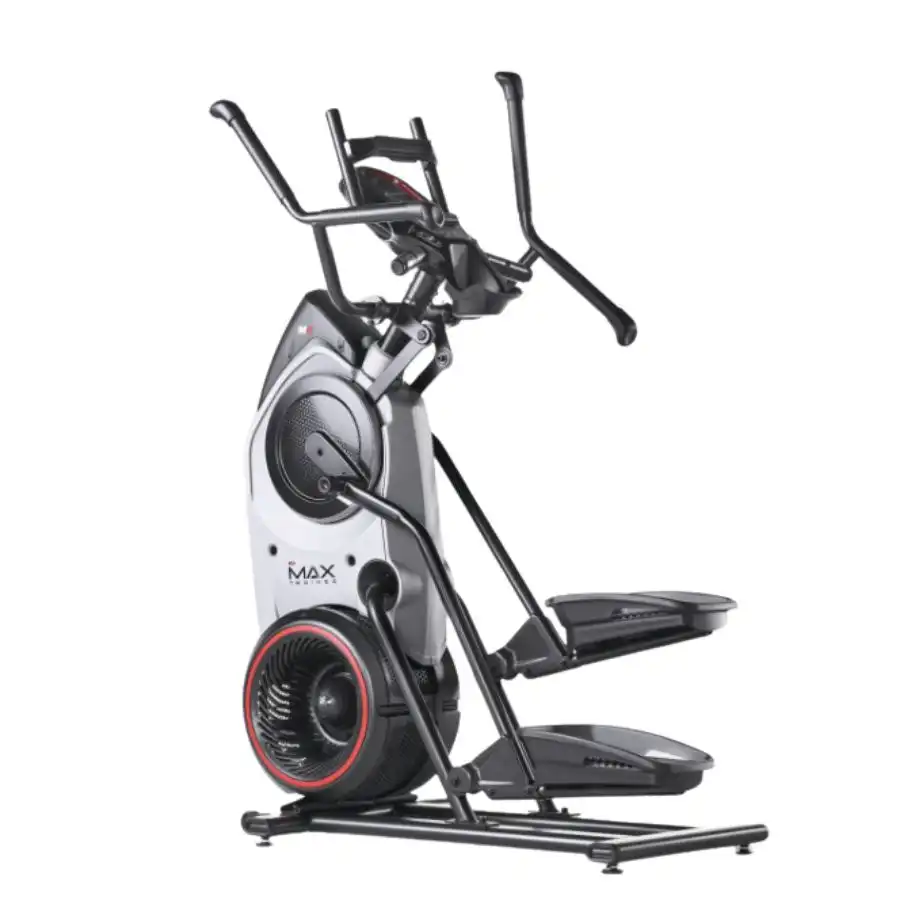
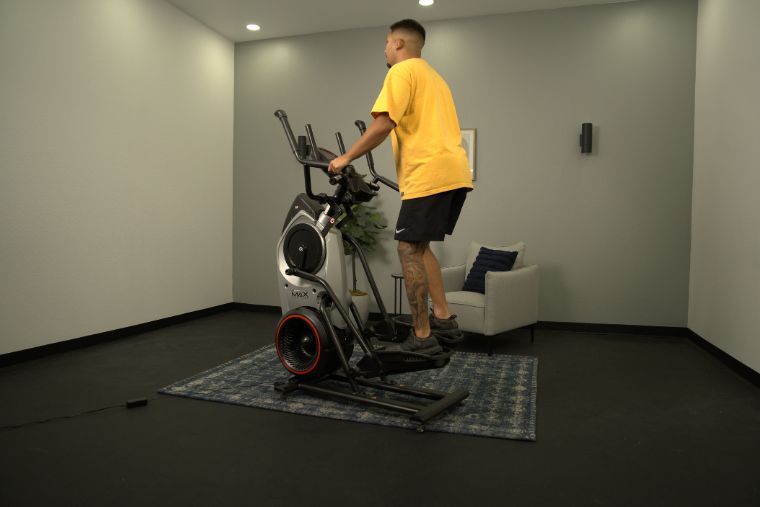
- Footprint and Size: Measure your available space carefully. Consider foldable models if space is limited. Pay attention to the machine’s height, especially if your ceiling is low.
- Resistance Levels: Look for a machine with a sufficient range of resistance levels (16-24+) to allow for progressive overload as your fitness improves.
- Incline Feature: If targeting different muscle groups and adding intensity is important, an adjustable incline is a valuable addition.
- Console and Technology: Decide if a basic display is enough or if you prefer advanced features like pre-programmed workouts, heart rate monitoring, or compatibility with fitness apps. Many machines offer tablet holders for entertainment during workouts.
- User Weight Capacity: Ensure the machine can safely support your body weight.
- Budget: Ellipticals vary widely in price. Determine your budget and look for the best combination of features, build quality, and warranty within that range. Remember, a more expensive machine often means better durability and a smoother user experience.
Actionable Advice: Before purchasing, if possible, try out different types of ellipticals at a local fitness store or gym. Pay attention to how natural the stride feels and how comfortable the handlebars are for your height.
Integrating Elliptical Training into Your Routine
Consistency is the cornerstone of all fitness success.
- Schedule It: Treat your elliptical workouts like any other important appointment. Block out specific times in your calendar.
- Cross-Training: While the elliptical offers a full-body workout, complement it with strength training (e.g., bodyweight exercises, free weights) 2-3 times a week to build comprehensive strength and muscle mass.
- Listen to Your Body: Pay attention to how you feel. If you’re experiencing pain, stop. Don’t push through discomfort. Rest and recovery are just as vital as the workouts themselves.
- Variety is Key: Prevent boredom and plateaus by varying your workouts. Switch between steady-state, HIIT, incline training, and reverse pedaling. Explore different pre-programmed workouts if your machine offers them.
Maintenance for Longevity
A well-maintained elliptical will serve you faithfully for years.
- Regular Cleaning: Wipe down the machine after each use to remove sweat, which can corrode components over time.
- Check for Loose Parts: Periodically inspect bolts, nuts, and moving parts. Tighten anything that feels loose.
- Lubrication: Consult your owner’s manual for recommended lubrication schedules for moving joints or tracks to ensure a smooth, quiet operation.
- Keep it Dust-Free: Dust and debris can interfere with electronic components and moving parts. Use a dry cloth or vacuum to keep the area around and under your machine clean.
Fueling Your Progress: Nutrition and Recovery
Your efforts on the elliptical are only part of the equation. To truly unlock your full fitness potential, you must support your body with proper nutrition and adequate recovery.
The Role of Hydration
Water is essential for every bodily function, especially during exercise.
- Pre-Workout: Ensure you’re well-hydrated before you even step on the elliptical.
- During Workout: Sip water throughout your session, particularly if it’s intense or prolonged.
- Post-Workout: Replenish fluids lost through sweat to aid in recovery. Aim for at least 8 glasses of water daily, more if you’re very active.
Smart Snacking and Meal Planning
What you eat fuels your workouts and repairs your muscles.
- Balanced Meals: Focus on a diet rich in whole foods: lean proteins, complex carbohydrates, healthy fats, and plenty of fruits and vegetables.
- Pre-Workout Fuel: A light snack 30-60 minutes before your workout, such as a banana or a small handful of nuts, can provide sustained energy.
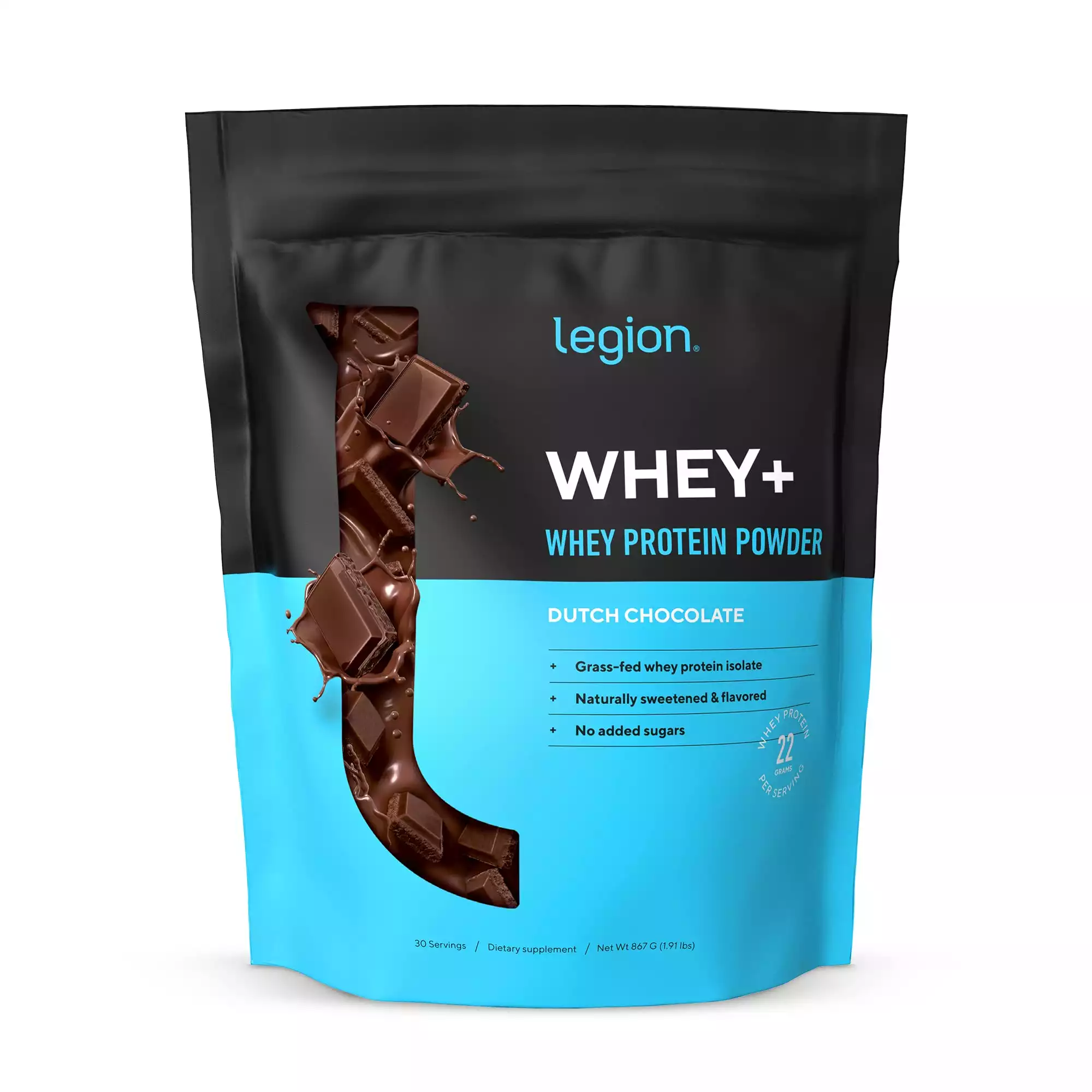
- Post-Workout Recovery: Within 30-60 minutes after your workout, consume a combination of protein and carbohydrates to aid in muscle repair and glycogen replenishment. A protein shake, Greek yogurt with berries, or chicken and rice are excellent choices.
Practical Tip: Keep a water bottle near your elliptical and healthy snacks readily available to make good habits easier to maintain.
Prioritizing Rest and Active Recovery
Your muscles grow and adapt during rest, not during the workout itself.
- Adequate Sleep: Aim for 7-9 hours of quality sleep per night. This is when your body undergoes crucial repair and recovery processes.
- Rest Days: Incorporate full rest days into your weekly schedule. Pushing your body too hard without sufficient recovery can lead to burnout, overtraining, and increased injury risk.
- Active Recovery: On rest days, consider light activities like a leisurely walk, gentle stretching, or foam rolling to promote blood flow and reduce muscle soreness without taxing your body excessively.
Conclusion
The elliptical trainer is more than just a piece of equipment; it’s an accessible gateway to a healthier, stronger, and more resilient you. Its unique blend of low-impact, full-body cardiovascular and muscular engagement makes it an ideal choice for beginners and intermediate enthusiasts alike, offering a safe yet profoundly effective path to achieving your fitness aspirations.
By understanding its benefits, embracing proper form, diversifying your workouts, and supporting your efforts with smart nutrition and recovery, you are not just exercising; you are investing in your long-term health and well-being. So, step onto your elliptical with purpose, commit to consistency, and embrace the smooth, powerful glide towards your fitness goals. Your journey to greatness starts now – one stride at a time.