
Winter coats are our unsung heroes. They shield us from biting winds, swirling snow, and the general chill of the colder months. We rely on them for everything from daily commutes and post-workout sprints to adventurous weekend explorations. Yet, how often do we truly consider their care? For many, a winter coat is a functional item that gets hung up and forgotten until the next frost. If you’re anything like me, the thought of washing your trusty outerwear might seem daunting, or perhaps even unnecessary, as long as it’s not visibly stained.
But here’s the truth: your winter coat is a magnet for more than just the elements. It’s a reservoir for sweat, body oils, city grime, lingering food aromas, and countless other invisible residues. Over a season of constant wear, this accumulation can dull its appearance, diminish its insulating properties, and even weaken its fibers. As a bespoke tailor, Alan Horowitz, Owner of Alan David Custom, points out, "When these fibers stay dirty for too long they lose their natural softness and they start to weaken. Cleaning the coat keeps the fibers healthy and helps the coat hold its shape."
The good news? Caring for your winter coat doesn’t have to be a complex or time-consuming ordeal. With a little knowledge and the right approach, you can ensure your favorite piece of outerwear remains in top condition for seasons to come. This guide will equip you with the essential steps and insights to effectively clean your winter coats, preparing them for storage and ensuring they’re ready to brave the cold when you need them most.

Step One: The Crucial First Read – Decoding Your Coat’s Care Label
Before you even think about water, detergent, or a washing machine, the most critical step is to consult the care label. This small, often overlooked tag is your coat’s instruction manual, providing vital information about its specific material composition and recommended cleaning methods. Ignoring it is the fastest route to irreversible damage.
The label will tell you:
- Material Composition: Is it down-filled, synthetic, wool, cashmere, or a blend? This dictates the cleaning method.
- Washing Instructions: Does it permit machine washing, hand washing, or does it strictly require professional dry cleaning?
- Temperature Guidelines: What water temperature is safe to use?
- Drying Recommendations: Can it be tumble-dried, and on what heat setting?
For Machine Washable Coats:

If your coat’s label indicates it can be machine washed, you’re in luck. However, a standard wash cycle might still be too harsh. Opt for a gentle cycle with cold water. Always use a mild, liquid detergent. Avoid fabric softeners, as they can interfere with the loft of down or synthetic insulation and can degrade water-repellent finishes on technical fabrics.
For Hand-Washing Enthusiasts (or Necessities):
For coats that are hand-wash only, or for those who prefer a gentler approach, follow these steps, as recommended by Kim Romine, a Fabric Care Scientist at Procter & Gamble:

- Prepare Your Basin: Fill a clean basin or bathtub with lukewarm water.
- Add Detergent: Add the recommended amount of mild liquid detergent. Swish the water to ensure the detergent is evenly distributed.
- Soak and Gently Agitate: Fully submerge your coat. Let it soak for 10 to 15 minutes. This allows the detergent to work on breaking down dirt and oils. You can gently agitate the coat by hand to help loosen grime.
- Rinse Thoroughly: Drain the soapy water and refill the basin with clean, cool water. Rinse the coat multiple times, ensuring all detergent residue is removed. Crucially, avoid twisting or wringing the coat, as this can damage the fibers and the coat’s structure.
- Gentle Drying: Lay the coat flat on a clean, thick towel. Roll the towel up with the coat inside to absorb excess water. Then, lay the coat flat on a dry towel or a drying rack, reshaping it as needed, and allow it to air dry completely.
Spot Cleaning for Minor Stains:
For small, localized stains, a more targeted approach is best.
- Test First: Before applying any cleaning solution to the stain, test it on an inconspicuous area of the coat (like an inner seam) to ensure it doesn’t cause discoloration.
- Apply Detergent: Dampen a clean cloth with cool water and apply a small amount of mild liquid detergent.
- Dab, Don’t Rub: Gently dab the stained area with the damp cloth. Work from the outside of the stain inward to prevent spreading.
- Rinse the Area: Use a fresh, damp cloth to wipe away any soap residue.
- Air Dry: Allow the spot to air dry completely.
When to Call the Professionals (Dry Cleaning):

If your care label explicitly states "dry clean only," do not attempt to wash it at home. This is particularly true for:
- Wool and Cashmere Coats: These natural fibers can easily shrink, felt, or lose their shape when exposed to water and agitation.
- Leather and Suede Jackets: These materials require specialized cleaning techniques that are best left to professionals.
- Coats with Intricate Embellishments or Delicate Linings: Any coat with delicate details or specialized linings might be best handled by a dry cleaner.
How to Refresh Your Puffer Jacket: Down or Synthetic Insulation
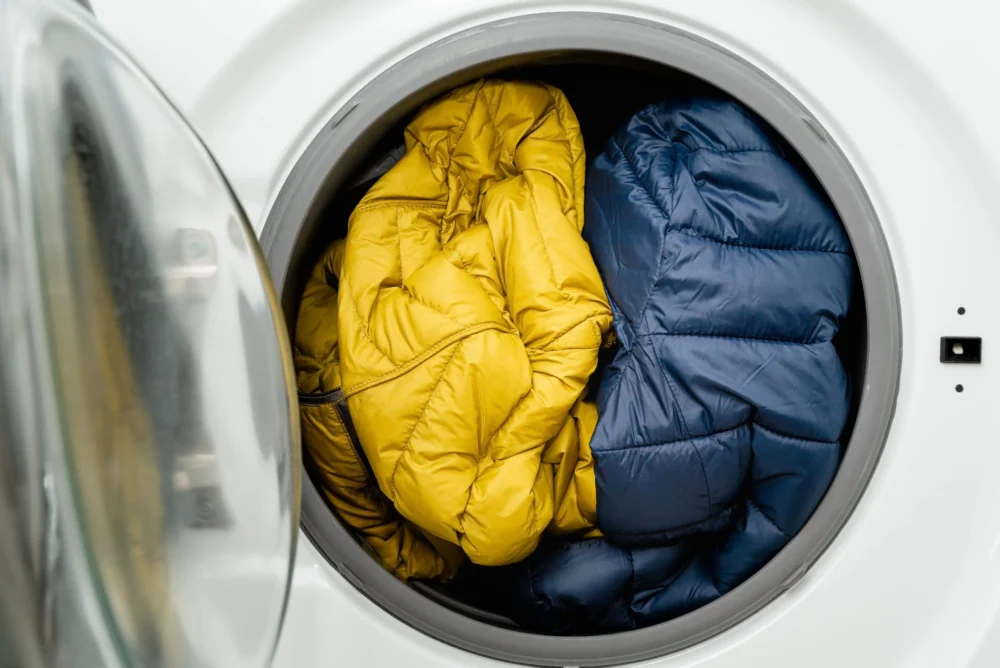
Puffer jackets, whether filled with down or synthetic insulation, are remarkably resilient and often machine washable. Their warmth and loft are what we love, and proper cleaning is key to maintaining these qualities.
Machine Washing Your Puffer:

- Prep Work: Zip up all zippers, close all Velcro fastenings, and empty all pockets. Turn the jacket inside out. This protects the outer shell and hardware.
- Washing Cycle: Use a gentle or delicate cycle with cold water. Employ a small amount of mild liquid detergent. As mentioned, avoid fabric softener. If your machine has an extra rinse cycle, use it to ensure all detergent is removed, which is crucial for maintaining loft.
- The Drying Game Changer: This is where the magic happens for puffers. Tumble dry on low heat. The secret weapon? Add two to three clean tennis balls or specialized dryer balls to the drum. These act as agitators, breaking up clumps of insulation and restoring the jacket’s original loft and fluffiness. This process can take time, so be patient. Ensure the jacket is completely dry before storing or wearing.
Reviving Your Parka and Heavy Winter Coats
Parkas and other heavy-duty winter coats, often featuring synthetic insulation and technical outer shells, also benefit from careful machine washing.
Machine Washing Your Parka:
- Pre-Wash Steps: Remove any detachable faux fur trim. These often have snaps or buttons and can be damaged by washing. Zip up all zippers and empty pockets.
- Washing Parameters: Use a gentle cycle with cold water. This prevents warping of the outer shell and clumping or breakdown of the insulation, ensuring the coat retains its warmth and structure. Again, use a mild liquid detergent and skip the fabric softener.
- Drying for Durability: Follow the care label for drying. If it allows for tumble drying, use low heat. If not, opt for air drying. It’s imperative that the coat is fully dry before storing to prevent mildew growth.
The Delicate Dance of Washing a Wool Coat
Wool coats present a unique challenge. While some might be machine washable, many are best left to professional care. As Alan Horowitz notes, "Wash natural-fiber coats the wrong way and you risk ruining the structure—the shoulders can lose their shape and the fabric can turn stiff instead of soft."

When Professional Cleaning is Key:
For most wool, cashmere, camel hair, and alpaca coats, a trip to the dry cleaner is the safest and most effective option. These natural fibers are sensitive to agitation and water temperature, which can cause them to shrink, felt, or lose their luxurious drape.
- Frequency: A professional cleaning once or twice a season is typically sufficient unless a significant spill occurs. Over-cleaning can also wear down natural fibers.
- End-of-Season Clean: It’s crucial to get your wool coat professionally cleaned at the end of the season before storing it. This removes body oils and grime that can attract moths and damage the fabric over time.
Home Care for Wool (with Caution):

If your wool coat’s label explicitly permits hand washing, proceed with extreme care:
- Use Cool Water and Wool-Specific Detergent: Use a detergent formulated for wool or delicates.
- Gentle Immersion and Agitation: Submerge the coat in cool water and gently swish it around. Avoid any harsh rubbing or scrubbing.
- Thorough Rinsing: Rinse with cool water until all soap is gone.
- No Wringing: Gently press out excess water. Do not wring or twist.
- Flat Drying: Lay the coat flat on a towel, reshape it, and allow it to air dry completely, away from direct heat or sunlight.
Alternative Freshening Methods:
- Steaming: A garment steamer can effectively remove odors and wrinkles from wool coats without the need for washing.
- Spot Cleaning: For minor stains, use a damp cloth with a tiny amount of mild soap, testing first in an inconspicuous area.
Your Coat Care Cheat Sheet: A Season-Long Strategy
Your winter coat works hard for you. To ensure it lasts and performs optimally, integrate these care habits into your routine:

- Regular Wear: If you wear your coat daily throughout the winter, aim for a thorough wash at the end of the season.
- Mid-Season Refresh: If you sweat heavily, have a demanding commute, or notice significant build-up, consider a mid-season wash or a gentle spot clean.
- Immediate Spot Treatment: For spills like coffee or food, tackle them immediately with spot cleaning to prevent stains from setting.
- Storage Savvy: Always ensure your coat is completely dry before storing it for the off-season. Store it in a breathable garment bag to protect it from dust and pests.
Pro Tips for Navigating the Dry Cleaner
When entrusting your prized outerwear to a professional, a few simple practices can enhance the service:
- Point Out Stains: Clearly mark any specific stains or areas of concern for the dry cleaner.
- Remove Personal Items: Always double-check pockets for keys, tissues, or other forgotten items.
- Ask About Specialty Services: For heavily soiled items or those with unique materials, inquire about specialized cleaning processes.
- Check for Damage: Before leaving, give your coat a quick visual inspection to ensure it’s returned in the expected condition.
Embrace the Power of Proper Care
Taking the time to properly clean and care for your winter coat is an investment. It’s not just about aesthetics; it’s about preserving the integrity, warmth, and longevity of a vital piece of your wardrobe. Think of it as a crucial part of your overall fitness and well-being – just as you prioritize nourishing your body and training it effectively, so too should you prioritize the care of the gear that protects you.
By understanding your coat’s needs and following these guidelines, you can ensure that your trusted winter companion remains a reliable source of warmth and style for many seasons to come. So, before you tuck your coat away for the spring, give it the attention it deserves. You’ll thank yourself when the first chill of autumn arrives, and your coat is as fresh, functional, and formidable as the day you bought it. Keep that warmth, keep that style, and keep conquering the cold!