In a world brimming with fleeting fitness trends and complex gym memberships, there’s a quiet revolution brewing right in our homes. The home gym, once considered a luxury, has evolved into an accessible and powerful tool for achieving lasting strength and fitness. But owning equipment is just the first step; the real magic happens when you understand how to build a robust foundation of strength.
This comprehensive guide is your blueprint to transforming your home space into a sanctuary of physical development. Whether you’re taking your first steps into strength training or looking to elevate an existing routine, we’ll cut through the noise, focusing on the fundamental principles, essential equipment, and proven strategies that build enduring strength, enhance your well-being, and future-proof your body. Forget the quick fixes; we’re here to lay down a foundation that will serve you for life.
Why Foundational Strength is Your Ultimate Fitness Asset
Before we dive into the nuts and bolts of equipment and exercises, let’s understand why prioritizing foundational strength isn’t just a good idea – it’s an imperative for a healthier, more capable life.
Beyond Aesthetics: The Multifaceted Benefits
While a sculpted physique is a welcome byproduct, the advantages of foundational strength training run far deeper than what meets the eye.
- Enhanced Physical Health: Regular strength training significantly improves bone density, reducing the risk of osteoporosis later in life. It boosts metabolism, aiding in weight management, and can help regulate blood sugar levels, reducing the risk of type 2 diabetes. Furthermore, it strengthens your cardiovascular system, contributing to overall heart health.
- Improved Functional Movement: Foundational strength translates directly into your daily life. Lifting groceries, playing with children, climbing stairs, or simply maintaining good posture become easier and less taxing. You move with greater efficiency, confidence, and less risk of strain.
- Injury Prevention: Strong muscles and connective tissues act as natural armor, protecting your joints and spine. By building balanced strength across your body, you reduce muscular imbalances that often lead to common injuries, whether from exercise or everyday activities.
- Boosted Mental Resilience & Mood: The discipline and challenge of strength training cultivate mental toughness. Overcoming plateaus, perfecting form, and seeing tangible progress foster a sense of accomplishment and self-efficacy. This, combined with the release of endorphins, can significantly reduce stress, anxiety, and symptoms of depression, leaving you feeling more focused and positive.
- Increased Longevity & Quality of Life: Research consistently links strength training to a longer, more vibrant life. Maintaining muscle mass as you age is critical for independence, preventing falls, and sustaining metabolic health. It’s an investment in your future self.
The Home Gym Advantage: Convenience Meets Commitment
Establishing a home gym is more than just buying equipment; it’s about investing in a lifestyle that prioritizes your health without the common barriers of traditional gyms.
- Unmatched Convenience: Say goodbye to commute times, crowded machines, and waiting for equipment. Your gym is always open, whenever you are. This eliminates excuses and makes consistency far more achievable, even on your busiest days.
- Privacy and Comfort: Train in an environment where you feel completely at ease. No judging eyes, no pressure to conform. You can wear what you want, play your own music, and focus entirely on your workout without distractions.
- Cost-Effectiveness (Long Term): While the initial investment in equipment might seem substantial, it quickly pays for itself when compared to recurring gym memberships, fuel costs, and specialized fitness classes. Plus, you own the assets!
- Personalized Environment: Design your space to perfectly suit your needs and preferences. You control the temperature, the music, the cleanliness, and the exact equipment you want to use. This personalization fosters a stronger connection to your fitness journey.
- Flexibility and Adaptability: Life happens. A home gym allows you to adjust your workout schedule on the fly, squeeze in a quick session, or extend a workout without external constraints. This flexibility is crucial for maintaining momentum through life’s inevitable ups and downs.
Essential Equipment for Your Home Strength Sanctuary
Building a robust home gym doesn’t require breaking the bank or dedicating an entire room. Smart choices, focusing on versatility and scalability, can equip you for incredible results.
The Non-Negotiables: Building Your Core Arsenal
Start with these foundational pieces, which offer a wide range of exercises and are suitable for most budgets and spaces.
- Dumbbells: The cornerstone of any home gym.
- Adjustable Dumbbells: An excellent space-saving option. They allow you to quickly change weights from light to heavy with a simple dial or pin mechanism. Ideal for progressive overload without accumulating dozens of fixed weights.
- Fixed Dumbbells: Offer quick weight changes between exercises but require more storage space and a larger initial investment for a full set. Consider a small range for specific exercises you perform frequently.
- Resistance Bands: Incredibly versatile and portable.
- Loop Bands: Great for lower body warm-ups, glute activation, adding resistance to squats, lunges, or hip thrusts.
- Longer Tube/Loop Bands with Handles: Excellent for various pulling movements, presses, tricep extensions, and assisted pull-ups. They offer progressive resistance, meaning the tension increases as you stretch the band.
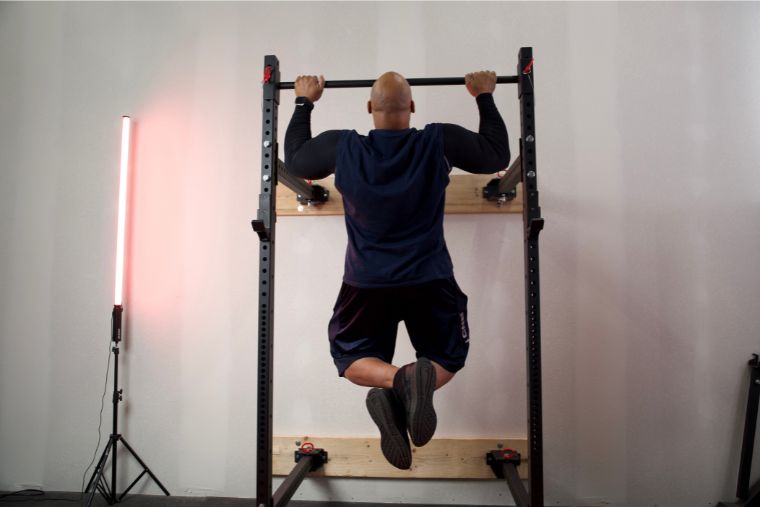
- Pull-Up Bar: Essential for upper body pulling strength.
- Doorframe Pull-Up Bar: Affordable and easy to install/remove. Ensure your doorframe is sturdy enough.
- Wall-Mounted or Freestanding Pull-Up Tower: More stable and offers greater versatility for exercises like dips and leg raises if it’s a tower.
- Jump Rope: An old-school classic for a reason. Excellent for cardio warm-ups, conditioning, and improving coordination. It’s compact and requires minimal space.
Elevating Your Setup: Intermediate Additions
Once you’ve mastered the basics, these additions can significantly expand your training capabilities and allow for heavier lifting.
- Barbell and Weight Plates: For serious strength gains.
- Olympic Barbell: The industry standard (2-inch diameter sleeves). Durable, often with good knurling, and compatible with a wide range of plates.
- Standard Barbell: (1-inch diameter sleeves) more budget-friendly, but typically has a lower weight capacity and fewer accessory options.
- Plates: Start with a few pairs of lighter plates (2.5, 5, 10 lbs) and a pair of 25s or 45s. Consider buying rubber-coated plates for floor protection and noise reduction, especially in a home setting.
- Adjustable Weight Bench: Transforms your workout options.
- Allows for flat, incline, and sometimes decline presses, dumbbell rows, step-ups, and a platform for various core exercises. Look for a sturdy bench with a good weight capacity.
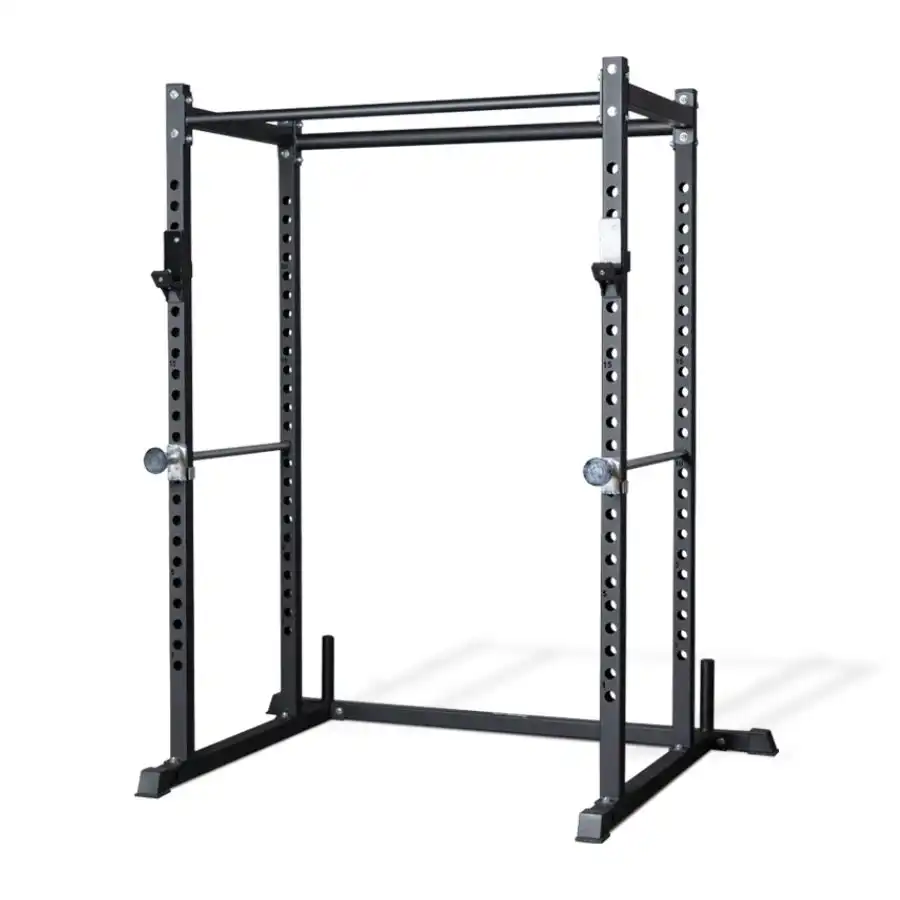
- Power Rack or Squat Stand: The ultimate safety and versatility upgrade for barbell training.
- Squat Stand: Two uprights with J-hooks, allowing for squats, overhead presses, and bench presses (with a bench). Less depth than a power rack, so you lift outside the frame. Some come with spotter arms for safety.
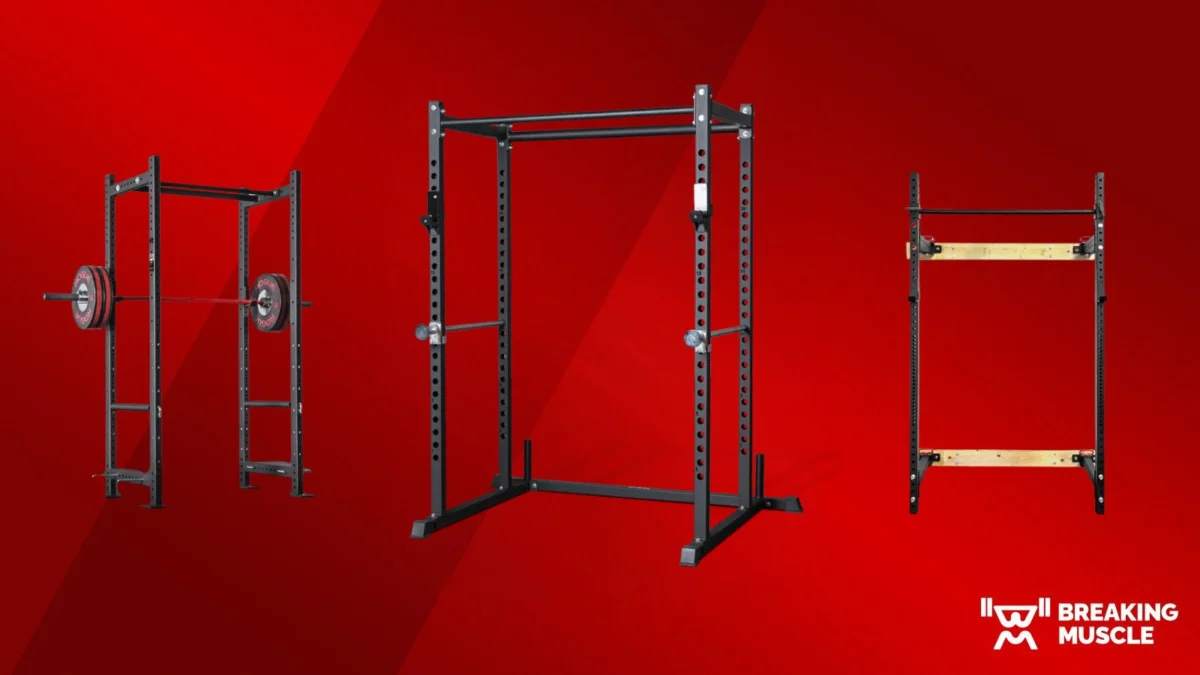
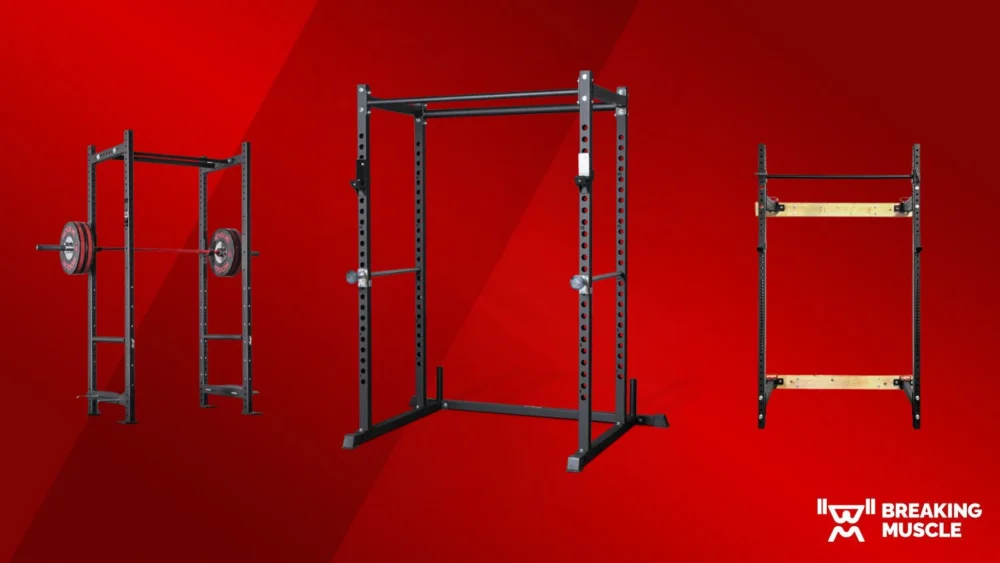
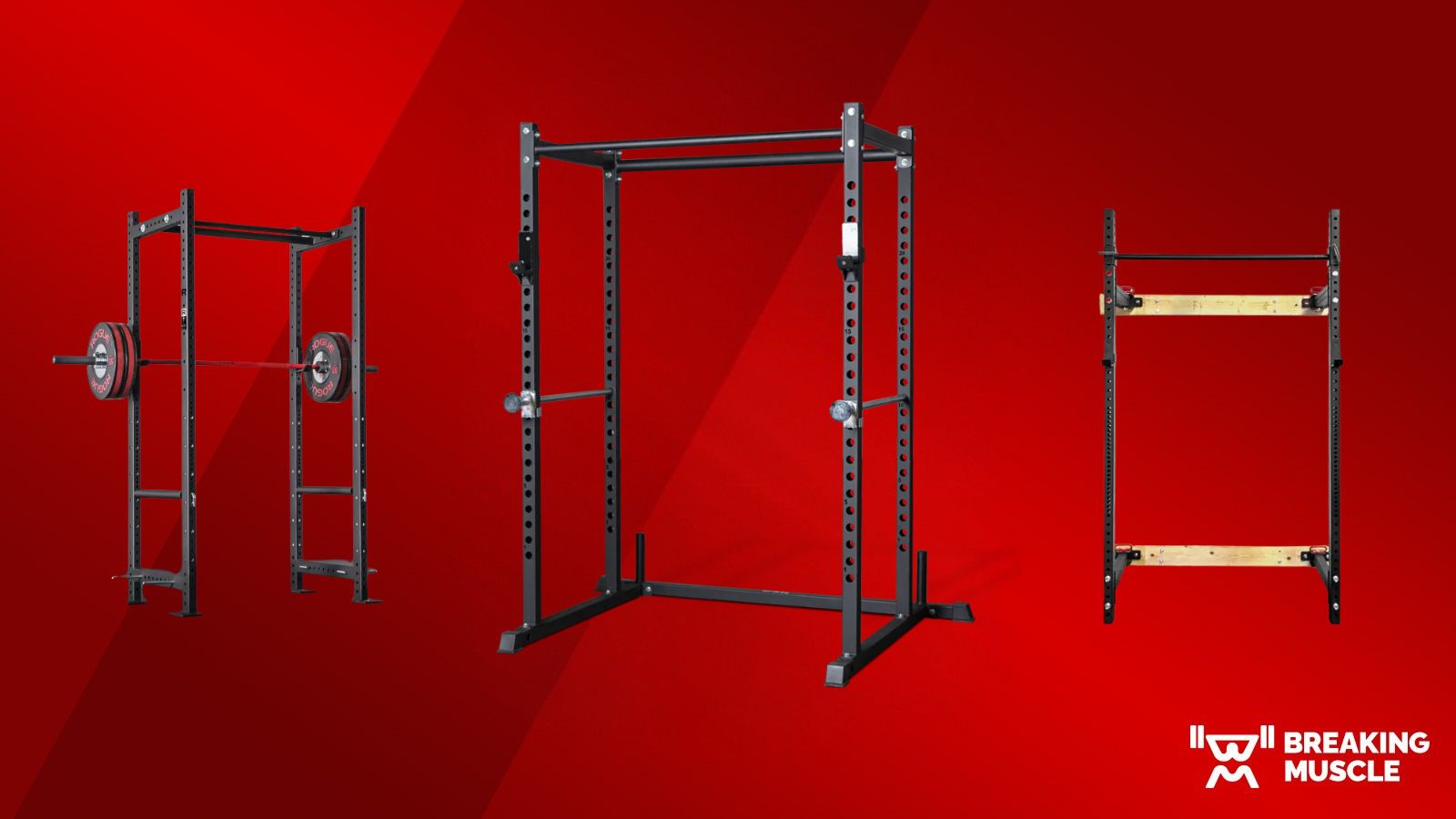
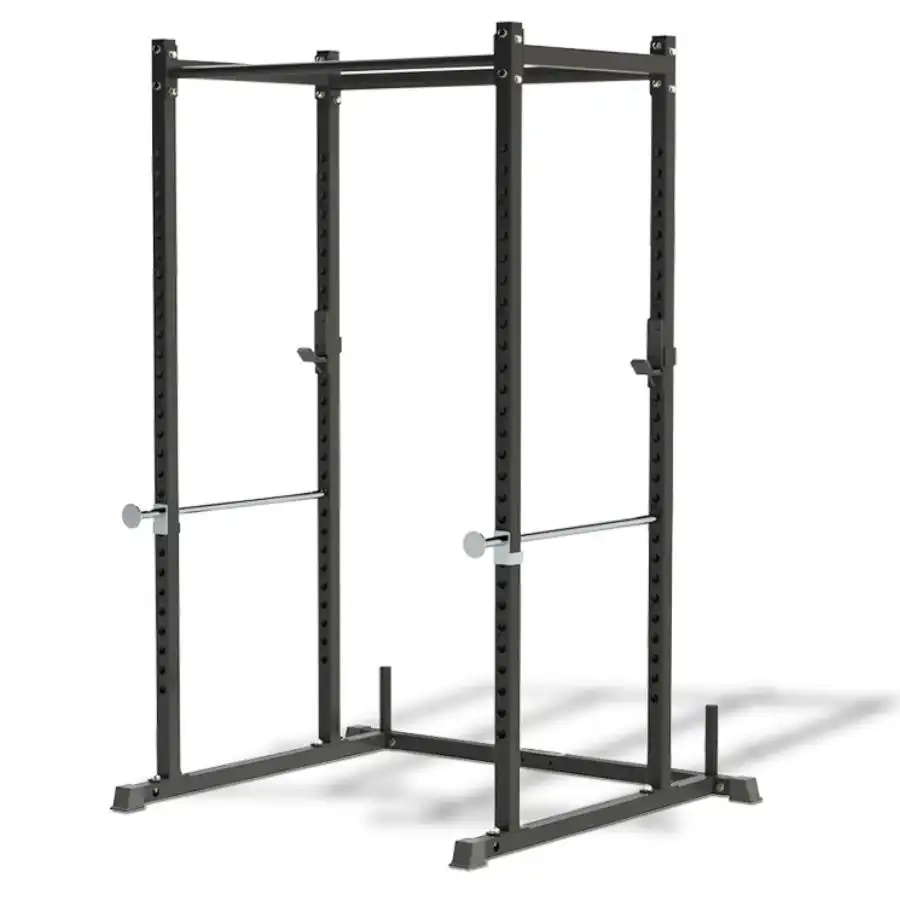
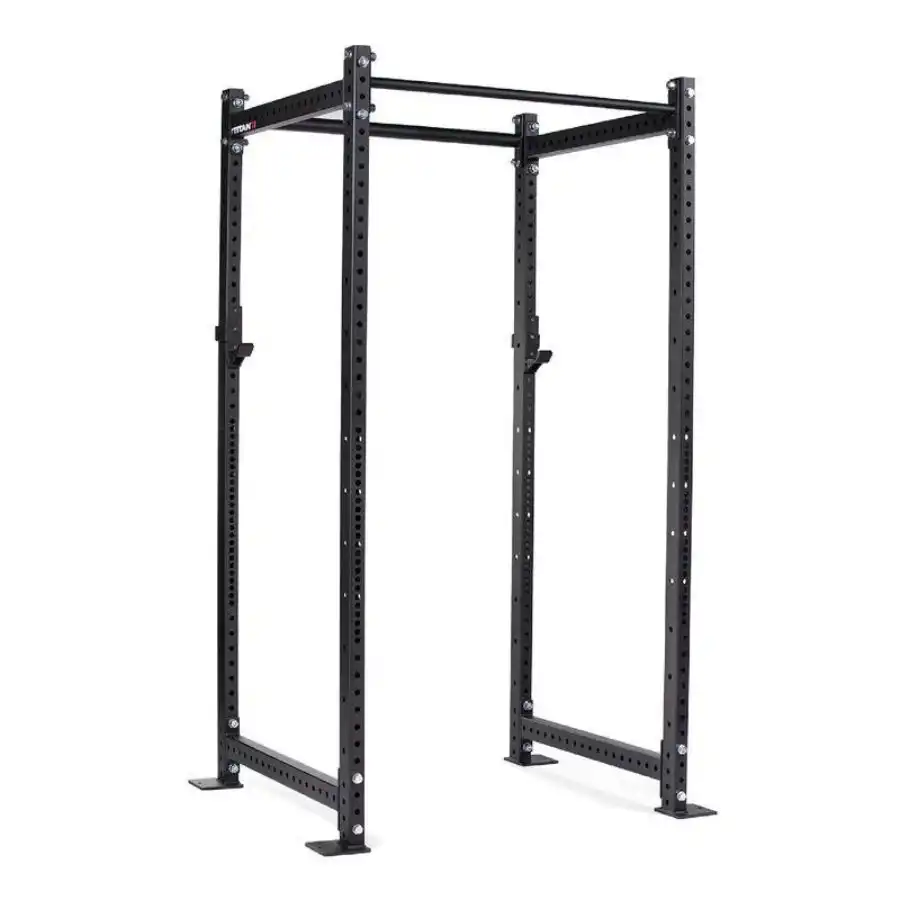
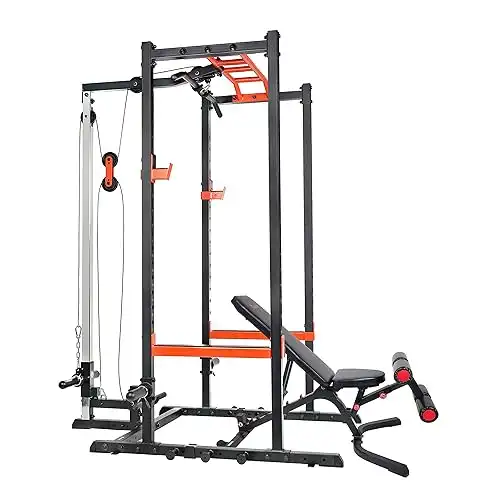
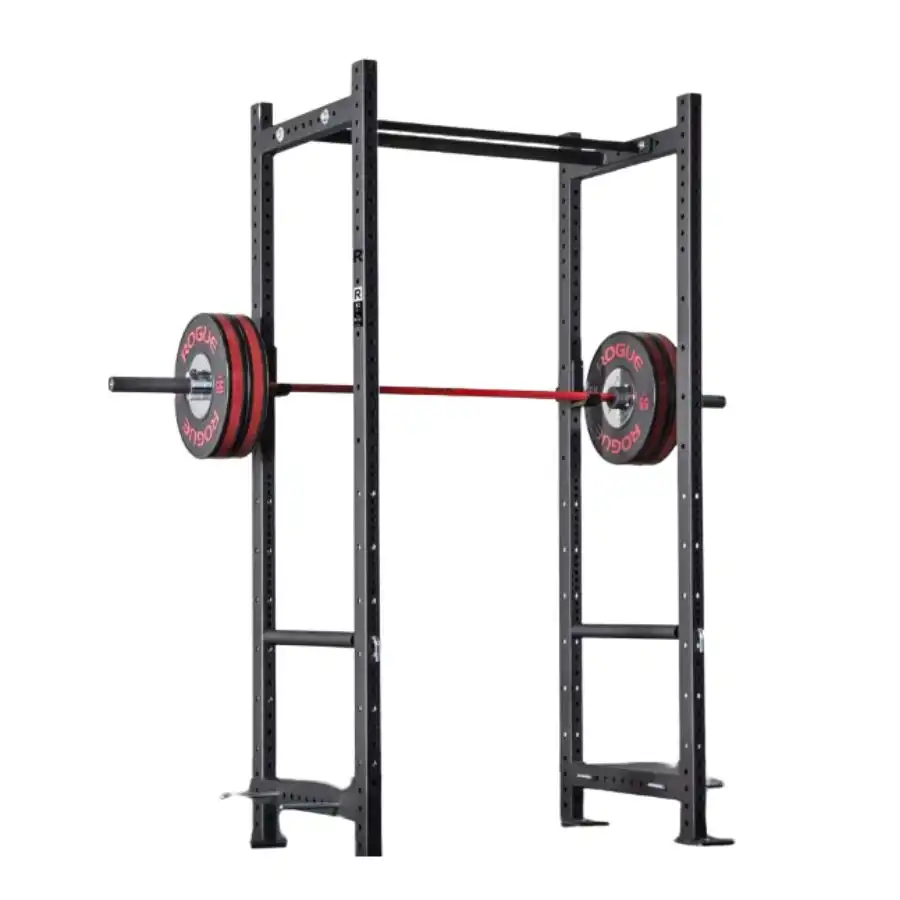
- Power Rack (or Power Cage): Four uprights connected by crossmembers, forming a cage. You lift inside the cage. This is paramount for safety, especially when lifting heavy without a spotter, as safety pins or straps can be set at any height to catch the bar if you fail a lift. Many also include a pull-up bar and allow for numerous attachments (dip stations, landmine attachments, plate storage). When considering a power rack, prioritize sturdy gauge steel (11 or 12 gauge is ideal), good hole spacing (especially closer spacing in the bench zone), and robust safety mechanisms.
- Kettlebells: Offer a unique blend of strength, cardio, and mobility. Excellent for swings, goblet squats, Turkish get-ups, and carries. Start with one moderate weight to learn the movements.
Smart Space Management: Making the Most of What You Have
Even in limited spaces, you can create an effective home gym.
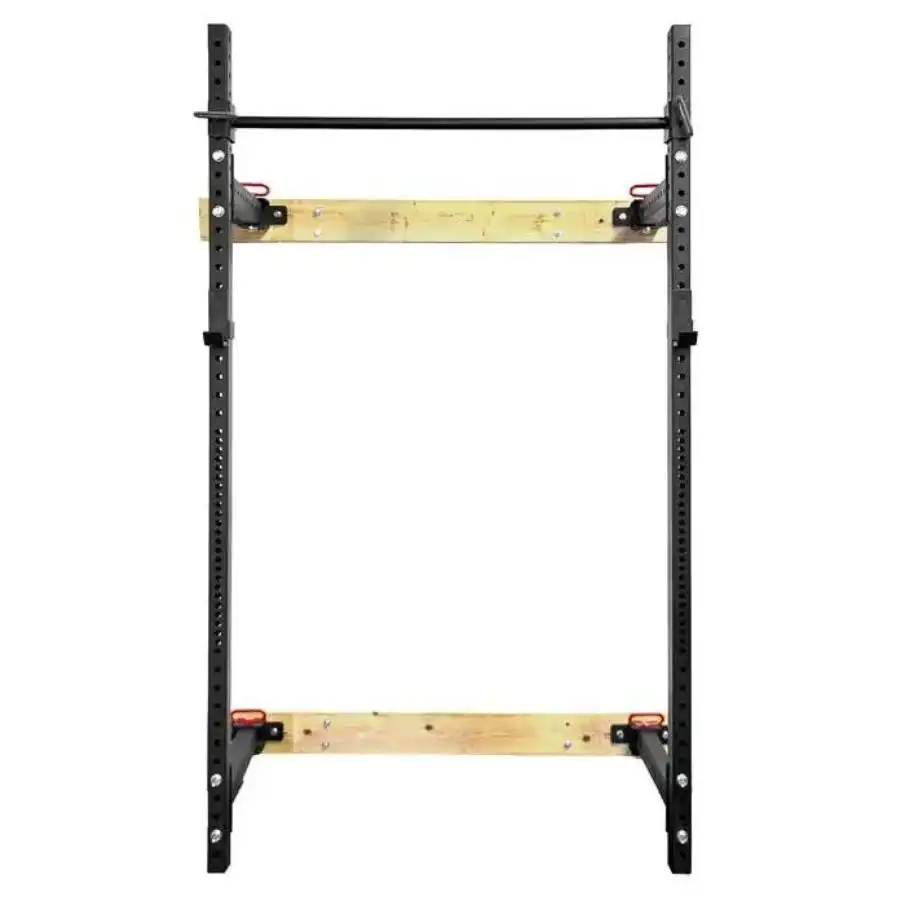
- Folding Equipment: Wall-mounted folding power racks or benches that fold flat can free up significant floor space when not in use.
- Multi-functional Items: Choose equipment that serves multiple purposes. An adjustable bench, for instance, can be used for pressing, rowing, and core work. A power rack often includes a pull-up bar and can accommodate dip attachments.
- Vertical Storage: Utilize wall space for plate storage, barbell holders, or resistance band hooks. Keep your floor clear to maximize workout area and prevent tripping hazards.
- Protective Flooring: Interlocking rubber mats protect your floors from dropped weights, absorb shock, and provide a stable, non-slip surface.
Mastering the Pillars: Foundational Strength Exercises
With your equipment ready, it’s time to focus on the movements that build real, functional strength. These compound exercises work multiple muscle groups simultaneously, offering the biggest bang for your buck.
Lower Body Power: Build a Strong Base
Your legs are your foundation. Strengthening them improves athletic performance, posture, and overall stability.
-
Squats (Bodyweight, Goblet, Barbell): The king of lower body exercises. Targets quads, glutes, hamstrings, and core.
- Bodyweight Squat: Focus on depth and control.
- Goblet Squat: Holds a dumbbell or kettlebell at your chest, making it easier to maintain an upright torso.
- Barbell Back/Front Squat: Progress to this once bodyweight and goblet squats are perfected.
-
Lunges (Forward, Reverse, Walking): Excellent for unilateral strength, balance, and addressing muscular imbalances. Targets quads, glutes, and hamstrings.
-
Glute Bridges / Hip Thrusts: Primarily target the glutes and hamstrings. Essential for hip extension strength, which is crucial for athletic power and preventing lower back pain. Can be done bodyweight or with a dumbbell/barbell across the hips.
-
Calf Raises (Standing, Seated): Targets the calf muscles. Important for ankle stability and explosive lower body power.
-
Actionable Tip: Always prioritize form over the amount of weight. Watch videos, use a mirror, or even record yourself to ensure proper technique. A perfect bodyweight squat is more effective than a poorly executed heavy squat.
Upper Body Prowess: Push, Pull, Press
Develop a balanced upper body by incorporating movements that push, pull, and press.
-
Push Exercises:
- Push-ups (Variations): A fundamental bodyweight exercise for chest, shoulders, and triceps.
- Variations: Incline (easier), decline (harder), knee push-ups (modified), diamond push-ups (more triceps).
- Overhead Press (Dumbbell, Barbell): Builds powerful shoulders and triceps. Can be performed seated or standing.
- Bench Press (Dumbbell, Barbell): Develops chest, shoulders, and triceps. An adjustable bench is crucial here. Dumbbells offer greater range of motion and unilateral benefits.
- Push-ups (Variations): A fundamental bodyweight exercise for chest, shoulders, and triceps.
-
Pull Exercises: Often neglected but vital for posture and balanced strength.
- Pull-ups / Chin-ups (Assisted Options): The ultimate test of upper body pulling strength (back, biceps).
- Assisted Options: Resistance bands, negative pull-ups (jump up, slowly lower), chair-assisted.
- Dumbbell Rows (Single-Arm): Excellent for targeting the lats, rhomboids, and biceps. Can be done supported by a bench or freestanding.
- Inverted Rows (Bodyweight): Use a low bar (e.g., a sturdy broomstick across two chairs, or a low-set barbell in a rack). Great for building horizontal pulling strength, engaging the back and biceps.
- Pull-ups / Chin-ups (Assisted Options): The ultimate test of upper body pulling strength (back, biceps).
-
Actionable Tip: For every pushing movement you do, aim to perform an equal or greater amount of pulling movements to maintain muscular balance and prevent postural issues (like rounded shoulders).
Core Stability: The Center of Your Strength
A strong core is the linchpin of all strength, protecting your spine and transferring power throughout your body.
-
Planks (Variations): Engages the entire core musculature isometrically.
- Variations: Forearm plank, high plank, side plank, plank with hip dips.
-
Crunches / Leg Raises: Target the rectus abdominis. Focus on controlled movements, not momentum.
-
Russian Twists (Controlled): Engages the obliques. Can be done bodyweight or holding a dumbbell/kettlebell. Emphasize control and rotation from the torso, not just swinging the arms.
-
Actionable Tip: Engage your core in all your lifts. Before initiating any major exercise (squat, press, row), brace your core as if preparing for a punch. This provides stability and protects your spine.
Crafting Your Personalized Home Strength Program
Having the right exercises and equipment is only part of the equation. A structured program is what turns effort into consistent, measurable progress.
Principles of Effective Programming
These fundamental principles guide how you should design and approach your workouts.
- Progressive Overload: The Key to Growth: Your muscles adapt to stress. To keep growing stronger, you must continually challenge them. At home, this can be achieved in several ways:
- Increase Weight/Resistance: The most straightforward method. Gradually lift heavier dumbbells or add plates to your barbell.
- Increase Repetitions: If you can’t add weight, do more reps with the same weight.
- Increase Sets: Perform more sets of an exercise.
- Improve Form/Range of Motion: Deeper squats or stricter pull-ups can increase the challenge.
- Decrease Rest Time: Shorter breaks between sets make the workout more intense.
- Increase Time Under Tension: Slow down the eccentric (lowering) phase of an exercise.
- Increase Frequency: Train a muscle group more often per week.
- Consistency: The Non-Negotiable Ingredient: No program, however perfect, will yield results without consistent effort. Aim for regular sessions, even if they’re shorter, rather than sporadic intense bursts.
- Periodization (Simple for Beginners/Intermediates): This means strategically varying your training intensity and volume over time. For example, you might spend 4-6 weeks pushing hard, then take a "deload" week with lighter weights or fewer sets to allow your body to recover and prepare for the next phase of growth.
- Rest & Recovery: When Muscles Grow Stronger: Workouts break down muscle tissue; rest and nutrition rebuild it stronger. Ensure you get adequate sleep (7-9 hours), consume enough protein, and take active recovery days (light walks, stretching). Overtraining can lead to plateaus, injury, and burnout.
Sample Workout Structure (Beginner/Intermediate)
Here’s a template for a full-body workout split, ideal for 2-3 sessions per week. Remember to adjust weights, reps, and sets based on your current fitness level.
General Warm-up (5-10 minutes):
- Light cardio (jump rope, jogging in place, high knees)
- Dynamic stretches (arm circles, leg swings, torso twists, cat-cow)
Workout A (Full Body Focus):
- Barbell/Goblet Squats: 3 sets of 8-12 reps
- Dumbbell Bench Press (Flat or Incline): 3 sets of 8-12 reps
- Single-Arm Dumbbell Rows: 3 sets of 8-12 reps per arm
- Push-ups: 3 sets to failure (or as many reps as possible with good form)
- Plank: 3 sets, hold for 30-60 seconds
Workout B (Full Body Focus):
- Dumbbell Lunges (alternating legs): 3 sets of 10-15 reps per leg
- Dumbbell/Barbell Overhead Press: 3 sets of 8-12 reps
- Pull-ups/Chin-ups (or Assisted): 3 sets to failure
- Glute Bridges/Hip Thrusts (with or without weight): 3 sets of 10-15 reps
- Side Plank: 3 sets, hold for 20-40 seconds per side
Cool-down (5-10 minutes):
-
Static stretches (hold each stretch for 20-30 seconds, focusing on major muscle groups worked)
-
Actionable Tip: Start with 2-3 full-body sessions per week on non-consecutive days (e.g., Monday, Wednesday, Friday). As you get stronger, you can increase the number of sets or reps, or gradually add weight.
Tracking Your Progress: The Motivation Engine
Seeing tangible progress is incredibly motivating. Make tracking a non-negotiable part of your routine.
- Workout Journal/App: Record the date, exercises, sets, reps, and weight used for every session. This allows you to easily see your progress and plan for progressive overload.
- Body Measurements: Periodically measure your waist, chest, arms, and thighs.
- Progress Photos: Take photos in the same lighting and pose every 4-8 weeks. Sometimes the mirror lies, but photos show objective changes.
- Performance Metrics: Track things like how long you can hold a plank, how many push-ups you can do, or your jump height.
Safety First: Preventing Injury in Your Home Gym
Training at home offers immense freedom, but it also places a greater responsibility on you to ensure safety. Without a spotter, vigilance is key.
Form Over Everything: The Golden Rule
Improper form is the fastest route to injury and the slowest route to progress.
- Learn Proper Technique: Before adding significant weight, master the movement pattern with light weight or just your bodyweight. Watch instructional videos from certified professionals, read detailed guides, and pay attention to cues.
- Use Mirrors/Video: Position a mirror where you can observe your form, especially for squats and deadlifts. Even better, video yourself from different angles and review the footage. You’ll catch errors you might not feel.
- Start Light: There’s no ego in a home gym. Begin with weights you can comfortably control for all prescribed reps, maintaining perfect form. Gradually increase as your strength and confidence grow.
- Warm-up Adequately: A proper warm-up prepares your muscles, joints, and nervous system for the work ahead, significantly reducing injury risk.
Spotting & Safeties: Your Personal Backup
When training alone, especially with barbells, safety mechanisms are non-negotiable.
- Utilize Power Rack Safeties: If you have a power rack, its safety pins or straps are your ultimate spotters.
- Setting Safeties for Squats: Set the safeties just below your lowest squat position. If you fail, you can simply drop the bar onto the safeties and step out.
- Setting Safeties for Bench Press: Set the safeties just above your chest. This ensures if you fail, the bar won’t crush you but will allow for a full range of motion during the lift.
- Always test the safety settings with an unloaded bar first.
- Dumbbell Safety: If you’re bench pressing with heavy dumbbells, consider practicing the "roll of shame" (rolling the dumbbells to your hips and sitting up) or using spotter arms on a squat stand if they extend far enough. For overhead dumbbell presses, practice "dumping" the dumbbells safely to the sides if you fail.
- Be Smart with Heavy Lifts: If you’re attempting a new personal record (PR) on a barbell lift without safeties, consider doing it only if you have a spotter present, or choose a lift you can safely bail from (e.g., deadlifts).
Listening to Your Body: The Smart Approach
Your body communicates with you. Learn to interpret its signals.
- Pain vs. Soreness: Muscle soreness (DOMS – Delayed Onset Muscle Soreness) is normal after a challenging workout. Sharp, acute, or persistent pain during or after a movement is a red flag. Stop the exercise immediately if you feel pain.
- Rest Days: Incorporate adequate rest days into your schedule. Your muscles grow stronger during recovery, not during the workout itself.
- Deload Weeks: Every 8-12 weeks, consider a deload week where you significantly reduce your training volume and intensity (e.g., half the sets and reps, lighter weight). This allows your central nervous system to recover, prevents burnout, and often leads to a resurgence in strength when you return to full training.
- Hydration and Nutrition: Fuel your body adequately. Proper hydration and a balanced diet rich in protein, complex carbohydrates, and healthy fats are crucial for performance, recovery, and injury prevention.
Your Journey to Enduring Strength Begins Now
You now hold the blueprint to building not just a home gym, but a lifetime of enduring strength and fitness. We’ve explored the profound benefits that extend far beyond aesthetics, identified the essential equipment that empowers your progress, demystified foundational exercises, and armed you with the principles of effective, safe programming.
The path to strength is a journey, not a destination. It demands consistency, patience, and a willingness to learn and adapt. There will be days of triumph and days of challenge, but with each rep, each set, and each disciplined decision, you are forging a stronger, more resilient version of yourself.
Embrace the convenience and privacy of your home sanctuary. Commit to the process, listen to your body, and celebrate every small victory. Your enduring strength, improved health, and unwavering confidence are not just aspirations – they are within your grasp, waiting to be built, brick by powerful brick. Start today, and unleash the strength that lies within you.