In the dynamic world of fitness and supplementation, few compounds command as much scientific validation and widespread popularity as creatine. For beginners taking their first steps into strength training or intermediate enthusiasts striving to shatter plateaus, creatine stands out as a potent ally for muscle growth, enhanced athletic performance, and accelerated recovery. It’s a foundational supplement, lauded not just by professional athletes and bodybuilders, but by anyone committed to maximizing their physical potential.
However, the sheer volume of creatine products on the market can be overwhelming. From powders to pills, flavored concoctions to unadulterated pure forms, navigating the choices requires clear, reliable information. This comprehensive guide is designed to cut through the noise, providing you with an authoritative, motivational, and practical roadmap to understanding creatine, its profound benefits, and how to select the ideal supplement to fuel your fitness journey. We’ll delve into what creatine is, how it works, its various forms, crucial factors for choosing a product, and even address common concerns, empowering you to make an informed decision that aligns with your health and performance goals.
Understanding Creatine: Your Body’s Natural Powerhouse
Creatine is more than just a supplement; it’s a naturally occurring compound integral to your body’s energy system. Understanding its role is key to appreciating its impact on your fitness.
What is Creatine and How Does it Fuel Performance?
At its core, creatine is a nitrogenous organic acid composed of three amino acids: arginine, glycine, and methionine. Your body naturally produces creatine in the liver, kidneys, and pancreas, with approximately 95% of it stored in your skeletal muscles. While you can obtain some creatine through your diet, primarily from red meat and seafood, supplementation offers a concentrated boost to your body’s stores.
The magic of creatine lies in its ability to regenerate adenosine triphosphate (ATP), often called the "energy currency" of your cells. During high-intensity, short-burst activities – think heavy lifts, explosive sprints, or powerful jumps – your muscles rapidly deplete their ATP reserves. Creatine phosphate (CrP), the stored form of creatine in your muscles, quickly donates a phosphate group to adenosine diphosphate (ADP), converting it back into ATP. This rapid regeneration allows your muscles to sustain maximum effort for longer periods, delaying fatigue and enabling you to perform more reps, lift heavier weights, or sprint faster.
From a personal perspective, as someone who has integrated creatine into my regimen for years, I’ve consistently observed its profound effect on both my workout intensity and subsequent recovery. The ability to push through those extra few reps or feel less drained after a demanding session isn’t just anecdotal; it’s a testament to creatine’s fundamental role in muscular energy dynamics.
The Proven Advantages of Creatine Supplementation
Backed by decades of extensive scientific research, creatine stands as one of the most thoroughly studied and effective supplements available. Its benefits extend across multiple facets of physical performance and overall well-being:
- Enhanced Athletic Performance: Creatine is a game-changer for activities requiring short, intense bursts of energy. Studies consistently demonstrate its capacity to improve strength, power output, and overall performance in exercises like weightlifting, sprinting, and plyometrics. It enables you to perform more work during your training sessions, which directly translates to better results.
- Significant Muscle Mass Gains: If building muscle is your goal, creatine is an invaluable asset. It promotes a phenomenon known as "cell volumization," where it draws more water into your muscle cells. This not only makes muscles appear fuller but is also believed to trigger anabolic signaling pathways, promoting protein synthesis and ultimately leading to increased lean muscle mass when combined with resistance training.
- Accelerated Recovery: The post-workout period is crucial for muscle repair and growth. Creatine has been shown to reduce muscle cell damage and inflammation that occurs after strenuous exercise. This means you can recover faster between workouts, reducing downtime and allowing for more frequent, effective training sessions.
- Reduced Muscle Soreness: While not entirely preventing muscle damage, creatine supplementation can significantly mitigate the immediate muscle damage experienced after intense resistance training. This often translates to less severe delayed onset muscle soreness (DOMS), making your recovery more comfortable.
- Potential Cognitive Enhancement: Beyond physical benefits, emerging research suggests creatine may also play a role in brain health. The brain is a high-energy organ, and creatine helps maintain optimal ATP levels, which can support cognitive functions, particularly those requiring quick thinking and rapid processing.
- Improved Muscle and Bone Density (Especially with Age): Creatine isn’t just for young athletes. Research indicates that combining creatine supplementation with resistance training can have positive effects on bone area and muscle density in older adults, contributing to better overall health and resilience as you age.
Navigating the Creatine Landscape: Different Forms Explained
While the core benefits of creatine remain consistent, the market offers various forms. Understanding these distinctions can help you make an informed choice, though one form consistently stands out as the most proven.
Creatine Monohydrate: The Gold Standard
Creatine monohydrate is unequivocally the most researched, effective, and widely available form of creatine. It consists of creatine bonded with a water molecule. Its efficacy and safety are extensively documented, making it the benchmark against which all other forms are measured. When experts refer to the benefits of creatine, they are almost always referring to studies conducted on creatine monohydrate.
Micronized Creatine Monohydrate: Enhanced Solubility
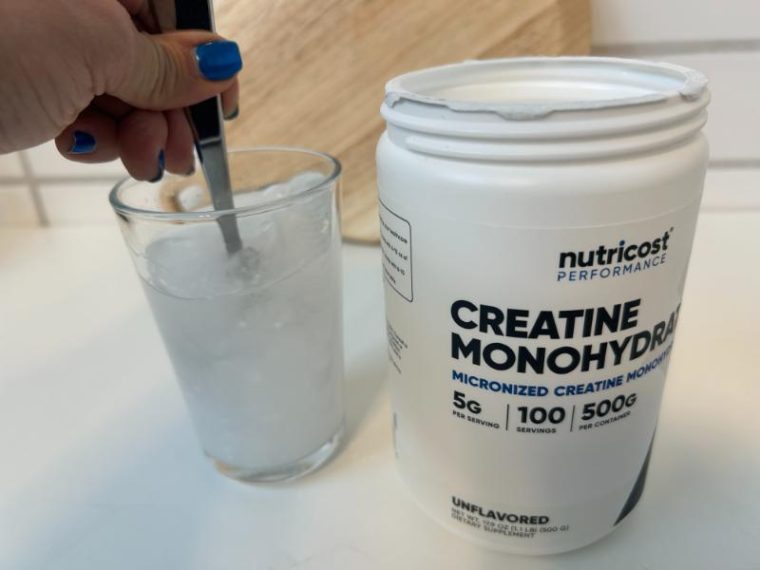
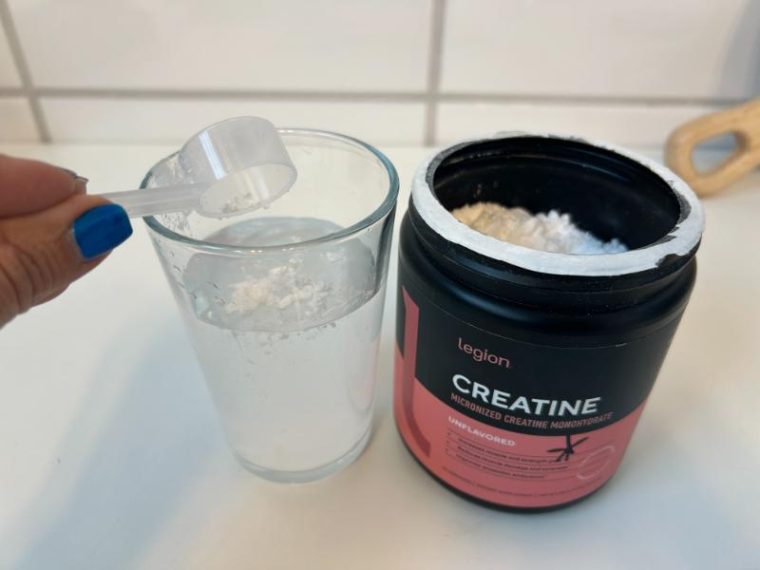
Micronized creatine monohydrate is simply creatine monohydrate that has been processed into finer particles. The primary benefit of this micronization is improved solubility. It mixes more easily in water or other liquids, reducing the likelihood of gritty residue at the bottom of your shaker cup. While it offers a more pleasant consumption experience, current research suggests that micronized creatine isn’t necessarily more bioavailable or absorbed more effectively by the body than standard creatine monohydrate. Its advantage lies purely in its mixability.
Exploring Other Forms (Briefly)
While other forms of creatine exist, they generally lack the extensive research and proven efficacy of monohydrate:
- Creatine Ethyl Ester (CEE): Marketed for superior absorption due to its ester bond, research has largely shown CEE to be less effective than monohydrate, with some studies indicating it may even convert into inactive creatinine more readily in the body.
- Creatine Nitrate: This form binds creatine to a nitrate group, with some claims of improved solubility and bioavailability. However, research is still mixed, and its daily dose is often limited by FDA guidelines due to the nitrate component.
- Buffered Creatine (e.g., Kre-Alkalyn): Designed with added alkaline agents to have a higher pH, the theory behind buffered creatine is that it would be more stable in the stomach and thus absorbed better. However, studies have found little to no significant difference in effectiveness compared to creatine monohydrate for enhancing training gains.
For most individuals, creatine monohydrate (or micronized creatine monohydrate for better mixability) remains the most reliable and cost-effective choice.
Your Blueprint for Choosing the Right Creatine Supplement
Selecting the best creatine supplement involves more than just picking the first product you see. Consider these key factors to ensure you’re investing in a product that genuinely supports your fitness goals.
Optimal Dosage per Serving
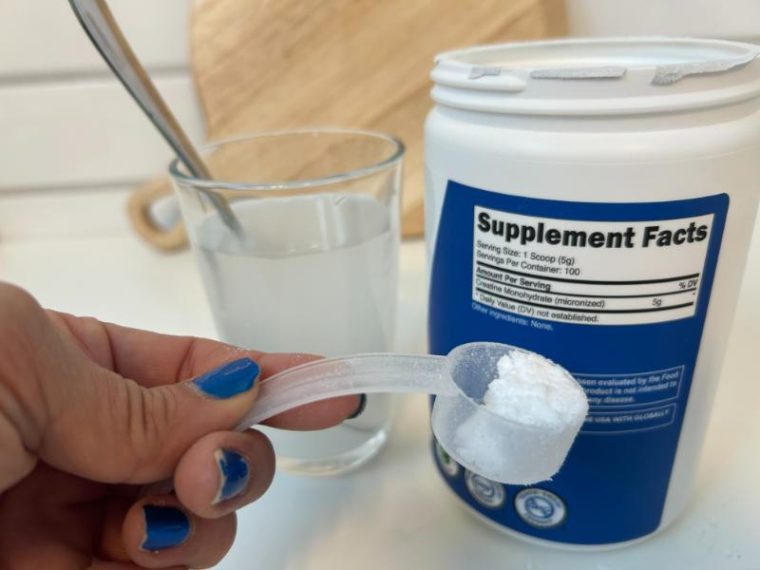
The cornerstone of effective creatine supplementation is consistent dosing. For the majority of individuals, a daily intake of 3 to 5 grams of creatine is sufficient to saturate muscle stores and unlock maximum benefits. However, for larger individuals, a more precise recommendation is 0.1 grams of creatine per kilogram of body weight. Always check the supplement’s label to ensure it delivers an adequate amount per serving, adjusting as needed based on your body size.
Complementary Ingredients: To Blend or Not to Blend?
Some creatine supplements come as pure creatine, while others include additional ingredients. Consider your specific goals:
- Pure Creatine: If you’re primarily seeking the benefits of creatine, a pure creatine monohydrate product is often the most straightforward and cost-effective choice.
- Blends with Other Ingredients:
- HMB (β-hydroxy β-methylbutyrate): This metabolite of leucine is sometimes added, with some research suggesting it may promote muscle growth and prevent muscle breakdown, though more definitive studies are needed to establish its synergistic effect with creatine.
- L-Carnitine: Known for its role in fat metabolism, L-carnitine helps transport fatty acids into mitochondria for energy production. It can be beneficial if your goals include fat utilization, but it’s not directly related to creatine’s primary function of ATP regeneration.
- BioPerine (Black Pepper Extract): Included in some formulas to enhance the bioavailability and absorption of other nutrients. While beneficial for some compounds, its impact specifically on creatine absorption requires more research.
Consulting with a sports dietitian can provide personalized guidance, helping you determine if a pure creatine supplement or a blend with specific added ingredients best supports your unique health, athletic, or physique objectives.
Purity and Additives: What’s in Your Tub?
A clean ingredient list is often a sign of a high-quality supplement. Many creatine products contain creatine as their sole active ingredient. However, some, especially flavored powders or gummies, may include:
- Artificial Sweeteners: Such as sucralose, which can cause gastrointestinal discomfort in some individuals at high doses.
- Artificial Flavors and Colors: While generally safe, some prefer to avoid these.
- Fillers and Gums: Used for texture or mixability, these can sometimes lead to digestive issues.
If purity is a priority, opt for unflavored, unadulterated creatine monohydrate. If you choose a flavored option, be mindful of the added sugars and artificial ingredients.
The Assurance of Third-Party Testing
The supplement industry is largely unregulated by the FDA, making third-party testing a critical indicator of product quality and safety. Independent organizations verify that a supplement contains what its label claims and is free from harmful contaminants. Look for certifications from:
- Informed Sport Certified: Ensures products are tested for banned substances, a crucial consideration for competitive athletes subject to drug testing.
- NSF Certified for Sport: A comprehensive certification that confirms a product is tested for banned substances, contaminants (heavy metals, microbes, pesticides), and verifies label claims.
These certifications offer peace of mind, especially for collegiate or professional athletes, ensuring compliance with anti-doping regulations.
Form Factor and Flavor Preferences
Creatine supplements come in various formats to suit different lifestyles and preferences:
- Powders: The most common form, offering flexibility in dosage. Available unflavored (ideal for mixing into other beverages without altering taste) or flavored (can be a standalone enjoyable drink).
- Capsules/Pills: Convenient for on-the-go use, tasteless, and eliminate the need for mixing. However, you might need to take several capsules to reach your optimal dose.
- Gummies: A palatable and easy-to-consume option, but often contain added sugars and might require multiple gummies per serving to hit the target creatine dose.
Consider how easily the product mixes (solubility) if choosing a powder, and the overall taste experience if opting for a flavored version.
Budget Considerations
Creatine is generally an affordable supplement, but prices can vary significantly. Compare the cost per serving, not just the upfront price of the container. While some premium products offer additional ingredients or advanced certifications, a high-quality creatine monohydrate can be remarkably cost-effective.
Top-Tier Creatine Selections for Peak Performance
Our team of fitness experts has rigorously tested numerous creatine supplements, evaluating them based on formulation, taste, mixability, third-party testing, and value. Here are some standout choices that consistently deliver.
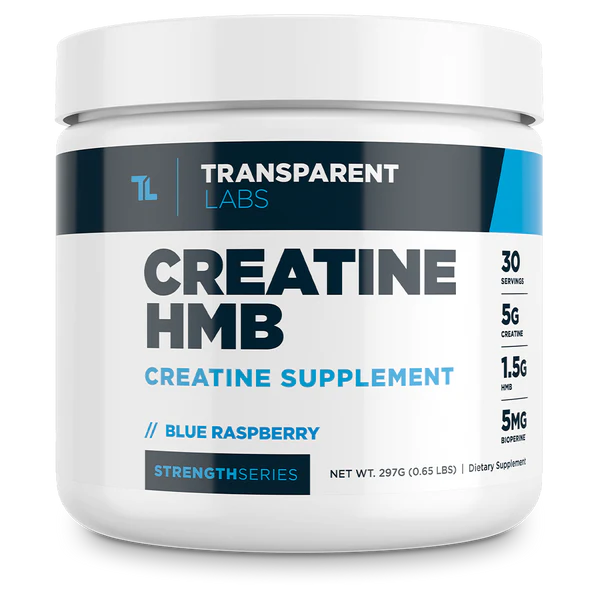
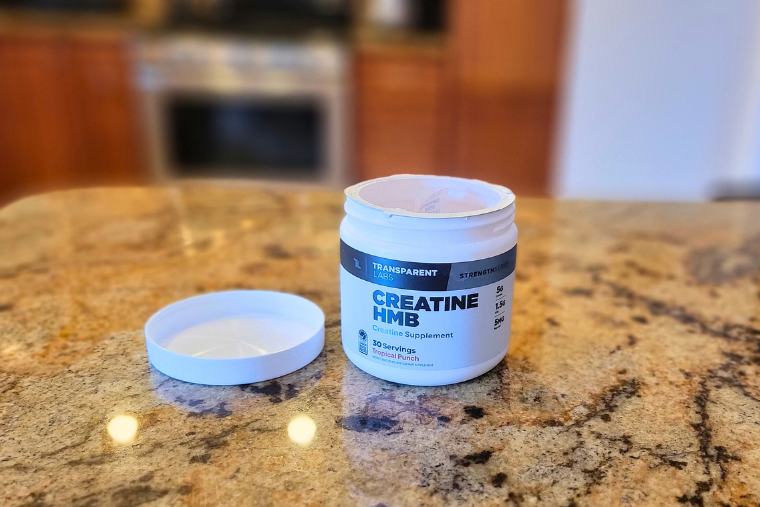
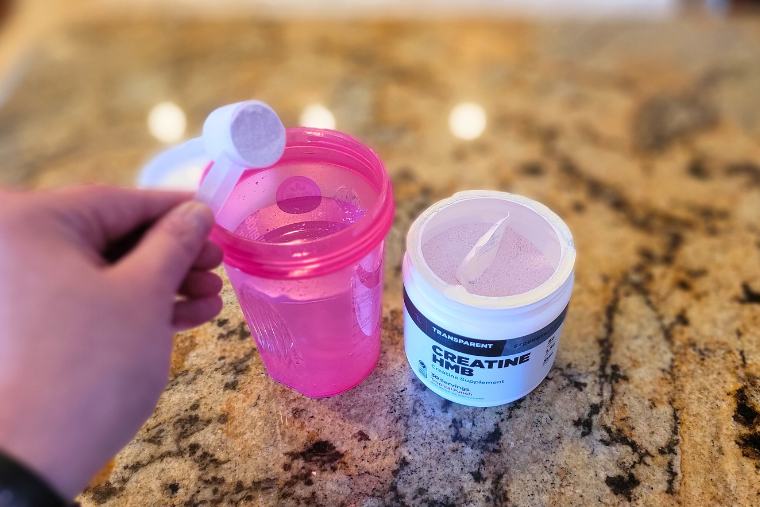
Transparent Labs Creatine HMB
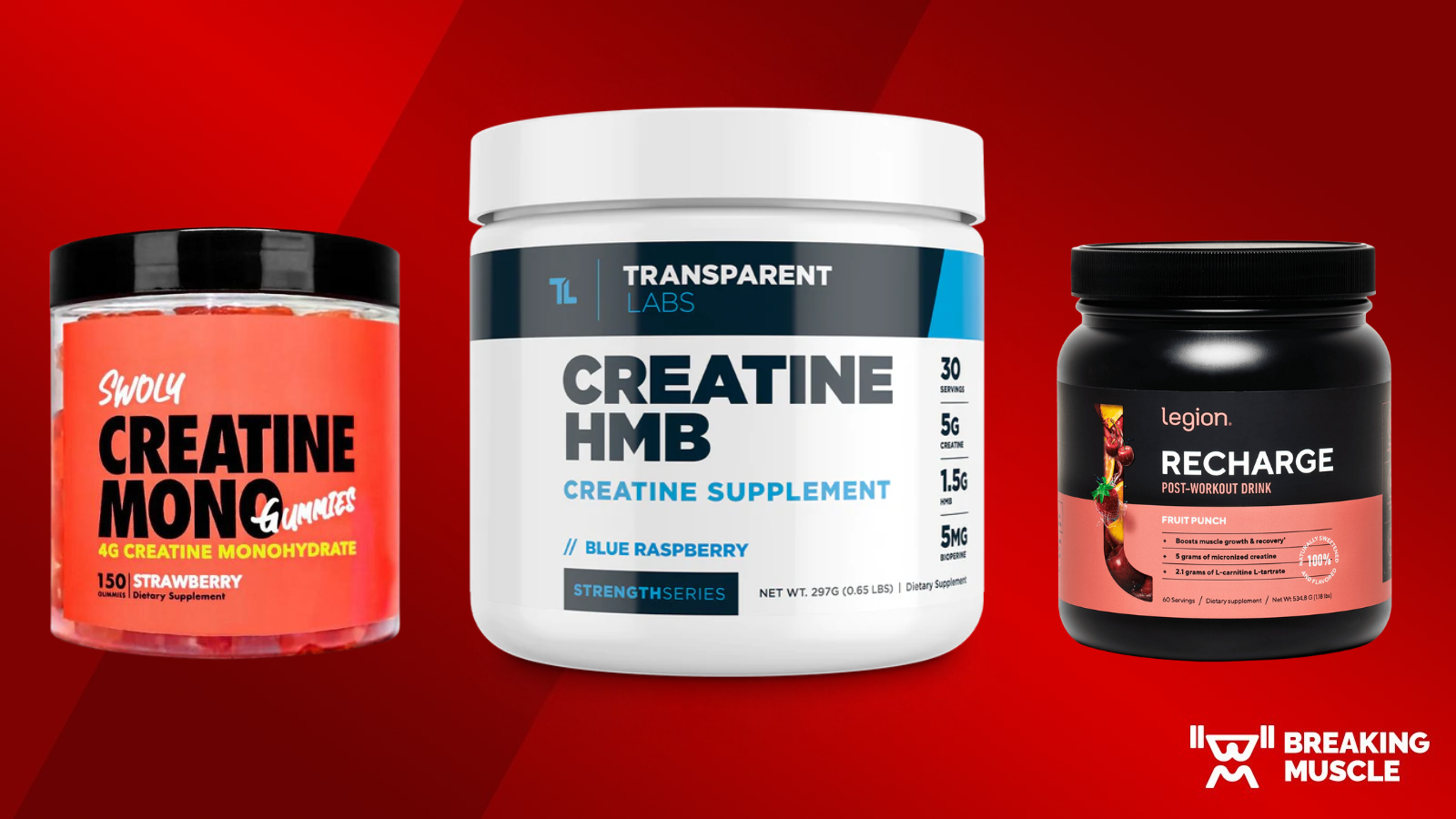
Why it stands out: This supplement is a top contender for its high-quality creatine monohydrate combined with other beneficial compounds. Each serving provides a robust 5 grams of creatine monohydrate, aligning with the research-backed dose for optimal athletic performance. It also includes 1.5 grams of β-hydroxy β-methylbutyrate (HMB), a leucine metabolite that some studies suggest can aid muscle growth, although its synergistic effect with creatine is still an area of ongoing research. Additionally, BioPerine, a black pepper derivative, is included to potentially enhance nutrient absorption.
User Experience: Testers praised its extensive flavor range (13 options, including unflavored) and generally positive taste profile, despite some noting a slight bitterness potentially from the BioPerine. Its formulation received high marks for its effective dosage and thoughtful ingredient combination.
Sports Research Creatine Monohydrate
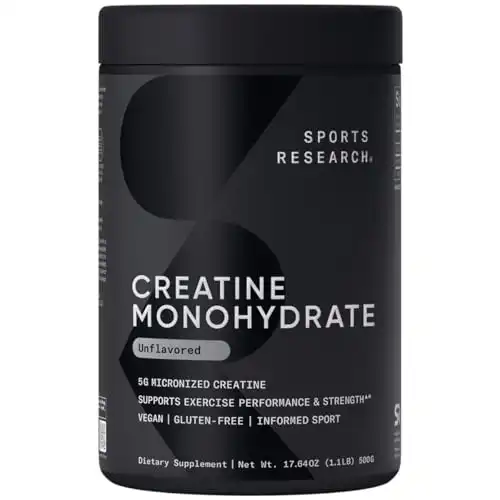
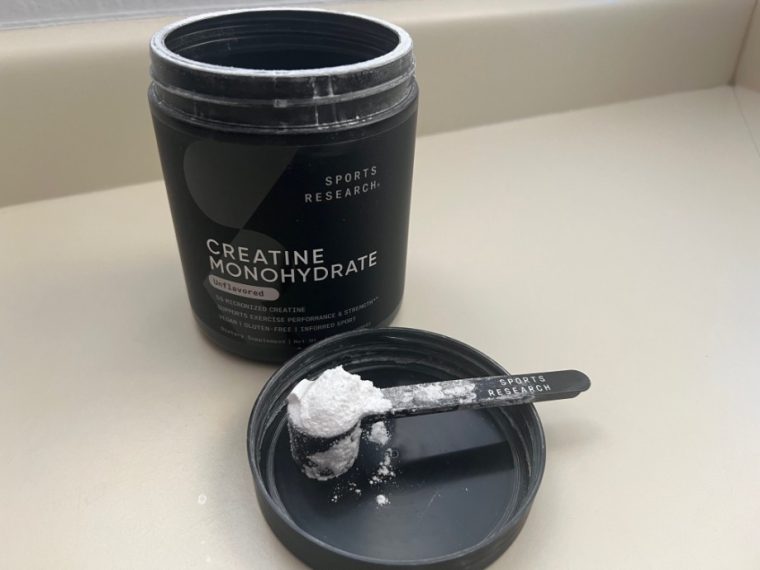
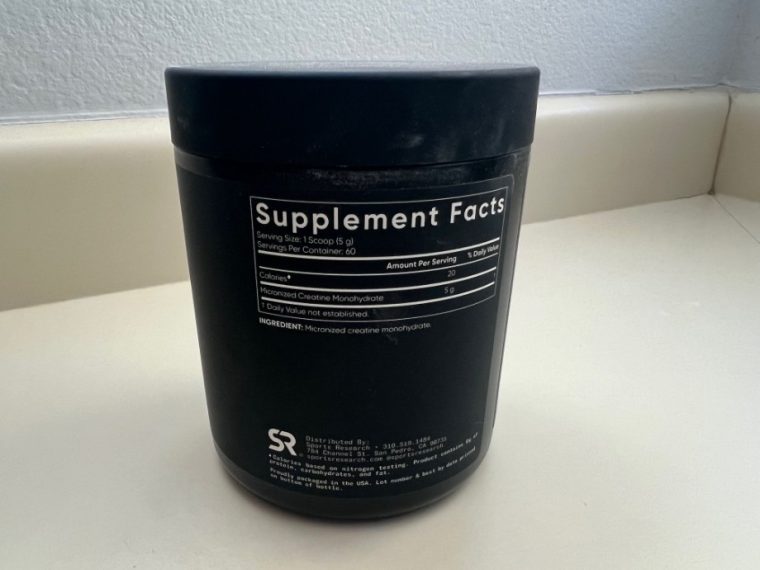
Why it stands out: An excellent choice for serious athletes, this product delivers 5 grams of creatine monohydrate per serving, an optimal dose for muscle gain and recovery. Its key differentiator is its Informed Sport Certification, guaranteeing that it has been rigorously tested for purity and freedom from banned substances. This makes it a trusted option for athletes who undergo drug testing. The use of micronized creatine contributes to its exceptional solubility.
User Experience: Testers gave it a perfect score for mixability, noting its truly tasteless nature and complete dissolution in water. While it only comes unflavored, its neutral profile makes it versatile for mixing with any beverage.
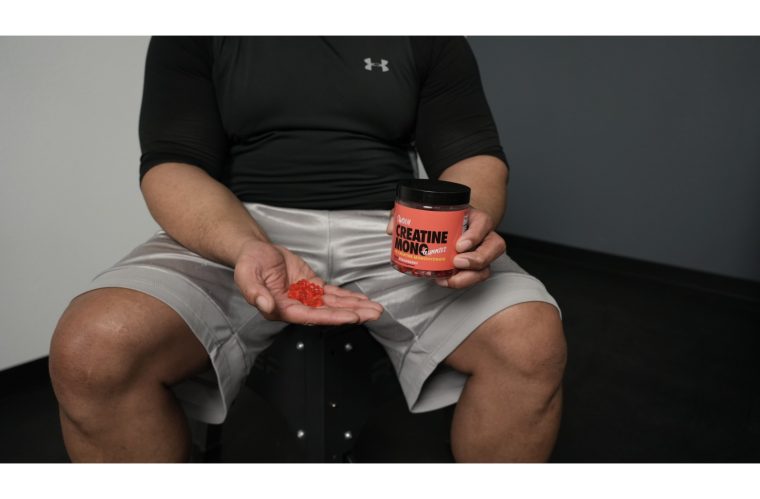
Swoly Creatine Mono Gummies
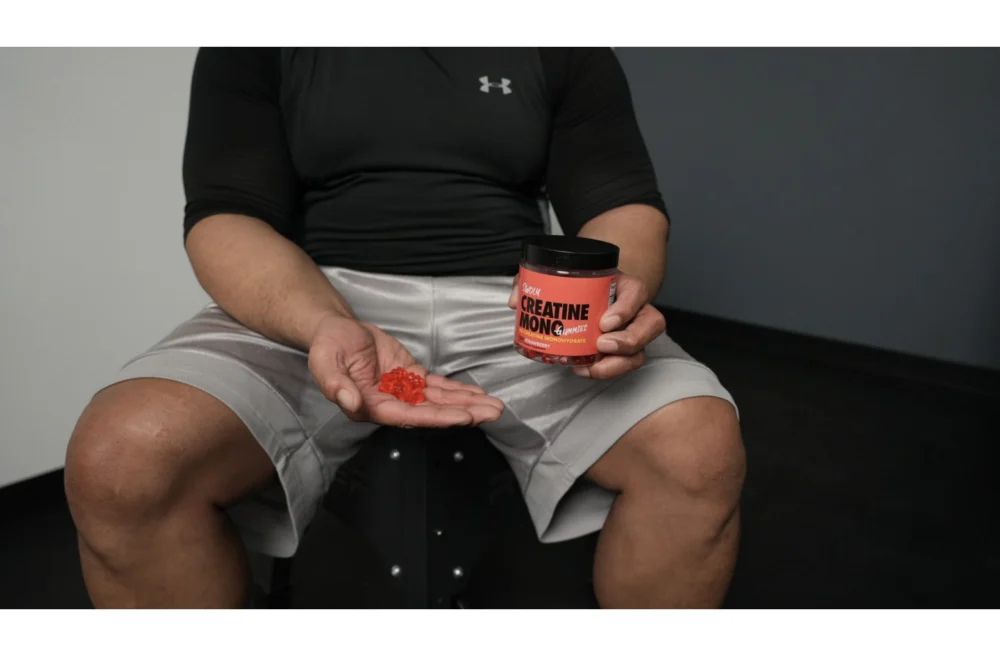
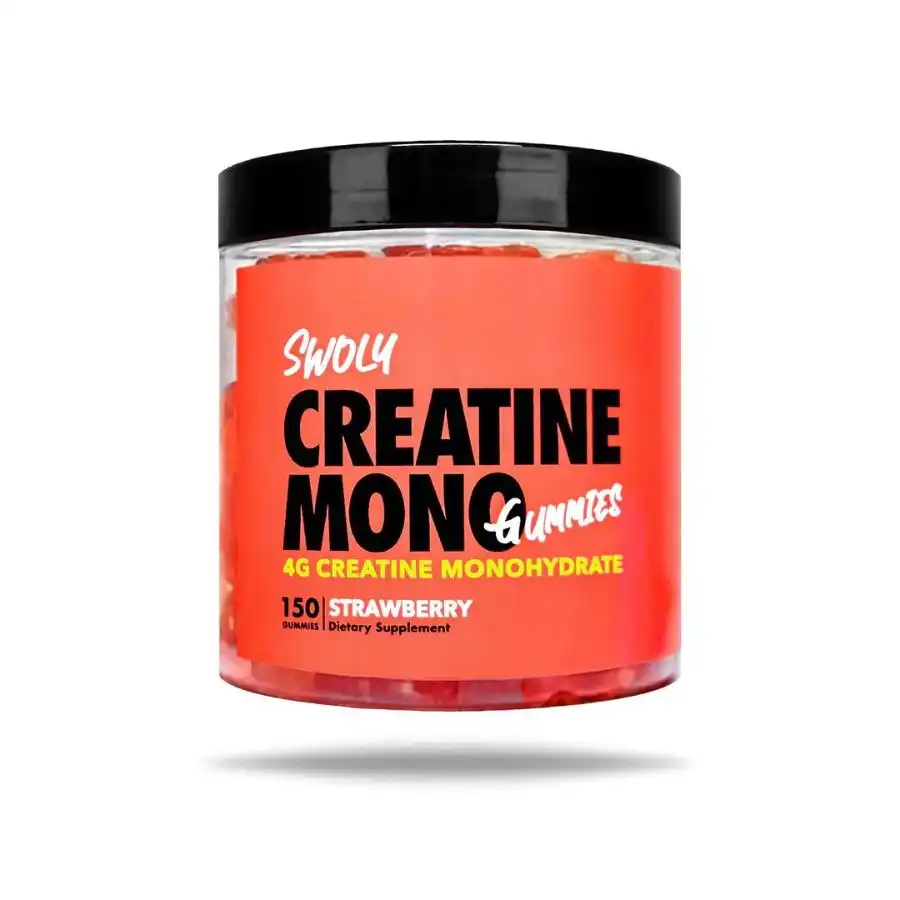
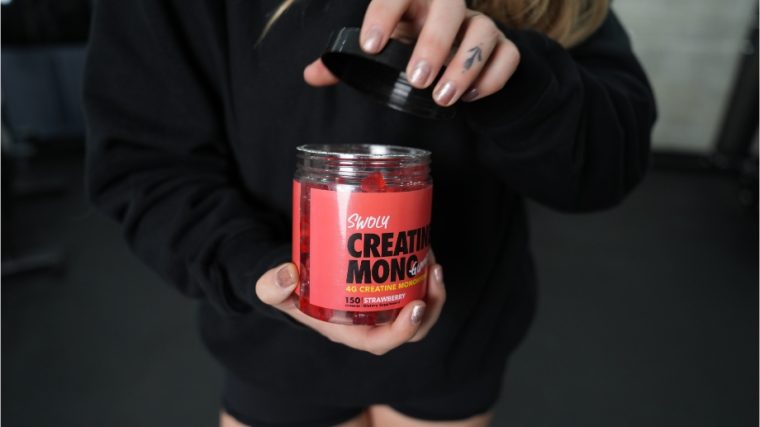
Why it stands out: For those who dislike powders or pills, Swoly Creatine Mono Gummies offer unparalleled convenience. These gummies are perfect for on-the-go athletes who want a discreet and tasty way to get their creatine. Each serving contains 4 grams of creatine monohydrate, making it a viable option for many, though larger individuals might need more than the recommended five gummies to hit their optimal dose.
User Experience: Testers raved about the delicious Strawberry flavor, describing them as "dangerously delicious" and akin to premium fruit snacks. The chewable format earned high marks for swallowability. However, users should be aware of the added sugars (sucrose, dextrose, maltodextrin) and artificial ingredients, which may not align with all dietary preferences. Transparency on third-party testing could also be improved.
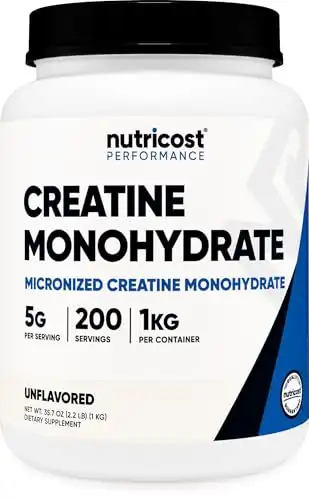
Nutricost Micronized Creatine Monohydrate
Why it stands out: An unbeatable option for budget-conscious fitness enthusiasts, Nutricost offers a high-quality creatine supplement at a remarkably low price point (around $0.20 per serving). It provides 5 grams of pure micronized creatine monohydrate per serving, ensuring effective muscle saturation. The brand states it is third-party tested, although more detailed information on the specific testing process would enhance transparency.
User Experience: Testers found it to be effective, with some noting no bloating, a common concern with some creatine products. It comes in several flavored options (Blue Raspberry, Fruit Punch, Pineapple Mango, Watermelon) in addition to unflavored, sweetened with sucralose. Its primary drawback was solubility, with testers reporting that the powder tends to settle, requiring multiple stirs.
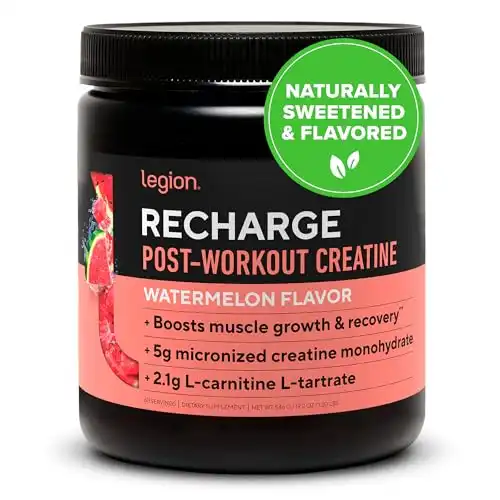
Legion Recharge Post-Workout
Why it stands out: If you prioritize flavor in your supplements, Legion Recharge is an excellent choice. It offers six distinct and highly-rated flavors, providing a pleasant post-workout experience. Beyond its taste, Recharge is formulated with 5 grams of micronized creatine monohydrate, ensuring effective dosage and easy mixing. It also includes 2.1 grams of L-carnitine, which aids in converting fat to energy, and 10.5 grams of corosolic acid, known for its potential to help regulate blood sugar.
User Experience: The Strawberry Lemonade flavor was particularly praised for its sweet yet tart profile and perfect solubility, with no clumps or sediment. While its comprehensive formulation is a plus, it comes at a higher price point (around $1.33 per serving), making it a premium option.
Optimum Nutrition Micronized Creatine Capsules
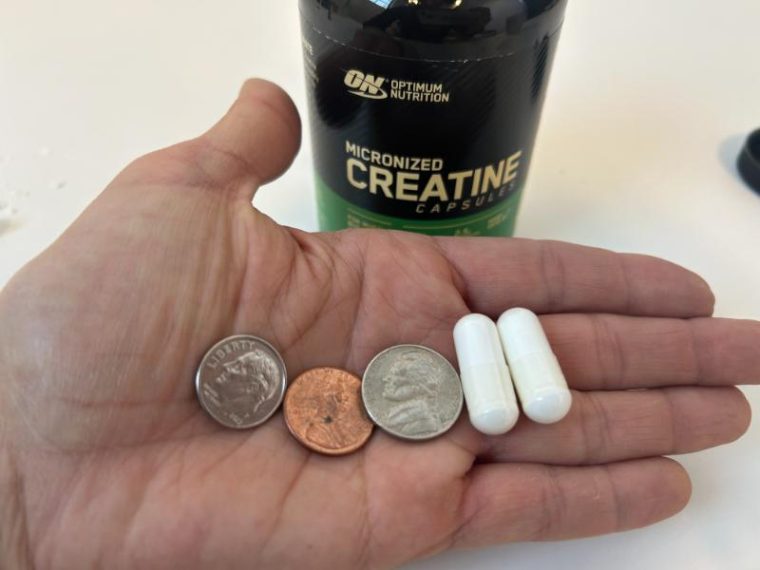
Why it stands out: For those who prefer the simplicity and convenience of pills over powders, Optimum Nutrition’s Micronized Creatine Capsules are an ideal solution. They are tasteless, easy to transport, and eliminate any mixing hassle. The capsules contain a simple ingredient list: creatine monohydrate, gelatin (making them non-vegan), and magnesium stearate.
User Experience: Testers found the capsules easy to swallow despite their relatively large size. Each serving (two capsules) provides 2.5 grams of creatine, meaning you’ll need to take two servings (four capsules) daily to reach the recommended 5-gram dose. This increases the cost per effective serving and might be a deterrent for individuals requiring higher doses, as a larger athlete might need to consume eight capsules (10 grams) to meet their specific needs.
Gnarly Creatine
Why it stands out: Gnarly Creatine is a standout for its commitment to purity and quality, utilizing CreaPure® creatine monohydrate. CreaPure® is widely recognized as the gold standard for creatine, manufactured in Germany to exceptionally high standards, ensuring maximum purity and effectiveness. Each serving delivers 5 grams of this premium creatine, making it an excellent choice for those focused on muscle growth and performance.
User Experience: This product boasts both NSF Certified for Sport and NSF Content Certified status, providing the highest level of assurance regarding purity, label accuracy, and freedom from banned substances – a critical factor for competitive athletes. While its solubility was noted as a minor drawback by some testers, who found it settled a bit, its unparalleled purity and effective dosage make it a top recommendation for serious gains.
Creatine Loading: Is it for You?
When you first start taking creatine, you might hear about a "loading phase." This strategy aims to rapidly saturate your muscle creatine stores.
A creatine loading phase typically involves taking a higher dose, usually between 20 to 25 grams per day, for about five to seven days. This daily dose is usually broken into smaller, 5-gram servings spread throughout the day to minimize potential gastrointestinal discomfort. After this initial loading period, you would then transition to a maintenance dose of 3 to 5 grams daily.
The rationale behind loading: Studies show that a loading phase can increase muscle creatine storage by 10% to 30% more quickly than a lower, consistent dose. This can accelerate the onset of creatine’s benefits, allowing you to experience enhanced performance within a week.
Is it necessary? While a loading phase can speed up the process, it’s not strictly essential. Research indicates that taking a consistent daily dose of 3 to 5 grams will achieve the same level of muscle saturation over a period of about three to four weeks. The long-term effects on muscle gain and performance are similar whether you load or not.
Considerations: If you’re eager to experience the benefits quickly and your digestive system tolerates it, a loading phase can be effective. However, if you’re prone to stomach upset or prefer a simpler regimen, a consistent daily dose is perfectly adequate. If you frequently take breaks from creatine for more than a few days, a mini-loading phase might be beneficial upon restarting to quickly replenish stores.
Safety First: Understanding Creatine’s Side Effects and Who Should Avoid It
Creatine’s extensive research portfolio not only confirms its efficacy but also its remarkable safety profile for the vast majority of healthy individuals.
Is Creatine Safe for Most?
Over hundreds of studies, creatine supplementation has consistently been shown to be safe for both short-term and long-term use in healthy individuals. Doses up to 30 grams per day have been safely consumed for periods extending up to five years without detrimental effects. Concerns about kidney damage or dehydration have been largely debunked by scientific evidence. When used responsibly and within recommended dosages, creatine is one of the safest and most effective supplements you can take.

Important Precautions and Considerations
While generally safe, a few practical considerations can optimize your experience with creatine:
- Adhere to Dosage: Always stick to the recommended dosages (3-5 grams daily, or a loading phase followed by maintenance). Excessive intake doesn’t provide additional benefits and may lead to mild gastrointestinal discomfort.
- Stay Hydrated: Creatine draws water into muscle cells. While this doesn’t typically cause dehydration in the body as a whole, maintaining adequate fluid intake is always good practice for overall health and performance, especially when exercising.
- Align with Goals: Before starting any supplement, consider if it truly aligns with your fitness objectives. Creatine is highly beneficial for strength, power, and muscle growth, but it may not be as critical for purely endurance-based activities like marathons.
Who Should Exercise Caution or Avoid Creatine?
While creatine is safe for most, certain individuals should either avoid it or consult a healthcare professional before use:
- Pre-existing Kidney or Liver Conditions: Individuals with impaired kidney or liver function should avoid creatine. The kidneys are responsible for filtering creatinine (a byproduct of creatine metabolism), and supplementing might place an undue burden on already compromised organs.
- Individuals on Certain Medications: If you are taking medications that affect kidney function, such as some blood pressure medications or regular doses of non-steroidal anti-inflammatory drugs (NSAIDs), consult your doctor.
- Individuals Under 18: While some research suggests creatine may be safe for adolescents, the long-term effects in this age group are not yet fully understood. Most experts recommend caution and consultation with a pediatrician or sports medicine specialist before use.
- Pregnant or Breastfeeding Women: Due to a lack of specific research in these populations, creatine supplementation is generally not recommended.
Always prioritize your health. When in doubt, a discussion with your doctor or a registered sports dietitian can provide personalized guidance based on your medical history and current health status.
Conclusion: Unlock Your Full Potential
Creatine has unequivocally earned its place as a cornerstone supplement in the fitness world. Far from being shrouded in myth or controversy, it stands as one of the most rigorously researched and scientifically validated compounds available for enhancing athletic performance, driving muscle growth, and accelerating recovery.
Whether you’re taking your first determined steps into the gym or you’re a seasoned enthusiast pushing the boundaries of your strength, integrating a high-quality creatine supplement into your regimen can be a powerful catalyst for achieving your fitness aspirations. By understanding its fundamental role in energy production, recognizing its multifaceted benefits, and making an informed choice from the diverse range of products available, you empower yourself to train harder, recover faster, and build the physique and performance you’ve always envisioned.
The path to unlocking your full potential is paved with consistent effort, smart training, and intelligent supplementation. Choose wisely, stay dedicated, and prepare to elevate your gains to new heights.
Frequently Asked Questions (FAQs)
What is micronized creatine?
Micronized creatine is a form of creatine monohydrate that has been processed into much finer particles. The primary benefit of this finer grind is improved solubility, meaning it mixes more easily and completely in liquids, reducing the gritty texture sometimes associated with standard creatine powder. However, scientific research indicates that micronized creatine is not significantly more bioavailable or absorbed more efficiently by the body than regular creatine monohydrate.
When is the best time to take creatine?
While creatine’s benefits are primarily cumulative over time (consistent daily intake is key), some research suggests that taking creatine after your workout might offer a slight advantage. This is because exercise increases blood flow to muscle tissue, which could marginally enhance creatine uptake. Additionally, consuming creatine with a meal or a drink containing carbohydrates can be beneficial, as the insulin response triggered by carbs helps facilitate the transport of creatine into muscle cells. Ultimately, the most crucial factor is consistent daily intake, regardless of the exact timing.
Is creatine bad for you?
In short, no. Extensive scientific research, including studies lasting for years, has consistently demonstrated that creatine monohydrate is safe for short-term and long-term use in healthy individuals. There is no scientific evidence to support claims that creatine causes kidney damage, liver problems, or significant dehydration in otherwise healthy users when taken at recommended dosages. As with any supplement, individuals with pre-existing health conditions should consult a healthcare professional before use.
How much creatine should I take?
For most individuals, the research-backed optimal dose of creatine is 3 to 5 grams per day. This consistent daily