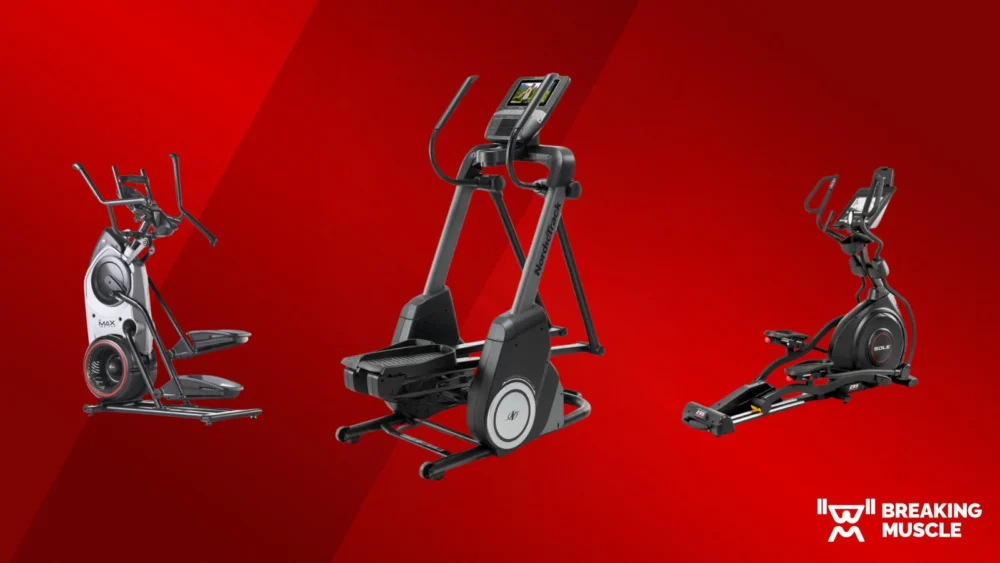
In the vast landscape of fitness equipment, finding a machine that delivers a comprehensive workout without compromising joint health can feel like searching for a hidden gem. Enter the elliptical trainer – a dynamic, low-impact cardio solution that has steadily risen in popularity, earning its place as a staple in both commercial gyms and home fitness spaces. For beginners taking their first steps into a more active lifestyle, or intermediate enthusiasts seeking to diversify their routine, the elliptical offers an unparalleled blend of cardiovascular conditioning, muscular engagement, and joint protection.
This article delves deep into the world of elliptical training, serving as your definitive guide to unlocking its full potential. We’ll explore why this versatile machine is a standout choice for achieving your fitness goals, provide actionable strategies for mastering your workouts, and equip you with the knowledge to select the perfect elliptical for your personal needs. Prepare to revolutionize your cardio routine and stride confidently towards a stronger, healthier you.
Why the Elliptical Stands Out in Your Fitness Arsenal
The elliptical machine offers a unique combination of benefits that make it an exceptional choice for a wide range of fitness levels and objectives. Its design addresses common concerns in exercise, providing solutions that other cardio machines often can’t match.
The Power of Low-Impact Movement
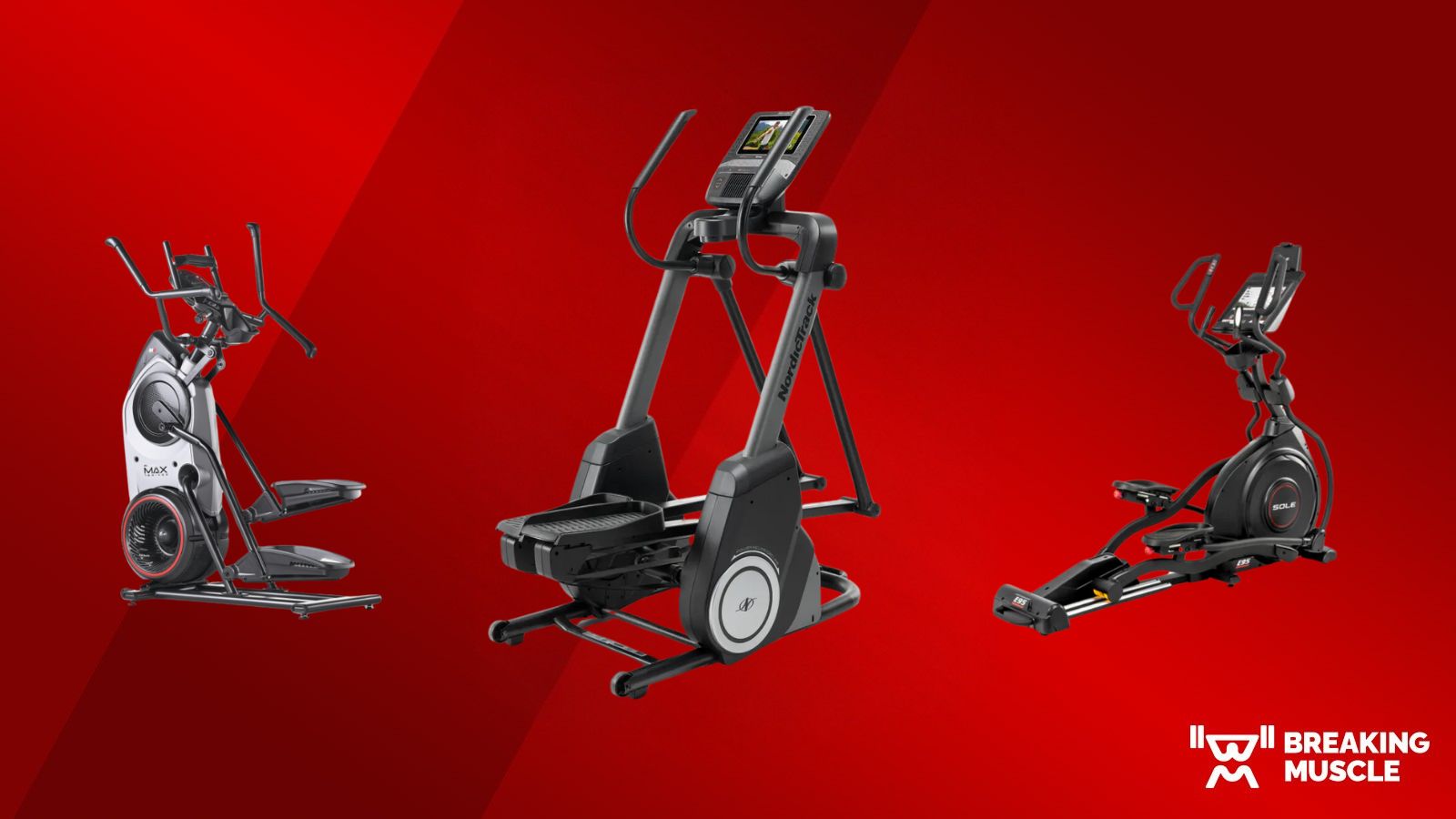
One of the most compelling advantages of the elliptical is its low-impact nature. Unlike running on a treadmill or pavement, where each foot strike sends jarring forces through your joints, the elliptical’s gliding motion keeps your feet perpetually in contact with the pedals. This minimizes stress on your knees, hips, ankles, and back, making it an ideal option for:
- Individuals with joint pain or conditions: Such as arthritis or recovering from injuries.
- Those prone to impact-related injuries: Offering a safer alternative for consistent cardio.
- Older adults: Providing effective exercise without the risk of falls or excessive strain.
- Anyone seeking a gentle yet effective workout: Perfect for active recovery days or lighter sessions.
This joint-friendly approach means you can enjoy longer, more frequent workouts without the typical wear and tear associated with high-impact activities.
A True Full-Body Engagement
While often categorized solely as a cardio machine, the elliptical delivers a surprisingly comprehensive full-body workout. Its synchronized arm handles engage your upper body muscles, creating a push-pull dynamic that complements the lower body’s pedaling action.
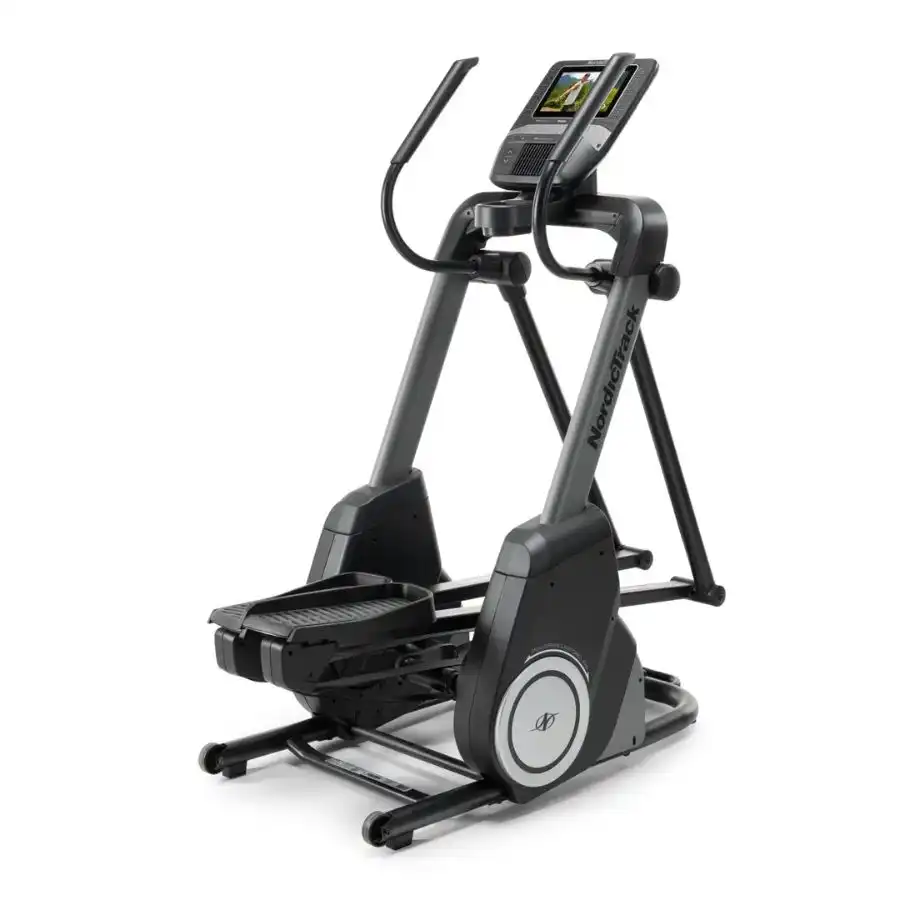
- Lower Body: Your glutes, hamstrings, quadriceps, and calves are continuously activated as you push and pull the pedals. Adjusting resistance and incline can further target specific muscle groups.
- Upper Body: The moving handlebars recruit your biceps, triceps, shoulders, and back muscles. Engaging your core throughout the movement helps stabilize your torso, contributing to a stronger midsection.
- Core: Maintaining an upright posture and coordinating the upper and lower body movements requires constant engagement from your abdominal and lower back muscles, strengthening your core stabilizers.
This simultaneous activation of multiple muscle groups means more calories burned, enhanced overall strength, and improved muscular endurance compared to lower-body-only cardio machines.
Versatility for Every Goal
Whether your aim is weight management, endurance building, or simply boosting your daily activity levels, the elliptical can be adapted to suit your specific aspirations.
- Cardiovascular Health: Regular elliptical sessions strengthen your heart and lungs, improving stamina and reducing the risk of cardiovascular disease.
- Calorie Burn: The full-body engagement and ability to vary intensity make the elliptical an excellent tool for creating a significant calorie deficit, crucial for weight loss.
- Endurance Training: Long, steady-state sessions at a moderate intensity can build your aerobic capacity.
- High-Intensity Interval Training (HIIT): Short bursts of maximum effort followed by recovery periods can dramatically improve fitness levels and accelerate fat loss.
- Rehabilitation: For individuals recovering from certain injuries, the controlled, non-weight-bearing movement can be a safe way to regain strength and mobility.
Convenience and Accessibility
Bringing the gym experience home, an elliptical machine offers unparalleled convenience. No more commuting, waiting for machines, or battling weather conditions.
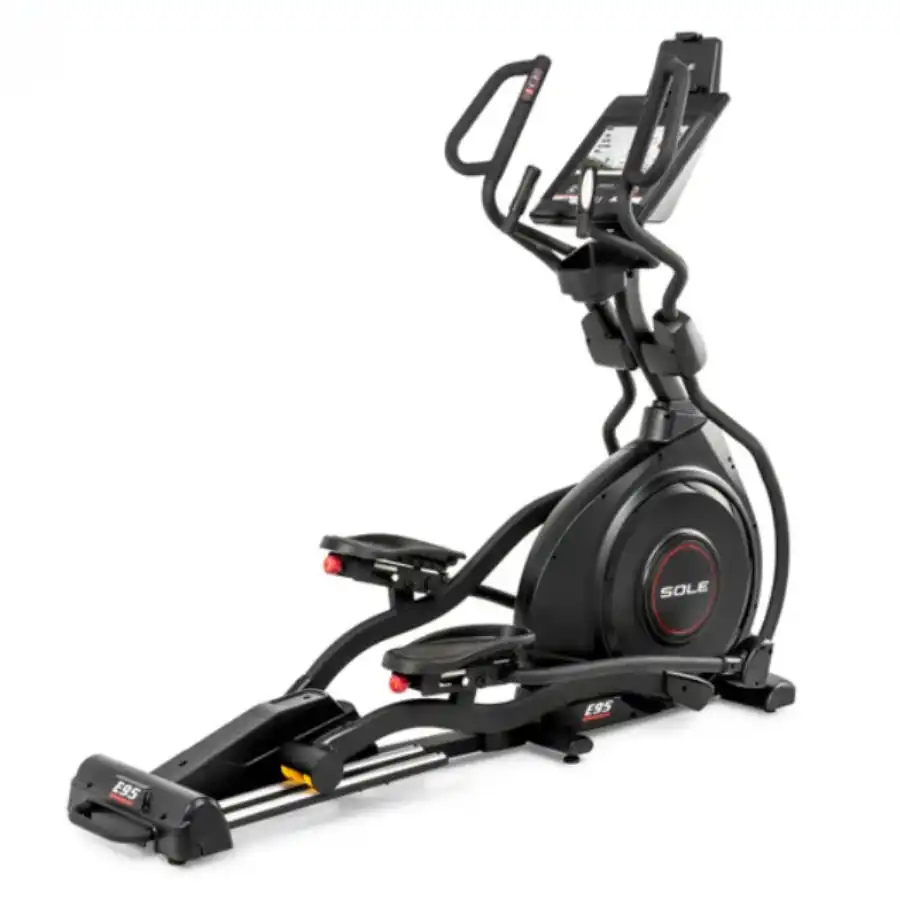
- Anytime, Anywhere: Work out on your schedule, whether it’s early morning, late night, or during a quick break.
- Privacy and Comfort: Enjoy your fitness journey in the comfort of your own home, free from distractions.
- Motivation: Many modern ellipticals come with integrated screens, virtual trainers, or compatibility with fitness apps, providing guided workouts and keeping your routine engaging.
This ease of access significantly lowers barriers to consistent exercise, making it easier to stick to your fitness commitments.
Mastering Your Elliptical Workout: Techniques and Strategies
To truly harness the power of the elliptical, understanding proper technique and varied workout strategies is essential. It’s not just about moving your legs; it’s about intentional engagement and smart programming.
Getting Started: The Fundamentals
Before you crank up the resistance, ensure your foundation is solid. Proper form is paramount for both effectiveness and injury prevention.
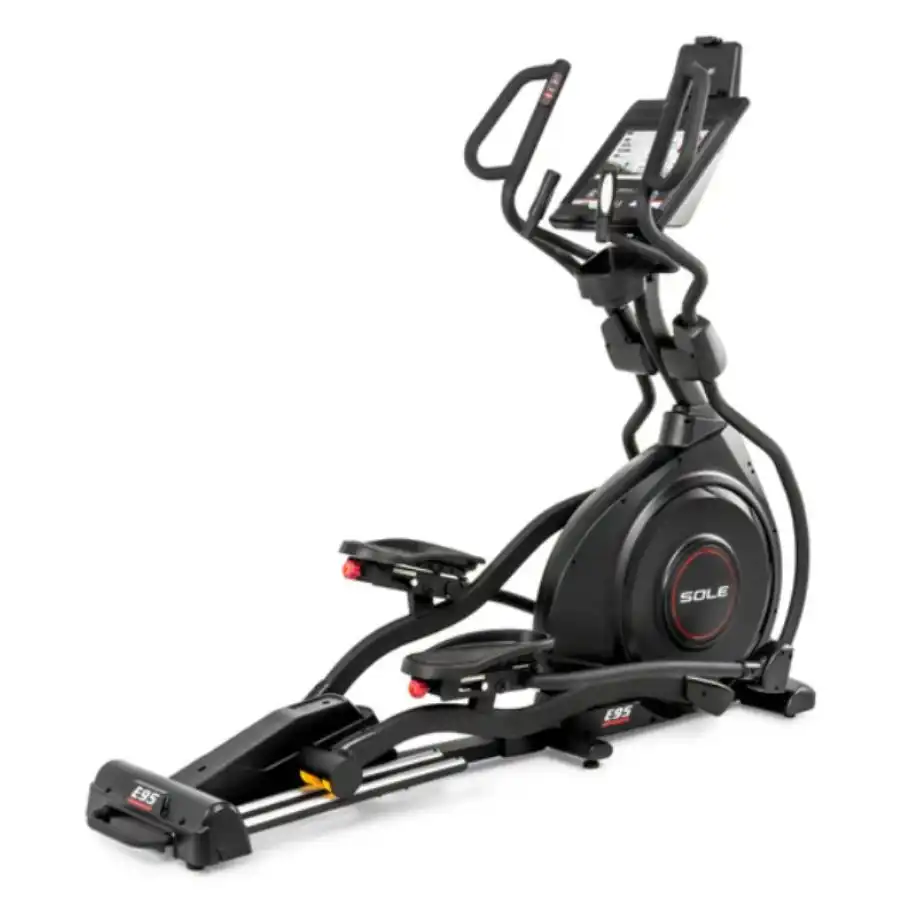
- Proper Posture: Stand tall with your chest lifted, shoulders relaxed and pulled slightly back. Avoid hunching over the console or leaning heavily on the handlebars. Keep your gaze forward, not down at your feet.
- Foot Placement: Position your feet centrally on the pedals. Some ellipticals have adjustable pedals; ensure they feel natural and comfortable. Avoid letting your heels lift excessively or letting your knees splay outward.
- Arm Engagement: Grip the moving handlebars firmly but not tightly. Use your arms to push and pull rhythmically, coordinating with your leg movements. This ensures a true full-body workout. If your machine has stationary handles, use them for balance only, focusing the effort on your legs.
- Warm-up Essentials: Always begin with a 5-10 minute warm-up. Start at a low resistance and slow pace, gradually increasing your speed. This prepares your muscles and cardiovascular system for the main workout, reducing the risk of strain.
- Finding Your Rhythm: The elliptical motion should feel smooth and fluid, not jerky or forced. Experiment with speed and resistance until you find a comfortable, consistent cadence that allows for controlled movement.
Crafting Effective Workout Routines
The elliptical’s versatility allows for a myriad of workout types. Here are a few to get you started:
-
Steady-State Cardio (SSC):
- Goal: Build aerobic endurance and burn calories efficiently.
- How: Maintain a moderate intensity for a prolonged period. You should be able to hold a conversation, but with some effort (a "talk test" where you can speak in full sentences but are slightly breathless).
- Duration: Aim for 30-60 minutes per session.
- Perceived Exertion: On a scale of 1-10 (1 being resting, 10 being maximal effort), aim for a 5-7.
- Actionable Advice: Listen to your favorite podcast or watch a show to make longer sessions more enjoyable. Focus on maintaining consistent form throughout.
-
High-Intensity Interval Training (HIIT):
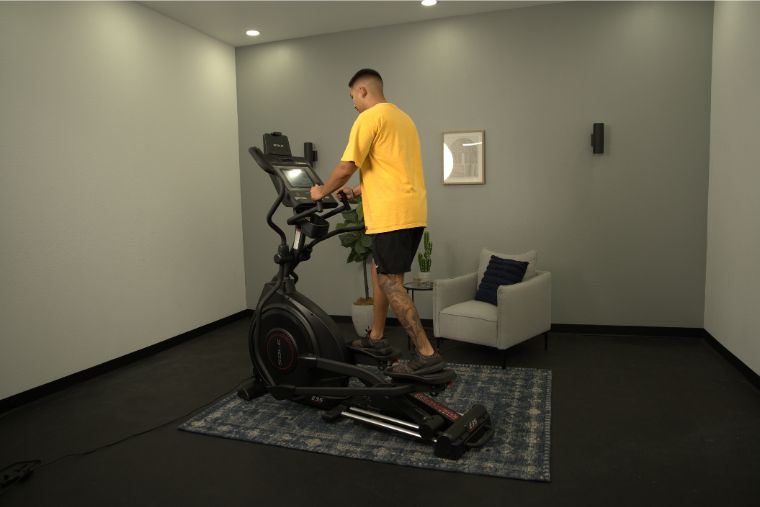
- Goal: Maximize calorie burn, improve cardiovascular fitness, and boost metabolism in a shorter time frame.
- How: Alternate between short bursts of maximum or near-maximum effort and brief recovery periods.
- Example Protocol (Beginner):
- 5-minute warm-up (low resistance, moderate pace).
- Work: 30 seconds of high-intensity effort (increase resistance and/or speed dramatically, aiming for 8-9 RPE).
- Rest: 90 seconds of low-intensity recovery (reduce resistance/speed, 3-4 RPE).
- Repeat 6-8 times.
- 5-minute cool-down (very low resistance, slow pace).
- Benefits: Highly effective for fat loss and improving anaerobic capacity.
- Actionable Advice: Push yourself during the work intervals. The discomfort is temporary, and the results are worth it. Start with fewer intervals and gradually increase as your fitness improves.
-
Incline and Resistance Variations:
- Goal: Target different muscle groups, increase intensity, and prevent plateaus.
- Resistance: Increasing resistance makes the pedaling harder, engaging your leg muscles more deeply and increasing calorie expenditure. It simulates climbing a hill.
- Incline (if available): Adjusting the ramp incline changes the angle of your stride, mimicking climbing steeper terrain. A higher incline will emphasize your glutes and hamstrings more, while a lower incline focuses more on quadriceps.
- How to Use: Incorporate resistance and incline changes into both steady-state and interval workouts. For example, during a steady-state session, gradually increase resistance every 5 minutes for a pyramid effect, then decrease.
Beyond the Basics: Advanced Tips
Once you’re comfortable with the fundamentals, explore these techniques to further challenge yourself and diversify your workouts.
- Reverse Pedaling: Don’t always go forward! Pedaling backward on the elliptical engages your hamstrings and glutes differently, offering a fresh stimulus and improving balance. Incorporate 5-10 minute segments of reverse pedaling into your routine.
- Focusing on Specific Muscle Groups:
- Glute Activation: Push through your heels and squeeze your glutes with each stride. A higher incline can also help.
- Quad Focus: Maintain a slightly more upright posture and push down through the balls of your feet.
- Upper Body Focus: Drive harder with the handlebars, making your arms do more of the work while your legs maintain a steady pace.
- Integrating Strength Components (Advanced): For experienced users, consider holding light dumbbells (1-3 lbs) while using the elliptical, performing bicep curls or tricep extensions during recovery periods or steady-state segments. This adds a light strength component, but ensure it doesn’t compromise your balance or form.
- Tracking Progress: Monitor your progress to stay motivated. Most ellipticals display metrics like distance, speed, calories burned, and time. If your machine has heart rate monitors, use them to stay within your target heart rate zones. Keep a workout log to see your improvements over time, whether it’s increasing duration, resistance, or the number of HIIT intervals.
Choosing Your Ideal Elliptical: A Buyer’s Guide
Investing in an elliptical for your home gym is a significant decision. With a multitude of options available, knowing what to look for can help you make an informed choice that aligns with your fitness goals and lifestyle.
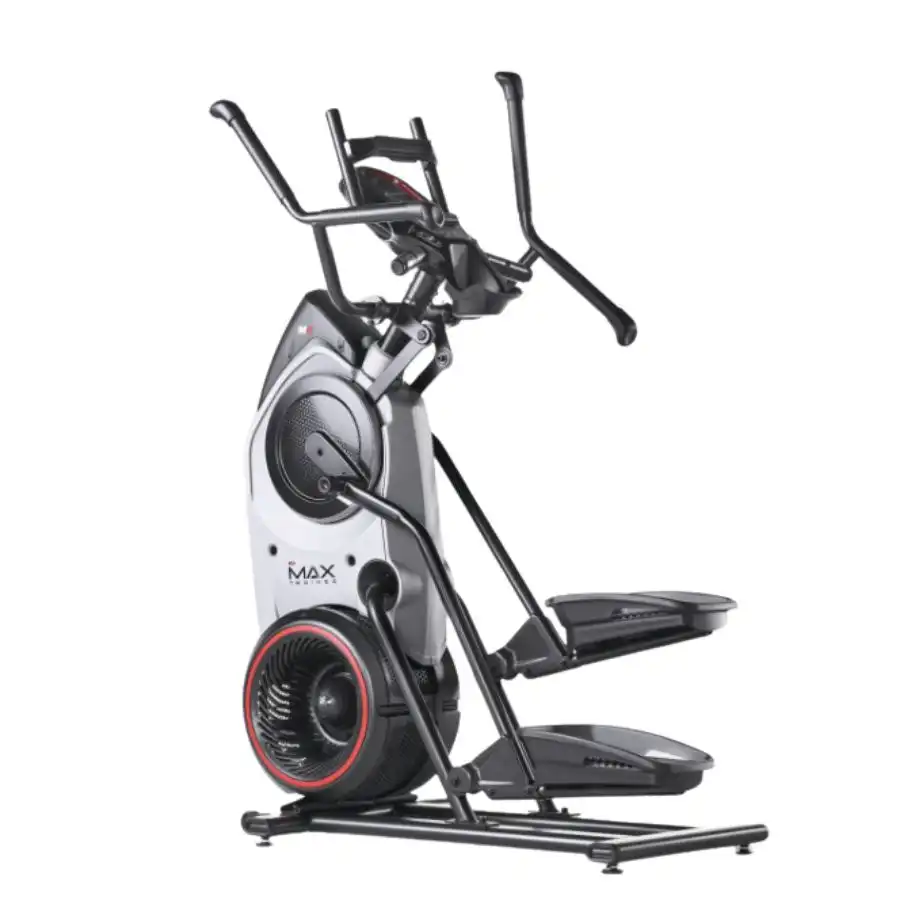
Understanding Key Specifications
The internal mechanics and structural design of an elliptical play a crucial role in its performance and your comfort.
- Flywheel Weight: The flywheel is the weighted disc that rotates as you pedal. A heavier flywheel (generally 18 lbs or more) provides a smoother, more fluid, and quieter motion. It contributes to a more natural stride and better overall stability, particularly at higher resistance levels. Lighter flywheels can feel choppier.
- Stride Length: This refers to the maximum distance the pedals move from front to back during a full rotation. It’s one of the most critical factors for comfort.
- Too short: Will feel like you’re shuffling or walking in place, uncomfortable for taller individuals.
- Too long: Can feel unnatural and over-stretch your stride.
- Most commercial-grade ellipticals offer a 18-20 inch stride length, which is suitable for the majority of users (5’3" to 6’0"). Taller individuals may prefer 20-22 inches, while shorter users might find 16-18 inches more comfortable. Some advanced models offer adjustable stride lengths.
- Resistance Levels: A wider range of resistance levels is crucial for progressive training. Look for at least 16-20 levels to ensure you can continually challenge yourself as your fitness improves. Magnetic resistance systems are generally preferred for their quiet operation and smooth transitions.
- Incline Options: While not all ellipticals offer incline, it’s a valuable feature for adding variety and targeting different lower body muscles (glutes, hamstrings). Adjustable incline allows you to simulate hill climbing, intensifying your workout without increasing speed.
Design and Ergonomics
Comfort and usability are paramount for long-term adherence to your fitness routine.
- Foot Pedals: Look for cushioned, oversized pedals that accommodate various foot sizes and provide a secure, non-slip surface. Articulating or adjustable pedals can pivot with your foot, reducing stress on your ankles and knees.
- Handlebars: Ensure both stationary and moving handlebars are well-placed and comfortable to grip. Multi-grip handlebars offer different hand positions, allowing for varied upper body engagement. The moving handlebars should move smoothly and feel natural with your stride.
- Console and Display: A clear, easy-to-read display is vital. It should provide essential workout metrics (time, distance, speed, calories, heart rate) at a glance. Backlit screens are beneficial for low-light environments. User-friendly controls for adjusting resistance and programs are also important.
Space, Budget, and Technology
Practical considerations like your living space and financial investment will narrow down your choices.
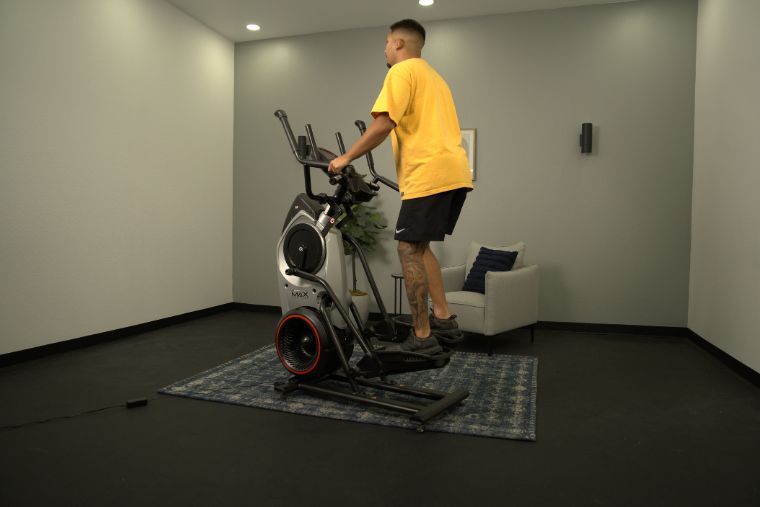
- Footprint: Ellipticals can be quite large. Measure your available space carefully, including ceiling height, to ensure the machine fits comfortably. Consider models with a smaller footprint or foldable designs if space is a premium.
- Price Range: Ellipticals vary widely in price, from a few hundred dollars for basic models to several thousand for high-end, feature-rich machines.
- Entry-level (under $500): Often have lighter flywheels, shorter stride lengths, and fewer features. Good for occasional, light use.
- Mid-range ($500-$1500): Offer a better balance of features, durability, and comfort, suitable for regular home use.
- Premium ($1500+): Boast heavy-duty construction, advanced technology, extensive programs, and superior ergonomics, ideal for serious enthusiasts or multiple users.
- Smart Features and Connectivity: Many modern ellipticals offer integrated technology.
- Bluetooth Connectivity: For heart rate monitors or syncing with fitness apps.
- Guided Workouts: Built-in programs, virtual trainers, or compatibility with subscription services (e.g., interactive streaming platforms).
- Entertainment: Tablet holders, USB charging ports, integrated speakers, or even web browsers for streaming.
- Decide which technological integrations are "must-haves" for your motivation and enjoyment.
- Build Quality and Warranty: A sturdy steel frame is indicative of durability. Check the maximum user weight capacity to ensure it can safely support you. Review the warranty carefully:
- Frame: Ideally 10 years or lifetime.
- Parts: 2-5 years.
- Labor: 1 year.
A good warranty reflects the manufacturer’s confidence in their product’s longevity.
Maximizing Your Elliptical Journey: Holistic Fitness Advice
An elliptical machine is a powerful tool, but it’s just one piece of the larger fitness puzzle. To truly maximize your results and achieve sustainable health, consider how your elliptical training integrates with other aspects of a healthy lifestyle.
Fueling Your Performance
What you eat directly impacts your energy levels, recovery, and overall progress.
- Balanced Nutrition: Focus on a diet rich in whole foods: lean proteins for muscle repair, complex carbohydrates for sustained energy, and healthy fats for essential functions.
- Hydration: Drink plenty of water throughout the day, especially before, during, and after your workouts. Dehydration can severely impact performance and recovery.
- Timing: Consume a light, easily digestible snack (like a banana or a handful of nuts) an hour or so before your workout for optimal energy. Refuel with protein and carbs post-workout to aid recovery.
Complementary Training
While the elliptical provides excellent cardio and some muscular endurance, it’s not a complete strength-building solution.
- Strength Training: Incorporate 2-3 sessions of full-body strength training per week. This builds muscle mass, which boosts metabolism, improves bone density, and enhances overall functional