Stepping into the gym with the wrong footwear is like trying to build a house on sand – it’s unstable, inefficient, and ultimately, detrimental to your progress. For many, the quest for the perfect gym shoe can feel overwhelming. With an endless array of designs, technologies, and marketing jargon, how do you discern what truly matters for your fitness journey? Fear not, aspiring athlete! We’re cutting through the noise to bring you expert insights that will equip you with the knowledge to choose footwear that propels your workouts from good to exceptional.
We’ve consulted with seasoned professionals, including exercise physiologist and strength coach Dr. Pat Davidson, and MH fitness director Ebenezer Samuel, C.S.C.S., to demystify the world of gym shoes. They’ll guide you through the nuances of different training styles, the critical role of footwear stability, and how to identify a shoe that’s built to last and support your every move.
The Foundation of Your Fitness: Why Shoes Matter
Think of your shoes as the critical interface between your body and the gym floor. They are the first point of contact for every squat, every lunge, every sprint, and every lift. The right pair doesn’t just offer comfort; it enhances your performance, improves your technique, and crucially, helps prevent injuries.
Key Roles of Proper Gym Footwear:
- Stability: Provides a stable base for compound movements, allowing you to generate maximum force.
- Support: Cushions impact and offers arch support, reducing fatigue and strain.
- Traction: Grips the floor, preventing slips and ensuring secure footing.
- Durability: Withstands the rigors of intense training, from plyometrics to heavy lifting.
- Performance Enhancement: Specific features can improve biomechanics for certain exercises.
Understanding the Spectrum: From Weightlifting to Deadlifts
The beauty of fitness lies in its diversity, and so too does the footwear designed to support it. Your primary training focus will significantly influence the type of shoe that best serves you.
The Power of the Lift: When Stability is Paramount
When your workout regimen leans heavily on compound movements like squats, presses, and overhead lifts, stability becomes your non-negotiable priority.
Squatting for Success: The Heel-Lift Advantage
Dr. Davidson highlights a crucial biomechanical advantage provided by shoes with a raised heel: enhanced squat depth and torso uprightness. This elevation allows you to achieve a more effective squat position, promoting better activation of your quadriceps and glutes.

- How it Works: The heel lift subtly shifts your center of gravity, enabling a more upright torso and deeper range of motion in your squat. This can translate to significant improvements in lifting mechanics.
- Weightlifting Shoes: These specialized shoes are engineered with a built-in heel wedge, offering both elevation and exceptional stability. They often feature straps for a secure lockdown, ensuring your foot remains firmly planted throughout the lift.
Practical Tip: If you don’t have weightlifting shoes, you can experiment with small, flat plates or wedges under your heels during squats to feel the difference. However, for consistent and optimal results, a dedicated weightlifting shoe is recommended.
Deadlifts and Hinge Movements: The Flat is Fundamental
Conversely, exercises that involve heavy hinging, such as deadlifts, demand a different approach to footwear. Ebenezer Samuel emphasizes the importance of a shoe that allows your heel to be as close to the ground as possible.
- Why Flat is Key: A flatter sole promotes a direct connection with the floor, enabling you to generate maximum force by driving your heels down. This minimizes any energy leaks and ensures efficient power transfer.
- Minimalist Footwear: Shoes with a very low heel-to-toe drop, or even barefoot on a suitable surface, can be highly beneficial for deadlifts. This allows for a more natural and powerful engagement of the posterior chain.
Real-Life Example: Samuel notes a significant drop in his deadlift numbers when he’s not wearing minimalist footwear, illustrating the profound impact even millimeters of sole thickness can have on maximal strength.
The Versatility of the All-Rounder: Training Shoes for Mixed Workouts
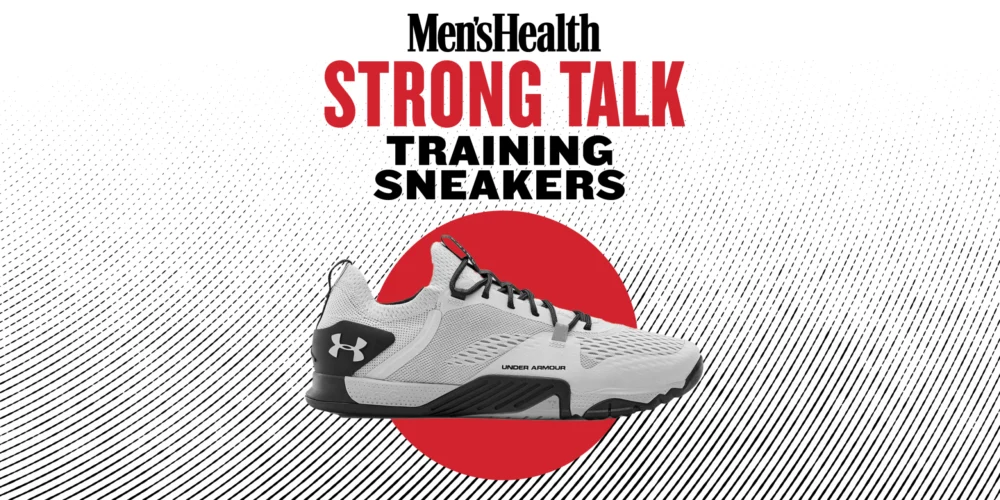
For the majority of gym-goers who engage in a variety of activities – from cardio and circuit training to light lifting and functional movements – a good quality training shoe is often the most practical choice.
- Balancing Act: Training shoes aim to strike a balance between stability and cushioning. They offer enough support for moderate lifting while providing sufficient shock absorption for dynamic movements.
- Key Features to Look For:
- Flat, Firm Midsole: Provides a stable platform for lifts.
- Responsive Cushioning: Absorbs impact during jumps and sprints without being overly soft.
- Durable Outsole with Grip: Ensures traction across various gym surfaces.
- Secure Upper: Offers good lockdown to prevent foot slippage within the shoe.
Actionable Advice: If your workouts are varied, prioritize a training shoe that feels stable for your lifting sessions and comfortable for your cardio. Don’t be afraid to test them out with a few quick movements in the store.
Beyond the Lift: Footwear for Specific Activities
While the focus is often on lifting, other gym activities have their own footwear considerations.
- Running: Dedicated running shoes are designed with advanced cushioning and flexibility for the repetitive impact of running. They are generally not ideal for weightlifting due to their softer soles and lack of lateral stability.
- Cross-Training: These shoes are built for a wider range of movements, including lateral agility, jumping, and short bursts of running, making them a good option for those who engage in diverse fitness classes or HIIT workouts.
The Expert’s Checklist: How to Judge a Gym Shoe
Before you commit to a pair, put them to the test. Dr. Davidson and Samuel offer practical tips for assessing a shoe’s quality and suitability.

The "Crush Test": Assessing Heel Support
A simple yet effective test for heel support involves using your fingers to gently crush the back of the shoe.
- What to Look For: A shoe that provides a firm, unyielding heel counter is ideal. If the heel easily collapses under pressure, it’s likely to lack the necessary support for strenuous activity.
- Why it Matters: A robust heel counter prevents excessive heel movement, which is crucial for maintaining stability during lifts and reducing the risk of ankle sprains.
The Midsole Bend: Flexibility and Functionality
The flexibility of the shoe’s midsole can tell you a lot about its intended purpose and how it will interact with your foot’s natural mechanics.
- The Ideal Bend: Dr. Davidson prefers shoes that bend primarily at the ball of the foot. This mimics the natural flexion of the human foot during movement, allowing for a more fluid and efficient stride.
- What to Avoid: Shoes that bend easily in the arch or midfoot may not offer sufficient support for dynamic activities and can lead to inefficient energy transfer.
Understanding Your Foot’s Unique Blueprint
Your foot’s structure is as individual as your fingerprint, and this plays a significant role in finding the perfect shoe.
- Wide vs. Narrow: Dr. Davidson, for instance, has a wider toe box and finds success with shoes that accommodate this, like certain models known for their generous width. This highlights the importance of considering your foot’s natural shape.
- Arch Support: If you have high arches or flat feet, look for shoes that offer appropriate arch support to promote proper alignment and reduce strain.
Practical Tip: Don’t hesitate to try on multiple brands and models. What works for one person might not work for another. Pay attention to how the shoe feels on your foot – no pinching, no excessive rubbing, and a comfortable overall fit.
Real-World Recommendations: Trusted Footwear for Diverse Needs
While we avoid brand endorsements, understanding the types of shoes that excel in different categories can be invaluable.
- For the Wide-Footed Athlete: Look for shoes specifically designed with a wider toe box. These often provide superior comfort and prevent the pinching sensation that can occur in narrower shoes. Some popular training shoe lines are known for offering wider options.
- For the Classic Comfort Seeker: Some shoes have earned a reputation for their straightforward comfort and supportive design, often referred to colloquially. These tend to have a robust, no-frills construction that appeals to those who prioritize a stable and comfortable experience for everyday gym use.
- For the Versatile Trainer: Shoes that blend the stability of a lifting shoe with the cushioning of a running shoe are ideal for those who engage in a variety of workouts. These often feature a balanced midsole and a durable outsole designed for multi-directional movement.
The Bottom Line: Invest in Your Performance
Choosing the right gym shoe is not a superficial decision; it’s a strategic investment in your health, performance, and longevity in the fitness world. Don’t let outdated or ill-fitting footwear hold you back. By understanding the principles of biomechanics, considering your primary training style, and employing a discerning eye when testing shoes, you can find the perfect partner for every stride, every lift, and every personal best.
Your fitness journey is unique, and so should be your footwear. So, step with confidence, knowing that you’ve made an informed choice that will support your dedication and propel you towards your goals. Now, go forth and conquer your next workout, one perfectly supported step at a time!