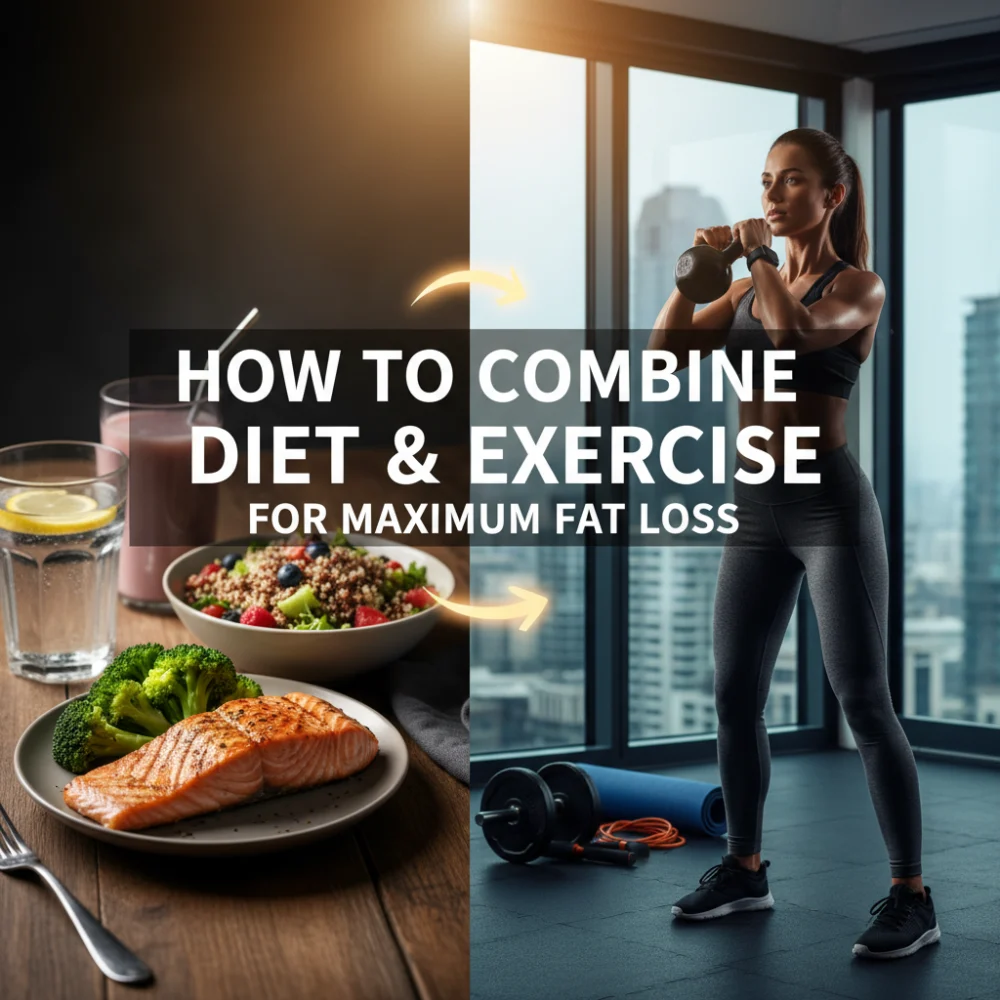
The quest for significant and sustainable fat loss often leads individuals down confusing paths, focusing heavily on either extreme calorie restriction or grueling, high-intensity workouts. However, the proven formula for maximizing fat reduction lies not in isolation, but in the powerful synergy created when a well-structured diet is perfectly aligned with a consistent exercise regimen.
Understanding the Energy Balance Equation: At its core, fat loss is governed by the principle of a caloric deficit. You must expend more energy than you consume. Diet is the primary lever for controlling energy intake, while exercise is the primary driver for increasing energy expenditure. Neglecting one side of this equation severely limits the effectiveness of the other.
The Foundational Role of Nutrition in Fat Loss
Nutrition dictates approximately 70-80% of your success in losing body fat. Exercise burns calories, but diet controls the volume of those calories entering your system. A moderate caloric deficit, typically 300-500 calories below your Total Daily Energy Expenditure (TDEE), is recommended for sustainable fat loss without sacrificing muscle mass or energy levels for training.
Macronutrient Optimization: Protein is Paramount: When aiming for fat loss, protein intake must be prioritized. Adequate protein (often 0.8 to 1.2 grams per pound of target body weight) is crucial for two main reasons: it has a higher thermic effect of food (TEF), meaning your body burns more calories digesting it, and it preserves lean muscle mass during a deficit.
- Carbohydrates: Should be timed strategically around workouts to fuel performance. Focus on complex, high-fiber sources like whole grains, vegetables, and legumes.
- Fats: Essential for hormone production and satiety. Healthy fats (avocados, nuts, olive oil) should make up about 20-30% of total daily calories.
- Hydration: Often overlooked, proper water intake supports metabolism, satiety, and athletic performance.
The Exercise Component: Stimulating Energy Expenditure and Muscle Retention
While diet sets the deficit, exercise provides the necessary stimulus to ensure that the weight lost is primarily fat, not muscle. This involves a strategic blend of cardiovascular training and resistance training.
Resistance Training: The Muscle Preservation Tool: Lifting weights, or engaging in bodyweight resistance exercises, sends a powerful signal to the body to retain metabolically active muscle tissue, even when calories are restricted. Muscle mass keeps your resting metabolic rate (RMR) higher, meaning you burn more calories 24/7.
Cardiovascular Exercise: Calorie Burn Enhancement: Cardio increases your daily energy expenditure. The debate between steady-state cardio (LISS) and high-intensity interval training (HIIT) is best resolved by incorporating both based on recovery capacity. HIIT is highly efficient for burning calories in a short time and can boost post-exercise oxygen consumption (EPOC).
Harmonizing Diet Timing and Workout Schedule
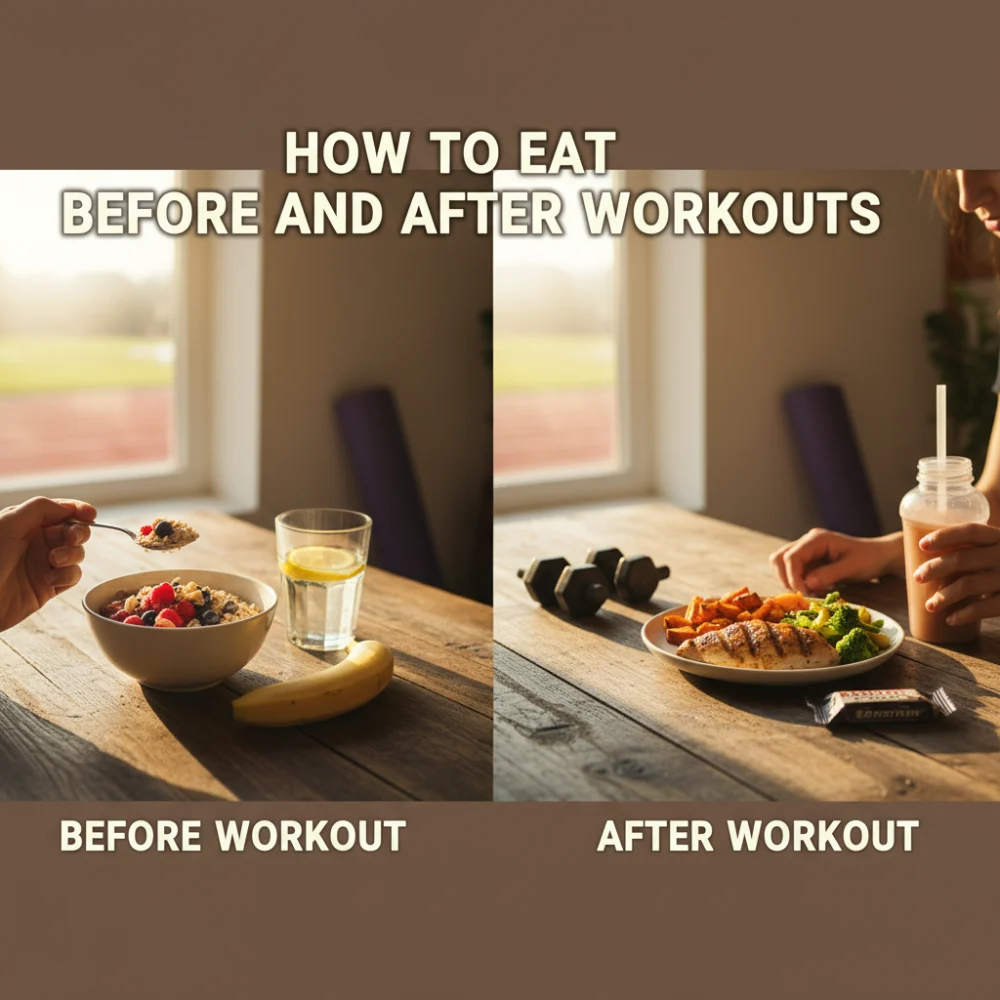
The timing of your nutrition relative to your exercise sessions significantly impacts performance and recovery. Pre-workout nutrition should focus on readily available energy (carbohydrates), while post-workout nutrition should emphasize protein synthesis and glycogen replenishment.
Nutrient Timing Strategy: Consuming a meal containing both protein and carbohydrates 1-2 hours before training ensures you have the energy to perform well, leading to a greater overall calorie burn during the session. Post-workout, a protein dose within the first hour helps kickstart muscle repair.
Addressing Common Pitfalls in Combining Diet and Exercise
A frequent mistake is overcompensating for exercise with food intake. People often vastly overestimate the calories burned during a workout (e.g., a 30-minute jog might burn 300 calories, easily negated by one large sports drink or energy bar).