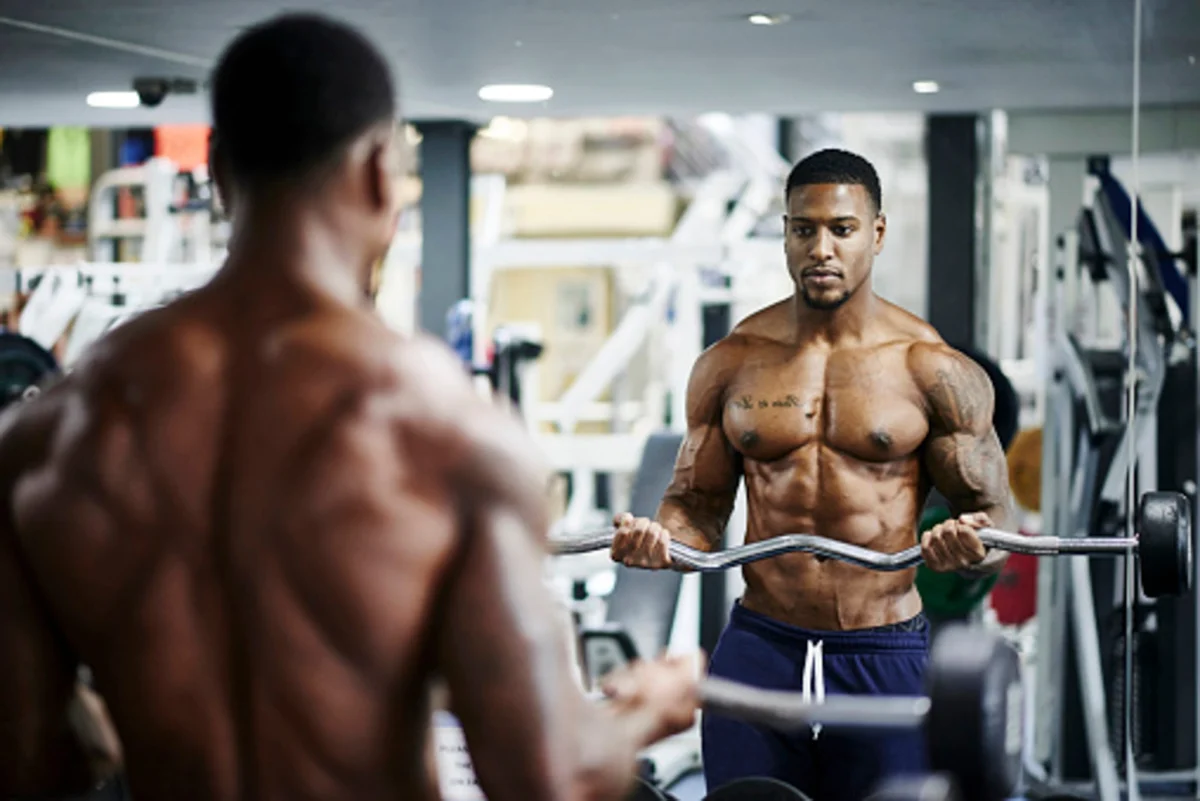
In the dynamic world of fitness, a persistent debate often surfaces: aesthetics versus function. On one side, we see the dedication to building impressive "mirror muscles" – those visible slabs of muscle that draw admiration. On the other, the unwavering focus on functional strength, emphasizing movement, athleticism, and long-term health. It’s easy to fall into the trap of thinking these two pursuits are mutually exclusive, that chasing a sculpted physique inherently compromises your ability to live a long, healthy, and active life.
But what if we told you that this perceived dichotomy is, in large part, a myth? What if the very act of building those coveted "mirror muscles" could, in fact, be a powerful engine for longevity and enhanced functional capacity? It’s time to bridge the gap and understand how you can achieve both the physique you desire and the enduring health you deserve.
The Misconception: Are "Mirror Muscles" the Enemy of Longevity?
The narrative often presented is that focusing solely on aesthetics leads to stiffness, imbalances, and a disregard for how your body truly moves. We see anecdotal evidence, like a bodybuilder admitting to "relearning how to move like a human again" after years of intense hypertrophy training. We hear influencers championing "function over aesthetics," warning of "serious gaps" in training regimens that prioritize visual appeal.
This perspective suggests that those who aim to build bigger arms, a broader back, or more prominent chest muscles are neglecting the fundamental movements that underpin everyday life and long-term well-being. It paints a picture of individuals so fixated on their reflection that they become functionally compromised.
However, this is an oversimplification, and frankly, a disservice to the multifaceted benefits of dedicated strength training. The truth is, muscle itself is a critical organ of longevity. Regardless of your primary training motivation, building muscle mass and strength through consistent, progressive training inherently contributes to a healthier, more robust future.
The Undeniable Link: How Aesthetics Fuels Function
Let’s reframe the conversation. Your "mirror muscles" are not just for show; they are integral to how you move, perform, and age. Consider these points:
- Grip Strength and Longevity: Those sculpted biceps and forearms you’re working on? They directly translate to improved grip strength. Research has consistently shown grip strength to be a significant indicator of overall health and longevity. A stronger grip means better ability to perform daily tasks, from carrying groceries to opening jars, and it’s a powerful marker of physical resilience.
- The Power of the Back: The much-admired "V-taper" physique, characterized by broad lats and a narrower waist, isn’t just visually appealing. Building a strong back, particularly the latissimus dorsi muscles, plays a crucial role in shoulder health and stability. This can help bulletproof your shoulders against injuries, allowing for a greater range of motion and reducing the risk of pain and dysfunction as you age.
- The "Hockey Butt" Phenomenon: The popularization of the term "hockey butt" highlights the aesthetic appeal of well-developed glutes. But beyond aesthetics, the glutes are the powerhouse of all athleticism. They are essential for explosive movements, running, jumping, and maintaining proper posture. Training your glutes for size and strength directly enhances your functional capacity in countless activities.
- Core Strength as a Foundation: While often associated with aesthetics, a strong and well-defined midsection is paramount for functional movement. Exercises that target the abdominal muscles, oblique, and lower back not only contribute to a sculpted look but are vital for stabilizing the spine, improving balance, and preventing injuries.
As Dr. Pat Davidson, a leading voice in strength and longevity, emphasizes, training the muscles on both the front and back of your body – the "mirror muscles" and their functional counterparts – is crucial for effectively countering the forces of gravity and maintaining an upright, active posture throughout life.
The perceived conflict between aesthetic and functional training often arises at highly advanced levels. For the beginner and intermediate enthusiast, however, the overlap is significant. Even exercises primarily aimed at aesthetic development, like bicep curls, engage smaller supporting muscles that contribute to larger, multi-joint movements considered "functional." Powerlifters, for instance, meticulously train their triceps not just for a bigger bench press, but because those same muscles are essential for everyday actions like standing up from a chair.
Why the Bad Rap? Understanding the Nuance
So, if the benefits are so intertwined, why the persistent criticism of aesthetic-focused training? Andy Speer, a well-known fitness instructor, suggests that "mirror muscle" training gets a bad rap because it’s easy to fall into a rut. Focusing exclusively on isolated exercises like biceps curls without incorporating more demanding, compound movements can indeed lead to imbalances and limitations.
The key isn’t to abandon aesthetic goals, but to ensure that your pursuit of them is integrated into a well-rounded fitness program. This means:
- Prioritizing Compound Movements: While isolation exercises have their place, they should complement, not replace, fundamental compound lifts like squats, deadlifts, presses, and rows. These movements engage multiple muscle groups simultaneously, promoting overall strength and functional capacity.
- Progressive Overload: The cornerstone of any effective strength training program, progressive overload – gradually increasing the demands placed on your muscles over time – is essential for both muscle growth and strength development. This principle applies whether your goal is to fill out your t-shirt or to lift heavier weights.
- Balancing Your Strengthspan: Fitness expert Ebenezer Samuel, C.S.C.S., advocates for developing your "Strengthspan" – the full spectrum of physical capacities needed for healthy aging. This includes strength, power, endurance, mobility, and balance. A well-designed program will incorporate elements that address all these areas.
Ultimately, the most important factor is consistency. Whatever motivates you to step into the gym and move your body is a significant victory. For many, the visual feedback of seeing their body transform is a powerful motivator. As Peter Elias, a 53-year-old software salesman who has lifted weights for decades, attests, even with goals focused on golf and "life fitness," the sight of strong pecs and biceps in the mirror provides the impetus to get back to training after a busy spell. This personal drive is a valid and effective form of motivation.
Three Moves to Sculpt and Strengthen: Bridging Aesthetics and Function
The good news is that you don’t have to choose. You can build the physique you desire while simultaneously enhancing your functional capacity and laying the groundwork for a long, healthy life. Here are three powerful exercises that effectively target "mirror muscles" while contributing to your overall Strengthspan:
1. Half-Kneeling Shoulder Press
Why it Works: This exercise is a powerhouse for building sculpted shoulders and triceps, but its benefits extend far beyond aesthetics. According to fitness director Ebenezer Samuel, C.S.C.S., the half-kneeling shoulder press is also one of the most underrated core strengthening exercises. Your abdominal muscles are forced to work overtime to stabilize your spine and prevent your torso from tipping as you press the weight overhead. This builds a strong, resilient core that is essential for everyday movement and injury prevention.
How to Do It:
- Start in a half-kneeling position, with one knee on the ground and the other foot flat on the floor in front of you, forming roughly a 90-degree angle at both knees.
- Hold a dumbbell or kettlebell in the hand on the same side as your front foot.
- Engage your core and glutes to create a stable base.
- Press the weight straight overhead, ensuring your back remains neutral and you don’t arch excessively.
- Slowly lower the weight back to the starting position.
- Complete all reps on one side before switching to the other.
Sets and Reps: Aim for 3 sets of 8 repetitions per side.
2. Kettlebell Swing
Why it Works: The kettlebell swing is a cornerstone of functional fitness for a reason. It’s an explosive, full-body movement that powerfully engages your glutes, hamstrings, and entire posterior chain – the muscles responsible for generating force and propelling you forward. Beyond the aesthetic benefits of a sculpted posterior, the swing demands significant core engagement to maintain stability and control throughout the movement. You’ll also feel it in your forearms as you maintain your grip.
Furthermore, the kettlebell swing trains your glutes at a high velocity, a different stimulus than slower, more controlled exercises like Romanian deadlifts. This rapid force production subtly enhances your athleticism. The high-rep nature of swings, when performed correctly, also challenges your aerobic system, contributing to overall cardiovascular health.
How to Do It:
- Stand with your feet slightly wider than shoulder-width apart, with a kettlebell placed a few inches in front of you.
- Hinge at your hips, keeping your back straight, and grasp the kettlebell with both hands.
- Allow the kettlebell to swing back between your legs, feeling a stretch in your hamstrings.
- Explode through your hips and glutes, driving the kettlebell forward and upward to chest or eye level. The movement should be initiated by your hips, not your arms.
- Let the kettlebell swing back down naturally, absorbing the momentum with a slight bend in your knees as you hinge at your hips again.
- Maintain a controlled pace and focus on the hip hinge.
Sets and Reps: End your workouts with 4 to 5 minutes of kettlebell swings, performing 40 seconds of work followed by 20 seconds of rest.
3. Chin-Up
Why it Works: Often considered a classic "mirror muscle" exercise, the chin-up is a fundamental movement that builds impressive lats, biceps, and forearms – key components of a powerful and aesthetically pleasing upper body. But its functional benefits are equally significant. Chin-ups require immense core stability and engage your mid-back muscles, contributing to better posture and shoulder health. They are also an excellent indicator of upper body pulling strength, a critical component for many everyday activities and athletic pursuits.
How to Do It:
- Find a pull-up bar and grip it with an underhand grip (palms facing you), hands spaced slightly narrower than shoulder-width apart.
- Hang from the bar with your arms fully extended, keeping your body relatively straight and engaging your core to avoid swinging.
- Pull yourself up towards the bar, leading with your chest, until your chin is over the bar.
- Slowly lower yourself back down to the starting position with control.
Sets and Reps: Aim for 3 sets of as many good-form repetitions as you can perform. If you cannot perform full chin-ups yet, utilize assistance bands or an assisted pull-up machine to build the necessary strength.
Conclusion: Embrace the Synergy for a Stronger, Longer Life
The pursuit of a sculpted physique and the commitment to a long, functional life are not opposing forces. They are, in fact, deeply interconnected. By embracing a balanced approach to training that incorporates both aesthetic-focused exercises and fundamental compound movements, you unlock a powerful synergy.
Building muscle, regardless of its primary motivation, is a cornerstone of longevity. It enhances your metabolism, improves your body composition, supports your joints, and bolsters your overall resilience. The "mirror muscles" you strive to develop are not just for show; they are functional assets that contribute to your strength, stability, and ability to navigate the world with confidence and vitality.
So, don’t let the debate hold you back. Focus on consistency, progressive overload, and a well-rounded approach. Whether you’re drawn to the visual feedback of a changing physique or the desire to perform better in your daily life, the path forward is clear: train smart, train consistently, and build a body that not only looks good in the mirror but is also built to last. Your future self will thank you.