
Introduction: The Synergy of Clean Eating and Muscle Building
Building muscle is a goal for many fitness enthusiasts, but it’s not solely about lifting weights. Nutrition plays a pivotal role in muscle development, recovery, and overall performance. Clean eating, which emphasizes whole, unprocessed foods, provides the essential nutrients needed to fuel muscle growth while supporting overall health. This article explores the principles of clean eating and how it optimizes muscle-building efforts.
Understanding Clean Eating: The Foundation of a Healthy Diet
Clean eating is not a rigid diet but a lifestyle choice that focuses on consuming whole, unprocessed foods. This means prioritizing fresh fruits, vegetables, lean proteins, and whole grains while minimizing or eliminating processed foods, added sugars, and unhealthy fats. The goal is to provide your body with nutrient-dense foods that support optimal health and performance.
Prioritizing Protein: The Building Block of Muscle
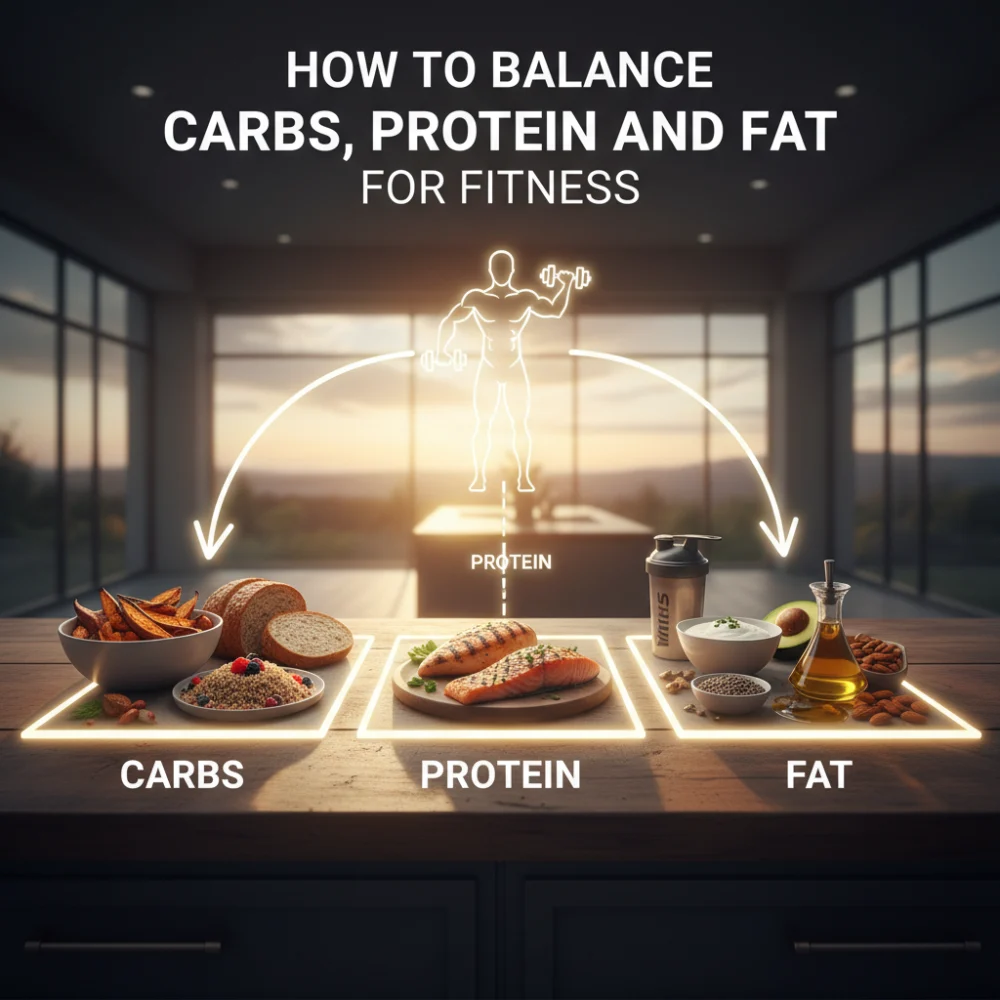
Protein is the cornerstone of muscle building. It provides the amino acids necessary for repairing and rebuilding muscle fibers after workouts. Aim for a protein intake of 0.8 to 1 gram per pound of body weight daily. Excellent sources of protein include lean meats (chicken, turkey, beef), fish (salmon, tuna), eggs, dairy products (Greek yogurt, cottage cheese), and plant-based options (beans, lentils, tofu).
Strategic Carbohydrate Consumption: Fueling Your Workouts
Carbohydrates are the primary fuel source for your body, providing the energy needed for intense workouts. Choose complex carbohydrates like whole grains (brown rice, quinoa, oats), fruits, and vegetables over refined carbohydrates (white bread, sugary drinks). Timing your carbohydrate intake around workouts can optimize performance and recovery.
Healthy Fats: Essential for Hormone Production and Overall Health
Healthy fats are crucial for hormone production, nutrient absorption, and overall health. Include sources of healthy fats like avocados, nuts, seeds, olive oil, and fatty fish (salmon, mackerel) in your diet. These fats provide essential fatty acids that support various bodily functions.
Hydration: The Unsung Hero of Muscle Growth
Water is essential for numerous bodily functions, including muscle growth and recovery. Dehydration can hinder performance and impede muscle protein synthesis. Drink plenty of water throughout the day, especially before, during, and after workouts. Aim for at least eight glasses of water daily, and more if you are physically active.
Meal Timing and Frequency: Optimizing Nutrient Delivery
Eating frequent, balanced meals throughout the day can help maintain a consistent supply of nutrients to your muscles. Aim for 4-6 meals or snacks spaced every 2-3 hours. This can help prevent muscle breakdown and support muscle growth. Include a protein and carbohydrate source in each meal.
Pre-Workout Nutrition: Fueling Your Performance
Consuming a pre-workout meal or snack that includes carbohydrates and protein can provide energy for your workout and support muscle protein synthesis. Good options include a banana with peanut butter, oatmeal with protein powder, or a small chicken breast with sweet potato.
Post-Workout Nutrition: Replenishing and Recovering
The post-workout period is crucial for muscle recovery and growth. Consume a meal or shake that includes protein and carbohydrates within 1-2 hours after your workout. This helps replenish glycogen stores and repair muscle fibers. Whey protein with a piece of fruit is a convenient and effective option.
Supplementation: Enhancing Your Results
While a well-balanced diet is the foundation, certain supplements can enhance muscle building efforts. Consider creatine monohydrate, which has been shown to improve strength and muscle mass. Whey protein and branched-chain amino acids (BCAAs) can also support muscle recovery and growth. Always consult with a healthcare professional before starting any new supplements.
Meal Planning and Preparation: Staying on Track
Meal planning and preparation are essential for sticking to a clean eating plan. Plan your meals for the week, create a grocery list, and prepare meals in advance. This saves time and ensures you have healthy options readily available, reducing the temptation to eat unhealthy foods.
Grocery Shopping Strategies: Choosing the Right Foods
When grocery shopping, focus on the perimeter of the store, where fresh produce, lean meats, and dairy products are typically located. Read food labels carefully and choose foods with minimal ingredients and no added sugars or unhealthy fats. Opt for whole grains over refined grains.
Avoiding Processed Foods: The Detrimental Effects
Processed foods often contain added sugars, unhealthy fats, and artificial ingredients that can hinder muscle growth and overall health. Minimize your consumption of processed foods like fast food, packaged snacks, and sugary drinks. Focus on whole, unprocessed foods.
Tracking Your Progress: Monitoring Your Results
Track your progress by monitoring your weight, body composition, and workout performance. Keep a food journal to track your nutrient intake and identify areas for improvement. This helps you stay motivated and make adjustments to your diet as needed.
Conclusion: Embracing a Sustainable Approach
Eating clean while building muscle is a sustainable and effective approach to achieving your fitness goals. By prioritizing whole, unprocessed foods, focusing on protein intake, and strategically timing your meals, you can fuel muscle growth, improve your performance, and enhance your overall health. Remember that consistency and patience are key to success.