
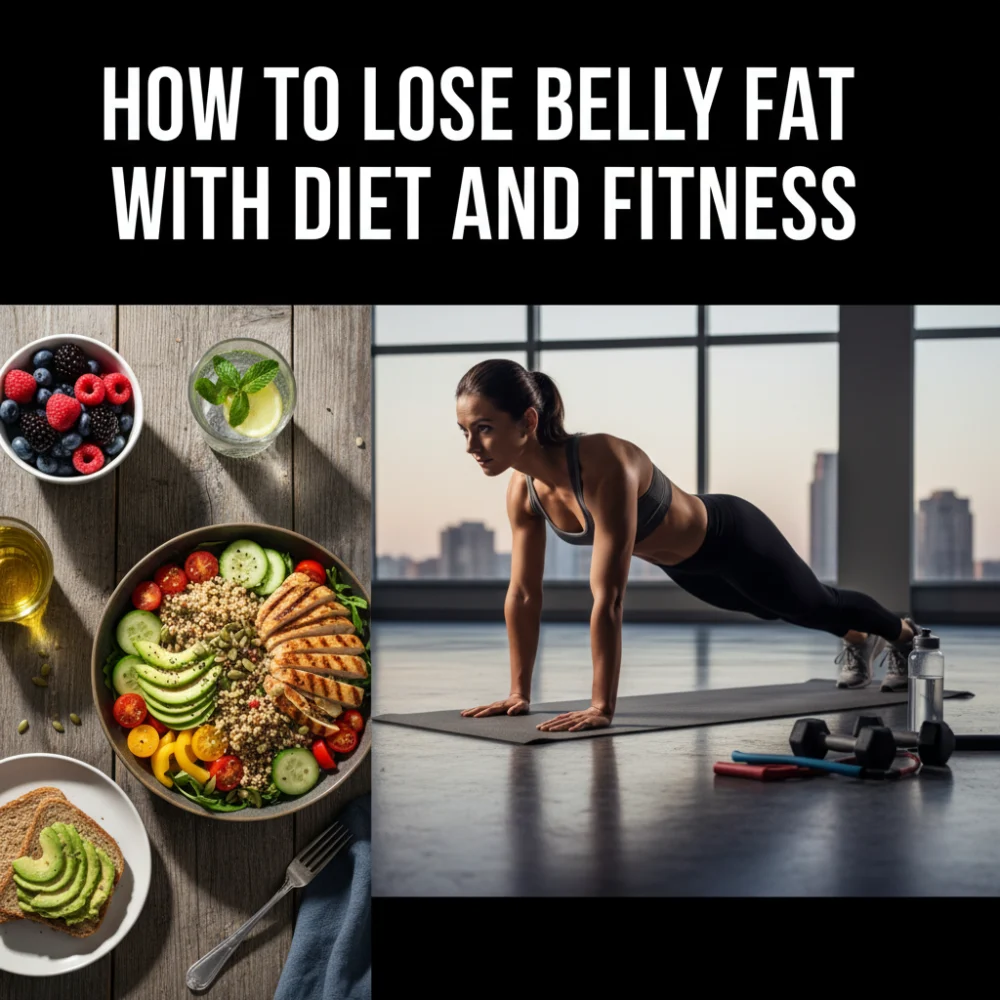
Losing belly fat is a common goal, but it often proves to be the most challenging area for fat loss. This is largely due to the nature of visceral fat, the metabolically active fat stored deep around the abdominal organs. While spot reduction is a myth, a holistic strategy focusing on diet quality and specific types of exercise can significantly reduce overall body fat, leading to a leaner midsection.
Understanding Belly Fat: Visceral vs. Subcutaneous
It is crucial to differentiate between the two primary types of abdominal fat. Subcutaneous fat lies just beneath the skin and is less metabolically dangerous. Visceral fat, however, is the dangerous fat linked to increased risks of type 2 diabetes, heart disease, and certain cancers. Effective fat loss protocols must prioritize reducing this visceral accumulation.
The key driver for visceral fat accumulation is often chronic stress and a diet high in refined sugars and processed carbohydrates. Therefore, any successful plan must address both lifestyle factors and caloric intake simultaneously.
The Cornerstone of Fat Loss: Caloric Deficit
Regardless of the diet you choose, sustainable fat loss fundamentally requires achieving a caloric deficit. This means consistently burning more calories than you consume. Fad diets fail because they are often unsustainable, leading to weight regain. A moderate deficit of 300 to 500 calories per day is generally recommended for steady, healthy weight loss.
Tracking intake, whether through apps or journaling, provides the necessary awareness to maintain this deficit. Blindly guessing calorie consumption is one of the primary reasons fat loss plateaus occur.
Dietary Strategy 1: Prioritizing Protein Intake
Protein is the most satiating macronutrient. Increasing protein intake helps control appetite, which naturally aids in maintaining a caloric deficit. Furthermore, protein has a higher thermic effect of food (TEF) than fats or carbohydrates, meaning your body burns more calories digesting it.
- Aim for 0.8 to 1 gram of protein per pound of goal body weight, especially if engaging in resistance training.
- Include lean sources like poultry, fish, eggs, legumes, and Greek yogurt in every meal.
- Protein preserves lean muscle mass during periods of caloric restriction, which keeps metabolism elevated.
Dietary Strategy 2: Controlling Carbohydrates and Fiber
Not all carbohydrates are created equal. The focus should shift entirely away from refined grains (white bread, sugary cereals) and towards complex, high-fiber sources. Fiber, particularly soluble fiber, has been scientifically linked to reducing visceral fat accumulation.
Soluble fiber forms a gel in the gut, slowing digestion and increasing feelings of fullness. Excellent sources include oats, flaxseeds, Brussels sprouts, and apples. Reducing sugary drinks is non-negotiable, as liquid calories contribute significantly to abdominal fat storage.
The Role of Healthy Fats
Fats are essential for hormone production and satiety, but they are calorie-dense. The focus must be on unsaturated fats. Monounsaturated fats (found in avocados and olive oil) and Omega-3 fatty acids (found in fatty fish like salmon) support overall metabolic health and reduce inflammation, a common contributor to stubborn belly fat.