The world of fitness is a dynamic landscape, constantly evolving with new trends and approaches. While individual pursuits have always held a prominent place, a powerful shift has occurred in recent years: the meteoric rise of the run club. Once a niche gathering for dedicated athletes, run clubs have exploded into a global phenomenon, transforming not just how we exercise, but how we connect, build community, and find belonging in an increasingly fragmented world. This article delves into the captivating journey of run clubs, exploring their cultural impact, their roots, and why they’ve become the beating heart of modern fitness.
The Pandemic Catalyst: A New Dawn for Runners
The global pandemic, a period of unprecedented disruption and isolation, inadvertently became the fertile ground upon which the modern run club movement flourished. As lockdowns tightened and social distancing became the norm, people found themselves with more time and a pressing need for connection. For many, the simple act of stepping outside for a run became a lifeline – a way to maintain physical health, mental well-being, and a semblance of normalcy.
- The Rise of the Homebody Runner: With gyms closed and commutes eliminated, millions rediscovered or embraced running as an accessible, free, and essential form of exercise. The "make do and mend" mentality meant dusting off old sneakers and hitting the pavement, park, or trail.
- The Search for Connection: The absence of daily interactions – the water cooler chats, the post-work social gatherings – left a void. Runners encountered each other on their solitary outings, a silent nod or a shared glance fostering a nascent sense of solidarity. This shared experience, born out of necessity, sparked a desire for more structured, communal activity.
- Data Speaks Volumes: Post-pandemic surveys reveal a significant surge in new runners and increased running frequency. Crucially, the motivation has shifted. While competition once dominated, health and social connection have emerged as primary drivers. This is where the run club truly shines.
From Urban Grit to Global Tribes: The Evolution of Run Crews
The seeds of the modern run club were sown not on manicured tracks, but in the gritty, vibrant streets of major cities. Decades ago, pioneers began carving out their own unique spaces within the running world, blending athletic ambition with urban culture.
The Genesis: Bridging the Gap
The early 2000s saw the emergence of influential urban running groups that would lay the foundation for the current movement.

- Bridgerunners (New York City): This group gained notoriety for their runs across iconic city bridges, fostering a sense of urban exploration and community.
- Run Dem Crew (London): A similarly influential collective, Run Dem Crew brought a distinct cultural flair to their runs, drawing from the city’s diverse artistic and musical scenes.
These groups, founded by individuals with a passion for running and a desire to connect with like-minded people, created a new identity for runners. They weren’t necessarily the elite athletes of traditional clubs; they were artists, musicians, creatives, and urban dwellers who found common ground on the pavement.
The "Bridge The Gap" Movement
The collaboration between Bridgerunners and Run Dem Crew led to the "Bridge The Gap" initiative. This movement was instrumental in connecting burgeoning urban run crews across continents.
- A Global Network: Events were organized that brought together crews from cities like Copenhagen, Berlin, Paris, and Amsterdam. These gatherings were more than just races; they were celebrations of shared passion, fostering a sense of global camaraderie.
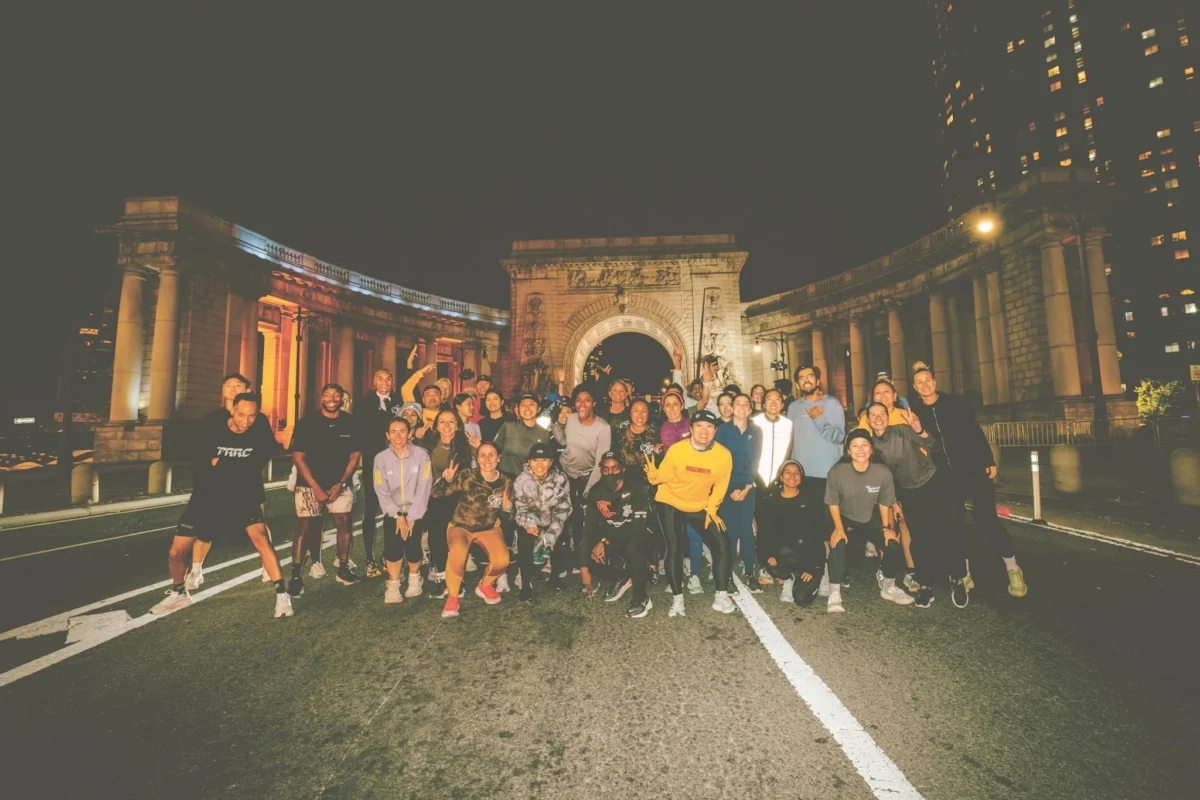
- The Power of Collective Identity: Runners would arrive in matching attire, resembling a touring band, symbolizing their unified spirit. This created an electric atmosphere, forging bonds that transcended geographical boundaries.
- Inspiring Future Generations: The success of "Bridge The Gap" created a ripple effect, inspiring countless other run clubs to form and connect, solidifying the legacy of these early urban pioneers.
More Than Just Miles: The Multifaceted Appeal of Run Clubs
While the pandemic provided a significant boost, the appeal of run clubs runs much deeper than a temporary societal shift. They offer a compelling alternative to traditional fitness paradigms, catering to a diverse range of needs and aspirations.
Beyond the Traditional: A New Era of Inclusivity
For decades, running clubs were often associated with a more traditional, performance-oriented model. While these clubs continue to thrive, a new wave of run clubs has emerged, prioritizing inclusivity and community above all else.

- Grassroots Communities: Many modern run clubs act as vital social hubs, providing a welcoming space for individuals who might not otherwise find their tribe within the broader running community.
- Representation Matters: A significant development has been the rise of groups catering to specific demographics and interests:
- Women-Only Clubs: Providing a supportive and empowering environment for female runners.
- LGBTQIA+ Friendly Groups: Creating safe and inclusive spaces for the queer running community.
- Cultural and Ethnic Groups: Clubs like Masala Milers (New York) and Sikhs In The City (London) connect individuals from shared backgrounds, fostering a sense of belonging and cultural celebration through running.
- Focused on Representation: Organizations like Black Men Run actively work to increase Black male participation in the sport, addressing historical underrepresentation.
These specialized clubs demonstrate the power of running to unite diverse communities and provide a platform for marginalized voices to be heard and celebrated.
From Social Strolls to Performance Peaks
The beauty of modern run clubs lies in their adaptability. They can cater to every level of runner, from the absolute beginner to the seasoned marathoner.
- Beginner-Friendly Environments: New runners can find encouragement, guidance, and a non-intimidating atmosphere to take their first steps. The social aspect makes the daunting task of starting a new fitness routine feel less overwhelming.
- Progressive Training: As runners improve, their goals may evolve. Many clubs offer structured training plans, group workouts, and advice on pacing and injury prevention, helping members progress towards races like marathons and half-marathons.
- Bridging the Gap (Again): Interestingly, some of these newer, more social-focused clubs are now incorporating elements of traditional training. Members who develop a passion for performance may even join established athletics clubs, blurring the lines and demonstrating the interconnectedness of the running world.
The Social Nexus: Beyond the Finish Line
The true magic of a run club lies in its ability to foster genuine human connection. It’s about more than just logging miles; it’s about building relationships.
- Shared Experience: The simple act of running together, facing challenges, and celebrating achievements creates powerful bonds. The shared sweat and effort forge a unique camaraderie.
- Post-Run Rituals: The tradition of gathering at a local pub, cafe, or community space after a run is a cornerstone of run club culture. This is where stories are shared, friendships are solidified, and a true sense of community is built.
- Expanding Horizons: Run clubs offer opportunities for social events beyond running, such as group dinners, charity runs, and even speed dating events, demonstrating the multifaceted ways these communities can enrich members’ lives.
Practical Tips for Embracing the Run Club Movement
If the idea of joining a run club resonates with you, here’s how to get started and make the most of the experience:

Finding Your Tribe:
- Local Search: Start by searching online for "run clubs near me" or "running groups [your city/town]."
- Social Media Scavenger Hunt: Explore platforms like Instagram and Facebook. Many clubs have active pages where they post meeting times, locations, and photos of their runs. Use relevant hashtags like #runclub, #runningcommunity, #[yourcity]runners.
- Ask Around: If you already know other runners, ask them if they’re part of a club or if they have recommendations.
- Consider Your Needs: Think about what you’re looking for:
- Pace: Do you prefer a slower, social pace or a faster, more challenging run?
- Distance: Are you looking for short, urban runs or longer trail excursions?
- Vibe: Do you want a laid-back, social atmosphere or a more structured, performance-focused group?
- Inclusivity: Are you looking for a specific demographic-focused club?
Your First Run Club Experience:
- Don’t Be Intimidated: Run clubs are designed for all levels. Most have different pace groups to accommodate everyone.
- Arrive Early: This gives you a chance to introduce yourself to the organizer or other members before the run begins.
- Communicate: Let the group leader know if you’re new or if you’re unsure about your pace. They can help you find the right group.
- Be Prepared: Wear comfortable running gear and bring water if it’s a longer run or the weather is warm.
- Engage: Chat with people before and after the run. The social aspect is key! Don’t be afraid to strike up a conversation.
- Be Consistent: The more you attend, the more connected you’ll feel and the stronger your running will become.
Making the Most of Your Membership:
- Embrace the Social Aspect: Participate in post-run gatherings. This is where the real magic happens.
- Be a Good Group Member: Follow the group’s etiquette, be mindful of other runners, and contribute to a positive atmosphere.
- Set Goals Together: Encourage each other to sign up for races, try new routes, or push personal bests.
- Contribute to the Community: Offer to help organize events, share your running knowledge, or welcome new members.
The Future of Fitness is Social
The rise of the run club is a testament to our innate human need for connection and belonging. In a world that can often feel isolating, these groups offer a powerful antidote, providing not just physical fitness but also mental resilience and a strong sense of community.
The evolution of run clubs from niche urban crews to a global movement reflects a broader shift in how we approach health and well-being. It’s no longer just about individual achievement; it’s about shared experiences, mutual support, and celebrating the journey together. Whether you’re a seasoned runner looking for new challenges or a complete beginner seeking motivation and friendship, there’s a run club out there waiting to welcome you. So, lace up your shoes, step outside your door, and discover the transformative power of running with others. The world of run clubs is not just taking over; it’s building a better, more connected future for fitness.