
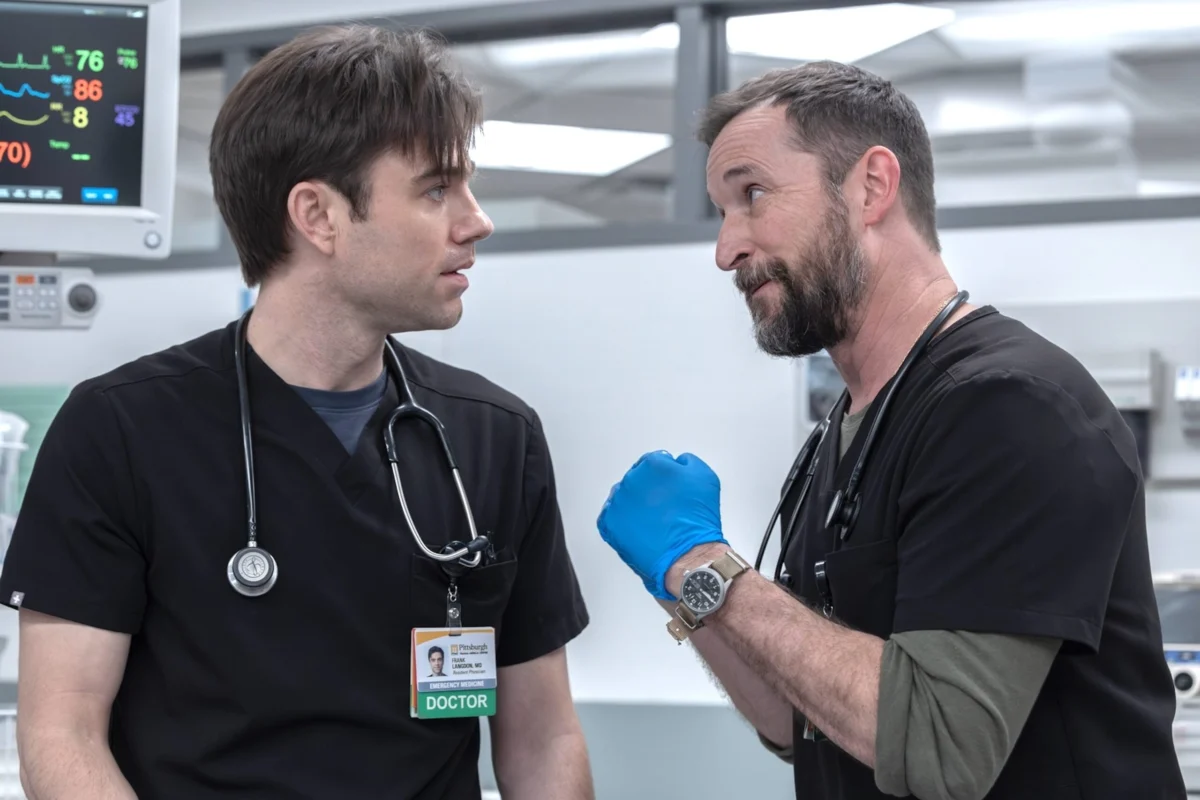
The gripping drama of "The Pitt," a show lauded for its raw portrayal of life in a high-stakes medical center, offers more than just compelling television. For fitness enthusiasts, particularly those in the beginner to intermediate stages, the show’s core themes—resilience, strategic problem-solving, and the relentless pursuit of betterment—resonate deeply with the journey of building a healthier, stronger you. While the fictional doctors and nurses navigate life-or-death situations, the principles they embody are directly applicable to conquering your own fitness challenges. This isn’t about mimicking emergency room protocols; it’s about adopting the mindset of those who thrive under pressure and consistently strive for peak performance.
"The Pitt" masterfully illustrates that even without a catastrophic, season-defining event, compelling narratives can be built on the foundation of human connection, personal growth, and the subtle, yet significant, daily battles. Season two, in particular, shifted from a singular, explosive climax to a tapestry of smaller, impactful moments. This approach mirrors the fitness journey: progress isn’t always a dramatic transformation; often, it’s the accumulation of consistent effort, overcoming minor setbacks, and celebrating incremental victories.
The Foundation of Your Fitness "Shift": Setting Realistic Goals
Just as the doctors in "The Pitt" must triage patients and prioritize care, you need to establish a clear understanding of your fitness goals. Season two’s shift from a singular "mass casualty event" to a series of smaller, interconnected dramas is a powerful analogy for setting achievable fitness milestones. Instead of aiming for an immediate, overwhelming transformation, focus on building momentum through smaller, manageable objectives.

- Define Your "Patient Zero": What is the primary reason you want to get fitter? Is it improved energy levels, weight management, increased strength, or simply feeling better in your own skin? Be specific.
- The Triage of Training: Just as ER doctors assess immediate needs, identify your biggest fitness hurdles. Are you struggling with consistency, nutrition, or a specific exercise? Address these first.
- Small Wins, Big Impact: Season two’s success lay in its accumulation of impactful moments. Translate this to your fitness by setting weekly or bi-weekly goals. Perhaps it’s completing three workouts in a week, adding an extra serving of vegetables to your daily meals, or increasing your water intake.
Building Your "Trauma Team": The Power of Support and Accountability
No doctor operates in a vacuum. They rely on their colleagues, nurses, and support staff to provide comprehensive care. Your fitness journey is no different. Building a robust support system is crucial for sustained motivation and overcoming inevitable obstacles.
- Find Your "Robby" and "Langdon": Identify individuals who can offer encouragement, share your journey, and hold you accountable. This could be a workout buddy, a supportive family member, or even an online fitness community.
- The "Nurse Dana" Effect: Sometimes, the most impactful support comes from those who are consistently present, offering practical advice and unwavering belief. This could be a trainer, a nutritionist, or a friend who checks in regularly.
- Shared Challenges, Shared Successes: When the team in "The Pitt" faces a crisis, they collaborate. Similarly, sharing your fitness struggles and triumphs with others can foster a sense of camaraderie and shared purpose. Don’t be afraid to ask for help or offer support to others.
The "Real-Time" Approach: Consistency is Your Vital Sign
"The Pitt" thrives on its real-time, 15-hour shift format, emphasizing the constant flow of activity and the need for immediate, informed decisions. In fitness, this translates to the power of consistency. Sporadic bursts of intense effort are rarely as effective as a steady, persistent commitment.
- Your Daily "Shift": Treat your fitness routine as a non-negotiable part of your day. Even a short workout is better than skipping it altogether. Aim for consistency over intensity, especially in the early stages.
- Listen to Your "Vitals": Pay attention to your body’s signals. Just as doctors monitor vital signs, learn to recognize when you need rest, recovery, or a slight adjustment to your routine. Pushing too hard without adequate recovery can lead to burnout or injury, much like an overworked doctor risking their own well-being.
- The "Death by a Thousand Cuts" Analogy: Season two’s drama stemmed from numerous smaller challenges. In fitness, this means acknowledging that progress is often a series of small, consistent efforts rather than a single, dramatic breakthrough. Each healthy meal, each completed workout, is a step in the right direction.
Navigating the "Mental State": Overcoming Plateaus and Setbacks
Dr. Robby’s internal struggles in season two highlight the significant impact of mental well-being on performance. Fitness is as much a mental game as it is a physical one. Plateaus, demotivation, and unexpected life events can all feel like personal crises.

- Recognizing the "Blackout": A fitness plateau can feel like hitting a wall. Instead of despairing, view it as an opportunity to reassess and adapt. This might involve changing your workout routine, adjusting your nutrition, or focusing on a different aspect of your fitness.
- The "Heartbreaking Moments": There will be days when you don’t feel like working out, when your diet slips, or when you simply feel discouraged. These are the "heartbreaking moments." Acknowledge them, learn from them, and then move forward. Don’t let a single setback derail your entire progress.
- Your "Friends" and "Colleagues": When facing mental hurdles, lean on your support system. Talk to your workout partners, seek advice from a fitness professional, or simply remind yourself of your initial motivations. The characters in "The Pitt" often find strength in their relationships; so too can you.
The "Character Development" of Your Fitness Journey
Just as "The Pitt" excels at developing its characters through personal tangents and evolving struggles, your fitness journey is a continuous process of self-discovery and growth. Embrace the evolution.
- Experimentation is Key: Don’t be afraid to try new exercises, different training styles, or various healthy recipes. Season two’s varied storylines mirror the need for variety in your fitness routine to keep things engaging and effective.
- From "Med Student" to "Attending Physician": Recognize that you’ll start as a beginner, learning the ropes. With consistent effort and learning, you’ll progress, gaining confidence and expertise in your own health and fitness. Embrace the learning curve.
- The "Launching Pad" Principle: "The Pitt" uses its characters as launching pads for their own growth and storylines. View your fitness journey similarly. Each milestone achieved, each challenge overcome, becomes a foundation for future progress and a testament to your evolving capabilities.
Practical Workout Tips Inspired by "The Pitt’s" Intensity:
While you won’t be performing emergency surgery, the show’s pace and focus can inspire a more effective workout approach.
- High-Intensity Interval Training (HIIT) Analogues: The rapid-fire nature of the ER can be translated into HIIT workouts.
- Example: Choose a compound exercise like squats, push-ups, or burpees. Perform as many repetitions as possible with good form in 30 seconds, followed by 30 seconds of rest. Repeat for 8-10 rounds. This mimics the bursts of intense effort needed in critical situations.
- Circuit Training for Efficiency: "The Pitt" emphasizes multitasking and juggling multiple demands. Circuit training allows you to work multiple muscle groups in succession with minimal rest.
- Example: Set up 5-6 exercises (e.g., lunges, dumbbell rows, planks, jumping jacks, bicep curls). Perform one set of each exercise consecutively, then rest for 60-90 seconds before repeating the circuit for 3-4 rounds. This is akin to managing multiple patient cases simultaneously.
- Mindful Movement and Recovery: Even in the chaos of the ER, understanding the body’s limits is crucial.
- Actionable Advice: Incorporate dynamic stretching before workouts to prepare your muscles and static stretching or foam rolling after to aid recovery. Prioritize sleep, as it’s your body’s most critical restorative period.
Real-Life Examples of "Pitt"-Inspired Fitness:
- Sarah, a Busy Mom: Sarah felt overwhelmed by the idea of fitting in workouts. Inspired by season two’s focus on smaller, impactful moments, she started with 15-minute bodyweight circuits in her living room while her children napped. These short, consistent sessions gradually built her strength and confidence, leading her to eventually join a local gym. She learned that her "shift" didn’t need to be hours long to be effective.
- Mark, Recovering from Injury: Mark had a setback that left him feeling demotivated. He identified with Dr. Robby’s internal struggles and realized he needed a different approach. He connected with a physical therapist (his "support team") and focused on rehabilitation exercises as his primary "training." He celebrated small victories, like increasing his range of motion, which kept him motivated and prevented him from giving up on his fitness goals entirely.
- Chloe, a Student: Chloe struggled with consistency due to her demanding academic schedule. She adopted the "real-time" approach by scheduling her workouts like important appointments. She found a workout buddy (her "fitness colleague") who motivated her to stick to their planned sessions, even on tough days. Their shared accountability helped them navigate the challenges of busy schedules.
Conclusion: Your Personal Season of Transformation
"The Pitt" season three promises more of what makes the show compelling: human stories, the relentless pursuit of excellence, and the acknowledgment that even in the most demanding environments, growth and resilience are paramount. Your fitness journey is no different. It’s not a static destination but a dynamic, ongoing process. Embrace the challenges, celebrate the small victories, lean on your support system, and approach your health and fitness with the same dedication and strategic thinking that the doctors of "The Pitt" bring to their critical shifts. Your personal "season" of transformation is ready to begin. What steps will you take today to build your strongest, healthiest self?