
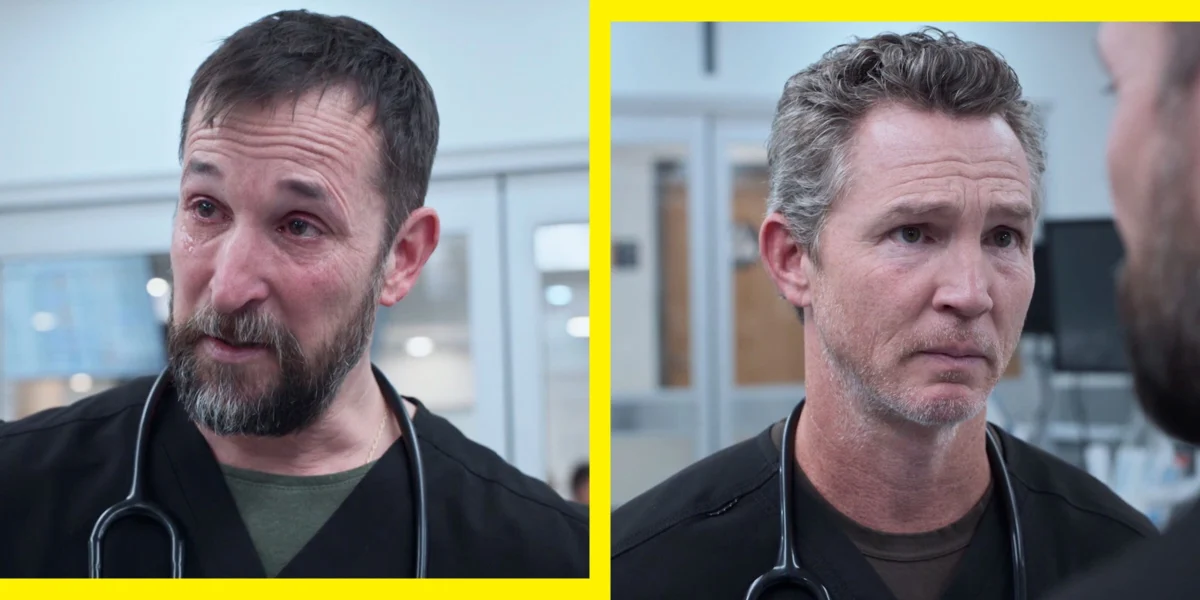
The pressure cooker environment of emergency medicine, as depicted in "The Pitt," often mirrors the intense challenges we face in our own lives and fitness journeys. The season 2 finale brought us face-to-face with Dr. Robby’s precarious state, a powerful reminder that even the most dedicated individuals can teeter on the edge. But just as Dr. Abbot stepped in to offer support and perspective, we too can find guidance to navigate our own personal health crises and emerge stronger. This article delves into the lessons we can glean from Dr. Robby’s struggle and Dr. Abbot’s intervention, offering practical advice for fitness enthusiasts of all levels.
The Unseen Battles: Recognizing the Signs of Overwhelm
Dr. Robby’s journey throughout season 2 was a stark portrayal of escalating mental distress. His reckless behavior, like riding his motorcycle without a helmet on his last day before a sabbatical, was a visible symptom of a deeper struggle. This serves as a critical reminder that our physical well-being is intrinsically linked to our mental and emotional state.
For beginners in fitness, the initial enthusiasm can sometimes be overshadowed by the sheer effort required. It’s easy to feel overwhelmed by the perceived complexity of nutrition, workout routines, and the slow pace of visible progress. Intermediate enthusiasts might find themselves pushing too hard, neglecting recovery, or experiencing burnout due to demanding schedules and high personal expectations.
Key takeaways from Dr. Robby’s situation:
- Recklessness as a Red Flag: When you find yourself making impulsive decisions that compromise your health goals, it’s a sign to pause and reassess. This could manifest as skipping workouts without a valid reason, making unhealthy dietary choices consistently, or ignoring persistent fatigue.
- The Illusion of Strength: Just because you’re physically capable doesn’t mean you’re mentally or emotionally resilient to every challenge. Dr. Robby was a brilliant physician, yet his internal struggles impacted his judgment.
- Isolation Fuels Distress: As Dr. Robby’s behavior became more erratic, he alienated some colleagues. In fitness, isolating yourself from support systems can exacerbate feelings of failure and discouragement.
The Abbot Effect: The Power of Collegial Support and Intervention
Dr. Abbot’s role in reaching Dr. Robby is a testament to the profound impact of genuine care and perceptive observation. His ability to see beyond Robby’s outward facade and connect with him on a deeper level is a powerful lesson for us all. This wasn’t just about a colleague noticing a problem; it was about an active, empathetic intervention.
The article highlights that Nurse Dana’s initial concern and her willingness to speak up were crucial in prompting Dr. Abbot’s intervention. This underscores the importance of a supportive community, where individuals feel empowered to voice their concerns for others.

Applying the Abbot Effect to your fitness journey:
- Build Your Support Squad: Whether it’s a workout buddy, a fitness group, a trainer, or supportive friends and family, having people in your corner is invaluable. They can offer encouragement, accountability, and a fresh perspective when you’re struggling.
- Listen to Your Gut (and Theirs): If a friend or family member expresses concern about your habits or well-being, take it seriously. Similarly, if you notice a pattern of self-sabotage in your own fitness journey, it’s time for introspection.
- Don’t Be Afraid to Ask for Help: Just as Dr. Robby was hesitant to admit his struggles, we often hesitate to seek help. Whether it’s from a professional trainer, a nutritionist, a therapist, or a supportive peer, reaching out is a sign of strength, not weakness.
Practical Strategies for Navigating Your Own "Pitt"
The narrative of "The Pitt" season 2 finale, while fictional, offers a wealth of real-world applicable insights for anyone embarking on or continuing their fitness journey. Dr. Robby’s breakdown and Dr. Abbot’s intervention are not just plot points; they are metaphors for the challenges and triumphs we can experience in pursuit of our health and wellness goals.
Understanding Burnout and Stress in Fitness
The pressures of modern life, coupled with the demands of a consistent fitness regimen, can lead to burnout. Recognizing the signs is the first step to preventing it.
- Signs of Fitness Burnout:
- Persistent fatigue and lack of motivation for workouts.
- Increased irritability or mood swings related to your fitness.
- Skipping workouts frequently or feeling resentful about exercising.
- Decreased performance or plateauing despite consistent effort.
- Disrupted sleep patterns.
- Loss of enjoyment in activities you once loved.
Proactive Steps: Building Resilience into Your Routine
Instead of waiting for a crisis, like Dr. Robby’s situation, we can proactively build resilience into our fitness lives. This involves a holistic approach that prioritizes mental and physical well-being.
-
Embrace Rest and Recovery:
- Schedule Rest Days: Don’t view rest days as a sign of weakness, but as essential components of progress. Your muscles need time to repair and rebuild.
- Prioritize Sleep: Aim for 7-9 hours of quality sleep per night. This is crucial for hormone regulation, muscle recovery, and mental clarity.
- Active Recovery: Incorporate light activities like walking, stretching, or yoga on rest days to promote blood flow and reduce muscle soreness.
-
Listen to Your Body:

- Don’t Push Through Pain: Differentiate between muscle soreness and sharp, persistent pain. Ignoring pain can lead to injuries that derail your progress.
- Adjust Your Intensity: Some days you’ll feel energized, and others you’ll feel drained. Learn to adjust your workout intensity accordingly. It’s okay to have lighter days.
- Hydration and Nutrition: Proper hydration and a balanced diet are foundational. Don’t neglect these basic needs, as they significantly impact your energy levels and recovery.
-
Mindfulness and Stress Management:
- Incorporate Mindfulness Practices: Even a few minutes of meditation or deep breathing exercises daily can significantly reduce stress levels.
- Find Healthy Coping Mechanisms: If you’re feeling stressed, turn to activities that uplift you, rather than those that exacerbate your feelings of overwhelm. This could be spending time in nature, listening to music, or engaging in a hobby.
- Set Realistic Goals: Unrealistic expectations are a major contributor to burnout. Break down your larger goals into smaller, achievable milestones. Celebrate each small victory.
The Power of Intervention: When to Seek and Offer Support
Dr. Abbot’s intervention wasn’t just about telling Dr. Robby he needed help; it was about a genuine, empathetic conversation. This highlights the importance of recognizing and responding to distress in ourselves and others.
-
When You Need to Be Dr. Abbot for Yourself:
- Self-Reflection: Regularly check in with yourself. How are you feeling physically and mentally? Are you enjoying your fitness journey?
- Journaling: Keeping a fitness journal can help you track your progress, identify patterns, and notice when things feel "off."
- Seek Professional Guidance: If you’re struggling with motivation, plateaus, or persistent negative feelings about your fitness, consider consulting a certified personal trainer, a registered dietitian, or a mental health professional.
-
When You Need to Be Dr. Abbot for Someone Else:
- Observe and Listen: Pay attention to changes in a friend’s behavior, energy levels, or adherence to their fitness goals.
- Approach with Empathy: If you’re concerned about someone, approach them with kindness and understanding. Avoid judgment.
- Offer Support, Not Solutions (Initially): Sometimes, people just need to feel heard. Listen without interrupting and validate their feelings.
- Suggest Professional Help: If you believe someone needs more support than you can offer, gently suggest they seek professional guidance.
Real-Life Examples: Applying the Lessons
Consider Sarah, a beginner runner who was initially enthusiastic but started skipping her runs after a stressful work project. She began to feel guilty and even more demotivated. Her friend, Mark, noticed her consistent absence from their running group and her subdued mood. Instead of criticizing, Mark reached out, "Hey Sarah, haven’t seen you out there lately. Everything okay? Just wanted to let you know we miss you." This simple act of concern opened the door for Sarah to share her overwhelm. Mark didn’t offer unsolicited advice; he just listened and reminded her that it was okay to take a break and that he was there for her. Sarah eventually returned to running, starting with shorter, more manageable distances, and found renewed enjoyment.
Or consider David, an intermediate lifter who was pushing himself to lift heavier weights every week, neglecting rest days and proper nutrition. He started experiencing persistent joint pain and fatigue. His trainer, noticing the decline in his performance and the subtle signs of overtraining, initiated a conversation. "David, I’ve noticed you’re pushing really hard lately, and your body seems to be telling you something. Let’s take a step back, focus on recovery, and reassess your program to ensure we’re building strength sustainably." The trainer’s intervention helped David understand that true progress comes from balance, not just brute force.

The Future of Fitness: A Culture of Wellness
The conversation between Dr. Abbot and Dr. Robby in "The Pitt" reflects a growing understanding in high-stress professions like medicine: the importance of visible peer accountability for wellness. This shift is crucial for the fitness community as well.
- Moving Beyond the "Grind" Mentality: While dedication is important, the constant glorification of "the grind" can be detrimental. We need to foster a culture that values sustainable, enjoyable, and balanced approaches to fitness.
- Embracing Vulnerability: Creating an environment where individuals feel comfortable admitting they’re struggling is paramount. This allows for timely intervention and support.
- Holistic Health: Recognizing that fitness is not just about physical exertion, but also about mental, emotional, and social well-being, is key to long-term success.
Conclusion: Your Journey, Your Resilience
Dr. Robby’s story is a poignant reminder that even the most capable individuals can face immense internal battles. The season 2 finale of "The Pitt" offered a powerful glimpse into the importance of recognizing these struggles and the profound impact of compassionate intervention.
Just as Dr. Abbot stepped in to guide his friend back from the brink, we too can cultivate the resilience and support systems needed to navigate our own health and fitness journeys. Remember, true strength lies not in never faltering, but in knowing how to rise after a fall. Embrace rest, listen to your body, build your support network, and never hesitate to seek or offer a helping hand. Your well-being is a journey, and with awareness, self-compassion, and the support of others, you can emerge stronger, healthier, and more vibrant than ever before.