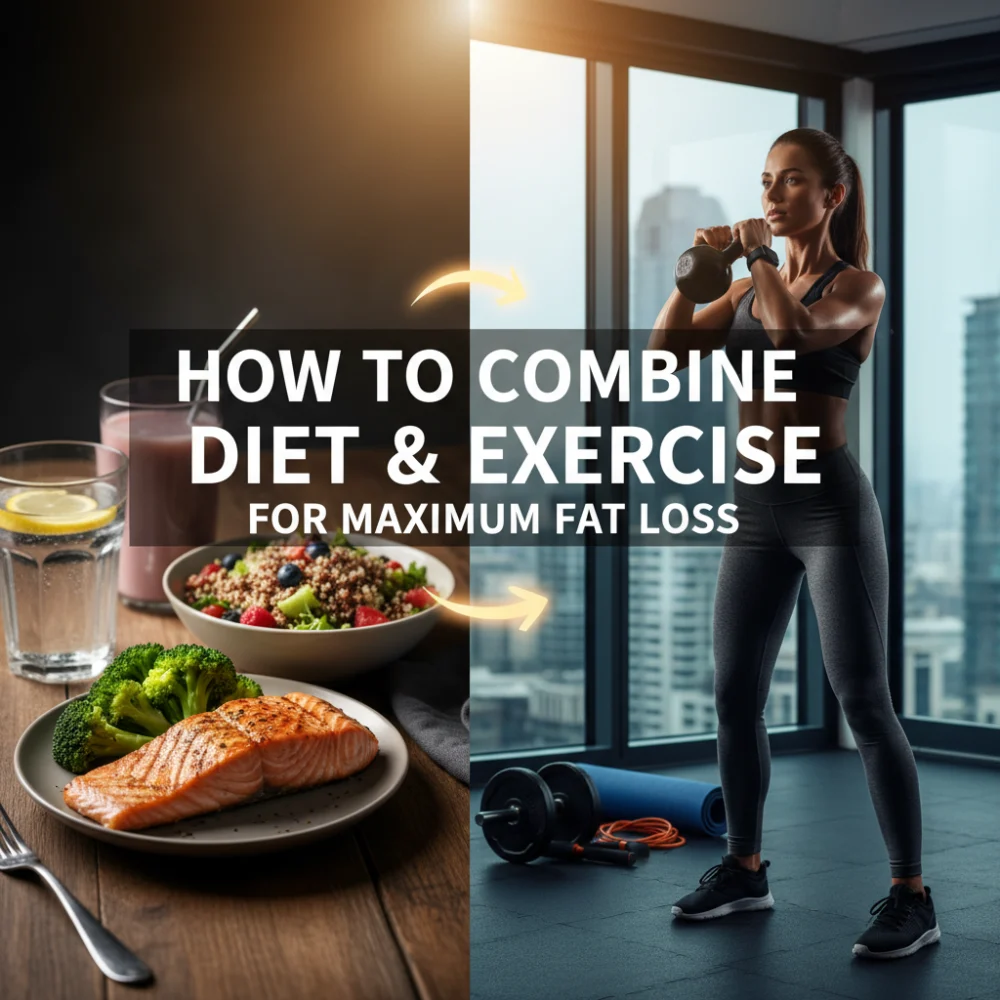

Reducing body fat is often misconstrued as a process of extreme deprivation, but the most effective approach is smart eating. This involves understanding how different nutrients affect your metabolism and hormonal health. Instead of focusing solely on the number on the scale, smart eating prioritizes body composition by preserving lean muscle mass while encouraging the body to utilize stored fat for energy. Transitioning to this mindset allows for more sustainable lifestyle changes rather than a temporary diet fix.
Understanding the Caloric Deficit
At the core of fat loss is the principle of energy balance. To lose body fat, you must consume fewer calories than your body expends. However, a smart caloric deficit is moderate, typically ranging from 300 to 500 calories below maintenance. Drastic cuts can lead to metabolic adaptation, where the body slows down its energy expenditure to survive, making future weight loss much harder. By maintaining a gentle deficit, you provide your body with enough fuel to function while still forcing it to tap into adipose tissue.
The Crucial Role of Protein
Protein is the most important macronutrient when it comes to fat loss. High-protein diets have been shown to increase satiety, reduce cravings, and boost the thermic effect of food. Furthermore, protein is essential for muscle maintenance. Consider incorporating these sources:
- Lean poultry and grass-fed beef
- Wild-caught fish and seafood
- Plant-based legumes and lentils
- Greek yogurt and cottage cheese
When in a caloric deficit, consuming adequate protein signals the body to keep the muscle and burn the fat instead.
Managing Carbohydrates and Fiber
Carbohydrates are not the enemy, but the type of carbs you choose matters significantly. Smart eating focuses on complex carbohydrates such as quinoa, oats, and sweet potatoes, which provide steady energy. These foods are usually high in fiber, which slows digestion and keeps you full for longer. Fiber also plays a vital role in gut health, which is increasingly linked to weight management. Reducing refined sugars and white flours helps prevent insulin spikes that promote fat storage.
Incorporating Healthy Fats
Many people mistakenly cut out all fats when trying to lose weight. However, healthy fats are vital for hormone production, including those that regulate metabolism and appetite. Sources such as avocados, nuts, seeds, and olive oil provide essential fatty acids that keep the body functioning optimally. Because fat is calorie-dense, portion control is key, but including it in your meals ensures that fat-soluble vitamins like A, D, E, and K are properly absorbed.
The Importance of Micronutrients
Focusing only on macros can lead to nutritional gaps. Micronutrients, including vitamins and minerals like magnesium, iron, and B-vitamins, act as cofactors in metabolic reactions. For instance, magnesium is involved in over 300 biochemical reactions, including glucose metabolism. A diet rich in leafy greens, berries, and cruciferous vegetables ensures that your cellular machinery is running at peak efficiency, which supports the fat-burning process.
Hydration and Fat Oxidation
Staying hydrated is a simple yet powerful tool for fat loss. Water is required for lipolysis, the process by which the body breaks down fats. Even mild dehydration can slow down your metabolism and lead to increased hunger, as the brain often confuses thirst signals with hunger cues. Drinking water before meals can also lead to naturally lower calorie intake by increasing the feeling of fullness. Avoid sugary beverages and focus on water, herbal teas, or black coffee.
Meal Timing and Frequency
While the total daily intake is the most significant factor, meal timing can play a supportive role. Some people find success with intermittent fasting, which limits the eating window and can improve insulin sensitivity. Others prefer smaller, frequent meals to keep blood sugar stable. The smart approach is to find a schedule that prevents overeating and fits your lifestyle. Consistency in timing helps regulate the body’s internal clock and digestive processes.
Practicing Mindful Eating
Mindful eating involves paying full attention to the experience of eating and drinking. It helps you recognize true hunger and fullness cues, preventing emotional or bored eating. By slowing down and chewing thoroughly, you give your brain the time it needs to receive the signal that you are full. This practice often leads to a natural reduction in calorie intake without the feeling of restriction, making the process of fat loss feel less like a chore.
Eliminating Liquid Calories
One of the easiest ways to reduce body fat is to stop drinking your calories. Sodas, sweetened coffees, and even many fruit juices contain high amounts of sugar that lead to rapid insulin spikes. These liquid calories do not provide the same satiety as solid food, making it easy to consume an excess without realizing it. Replacing these with water or unsweetened tea can create a significant caloric deficit over time with very little effort or perceived sacrifice.
The Impact of Sleep and Stress
Smart eating is only part of the equation; lifestyle factors like sleep and stress are deeply intertwined with nutrition. Lack of sleep increases ghrelin and decreases leptin, leading to cravings for high-calorie foods. Similarly, chronic stress elevates cortisol, which is known to promote abdominal fat storage. Prioritizing rest and stress management techniques like meditation supports the physiological environment necessary for effective and efficient fat loss.
The Thermic Effect of Food
Not all calories are processed by the body in the same way. The Thermic Effect of Food (TEF) refers to the energy required to digest, absorb, and process nutrients. Protein has the highest TEF, requiring significantly more energy to be burned during digestion compared to fats or carbohydrates. By choosing whole, unprocessed foods over highly processed options, you naturally increase your daily energy expenditure through the digestive process itself.
Improving Insulin Sensitivity
Insulin is the primary fat-storage hormone in the human body. When you eat high-sugar foods, insulin levels spike, signaling the body to store energy as fat and stopping the fat-burning process. Smart eating aims to improve insulin sensitivity by focusing on low-glycemic foods and combining carbohydrates with protein or fiber. This keeps blood sugar levels stable, allowing the body to access stored fat more easily for fuel throughout the day.
High-Volume, Low-Calorie Foods
To avoid feeling hungry while losing fat, utilize the concept of volume eating. This involves consuming large quantities of foods that are low in calories but high in water and fiber, such as spinach, zucchini, and broccoli. These foods stretch the stomach and trigger fullness receptors without adding significant calories to your daily total. This strategy allows you to eat large, satisfying portions while maintaining the caloric deficit needed for fat loss.
The 80/20 Rule for Sustainability
Long-term success in reducing body fat comes from consistency, not perfection. The 80/20 rule suggests that if you eat nutrient-dense, smart meals 80% of the time, you can afford some flexibility with the remaining 20%. This prevents the psychological burnout associated with overly restrictive diets. By allowing yourself occasional treats, you make the fat-loss journey more enjoyable and sustainable, ensuring that the results you achieve are permanent and healthy.