Introduction: The Protein Puzzle
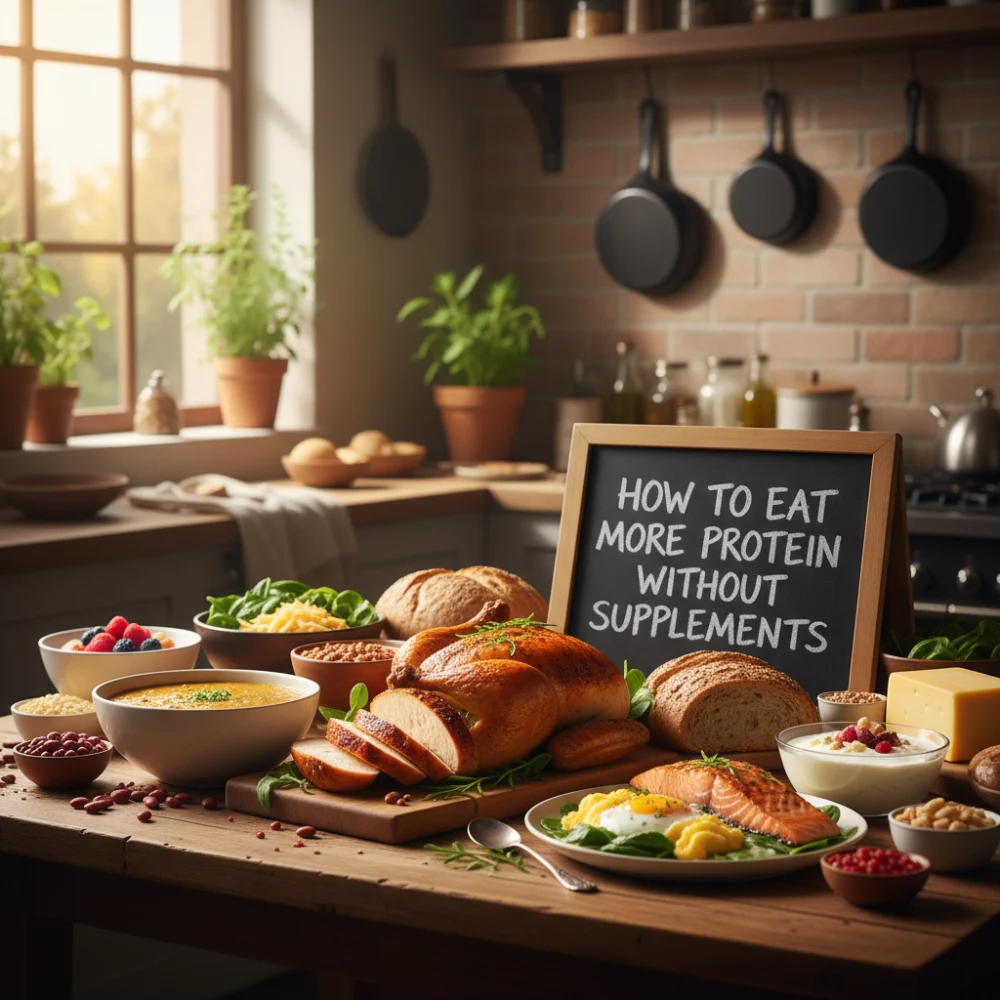
Protein is a vital macronutrient, essential for building and repairing tissues, producing enzymes and hormones, and supporting overall health. While protein supplements are readily available, they aren’t always necessary or desirable. This article explores how to significantly increase your protein intake through whole foods, offering practical and sustainable strategies for optimizing your diet.
Understanding Your Protein Needs
Before diving into specific foods, it’s crucial to understand your individual protein requirements. The Recommended Dietary Allowance (RDA) for protein is 0.8 grams per kilogram of body weight per day. However, this is a minimum requirement. Active individuals, athletes, pregnant or breastfeeding women, and older adults may need significantly more, often ranging from 1.2 to 2.0 grams per kilogram of body weight. Consider consulting a registered dietitian or healthcare professional to determine your optimal protein intake.
Leveraging Lean Meats and Poultry
Lean meats and poultry are excellent sources of high-quality protein. Opt for skinless chicken breast, turkey breast, lean ground beef (90% lean or higher), pork tenderloin, and lean cuts of steak like sirloin or flank steak. These options provide a substantial amount of protein with relatively low levels of saturated fat. Aim to include a serving of lean meat or poultry in at least one or two meals per day.
The Power of Fish and Seafood
Fish and seafood are not only rich in protein but also provide essential omega-3 fatty acids, which are beneficial for heart health and brain function. Salmon, tuna, cod, shrimp, and scallops are all excellent choices. Aim for at least two servings of fish per week. Canned tuna and salmon are convenient and affordable options for increasing your protein intake.
Embracing Eggs: A Protein Powerhouse
Eggs are a complete protein source, meaning they contain all nine essential amino acids. They are also versatile and relatively inexpensive. One large egg contains approximately 6 grams of protein. Start your day with an egg-based breakfast, such as scrambled eggs, omelets, or frittatas, to boost your protein intake early on.
Dairy Delights: Milk, Yogurt, and Cheese
Dairy products are a good source of protein and calcium. Greek yogurt is particularly high in protein, often containing 20 grams or more per serving. Cottage cheese is another excellent option. Milk, especially skim or low-fat milk, can also contribute to your daily protein intake. Choose cheese varieties lower in fat, such as part-skim mozzarella or feta.
Legumes: Plant-Based Protein Champions
Legumes, including beans, lentils, and peas, are a fantastic source of plant-based protein and fiber. They are also relatively inexpensive and versatile. Add beans to soups, salads, and stews, or enjoy lentil soup as a hearty and protein-rich meal. Tofu and tempeh, made from soybeans, are also excellent protein sources for vegetarians and vegans.
Nuts and Seeds: Protein-Packed Snacks
Nuts and seeds provide a combination of protein, healthy fats, and fiber. Almonds, walnuts, chia seeds, flaxseeds, and pumpkin seeds are all good choices. Enjoy a handful of nuts as a snack, sprinkle seeds on salads or yogurt, or add nut butter to your morning toast. Be mindful of portion sizes, as nuts are calorie-dense.
Whole Grains: More Than Just Carbs
While primarily known for their carbohydrate content, whole grains can also contribute to your protein intake. Quinoa is a complete protein, containing all nine essential amino acids. Other good options include brown rice, oats, and whole-wheat bread. Choose whole-grain varieties over refined grains to maximize the nutritional benefits.
Combining Foods for Complete Proteins
If you rely primarily on plant-based protein sources, it’s important to combine different foods to ensure you’re getting all the essential amino acids. For example, combining beans and rice or peanut butter and whole-wheat bread creates a complete protein. This is especially important for vegetarians and vegans.
Strategic Meal Planning
Planning your meals in advance is crucial for ensuring adequate protein intake. Start by calculating your daily protein target and then plan your meals and snacks accordingly. Focus on incorporating protein-rich foods into each meal. For example, a breakfast of Greek yogurt with berries and nuts, a lunch of grilled chicken salad, and a dinner of baked salmon with quinoa and vegetables.
Snacking Smart: Protein-Rich Options
Snacks can be a great way to boost your protein intake between meals. Choose protein-rich snacks such as hard-boiled eggs, a handful of almonds, Greek yogurt, cottage cheese, or a protein bar (choose wisely with low added sugar). Avoid sugary or processed snacks that offer little nutritional value.
Hydration and Protein Absorption
Staying adequately hydrated is essential for optimal protein absorption. Water helps transport nutrients throughout the body, including amino acids from protein. Aim to drink plenty of water throughout the day, especially after consuming protein-rich meals.
Reading Food Labels: A Protein Detective
Become a savvy food label reader. Pay attention to the protein content per serving and compare different products to choose the ones with the highest protein levels. Also, check the ingredient list to ensure that the product is made with whole, unprocessed foods.
Conclusion: Sustainable Protein Strategies
Increasing your protein intake without supplements is entirely achievable through strategic food choices and meal planning. By incorporating lean meats, poultry, fish, eggs, dairy, legumes, nuts, seeds, and whole grains into your diet, you can meet your protein needs and support your overall health. Remember to listen to your body, adjust your protein intake based on your activity level and individual needs, and consult with a healthcare professional or registered dietitian for personalized guidance. Eating more protein doesn’t require powders or pills; it simply requires informed and intentional food choices.