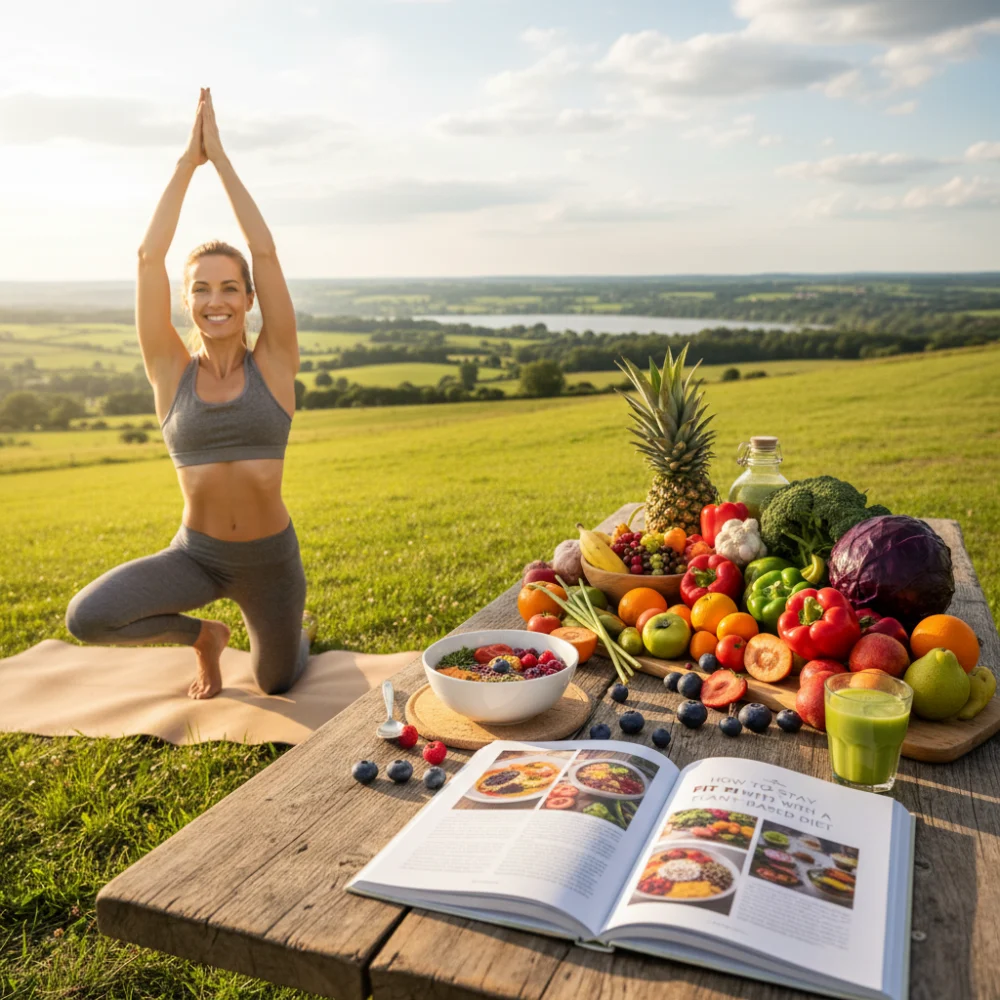
Introduction: The Power of Plants and Fitness
The intersection of plant-based diets and fitness is a powerful one. Contrary to popular belief, you don’t need animal products to achieve peak physical performance. A well-planned plant-based diet can provide all the nutrients necessary for building muscle, fueling workouts, and supporting overall health. This article delves into how to successfully combine plant-based eating with a fitness regime.
Understanding Plant-Based Nutrition
A plant-based diet primarily consists of foods derived from plants, including vegetables, fruits, legumes, grains, nuts, and seeds. It excludes or minimizes animal products like meat, dairy, and eggs. This dietary approach often leads to higher intakes of fiber, vitamins, minerals, and antioxidants, while typically being lower in saturated fat and cholesterol. It’s crucial to understand the nutritional landscape to optimize your fitness journey.
Protein: The Building Block for Muscle
Protein is essential for muscle repair and growth. Plant-based protein sources include lentils, beans, tofu, tempeh, edamame, quinoa, and nuts. It’s important to consume a variety of these sources to ensure you get all the essential amino acids. Consider including a plant-based protein powder in your diet if you find it difficult to meet your protein needs through whole foods alone.
Carbohydrates: Fueling Your Workouts
Carbohydrates are your primary energy source for exercise. Opt for complex carbohydrates like whole grains (brown rice, oats, quinoa), sweet potatoes, and fruits. These provide sustained energy release, preventing energy crashes during workouts. Avoid refined carbohydrates like white bread and sugary drinks, which can lead to blood sugar spikes and dips.
Fats: Essential for Hormone Production and Nutrient Absorption
Healthy fats are crucial for hormone production, nutrient absorption, and overall health. Include sources like avocados, nuts, seeds, and olive oil in your diet. Limit saturated fats found in some plant-based foods like coconut oil, and avoid trans fats entirely.
Micronutrients: Vitamins and Minerals
Plant-based diets are naturally rich in many vitamins and minerals. Focus on getting enough iron, vitamin B12, calcium, and vitamin D. Iron-rich foods include spinach, lentils, and fortified cereals. Vitamin B12 is often supplemented, as it’s not readily available in plant foods. Calcium can be found in fortified plant milks, tofu, and leafy greens. Vitamin D is often obtained through sun exposure or supplementation.
Planning Your Plant-Based Diet for Fitness
Careful planning is key. Create a meal plan that includes a variety of plant-based foods. Consider your activity level and adjust your calorie and macronutrient intake accordingly. Use a food tracking app to monitor your intake and ensure you’re meeting your nutritional needs.
Pre-Workout Nutrition: Fueling Up for Success
Before your workout, consume a meal or snack that provides carbohydrates for energy and a moderate amount of protein. Examples include oatmeal with berries and nuts, a banana with peanut butter, or a tofu scramble with whole-wheat toast. Avoid heavy, high-fat meals that can cause digestive discomfort during exercise.
Post-Workout Nutrition: Recovery and Repair
After your workout, focus on protein and carbohydrates to aid in muscle recovery and replenish glycogen stores. A protein shake with fruit, a lentil soup, or a quinoa bowl with vegetables and beans are excellent choices. Aim to eat within an hour of finishing your workout.
Hydration: The Unsung Hero
Water is essential for performance and recovery. Drink plenty of water throughout the day, especially before, during, and after workouts. Dehydration can significantly impair performance and increase the risk of injury.
Supplementation: When It’s Necessary
While a well-planned plant-based diet can provide most nutrients, some supplements may be beneficial. Consider vitamin B12, vitamin D, iron (if needed), and creatine (for muscle strength). Consult with a healthcare professional or registered dietitian before starting any new supplements.
Sample Plant-Based Meal Plan
A sample daily meal plan could include:
- Breakfast: Oatmeal with berries, nuts, and plant-based milk.
- Lunch: Large salad with lentils, chickpeas, and a tahini dressing.
- Snack: Apple slices with peanut butter.
- Dinner: Tofu stir-fry with brown rice and mixed vegetables.
Plant-Based Recipes for Fitness Enthusiasts
Explore a variety of plant-based recipes to keep your meals interesting and enjoyable. Look for recipes that are high in protein and complex carbohydrates. Experiment with different spices and flavors to avoid food boredom. Websites and cookbooks dedicated to plant-based fitness offer a wealth of inspiration.
Common Challenges and How to Overcome Them
One common challenge is ensuring adequate protein intake. Another is managing potential nutrient deficiencies. Careful planning, food tracking, and supplementation can help overcome these challenges. Don’t be afraid to consult with a registered dietitian or nutritionist for personalized guidance.
Conclusion: Thriving on Plants and Fitness
Embracing a plant-based diet while pursuing fitness is not only achievable but also incredibly rewarding. By understanding the nutritional principles, planning your meals, and staying consistent, you can fuel your body, build muscle, and achieve your fitness goals. Embrace the power of plants and unlock your full potential!