Introduction: The Holy Grail of Fitness
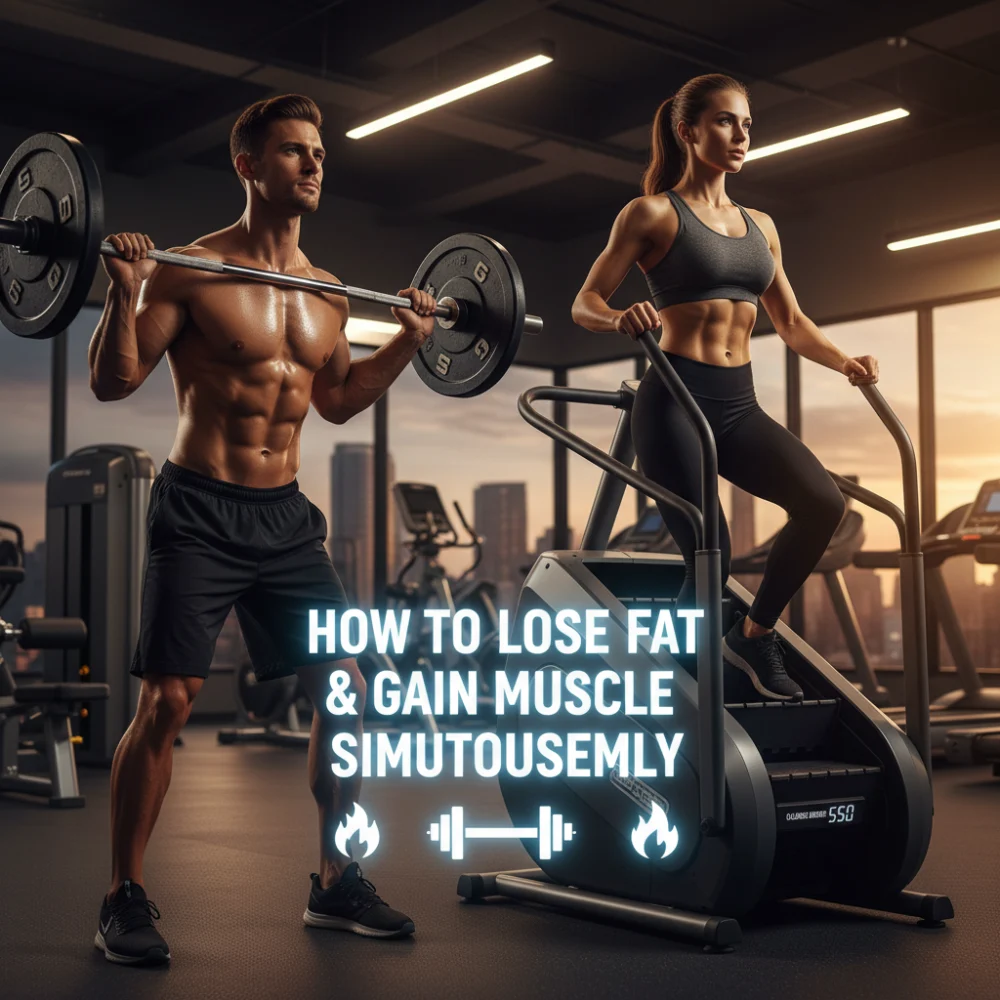
The pursuit of a leaner, more muscular physique is a common aspiration. The ability to lose fat while simultaneously building muscle, often referred to as body recomposition, is a highly sought-after goal. While traditionally considered difficult, it’s not impossible. This article delves into the strategies, principles, and considerations necessary to make this a reality.
Understanding the Science: Calorie Deficit and Protein Intake
The cornerstone of fat loss is a sustained calorie deficit, meaning you consume fewer calories than your body expends. Muscle growth, on the other hand, requires sufficient protein and a stimulus for growth, such as resistance training. The challenge lies in creating a deficit without sacrificing muscle mass and providing enough protein for muscle repair and growth. Aim for a moderate calorie deficit, typically 20-25% below your maintenance level. Prioritize protein intake, aiming for 1.6-2.2 grams of protein per kilogram of body weight.
The Power of Resistance Training: Stimulating Muscle Growth
Resistance training is paramount. Weightlifting, bodyweight exercises, and other forms of resistance training provide the necessary stimulus for muscle growth. Focus on compound exercises like squats, deadlifts, bench presses, and overhead presses, as they engage multiple muscle groups simultaneously. Progressive overload, gradually increasing the weight, reps, or sets over time, is crucial for continued muscle development. Aim for 2-4 resistance training sessions per week, allowing for adequate rest and recovery between workouts.
Optimizing Your Diet: Macronutrient Ratios and Food Choices
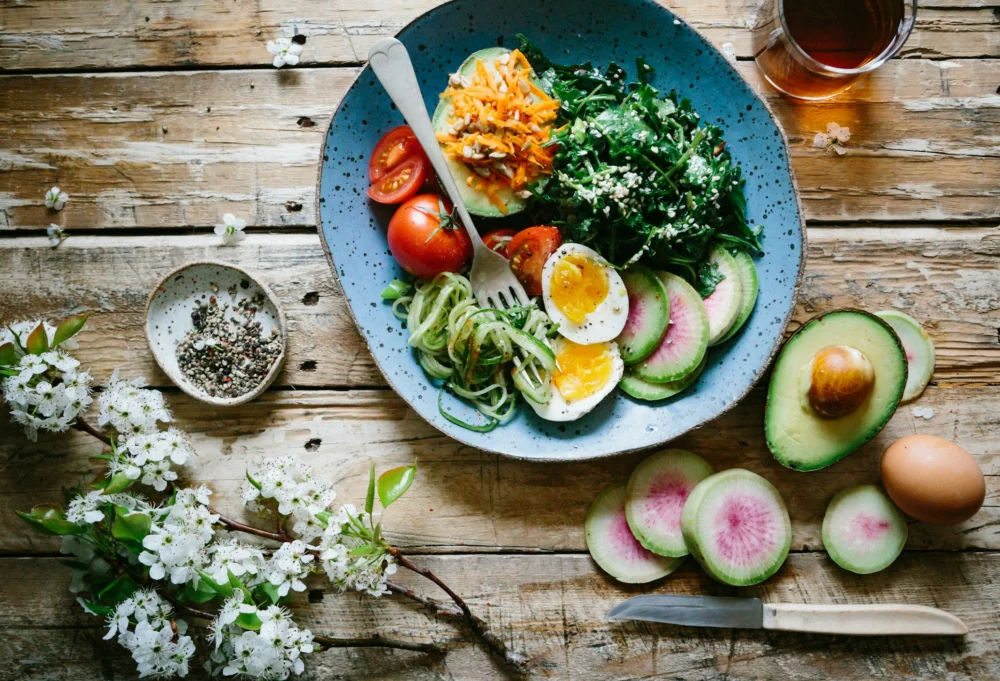
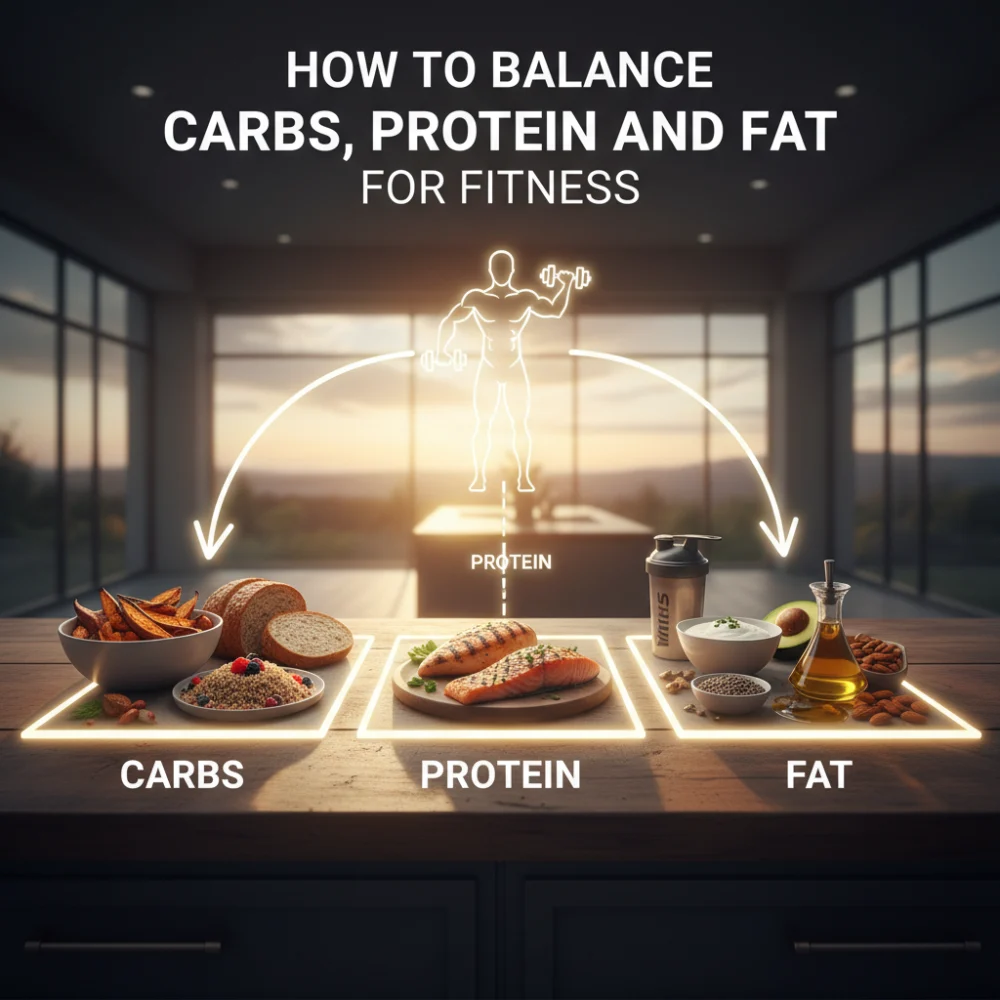
Beyond calorie intake and protein, macronutrient ratios play a crucial role. While protein is king for muscle growth, carbohydrates and fats are also essential. Carbohydrates provide energy for workouts, and fats support hormone production and overall health. A balanced diet, rich in whole, unprocessed foods, is the key. Prioritize lean protein sources like chicken breast, fish, and lean cuts of beef. Include complex carbohydrates such as brown rice, quinoa, and sweet potatoes. Embrace healthy fats from sources like avocados, nuts, and olive oil.
The Importance of Cardio: Enhancing Fat Loss
Cardiovascular exercise, or cardio, can significantly aid in fat loss. It increases calorie expenditure, contributing to the overall calorie deficit. However, excessive cardio can potentially hinder muscle growth. Find a balance that works for you. Incorporate moderate-intensity cardio, such as brisk walking or jogging, for 2-3 sessions per week. High-intensity interval training (HIIT) can also be effective, but be mindful of recovery.
Tracking Progress: Monitoring Your Results
Regularly monitoring your progress is essential. Track your weight, body measurements (waist, hips, etc.), and body composition (using methods like skinfold calipers or bioelectrical impedance analysis). Take progress photos to visually assess your physique changes. Adjust your diet and training plan as needed based on your results. Don’t be discouraged by fluctuations; consistency is key.
Supplementation Considerations: Supporting Your Efforts
While not essential, certain supplements can support your efforts. Protein powder can help you meet your protein needs, especially after workouts. Creatine monohydrate is a well-researched supplement that can enhance muscle strength and power. Consider a multivitamin to ensure you’re getting essential micronutrients. Always consult with a healthcare professional before starting any new supplements.