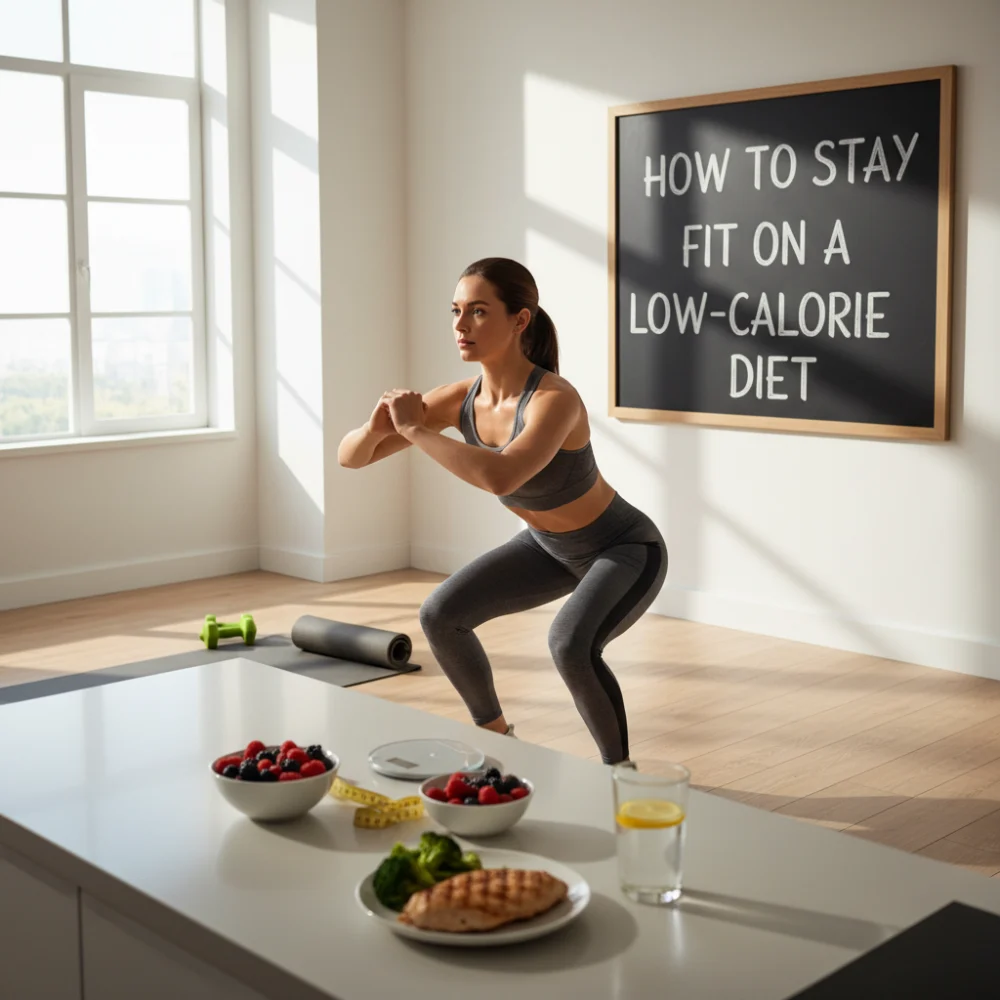
Achieving peak physical fitness is a multifaceted endeavor that extends far beyond the gym floor. While consistent training is vital, the fuel you provide your body—your nutrition—often dictates the speed and sustainability of your results. Central to this nutritional strategy is the significant reduction of ultra-processed foods (UPFs).
Understanding the Enemy: What Constitutes a Processed Food?
It is crucial to distinguish between minimally processed items (like pasteurized milk or frozen vegetables) and ultra-processed foods. UPFs are industrial formulations typically containing five or more ingredients, many of which are not used in home cooking, such as high-fructose corn syrup, hydrogenated oils, flavor enhancers, and artificial colorings. These foods are engineered for hyper-palatability, leading to overconsumption and poor nutrient density.
The Fitness Impact of Ultra-Processed Consumption
For anyone serious about fitness, UPFs present several roadblocks. They are often calorically dense but micronutrient-poor, meaning you consume excess energy without essential vitamins, minerals, or fiber needed for recovery and metabolic function. Furthermore, the high glycemic load in many UPFs leads to rapid blood sugar spikes and crashes, sabotaging sustained energy levels required for intense workouts.
Strategy 1: The Kitchen Audit and Pantry Purge
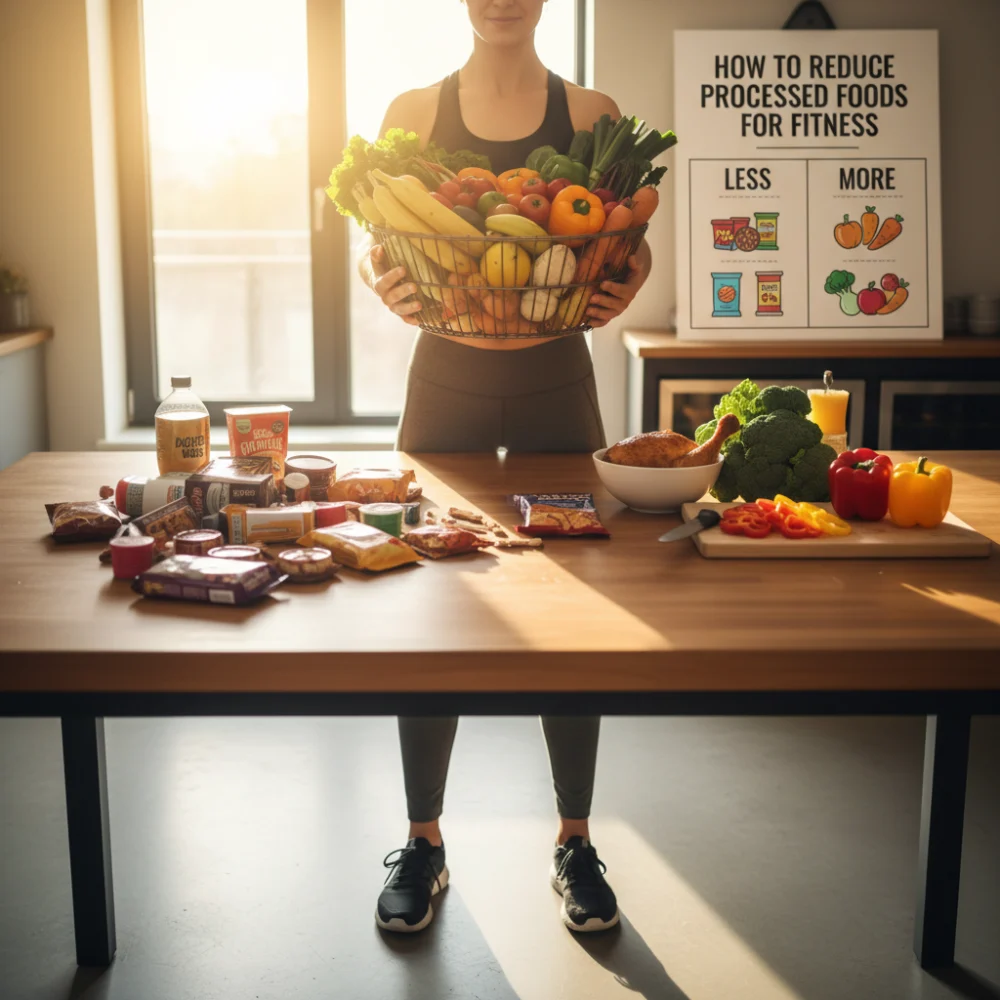
The first actionable step is a thorough assessment of your current food environment. Begin by removing the most obvious culprits from your pantry and refrigerator. If it comes in a brightly colored box, has a long shelf life, and lists ingredients you cannot pronounce, it needs to go. This physical removal eliminates daily temptation and forces reliance on whole alternatives.
Strategy 2: Prioritizing the Perimeter of the Grocery Store
Most grocery stores are designed to guide shoppers toward the center aisles, where the majority of UPFs reside. To counteract this, focus 80% of your shopping time on the perimeter: the produce section, the butcher/seafood counter, and the dairy/egg section. These areas house whole, minimally altered foods that form the bedrock of a clean diet.
Practical Swaps for Common Processed Items:
- Instead of sugary breakfast cereals, opt for plain rolled oats topped with fresh fruit and nuts.
- Replace packaged deli meats (often high in sodium and nitrates) with freshly cooked chicken breast or lean steak.
- Swap sweetened yogurt for plain Greek yogurt, which you can flavor naturally with vanilla extract or cinnamon.
- Eliminate sodas and sports drinks in favor of water, sparkling water with lemon, or unsweetened iced tea.
Strategy 3: Mastering Meal Preparation (Meal Prep)
The primary reason people default to processed foods is convenience. Counter this by making whole-food preparation equally convenient. Dedicate a few hours one or two days a week to batch-cook staples like lean proteins (ground turkey, lentils) and complex carbohydrates (quinoa, sweet potatoes). Having ready-to-eat, nutritious components drastically reduces the likelihood of reaching for fast food or packaged snacks.
The Role of Fiber and Satiety
Processed foods are notoriously low in dietary fiber, which is critical for gut health and long-term satiety. By replacing refined carbohydrates with whole grains, legumes, vegetables, and fruits, you naturally increase fiber intake. This leads to feeling fuller for longer, which is essential for maintaining a calorie deficit necessary for fat loss, without constant hunger pangs.