
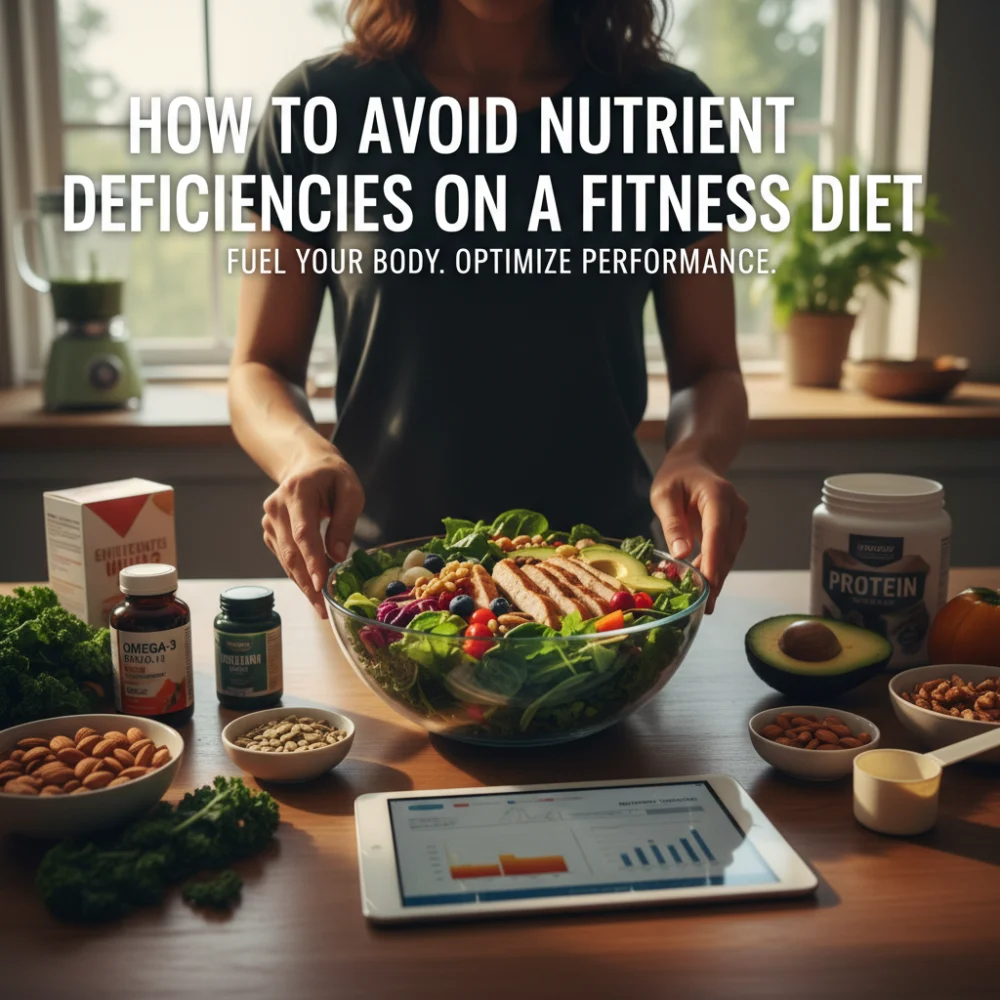
For dedicated athletes and fitness enthusiasts, the focus often gravitates towards macronutrients: protein for muscle repair, carbohydrates for fuel, and fats for hormonal health. While macro tracking is vital, neglecting the intricate world of micronutrients—vitamins and minerals—is a fast track to plateaus, persistent fatigue, and even injury. A restrictive fitness diet, often designed for rapid fat loss or specific body composition goals, can inadvertently strip the diet of essential cofactors necessary for optimal bodily functions.
The Hidden Danger of Caloric Restriction
When an individual enters a significant caloric deficit, the sheer volume of food consumed decreases. This inherently reduces the diversity of nutrient sources. Even if the remaining food is high quality, the total intake of certain trace minerals, like zinc or magnesium, may fall below the Recommended Dietary Allowance (RDA), especially if the diet lacks variety in vegetables, nuts, and seeds.
Magnesium Deficiency: The Silent Performance Killer: Magnesium is involved in over 300 enzymatic reactions, including ATP production (energy) and muscle relaxation. Symptoms of deficiency often manifest as muscle cramps, poor sleep quality, and increased anxiety—all detrimental to a rigorous training schedule. Ensuring adequate intake through dark leafy greens, pumpkin seeds, and potentially supplementation is crucial.
Protein Focus and Mineral Gaps
High-protein diets, common in bodybuilding circles, can sometimes lead to increased urinary excretion of certain minerals, notably calcium and magnesium, as the body buffers the increased acid load from protein metabolism. This necessitates a proactive approach to mineral balance.
- Calcium Paradox: While dairy or fortified alternatives provide calcium, relying solely on these sources might miss out on Vitamin K2, which is essential for directing calcium to the bones rather than soft tissues.
- Sodium and Potassium Balance: Intense training leads to significant electrolyte loss via sweat. Simply replacing sodium without adequate potassium (found in sweet potatoes, bananas, and avocados) can disrupt fluid balance and nerve signaling.
The Critical Role of B Vitamins for Energy Metabolism
B vitamins (Thiamin, Riboflavin, Niacin, B6, B12, Folate) are the workhorses of energy production. They act as coenzymes to convert the food you eat into usable energy. Athletes with higher energy demands have a proportionally higher need for these vitamins.
Vitamin B12 and Iron in Plant-Based Fitness Diets: Individuals following vegan or vegetarian fitness plans face specific risks. Vitamin B12 is almost exclusively found in animal products. Chronic deficiency leads to megaloblastic anemia and neurological issues. Similarly, non-heme iron (from plants) is less bioavailable than heme iron (from meat), requiring careful pairing with Vitamin C to maximize absorption.
Fat-Soluble Vitamins: Absorption and Storage Concerns
Vitamins A, D, E, and K require dietary fat for proper absorption. If an individual is aggressively cutting dietary fat to manage calories or achieve a lean physique, they risk malabsorption of these crucial vitamins, even if they are present in the food consumed.
Vitamin D: The Sunshine Vitamin Deficit: Vitamin D deficiency is rampant globally, exacerbated by indoor training schedules and living in northern latitudes. Low Vitamin D is strongly linked to compromised immune function, poor bone mineral density, and impaired muscle function. Testing levels annually is highly recommended for serious athletes.
Strategies for Proactive Deficiency Prevention
Avoiding deficiencies requires moving beyond simple calorie counting to embracing nutritional density. This means prioritizing whole, unprocessed foods that offer the highest concentration of micronutrients per calorie.