The Misconception of Starvation in Fat Loss
Many individuals believe that achieving a leaner physique requires extreme caloric restriction and constant hunger. However, this approach often leads to metabolic adaptation, muscle loss, and eventual weight regain. True fat loss is achieved by creating a sustainable caloric deficit while prioritizing nutrient-dense foods that keep you full. By understanding the science of satiety, you can transform your body without the psychological and physiological stress of starvation.
The Power of Protein for Satiety
Protein is the most satiating macronutrient, meaning it keeps you feeling full for longer periods compared to fats or carbohydrates. When you consume high-quality protein sources like lean meats, eggs, or legumes, your body releases hormones like peptide YY and GLP-1, which signal to the brain that you are satisfied. Furthermore, protein has a high thermic effect, requiring more energy to digest, which naturally boosts your metabolism during the fat loss process.
Embracing Volumetric Eating
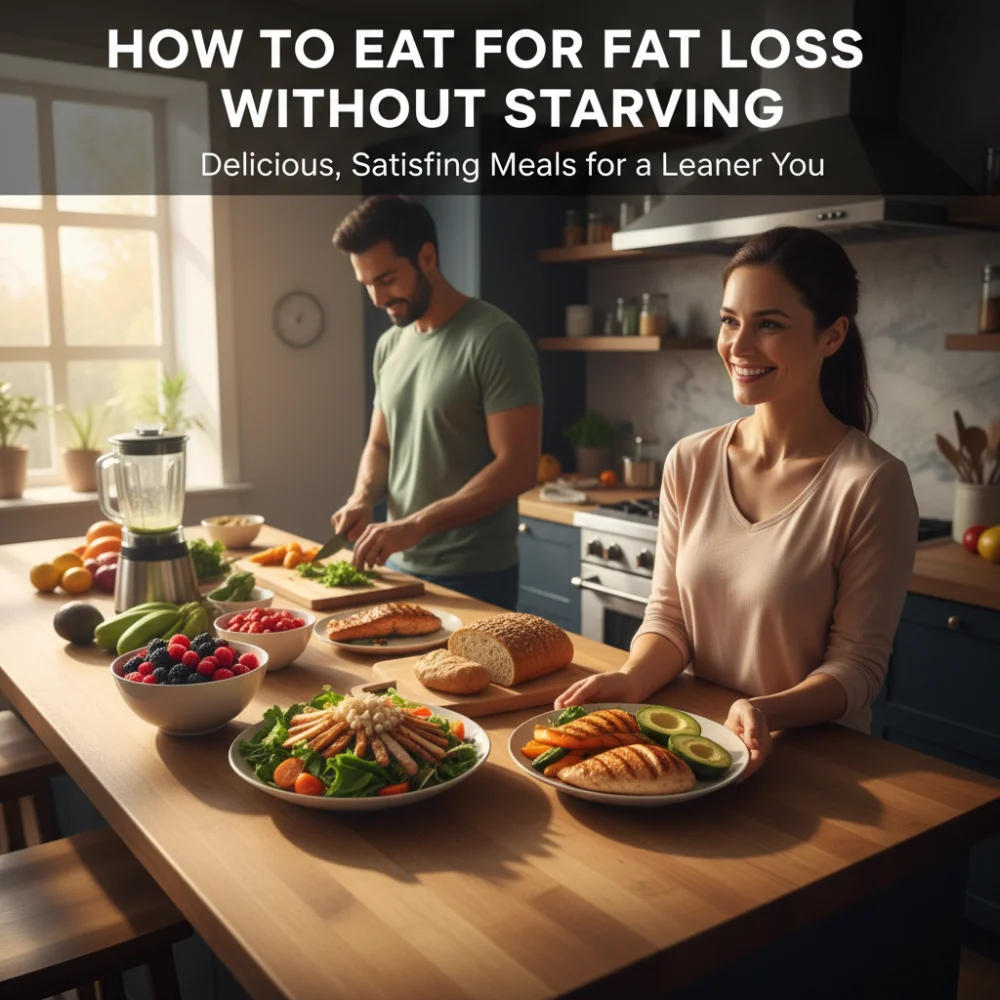
Volumetric eating is a strategy that focuses on consuming large quantities of low-calorie-density foods. By filling your plate with leafy greens, cruciferous vegetables, and water-rich fruits, you can physically distend the stomach, which triggers stretch receptors that signal fullness. This allows you to eat large, satisfying meals while keeping your total caloric intake low, effectively tricking your brain into feeling like you are not on a diet at all.
The Role of Dietary Fiber
Fiber is an essential tool for fat loss because it slows down the rate of digestion and stabilizes blood sugar levels. Soluble fiber, found in oats and beans, forms a gel-like substance in the gut, while insoluble fiber, found in whole grains and vegetables, adds bulk to the stool. Fiber offers benefits such as:
- Increased fullness
- Improved gut microbiome health
- Reduced calorie absorption
These factors make fiber a non-negotiable component of a hunger-free fat loss plan.
Healthy Fats and Hormonal Regulation
While fats are calorie-dense, they play a crucial role in hormonal health and the absorption of fat-soluble vitamins. Including moderate amounts of healthy fats such as avocados, nuts, and olive oil can slow gastric emptying. This means food stays in your stomach longer, providing a steady stream of energy and preventing the sharp hunger pangs that often lead to overeating later in the day.
Hydration as a Hunger Management Tool
It is common for the brain to mistake thirst for hunger. Staying adequately hydrated throughout the day ensures that your metabolic processes function optimally and helps prevent unnecessary snacking. Drinking a glass of water before meals can also help reduce the total amount of food consumed by increasing the volume in the stomach. Aim for consistent water intake rather than waiting until you feel thirsty to maintain peak cognitive and physical performance.
Managing Blood Sugar and Insulin
Frequent consumption of refined carbohydrates and sugary snacks leads to rapid spikes in blood glucose followed by sharp crashes. These crashes trigger intense cravings and irritability, making it difficult to stick to a fat loss plan. By choosing complex carbohydrates with a low glycemic index, such as sweet potatoes and quinoa, you provide your body with sustained energy and avoid the hormonal roller coaster that drives hunger.
The Importance of the Thermic Effect of Food
The Thermic Effect of Food (TEF) refers to the energy required for digestion, absorption, and disposal of nutrients. Protein has the highest TEF, followed by carbohydrates and then fats. By structuring your diet around whole foods rather than processed items, you increase the amount of energy your body burns simply by eating. This metabolic advantage allows for a slightly higher caloric intake while still maintaining a deficit, further reducing the risk of starvation.
Mindful Eating and Psychological Fullness
Fat loss is as much a mental game as it is a physical one. Mindful eating involves paying full attention to the experience of eating, noticing textures, flavors, and internal hunger cues. By slowing down and eliminating distractions like television or smartphones, you allow your brain to register the signals of fullness that usually take about 20 minutes to reach the brain. This practice prevents accidental overconsumption and improves your relationship with food.
Optimizing Sleep for Appetite Control
Lack of sleep significantly disrupts the balance of hunger hormones, specifically leptin and ghrelin. Leptin is responsible for signaling fullness, while ghrelin stimulates appetite. When you are sleep-deprived, leptin levels drop and ghrelin levels rise, leading to intense cravings for high-calorie, sugary foods. Prioritizing 7 to 9 hours of quality sleep is a cornerstone of fat loss that requires no extra calories but provides massive benefits for hunger management.
The Strategy of Refeed Days
Extended periods of caloric restriction can lead to a downregulation of thyroid hormones and leptin. Implementing strategic refeed days, where you temporarily increase your carbohydrate intake to maintenance levels, can help reset these hormones. This psychological break also makes the diet more sustainable in the long term, as it provides a mental reprieve and helps maintain training intensity during exercise sessions.
Practical Meal Preparation
Hunger often leads to poor decision-making when there are no healthy options available. Meal prepping ensures that you have nutrient-dense, high-satiety meals ready to go, reducing the temptation to order fast food. Focus on the following steps:
- Pre-washing and cutting vegetables
- Cooking bulk protein sources
- Portioning out snacks like nuts or yogurt
Having a plan eliminates the decision fatigue that often derails fat loss efforts.
Eliminating Liquid Calories
One of the easiest ways to reduce caloric intake without increasing hunger is to eliminate liquid calories. Sodas, sweetened coffees, and fruit juices provide very little satiety because they bypass the chewing process and are quickly absorbed. By replacing these with water, herbal teas, or black coffee, you can save hundreds of calories daily that can instead be spent on solid foods that provide actual volume and fullness.
The Role of Resistance Training
While nutrition is the primary driver of fat loss, resistance training plays a vital role in body composition. Building muscle mass increases your basal metabolic rate, meaning you burn more calories at rest. This allows you to eat more food while still losing fat. Additionally, the post-exercise period often suppresses appetite in some individuals, further aiding in the management of daily caloric goals without feeling deprived.
Building a Sustainable Lifestyle
Fat loss should not be viewed as a temporary sprint but as a permanent shift in lifestyle. The most successful diets are those that can be followed for years, not weeks. By focusing on food quality, satiety, and metabolic health, you can achieve your aesthetic goals while feeling energized and satisfied. Remember that consistency over time will always outperform perfection for a short duration. Focus on progress, not deprivation.