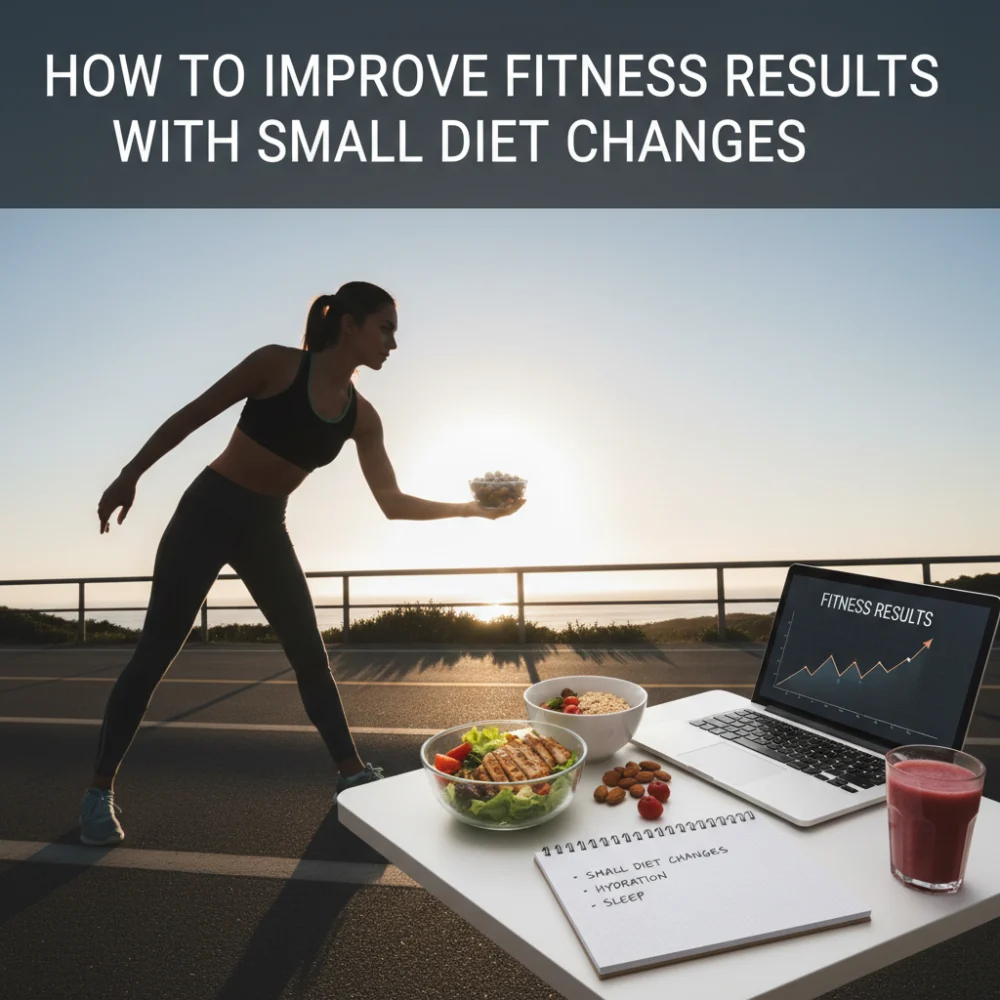

Introduction: The Pitfalls of Fad Diets
In the pursuit of fitness, many are lured by the promise of quick results offered by fad diets. These diets, often characterized by extreme restrictions and unsustainable practices, may lead to temporary weight loss, but they rarely deliver long-term health and well-being. This article explores how to achieve and maintain fitness without resorting to these potentially harmful trends, focusing instead on building a sustainable and enjoyable lifestyle.
Understanding Sustainable Fitness
Sustainable fitness is about making gradual, lasting changes to your lifestyle that promote both physical and mental well-being. It’s a holistic approach that encompasses balanced nutrition, regular physical activity, and mindful habits. Unlike fad diets, which focus on short-term weight loss, sustainable fitness aims for long-term health benefits and a positive relationship with food and exercise.
The Foundation: Balanced Nutrition
A cornerstone of sustainable fitness is balanced nutrition. This means consuming a variety of nutrient-dense foods from all food groups, including fruits, vegetables, whole grains, lean proteins, and healthy fats. Focus on fueling your body with the energy it needs to thrive, rather than restricting calories to an extreme.
Prioritizing Whole Foods
Whole foods are unprocessed or minimally processed foods in their natural state. Examples include fruits, vegetables, whole grains, legumes, nuts, and seeds. These foods are packed with essential vitamins, minerals, and fiber, which are crucial for overall health and fitness. Aim to make whole foods the foundation of your diet.
The Importance of Protein
Protein is essential for building and repairing tissues, supporting muscle growth, and promoting satiety. Include lean protein sources in your diet, such as chicken, fish, beans, lentils, tofu, and Greek yogurt. Aim for a protein intake that supports your activity level and fitness goals.
Healthy Fats: Fueling Your Body
Healthy fats are crucial for hormone production, brain function, and nutrient absorption. Incorporate sources of healthy fats into your diet, such as avocados, nuts, seeds, olive oil, and fatty fish like salmon. Remember that while healthy, fats are calorie-dense, so consume them in moderation.
Hydration is Key
Water is essential for virtually every bodily function, including energy production, nutrient transport, and waste removal. Staying adequately hydrated can also help control appetite and improve exercise performance. Aim to drink plenty of water throughout the day, especially before, during, and after physical activity.
Regular Physical Activity: Finding What You Enjoy
Physical activity is a vital component of sustainable fitness. The key is to find activities that you enjoy and can incorporate into your routine consistently. This could be anything from brisk walking and jogging to swimming, cycling, dancing, or team sports.
The Benefits of Strength Training
Strength training is essential for building muscle mass, increasing bone density, and boosting metabolism. Aim to incorporate strength training exercises into your routine at least two to three times per week. You can use weights, resistance bands, or your own body weight to perform exercises like squats, lunges, push-ups, and rows.
Cardiovascular Exercise: Boosting Endurance
Cardiovascular exercise, also known as cardio, is important for improving heart health, increasing endurance, and burning calories. Aim for at least 150 minutes of moderate-intensity cardio or 75 minutes of vigorous-intensity cardio per week. Examples include brisk walking, jogging, cycling, swimming, and dancing.
Mindful Eating: Paying Attention to Your Body
Mindful eating involves paying attention to your body’s hunger and fullness cues, eating slowly and deliberately, and savoring each bite. This practice can help you develop a healthier relationship with food and prevent overeating. Try to minimize distractions while eating and focus on the taste, texture, and aroma of your food.
Listen to Your Body’s Signals
Paying attention to your body’s signals is crucial for sustainable fitness. This means recognizing when you’re hungry, full, tired, or sore, and adjusting your diet and exercise accordingly. Avoid pushing yourself too hard, especially when you’re just starting out. Rest and recovery are just as important as activity.
The Importance of Sleep
Sleep is essential for physical and mental recovery. During sleep, your body repairs tissues, consolidates memories, and regulates hormones. Aim for seven to nine hours of quality sleep each night. Establish a regular sleep schedule and create a relaxing bedtime routine to improve your sleep quality.
Stress Management Techniques
Chronic stress can negatively impact your health and fitness by increasing cortisol levels, which can lead to weight gain and muscle loss. Incorporate stress management techniques into your routine, such as meditation, yoga, deep breathing exercises, or spending time in nature. Find activities that help you relax and unwind.
Conclusion: Building a Sustainable Lifestyle
Staying fit without following fad diets is about building a sustainable lifestyle that encompasses balanced nutrition, regular physical activity, and mindful habits. By focusing on long-term health and well-being, rather than quick fixes, you can achieve lasting results and enjoy a healthier, happier life. Remember that consistency and patience are key. Embrace the journey and celebrate your progress along the way.