
Reaching a significant fitness milestone, whether it’s shedding pounds, building substantial muscle, or improving endurance, is an exhilarating accomplishment. However, many individuals find the subsequent phase—maintenance—to be the most challenging. The intense, focused approach required for initial transformation often wanes, leading to the dreaded ‘rebound’ effect. The key to long-term success is not a radical diet but the integration of sustainable, healthy eating habits that support the body you have worked hard to build.
The Shift from Cutting/Bulking to Maintenance Metabolism
The dietary strategies used during periods of aggressive fat loss (caloric deficit) or significant muscle gain (caloric surplus) are inherently unsustainable for the long term. Maintenance mode requires a delicate balance: consuming enough energy to fuel daily activities and workouts without encouraging fat storage. This transition demands meticulous attention to caloric intake, moving from tracking for extremes to tracking for balance.
Caloric Balance is Non-Negotiable: For long-term maintenance, your caloric intake must closely match your Total Daily Energy Expenditure (TDEE). This TDEE is dynamic, changing based on your activity level, age, and current body composition. Regularly reassessing your TDEE, perhaps every 6-8 weeks, prevents slow, unintentional weight creep.
Prioritizing Macronutrient Distribution for Longevity
While calories dictate weight, macronutrients dictate body composition. To maintain fitness results, the focus must shift to preserving lean muscle mass, which is metabolically active and crucial for sustaining a higher resting metabolic rate.
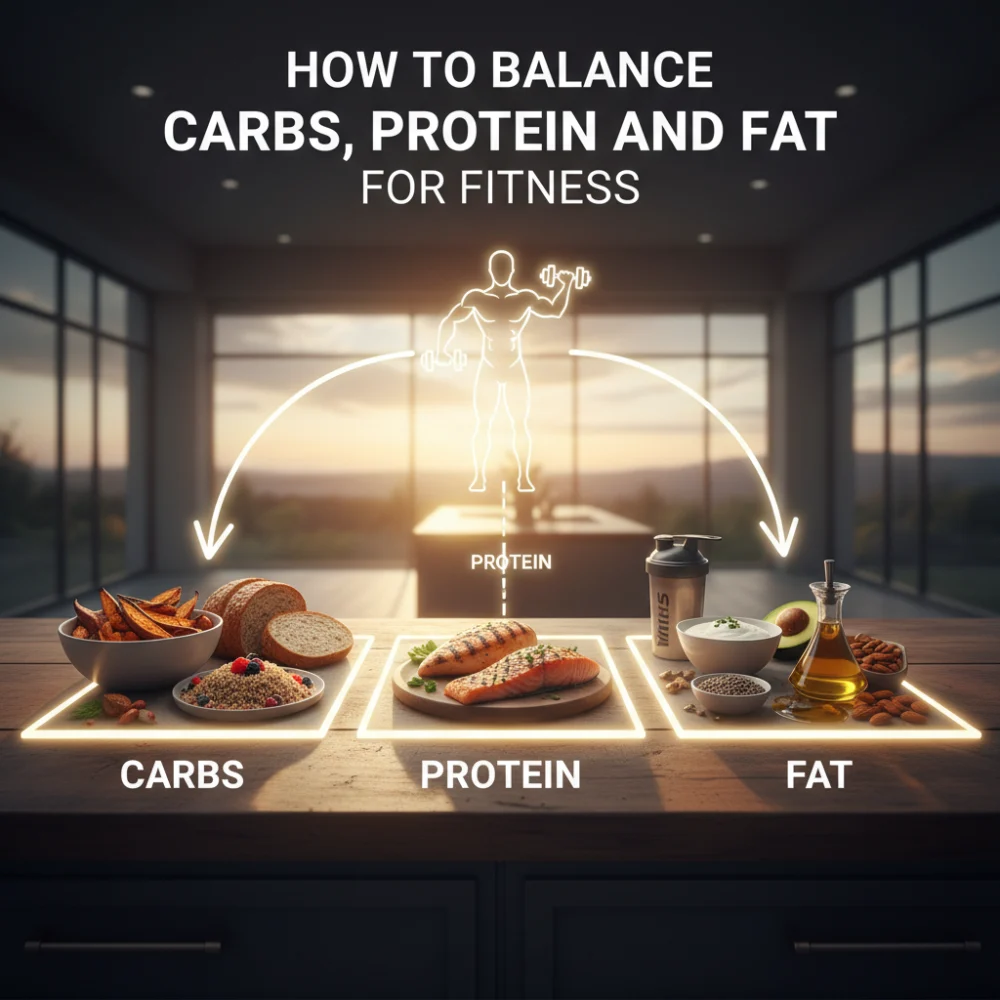
- Protein Intake: For maintenance, aim for the higher end of the recommended range, typically 0.8 to 1 gram of protein per pound of body weight, especially if you are still training intensely. Protein is essential for muscle repair and satiety.
- Healthy Fats: Do not fear fats. Essential fatty acids (found in avocados, nuts, and olive oil) are vital for hormone production, vitamin absorption, and long-term satiety. Aim for 20-30% of total calories from quality fat sources.
- Complex Carbohydrates: Carbs are the primary fuel source for workouts. Focus on whole grains, vegetables, and fruits. These provide sustained energy and necessary fiber, which aids digestive health and blood sugar stability.
The Danger of Under-Eating in Maintenance: A common mistake is drastically cutting calories after achieving a goal, believing that since the weight is off, less fuel is needed. This signals the body to downregulate metabolism and potentially cannibalize muscle tissue for energy, undermining all previous efforts.
Hydration: The Often-Ignored Pillar of Maintenance
Water intake is profoundly underrated in fitness maintenance. Dehydration can mimic hunger, lead to energy slumps that derail workouts, and impair nutrient transport. Consistent hydration supports joint health, optimal digestion, and efficient energy utilization.
Practical Hydration Tips: Carry a reusable water bottle everywhere. Aim for at least half your body weight in ounces of water daily, increasing this amount significantly on heavy training days. Herbal teas and water-rich foods also contribute.
The Role of Micronutrients and Food Quality
When volume eating is no longer necessary (as in a deficit), the quality of the calories consumed becomes paramount. Maintenance requires a nutrient-dense diet to ensure all bodily systems function optimally.
Focus on Colorful Produce: A wide array of vitamins and minerals supports recovery, reduces inflammation, and ensures hormonal balance. Aim to eat the rainbow daily. These micronutrients are the spark plugs for your metabolic engine.