Bodyweight training reigns supreme for its accessibility and simplicity. All you need is your own body and a sliver of space to ignite a powerful workout. Yet, a common hurdle for dedicated enthusiasts is the challenge of progressive overload – the cornerstone of building serious muscle and strength. This is precisely where the humble yet mighty weighted vest steps in. By simply donning an extra layer of resistance, you can transform any bodyweight exercise or cardio session into a significantly more demanding and rewarding experience.
Training with a weighted vest isn’t just about brute force; it’s about refining your body control and awareness while introducing the novel stimuli your muscles crave for growth and strength development. Imagine your standard lunges, pull-ups, or squats suddenly demanding more from you. A weighted vest offers one of the most straightforward routes to escalating your training intensity without drastically altering your routine or cluttering your home gym with bulky equipment.
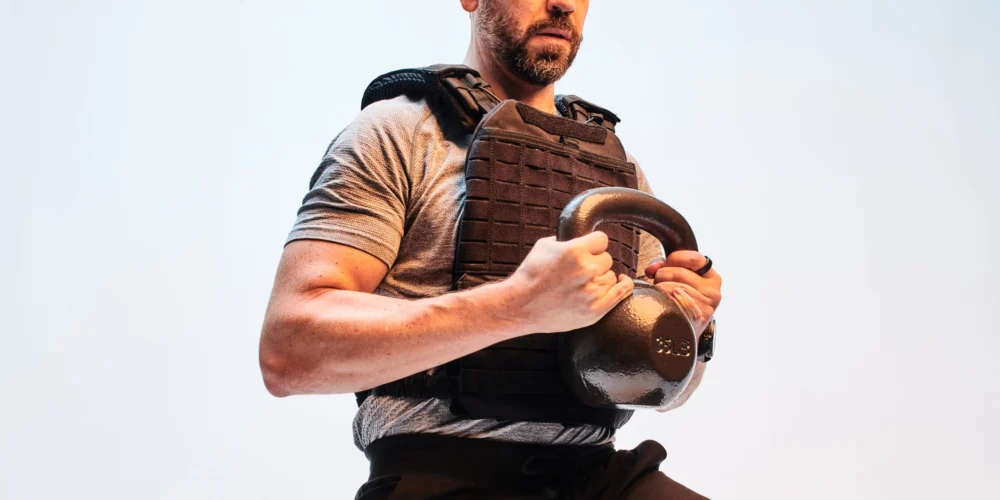
The popularity of weighted vests has surged, particularly within the functional fitness and CrossFit communities. They’ve become an iconic piece of gear, most famously associated with "The Murph," a grueling benchmark workout performed annually to honor fallen heroes. Weighted vests range from minimalist harnesses offering a few pounds of added resistance to robust rigs designed to mimic military-grade body armor, capable of holding substantial metal plates. After extensive testing, we’ve curated a selection of the finest weighted vests to elevate your training, no matter your goal.

What to Look For in a Weighted Vest
Before you embark on your quest for the perfect weighted vest, understanding the key factors that differentiate good from great is essential. Consider these points carefully:
Type of Use
Your intended application for the vest is paramount. If your aim is to enhance your runs, jogs, or hikes, a vest that fits snugly and securely without excessive movement is crucial. A bouncing vest can disrupt your natural stride and become a significant annoyance.
Conversely, if your focus is on strength training exercises like squats or deadlifts, a more robust vest designed to accommodate heavier loads will be your best bet. For those new to weighted vests, starting with a lighter option (around 10-15 pounds) is a wise choice. It allows you to acclimate to the added resistance and gain confidence before considering heavier increments.

Fit and Comfort
A snug fit is non-negotiable. A vest that shifts or bounces during exercise can alter your biomechanics, leading to inefficient movement patterns and potential discomfort. It should hug your torso without feeling restrictive, allowing for a full range of motion. Think of it as a second skin, an extension of your body that enhances, rather than hinders, your movements.
Weight Capacity and Distribution
The ideal weight for your vest hinges on your current fitness level and training objectives. For muscle and strength building, vests capable of holding significant weight (20 pounds or more) are beneficial. A common starting point is 5-10% of your body weight, with 10-15% being suitable for more experienced individuals. For enhancing athleticism and speed, lighter vests (under 10 pounds) are preferable to maintain explosiveness.
Pay attention to how the weight is distributed. Some vests concentrate weight in the front or back, while others aim for an even distribution across the torso. Adjustable weight systems offer the greatest versatility, allowing you to tailor the load to specific exercises and progress over time.

Durability and Material
The longevity of a weighted vest is intrinsically linked to its construction. Entry-level vests often use neoprene or lighter nylon, which are comfortable and suitable for jogging. However, for heavier loads and more intense training, consider vests made from more robust materials like Cordura, heavy-duty synthetics, or even Kevlar. These materials offer superior durability and can withstand greater weight, though they typically come with a higher price tag.
Our Top Weighted Vest Picks
After rigorous testing and expert consultation, we’ve identified the following weighted vests as the best options for a variety of training needs:
1. The Versatile All-Rounder: [Brand Name] Kevlar Weight Vest
This vest stands out for its exceptional blend of durability and adjustability. Constructed from high-performance CORDURA fabric, it’s designed to withstand rigorous workouts. Its unique cross-strap system ensures it remains securely in place, even during explosive movements. Available in various weight increments, it allows for precise customization of your load.

- Why we love it: Its rugged construction, secure fit, and excellent adjustability make it suitable for nearly any training scenario, from intense cardio to strength-focused sessions. It moves with your body, not against it, providing a seamless training experience.
2. The Premium Comfort Champion: [Brand Name] Hyper Vest Elite
If comfort is your top priority, this vest is a game-changer. Its innovative lace-up design offers a supremely comfortable and secure fit, adapting to your body’s contours. The blend of high-quality materials ensures durability while maintaining breathability.
- Why we love it: This vest offers unparalleled comfort, making it ideal for longer training sessions or for individuals sensitive to chafing. The premium feel and performance justify its higher price point, especially for those who prioritize a luxurious workout experience.
3. The Tactical Powerhouse: [Brand Name] Plate Carrier
Channel your inner warrior with this rugged plate carrier. Designed to mimic military-grade equipment, it’s built to hold weight plates, transforming bodyweight exercises into formidable challenges. Its robust construction ensures it can handle substantial loads and endure intense use.
- Why we love it: For those seeking a tactical aesthetic and a serious challenge, this vest delivers. It’s perfect for CrossFit WODs like The Murph and offers a customizable loadout for a truly demanding workout.
4. The Athleticism Enhancer: [Brand Name] G-Vest
This vest redefines lightweight resistance training. Its minimalist design and superior fit allow for enhanced agility and explosive movements. The distributed weight system ensures comfort and freedom of motion, making it ideal for speed drills and dynamic exercises.

- Why we love it: It’s the perfect tool for athletes looking to boost their speed, agility, and power without sacrificing velocity. The customizability and form-fitting nature make it feel like a natural extension of your body.
5. The Budget-Friendly Performer: [Brand Name] Weighted Vest
For beginners or those on a tighter budget, this vest offers excellent value. Its straightforward design and comfortable neoprene construction make it a solid choice for walking and basic strength training. While fixed in weight, it provides a noticeable increase in resistance for everyday workouts.
- Why we love it: It’s an accessible entry point into weighted training, offering a good balance of comfort and effectiveness for moderate activities. The variety of colors adds a touch of personal style.
6. The Streamlined Tactical Option: [Brand Name] TacTec Trainer Weight Vest
Building on the reputation of its tactical predecessors, this trainer vest offers a more streamlined and accessible option. It provides a secure and comfortable fit with ample storage, making it versatile for various training styles.
- Why we love it: It strikes a great balance between tactical functionality and everyday training needs. The comfortable fit, breathable materials, and storage options make it a practical choice for those who want a high-quality vest without the bulk of a full plate carrier.
7. The Rucking Essential: [Brand Name] Ruck Plate Carrier 3.0
While not a traditional vest, this backpack-style carrier serves a similar purpose, offering excellent weight distribution for long-distance rucking and walks. Its ergonomic design prioritizes comfort, even during extended wear.

- Why we love it: This is the ultimate companion for endurance-focused activities. Its superior weight distribution and comfortable padding make it ideal for building stamina and resilience, especially for those who enjoy challenging hikes and long-distance marches.
The Undeniable Benefits of Weighted Vests
Incorporating a weighted vest into your fitness regimen can unlock a wealth of advantages:
Enhanced Overall Strength
When you hit a plateau with your bodyweight exercises, a weighted vest is your secret weapon. It allows you to progressively overload, challenging your muscles in new ways and stimulating continued strength gains. As your body adapts, you’ll see a significant improvement in overall strength and muscular development.
Fortified Core Strength
Bodyweight exercises naturally engage your core. Adding a weighted vest amplifies this benefit, ensuring your stabilizing muscles work harder. This leads to a more robust and resilient core, essential for efficient movement and injury prevention.

Superior Conditioning
Whether you’re a runner, hiker, or simply someone who enjoys a challenging cardio session, a weighted vest can elevate your conditioning. By training your body to move with added resistance, you build greater stamina and resilience, preparing you for more demanding physical feats.
Boosted Cardiovascular Fitness
The increased demand placed on your body by a weighted vest extends to your cardiovascular system. Your heart works harder to pump blood, leading to improved aerobic capacity and a stronger, healthier heart. Consistent use can significantly enhance your endurance and overall fitness.
Frequently Asked Questions About Weighted Vests
Are weighted vests effective for training?

Absolutely. They provide a novel stimulus that can boost calorie expenditure, intensify bodyweight exercises, and add excitement to your routine. They are a fantastic tool for breaking through plateaus and keeping your workouts fresh and challenging.
How heavy should my weighted vest be?
For beginners, start with a vest that’s 5-10% of your body weight. For more experienced individuals, 10-15% is a good range. If your goal is explosive athleticism, opt for a lighter vest to maintain speed and agility. Always prioritize proper form and listen to your body to avoid overexertion or injury.

Can I wear a weighted vest for running?
Yes, many vests are designed for running. Choose a vest that fits securely and comfortably to prevent chafing and bouncing. Lighter vests are generally preferred for running to maintain natural stride mechanics and speed.
How often should I use a weighted vest?
This depends on your goals and fitness level. For strength building, you might incorporate it into your regular weightlifting days. For conditioning, it could be used during runs or cardio sessions. Start gradually, perhaps 1-2 times per week, and increase frequency as your body adapts.
Elevate Your Training, Conquer Your Goals
The weighted vest is more than just an accessory; it’s a catalyst for transformation. By strategically adding resistance, you unlock new levels of strength, endurance, and athleticism. Whether you’re a seasoned athlete looking to break through plateaus or a beginner seeking to amplify your bodyweight routines, there’s a weighted vest out there ready to help you achieve your fitness aspirations.
So, step out of your comfort zone, embrace the challenge, and discover the power that lies within a well-chosen weighted vest. Your journey to a stronger, fitter you starts now.