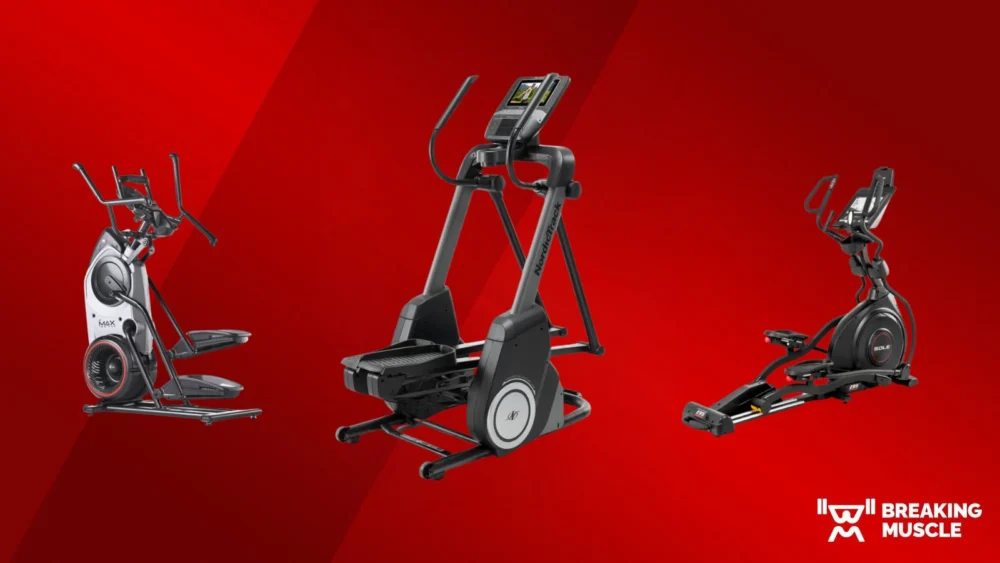
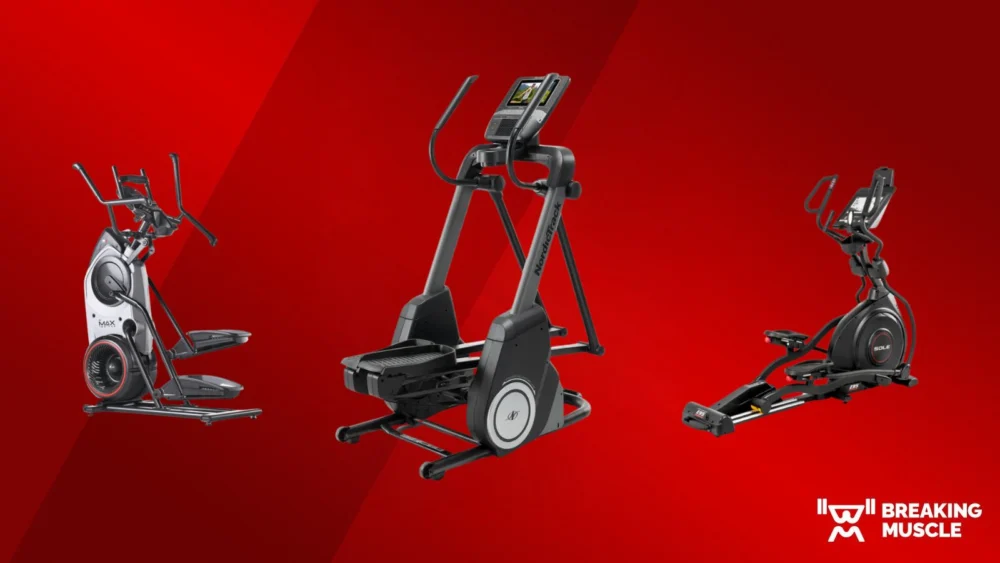
In the vast landscape of home fitness equipment, the elliptical machine often stands as a quiet powerhouse, a testament to effective, joint-friendly exercise that many beginners and even intermediate enthusiasts overlook. Far more than just a cardio device, the modern elliptical offers a dynamic, full-body workout that can transform your fitness journey without the high impact typically associated with running or other vigorous activities. It’s a versatile ally, whether you’re aiming to boost your cardiovascular health, shed some pounds, build endurance, or simply maintain an active lifestyle with comfort and consistency.
For those embarking on a fitness journey or looking to diversify their existing routine, the elliptical presents an enticing proposition. Its unique motion mimics natural running or walking but eliminates the jarring impact on your knees, hips, and ankles, making it an ideal choice for individuals recovering from injury, managing joint discomfort, or simply seeking a kinder approach to high-intensity training. Beyond its low-impact nature, the elliptical engages a symphony of muscle groups, from your quadriceps and hamstrings to your glutes, calves, and even your core, shoulders, and arms through its moving handlebars. This synergistic activation means you’re getting more bang for your buck in every sweat session.
This comprehensive guide is designed to demystify the elliptical machine, helping you unlock its full potential. We’ll delve into why the elliptical holds such a distinct advantage, how to use it effectively for maximum results, practical workout strategies to keep you engaged, and crucial factors to consider when choosing the perfect machine for your home. Prepare to redefine your perception of fitness as we explore the many facets of mastering low-impact, full-body fitness right from the comfort of your home.
The Elliptical Edge: Why This Machine Stands Apart
The elliptical trainer is a cornerstone of effective cardio, but its benefits extend far beyond simply raising your heart rate. Its unique design offers a holistic approach to fitness that sets it apart from many other exercise modalities.
A Sanctuary for Your Joints
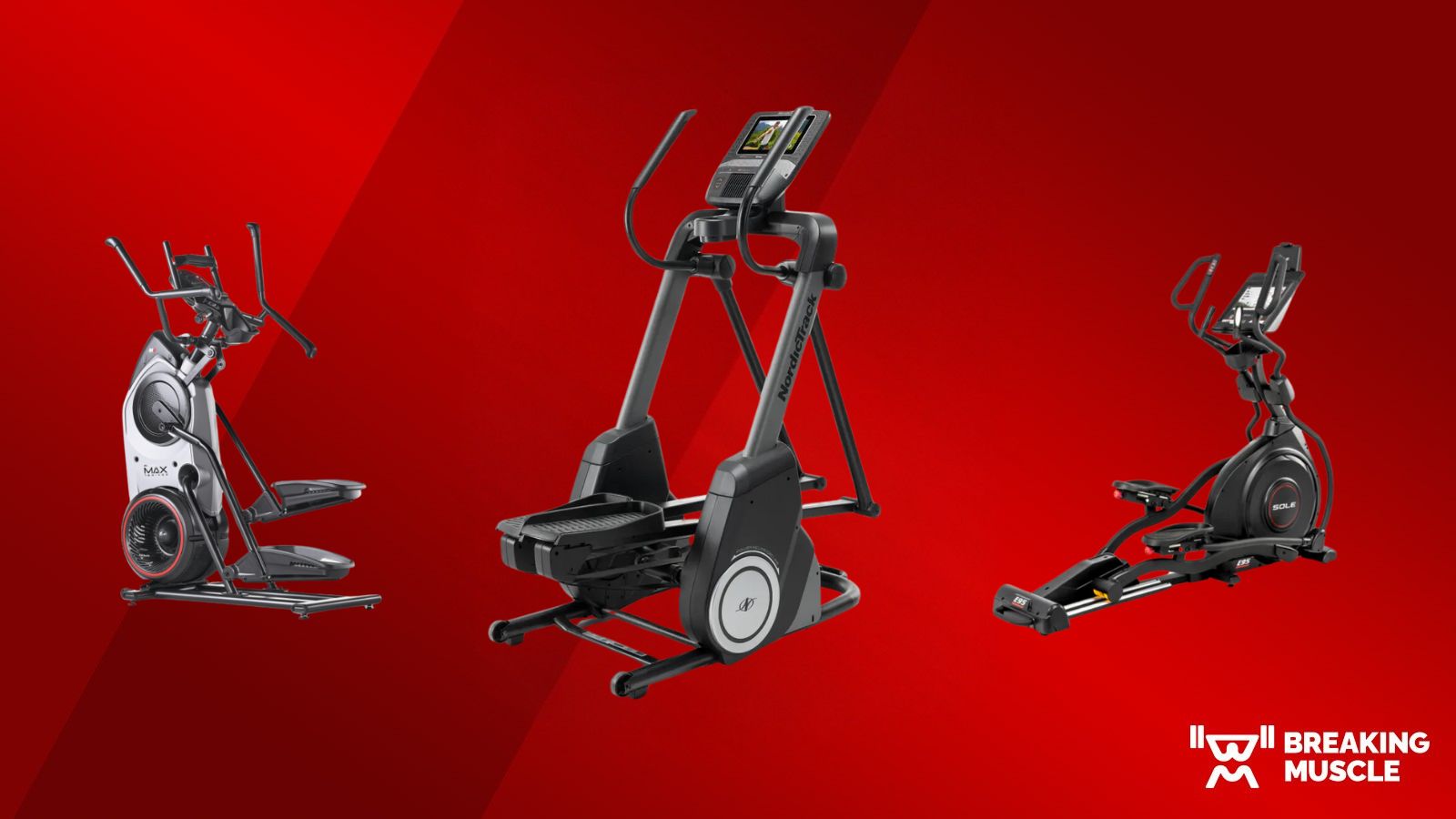
One of the most compelling reasons to integrate an elliptical into your fitness routine is its remarkably low-impact nature. Unlike running on a treadmill or pavement, where each foot strike sends shockwaves through your joints, the elliptical keeps your feet in continuous contact with the pedals. This gliding motion significantly reduces stress on your:
- Knees: A common area for impact-related issues.
- Hips: Protected from repetitive jarring.
- Ankles: Less strain compared to sudden stops and starts.
- Spine: Maintained in a more neutral position without jarring.
This makes the elliptical an exceptional choice for:
- Beginners: Easing into exercise without overwhelming the body.
- Individuals with joint pain or conditions: Providing a safe way to stay active.
- Those recovering from injuries: Facilitating rehabilitation and maintaining fitness.
- Older adults: Offering a gentle yet effective cardiovascular workout.
- Cross-training athletes: Providing an alternative cardio stimulus that allows joint recovery from high-impact sports.
The continuous, fluid movement promotes joint lubrication and can even help improve joint mobility over time. Listening to your body and choosing a comfortable resistance level initially will maximize this benefit, ensuring your workout is a source of strength, not strain.
Unleashing Full-Body Potential
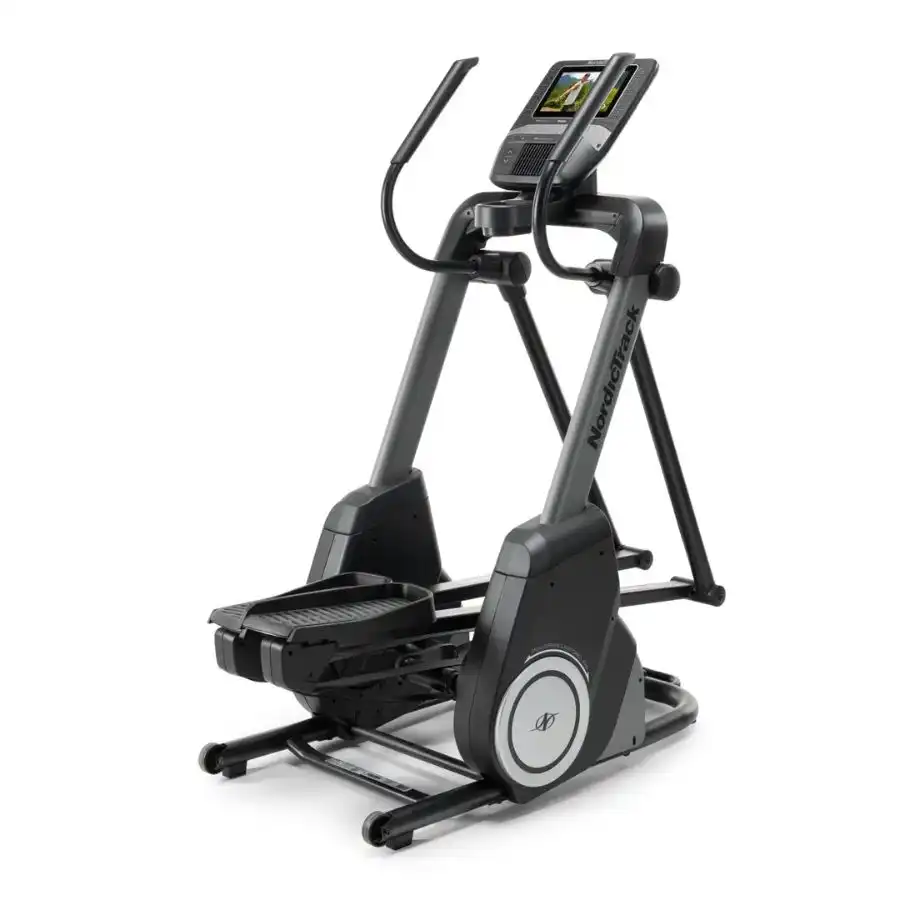
While often categorized solely as a cardio machine, the elliptical is a master of full-body engagement. Its dual-action design incorporates both foot pedals and moving handlebars, allowing you to work your upper and lower body simultaneously.
- Lower Body: The pedaling motion vigorously activates your:
- Quadriceps: Engaged as you extend your legs forward.
- Hamstrings: Activated as you pull the pedals back.
- Glutes: Powerful drivers of the movement, especially when resistance is increased or incline is used.
- Calves: Stabilize and assist in the push-off phase.
- Upper Body: The moving handlebars recruit your:
- Biceps and Triceps: As you pull and push the handles.
- Shoulders: Involved in the pushing and pulling actions.
- Back Muscles: Provide stability and contribute to the pulling motion.
- Core: Your abdominal and lower back muscles are constantly engaged to stabilize your torso throughout the movement, preventing swaying and ensuring efficient power transfer. This subtle yet continuous core work contributes to improved posture and overall stability.
This synergistic muscle activation means you’re burning more calories and building more comprehensive strength than you would with a machine that isolates only the lower body, like a stationary bike, or primarily the lower body with some core, like a treadmill. It’s an efficient way to tone and strengthen multiple muscle groups within a single workout session.
Cardiovascular Zenith
The elliptical is an incredibly effective tool for elevating your heart rate and boosting your cardiovascular fitness. Because it engages so many muscle groups simultaneously, your body requires more oxygen, leading to a significant cardiovascular demand.
- Endurance Building: Regular elliptical sessions, particularly steady-state workouts, train your heart and lungs to work more efficiently, improving your stamina for daily activities and other forms of exercise.
- Calorie Burn: The full-body engagement and ability to maintain a high intensity translate to a substantial calorie expenditure. This makes it an excellent choice for those focused on weight management or fat loss, as maintaining a consistent calorie deficit is key.
- Heart Health: Consistent aerobic exercise on the elliptical strengthens your heart muscle, improves blood circulation, and can contribute to lower blood pressure and reduced risk of heart disease.
The beauty of the elliptical is its capacity to challenge you without feeling overly strenuous due to the smooth, natural motion. You can push your limits and achieve significant cardiovascular benefits while minimizing perceived exertion.
Versatility for Every Fitness Level
From a gentle rehabilitation tool to a high-intensity interval training (HIIT) powerhouse, the elliptical’s adaptability is one of its greatest strengths.
- Beginner-Friendly: Newcomers can start with low resistance and a comfortable pace, gradually building endurance and familiarity with the movement. The fixed foot path and supportive handles offer a sense of security and balance.
- Intermediate Progression: As fitness improves, users can dramatically increase intensity by:
- Increasing Resistance: Making the pedaling motion harder, engaging muscles more deeply.
- Adjusting Incline: If available, altering the ramp angle changes which lower body muscles are emphasized, simulating climbing a hill and increasing the challenge.
- Varying Speed: Accelerating your pace to elevate heart rate and intensity.
- Advanced Challenges: The elliptical is perfectly suited for interval training, alternating between periods of high intensity and recovery. This method is highly effective for improving anaerobic fitness, boosting metabolism, and breaking through plateaus.
This inherent versatility ensures that your elliptical can grow with you on your fitness journey, consistently offering new challenges and keeping your workouts fresh and effective.
Navigating the Elliptical: Your First Steps to Mastery
Getting the most out of your elliptical machine begins with understanding how to use it correctly and safely. Proper form and a structured approach to your workouts are crucial for maximizing benefits and preventing injury.
Setting the Stage: Proper Form and Posture
Correct form is paramount on any exercise machine, and the elliptical is no exception. Focusing on your posture and movement mechanics will ensure you engage the right muscles and protect your joints.
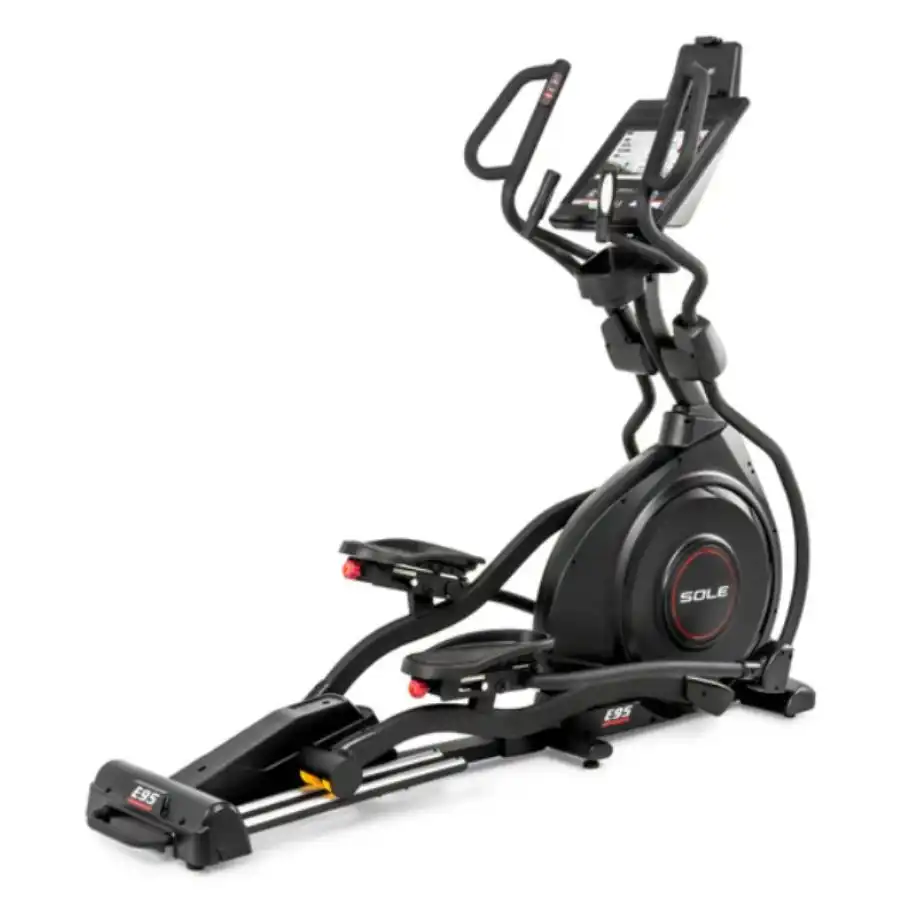
- Foot Placement: Position your feet centrally on the pedals, ensuring your entire foot, including your heel, remains in contact throughout the stride. Avoid lifting your heels or letting your toes hang off the edge, as this can strain your ankles or calves.
- Upright Posture: Stand tall with your chest open and shoulders relaxed, pulled slightly back and down. Avoid hunching over the handlebars. Maintain a slight bend in your knees, never locking them.
- Engage Your Core: Throughout your workout, gently pull your navel towards your spine. This engages your core muscles, providing stability, improving balance, and protecting your lower back.
- Handlebar Grip: If using the moving handlebars, grip them lightly, allowing your arms to move naturally with the machine. Avoid leaning heavily on them, as this reduces the workload on your legs and core. The handlebars are there to assist, not support your entire body weight.
- Head and Gaze: Keep your head in a neutral position, looking straight ahead rather than down at your feet. This helps maintain spinal alignment.
Real-life example: Imagine you’re gracefully gliding on air, not stomping or wrestling with the machine. Your movements should be fluid and controlled. If you find yourself bouncing excessively or feeling unstable, reduce your speed and resistance to regain control over your form.
The Art of the Warm-Up and Cool-Down
Every effective workout, regardless of intensity, should be bookended by a proper warm-up and cool-down. These phases are critical for optimizing performance and safeguarding your body.
- Warm-Up (5-10 minutes):
- Purpose: Prepares your cardiovascular system for increased demand, gradually elevates heart rate, increases blood flow to muscles, and improves joint mobility.
- Execution: Begin with a very light resistance and a slow to moderate pace on the elliptical. Focus on the smooth, fluid motion. Incorporate some dynamic stretches off the machine, such as arm circles, leg swings, and torso twists, to further prepare your body.
- Cool-Down (5-10 minutes):
- Purpose: Gradually brings your heart rate and breathing back to resting levels, helps prevent blood pooling, and aids in muscle recovery.
- Execution: Slowly decrease your speed and resistance on the elliptical until you’re moving at a very easy pace. After stepping off, perform static stretches, holding each stretch for 20-30 seconds. Focus on major muscle groups worked, including hamstrings, quadriceps, calves, chest, and shoulders.
Neglecting these crucial phases can increase your risk of injury and hinder your body’s ability to recover effectively.
Mastering the Controls: Resistance, Incline, and Stride
Understanding and utilizing your elliptical’s controls allows you to tailor your workout to your specific goals and fitness level.
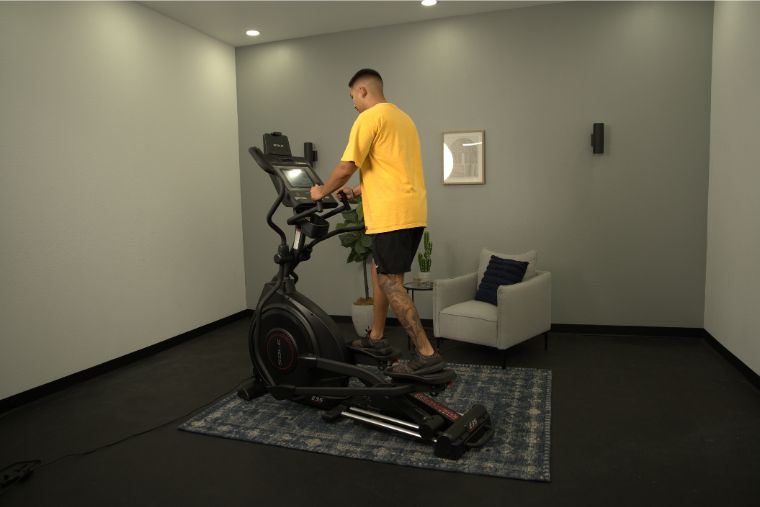
- Resistance: This controls how hard it is to pedal. Higher resistance levels simulate cycling uphill or pushing against a stronger force, increasing muscle engagement and cardiovascular challenge.
- Actionable Advice: Start with a low resistance level that allows you to maintain good form. As you warm up and your body adapts, gradually increase the resistance to a point where you feel challenged but can still complete your desired workout duration.
- Incline (if available): Many ellipticals offer an adjustable ramp or incline, which changes the angle of your stride. Increasing the incline emphasizes different muscle groups in your lower body, particularly your glutes and hamstrings, mimicking the feeling of climbing a steep hill.
- Actionable Advice: Experiment with different incline levels. A higher incline will make your workout feel more like stair climbing, while a flatter incline is more akin to walking or running. Varying the incline can prevent muscle adaptation and keep your workouts challenging.
- Stride Length: While often fixed, some advanced ellipticals allow you to adjust the stride length. This feature is crucial for comfort, as an ideal stride length feels natural for your body. A shorter stride can feel like climbing stairs, while a longer stride is more like running.
- Actionable Advice: If your machine has an adjustable stride, find the length that feels most comfortable and natural for your height and leg length. It should allow for a full range of motion without feeling cramped or overextended.
By consciously manipulating these settings, you can create a diverse range of workouts that continually challenge your body and help you achieve your fitness objectives.
Dynamic Workouts for Every Goal: Beyond Basic Pedaling
The elliptical is incredibly versatile, capable of delivering a wide spectrum of workouts. Moving beyond simply "pedaling" can significantly enhance your results and keep your fitness journey exciting.
Steady-State Cardio: Building Your Foundation
Steady-state cardio involves maintaining a consistent, moderate intensity for a prolonged period. It’s the bedrock of cardiovascular fitness and an excellent starting point for most individuals.
- What it is: You should be able to hold a conversation, but not sing. Your breathing will be elevated, but you shouldn’t be gasping for air. This typically falls into 60-75% of your maximum heart rate.
- Benefits:
- Aerobic Capacity: Improves your body’s ability to use oxygen efficiently, boosting endurance.
- Fat Burning: While fat loss is systemic, steady-state cardio is effective for calorie expenditure and teaching your body to utilize fat as a fuel source during sustained activity.
- Stress Reduction: The rhythmic, repetitive motion can be meditative and help reduce stress.
- Example Workout:
- Duration: 20-40 minutes (progress gradually).
- Intensity: Moderate resistance and pace, where you can maintain a conversational level.
- Frequency: 3-5 times per week.
This type of workout is perfect for building a strong aerobic base, improving overall health, and enhancing your body’s ability to perform longer durations of physical activity.
High-Intensity Interval Training (HIIT): Igniting Your Metabolism
HIIT involves short bursts of intense exercise followed by brief periods of active recovery. It’s a time-efficient and highly effective method for improving fitness.
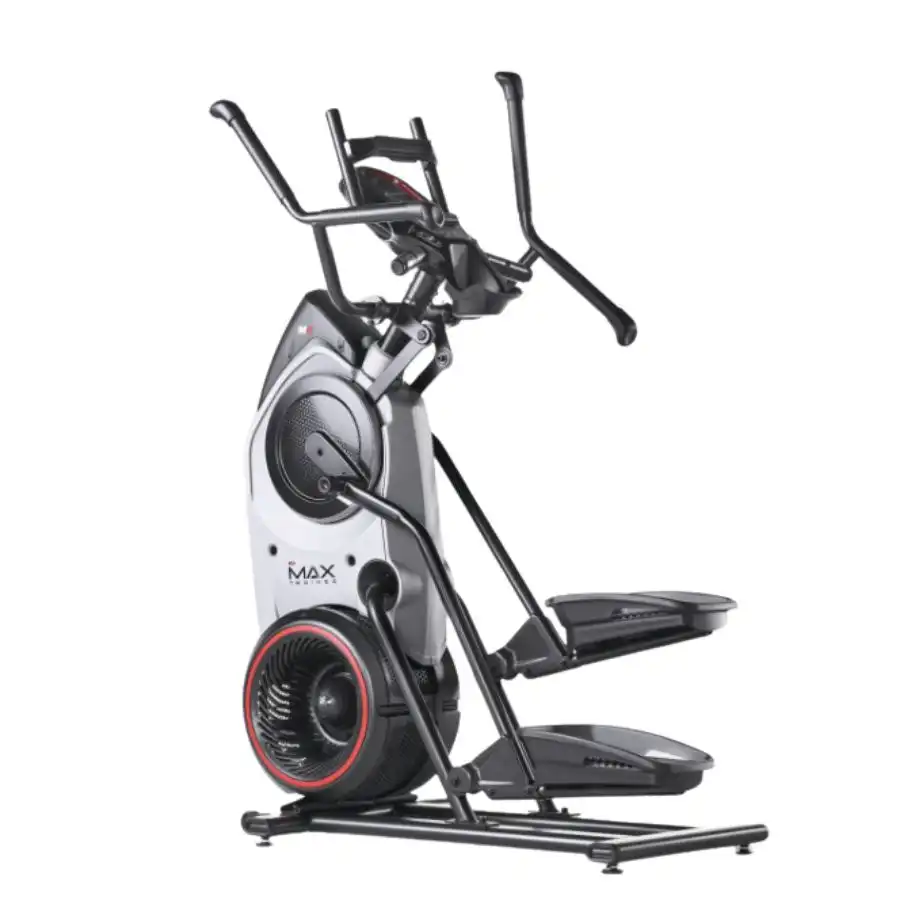
- What it is: Alternating between "work" intervals (all-out effort) and "rest" intervals (low-intensity recovery).
- Benefits:
- Maximized Calorie Burn: Even after your workout, your body continues to burn calories at an elevated rate (EPOC – Excess Post-exercise Oxygen Consumption).
- Improved Endurance: Pushes your anaerobic threshold, making you fitter and faster.
- Time-Efficient: Shorter workouts can yield significant results.
- Example Workout Structure:
- Warm-up: 5 minutes moderate pace.
- Work Interval (30-60 seconds): Increase resistance and speed to a very challenging level (e.g., 8-9 out of 10 on perceived exertion scale). You should be breathing heavily and finding it difficult to speak.
- Rest Interval (60-90 seconds): Reduce resistance and speed to a very easy, comfortable pace (e.g., 3-4 out of 10). Focus on catching your breath.
- Repeat: Cycle through 8-12 rounds of work and rest.
- Cool-down: 5 minutes easy pace.
- Actionable Advice: HIIT is demanding. Start with fewer rounds and shorter work intervals, gradually increasing as your fitness improves. Listen to your body, and don’t be afraid to take an extra recovery day if needed. This type of training is generally recommended 1-3 times per week, allowing for adequate recovery.
The Power of Reverse Pedaling: New Muscle Engagement
Don’t limit yourself to forward motion. Pedaling backward on the elliptical offers a unique set of benefits and helps engage different muscle groups.
- How it Works: Reverse pedaling places a greater emphasis on your:
- Hamstrings: They become more active in pulling the pedals.
- Glutes: Work harder to drive the backward motion.
- Calves: Engage in a different way to stabilize the movement.
- Benefits:
- Muscle Balance: Helps to balance muscle development in your lower body, which is crucial for overall joint health and performance.
- Variety: Breaks monotony and keeps your workouts engaging.
- Functional Strength: Improves coordination and strengthens muscles used in different planes of motion.
- Practical Tip: Integrate short intervals of reverse pedaling into your regular routine. For example, pedal forward for 5 minutes, then backward for 2 minutes, repeating throughout your workout. Keep the resistance moderate initially to master the new movement pattern.
Progressive Overload: The Key to Continuous Improvement
To continue seeing results, your body needs to be continually challenged. This principle, known as progressive overload, is fundamental to any successful fitness program.
- Explain Principle: Your muscles adapt to the demands you place on them. Once they adapt, you need to increase the demand to continue improving.
- How to Apply on Elliptical:
- Increase Resistance: Gradually turn up the resistance level over time.
- Increase Incline: If your machine has it, incrementally raise the incline.
- Extend Duration: Add 1-2 minutes to your workout duration each week or every few weeks.
- Boost Speed: Try to maintain a slightly faster pace for the same duration.
- Increase Frequency: Add an extra workout day to your week.
- Reduce Rest Intervals (for HIIT): Shorten your recovery periods between high-intensity bursts.
By consistently seeking ways to make your elliptical workouts slightly more challenging, you’ll ensure your body continues to adapt, grow stronger, and improve its cardiovascular efficiency. Remember, small, consistent increases over time lead to significant long-term gains.
Choosing Your Ideal Fitness Partner: What to Consider for Home Setup
Investing in an elliptical for your home is a significant decision. With a myriad of options available, understanding what to look for will help you select a machine that perfectly aligns with your needs, space, and budget.
Understanding Key Specifications
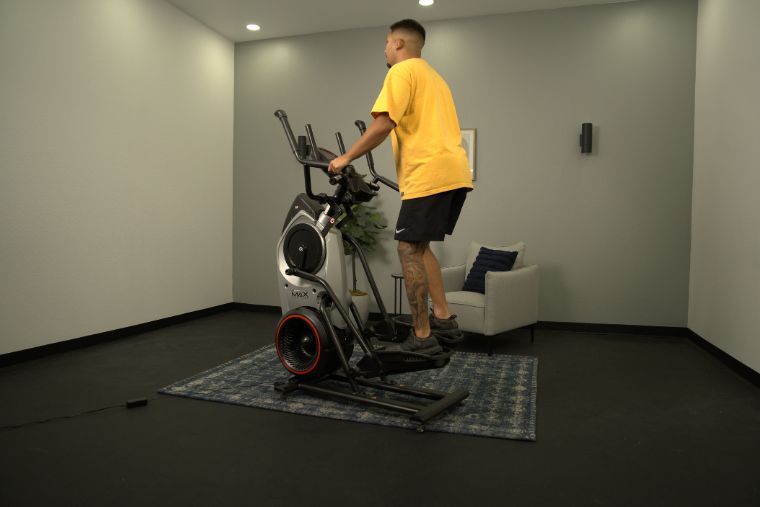
Delving into the technical aspects of an elliptical can seem daunting, but a few key specifications directly impact your workout experience.
- Flywheel Weight: The flywheel is the heavy, rotating wheel that generates resistance and provides momentum. Generally, a heavier flywheel (typically 15 lbs or more) translates to a smoother, more fluid, and quieter stride. It also contributes to the machine’s overall stability and durability. Lighter flywheels might feel choppier, especially at higher resistance levels.
- Resistance Types: Most modern ellipticals use magnetic resistance, which is quiet, smooth, and requires minimal maintenance. Some older or more basic models might use air or friction resistance. Magnetic resistance is generally preferred for a comfortable home workout experience.
- Stride Length: This refers to the maximum distance the pedals move from front to back during one full revolution. It’s perhaps the most critical factor for comfort.
- A stride length of 18-20 inches is considered ideal for most adults, providing a natural-feeling motion that mimics walking or running.
- Shorter individuals (under 5’3") might find a 16-18 inch stride comfortable.
- Taller individuals (over 6’0") may prefer 20 inches or more to avoid feeling cramped.
- Actionable Advice: Test out different stride lengths if possible. A stride that’s too short will feel like you’re climbing stairs, while one that’s too long can feel like an awkward stretch.
- Incline Capability: As discussed, adjustable incline adds variability to your workouts, allowing you to target different muscle groups and increase intensity without necessarily speeding up. This feature can significantly enhance your training options.
Ergonomics and Comfort
A comfortable machine is one you’ll actually use. Pay attention to the ergonomic design to ensure a pleasant workout experience.
- Pedal Design: Look for large, cushioned pedals that accommodate various foot sizes and provide a secure, non-slip surface. Some advanced models offer adjustable pedal angles, which can help align your knees and ankles for optimal comfort and reduced strain.
- Handlebars: Consider both the fixed and moving handlebars.
- Moving Handlebars: Should be positioned comfortably within reach, allowing for a natural push-pull motion without overextending your arms or leaning excessively.
- Fixed Handlebars: Useful for focusing solely on lower body work or for balance.
- Grip: Multi-grip handlebars offer different hand positions, allowing you to target various upper body muscles and provide comfort during longer sessions.
- User Weight Capacity: This specification indicates the maximum safe weight the machine can support. Always choose an elliptical with a weight capacity that exceeds your own by a comfortable margin to ensure stability and durability.
Practical Considerations for Home Use
Bringing a fitness machine into your home requires thought about your living space.
- Footprint and Portability: Ellipticals can take up considerable space. Measure your designated workout area carefully, considering not just the machine’s dimensions but also the clearance needed around it for safe use. If space is limited, look for compact models, those with a smaller footprint, or even folding ellipticals that can be stored away. Transport wheels are a valuable feature for easy relocation.
- Noise Level: For home environments, a quiet machine is often a priority, especially if you plan to work out early in the morning or late at night. Magnetic resistance systems are typically the quietest.
- Durability and Build Quality: A sturdy frame, often made of heavy-gauge steel, indicates a durable machine built to last. Read reviews to gauge real-world durability. A good warranty (e.g., 10+ years on the frame, 2-5 years on parts) is also a strong indicator of manufacturer confidence in their product.
Integrated Technology and Connectivity
Modern ellipticals come with a range of technological features that can enhance your workout experience.
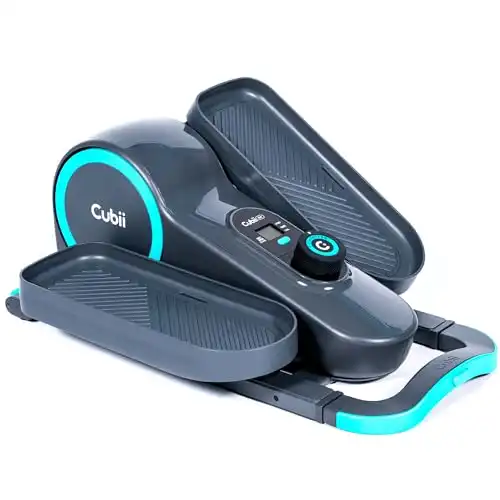
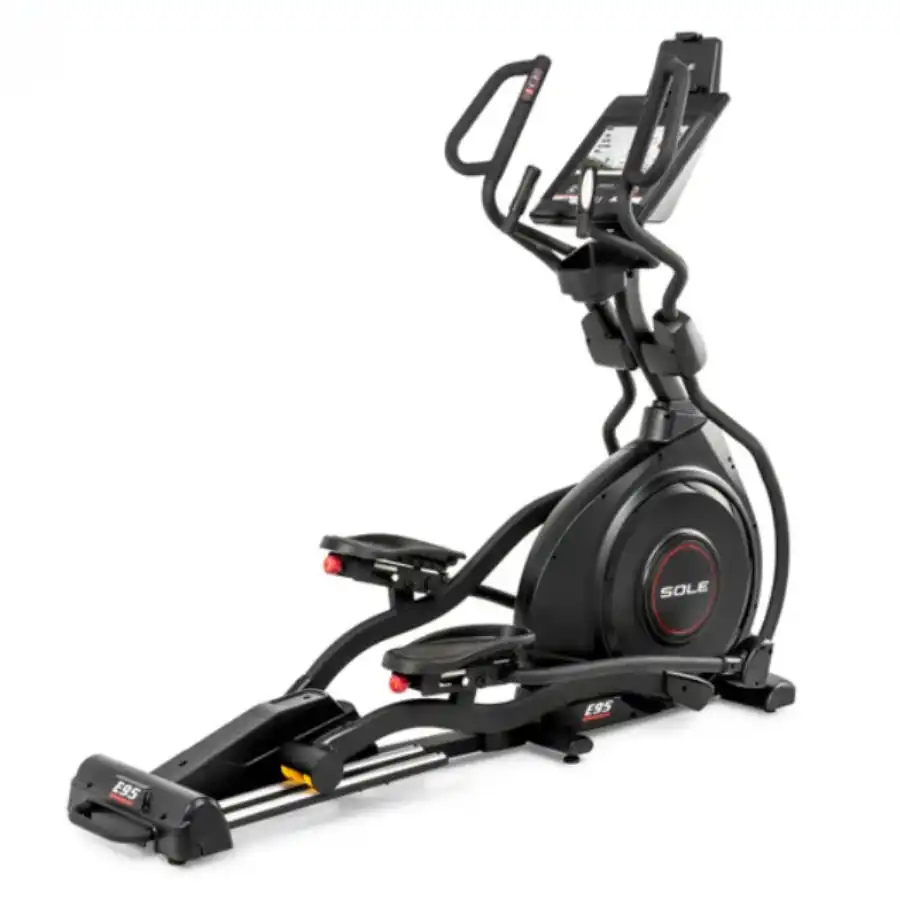
- Display: Basic models may have a simple LCD screen showing essential metrics (time, distance, calories, speed). More advanced machines offer larger, backlit displays or even HD touchscreens for interactive workouts.
- Workout Programs: Pre-programmed workouts can add variety and structure to your routine, simulating hills, intervals, or target heart rate zones.
- Heart Rate Monitoring: Many ellipticals include pulse grips on the handlebars or are compatible with wireless chest straps, allowing you to monitor your heart rate and train within specific zones.
- App Compatibility and Streaming: Some machines integrate with third-party fitness apps or offer built-in streaming services, providing guided workouts, virtual scenic routes, or entertainment during your session. Decide if these features are "must-haves" or nice-to-haves for your motivation.
Budgeting for Your Investment
Ellipticals vary widely in price, from a few hundred dollars for basic models to several thousand for high-end machines with all the bells and whistles.
- Define Your Budget: Determine how much you’re willing to spend before you start shopping.
- Balance Features and Cost: While it’s tempting to opt for the cheapest option, remember that a higher price often correlates with better build quality, a smoother ride, more features, and a longer lifespan. Consider your long-term fitness goals: a slightly higher investment in a more durable and feature-rich machine might save you money and frustration in the long run.
- Factor in Ongoing Costs: Some machines require subscriptions for interactive programming, so factor this into your overall budget.
By thoughtfully considering these factors, you can make an informed decision and choose an elliptical that becomes a cherished and effective component of your home fitness setup.
Integrating Your Elliptical into a Holistic Fitness Plan
While the elliptical is a fantastic tool, optimal health and fitness are achieved through a balanced approach that extends beyond any single piece of equipment.
Beyond Cardio: The Role of Strength Training
Think of your elliptical as a powerful engine for cardiovascular health, but remember that