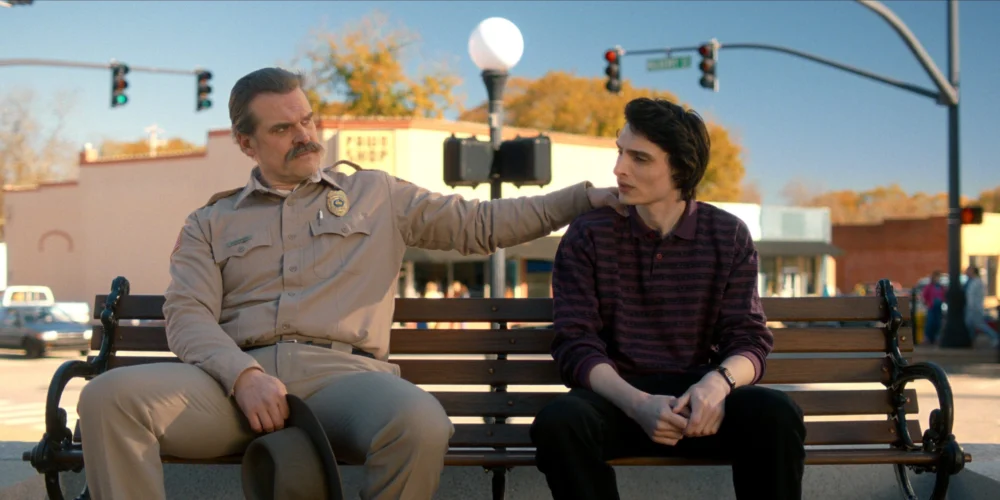
The world of Stranger Things has captivated audiences for years, weaving a complex narrative of friendship, bravery, and supernatural battles. As the series reaches its climax, the characters, much like us in our fitness pursuits, face moments of profound loss and the daunting task of moving forward. While the show delves into the fantastical, its core message resonates deeply with anyone striving for personal growth. The way Stranger Things concludes isn’t just about defeating monsters; it’s about confronting inevitable endings and finding strength in acceptance. This is a lesson that can profoundly impact your fitness journey, especially as you navigate challenges and celebrate milestones.
The Weight of Loss and the Power of Acceptance
The final season of Stranger Things culminates in a series of dramatic events, none more impactful than the perceived sacrifice of Eleven. Her decision to remain in the Upside Down as it crumbles, a selfless act to neutralize the threat, leaves a void in the lives of her friends and in the narrative itself. This moment mirrors the feelings we can experience in fitness: the disappointment of a plateau, the setback of an injury, or the bittersweet farewell to a familiar routine that no longer serves us.
Hopper’s wisdom in the face of Mike’s grief over Eleven’s fate offers a crucial takeaway. He speaks of the crushing weight of loss, having experienced it himself with his daughter’s death. His advice to Mike – to take a deep breath and accept what happened – is not about forgetting, but about integrating the experience and moving forward without being consumed by it.
This is where the real-world application for your fitness journey begins.

Navigating Plateaus: It’s Not the End, It’s a Pause
Many fitness enthusiasts hit plateaus. You’re working hard, following your plan, and suddenly, the progress stops. This can feel like a defeat, akin to the characters in Stranger Things facing an insurmountable foe.
- The Temptation: To get discouraged, abandon your routine, and believe you’ve reached your limit.
- The Hopper Approach: Recognize that plateaus are a natural part of any progressive journey. It’s not a sign of failure, but an indication that your body has adapted. This is your cue to reassess and introduce a new stimulus.
Actionable Tip: When you hit a plateau, instead of despairing, see it as an opportunity to get creative.
- Change your exercises: Introduce new movements that target the same muscle groups in a different way.
- Vary your intensity: Incorporate high-intensity interval training (HIIT) if you’ve been doing steady-state cardio, or vice versa.
- Adjust your rep ranges and weight: If you’re lifting, try fewer reps with heavier weight, or more reps with lighter weight.
- Focus on recovery: Sometimes, your body needs a break to rebuild and come back stronger. Prioritize sleep and active recovery.
Overcoming Injuries: A New Chapter, Not a Closed Book
Injuries are perhaps the most challenging obstacles in fitness. They can feel devastating, like the ultimate antagonist that brings your progress to a grinding halt. The temptation is to believe that your fitness goals are now unattainable.
- The Mike’s Grief: The initial shock and sadness can be overwhelming. You might feel like you’ve lost a part of yourself and your progress.
- The Hopper’s Acceptance: True healing, both physically and mentally, begins with acceptance. This doesn’t mean you have to like it, but acknowledging the reality of the situation is the first step toward recovery.
Actionable Tip: When faced with an injury, shift your mindset from "what I can’t do" to "what I can do."

- Consult a professional: Seek guidance from a doctor or physical therapist. They can help you understand the injury and create a safe rehabilitation plan.
- Focus on active recovery: While the injured area heals, work on other parts of your body. This could be upper body training if you have a leg injury, or mobility work.
- Embrace the mental game: Injuries test your resilience. Use this time to focus on the mental aspects of fitness – mindfulness, visualization, and setting new, short-term goals related to your recovery.
- Listen to your body: This is paramount. Pushing through pain during recovery can lead to further complications.
The "Ambiguous" Ending: Crafting Your Own Narrative of Progress
The show’s epilogue, where Mike crafts a Dungeons & Dragons scenario, presents a narrative of Eleven’s survival. While many viewers clung to this hopeful theory, the article argues that accepting Eleven’s ultimate sacrifice makes the story more profound. This is a powerful metaphor for our own fitness journeys.
The desire for a "perfect" or "happy" ending – where every goal is achieved without struggle or loss – is natural. However, it’s often the messy, imperfect paths that lead to the most meaningful growth.
Reinterpreting "Failure" as Feedback
In Stranger Things, the monsters represent external threats. In fitness, our "monsters" are often internal: self-doubt, lack of motivation, and the fear of not measuring up. The show’s ending suggests that even in the face of overwhelming odds, the characters find a way to move forward.
- The D&D Theory: Mike’s story about Eleven surviving is a coping mechanism, a way for him and his friends to process their grief and find solace. It’s a way to keep her memory alive without the pain of definitive loss.
- The Real-World Application: When you miss a workout, indulge in an unhealthy meal, or fall short of a specific performance goal, it doesn’t negate your entire effort. It’s not a failure; it’s feedback.
Actionable Tip: Treat every perceived setback as an opportunity to learn and adjust.

- Analyze what happened: Was the missed workout due to poor planning, lack of sleep, or something else? Understanding the root cause is key to preventing future occurrences.
- Don’t dwell, adapt: Instead of beating yourself up, ask yourself: "How can I approach this differently next time?"
- Celebrate small wins: Acknowledge the progress you have made. Did you still get your workout in most days of the week? Did you make healthier choices 80% of the time? These are victories.
The Power of Shared Experience: Finding Your Tribe
The bond between the characters in Stranger Things is what sees them through the darkest times. Their shared experiences, their unwavering support for one another, are crucial to their survival and growth.
- Mike’s Storytelling: While Mike’s D&D narrative is a personal coping mechanism, it’s shared with his closest friends. This shared vulnerability and understanding are what allow them to collectively move forward.
- Your Fitness Community: Whether it’s a gym buddy, an online fitness group, or a supportive friend, having a community can be a game-changer.
Actionable Tip: Build and nurture your fitness support system.
- Find a workout partner: Having someone to hold you accountable and share the journey with can be incredibly motivating.
- Join a fitness class or group: The camaraderie and shared effort in a group setting can be invigorating.
- Engage in online communities: There are countless online forums and social media groups where you can connect with like-minded individuals, share your struggles and successes, and find encouragement.
- Communicate openly: Share your goals, your challenges, and your victories with your support system. Don’t be afraid to ask for help or advice.
Embracing the "Death" of Old Habits for a Stronger You
The article’s title, "’Stranger Things’ Could Only End With Death," is a bold statement that speaks to the show’s thematic conclusion. In the context of fitness, this "death" isn’t literal, but metaphorical. It represents the shedding of old, unhelpful habits, limiting beliefs, and stagnant routines to make way for something stronger and more resilient.
- The Demise of Vecna: Vecna, the ultimate antagonist, embodies the destructive forces that threaten to consume Hawkins. His defeat signifies the triumph over these destructive elements.
- Your Personal "Vecna": What are the "monsters" in your fitness journey? Is it procrastination, unhealthy cravings, negative self-talk, or a lack of consistency?
Actionable Tip: Identify and actively work to dismantle your personal "Vecna."

- Confront your triggers: Understand what leads you to unhealthy choices and develop strategies to counter them.
- Challenge negative self-talk: Replace self-criticism with affirmations and positive reinforcement.
- Build new, healthy habits: Focus on creating sustainable routines that support your long-term goals. Think of it as building your own "Hawkins" – a strong, resilient foundation for your well-being.
- Celebrate the "death" of old habits: When you successfully break free from a detrimental habit, acknowledge it as a victory. This isn’t a loss; it’s a liberation.
The Final Push: Commitment, Consistency, and Continuous Growth
The overarching message from Stranger Things‘s conclusion, when viewed through a fitness lens, is the importance of embracing the journey, even when it involves loss and uncertainty. It’s about finding strength not in avoiding endings, but in how we navigate them.
- The Duffer Brothers’ Vision: The creators of the show understood that a satisfying conclusion often involves confronting difficult truths and allowing characters (and viewers) to grow through adversity.
- Your Fitness Evolution: Your fitness journey is not a linear path. It’s a dynamic process of continuous growth, learning, and adaptation.
Actionable Advice for Lasting Results:
- Commitment is Key: True progress comes from a deep-seated commitment to your goals, not just a fleeting desire. This commitment means showing up, even on days you don’t feel like it.
- Consistency Over Perfection: It’s the consistent effort, day in and day out, that builds momentum and yields lasting results. Don’t let the pursuit of perfection paralyze you.
- Embrace the Learning Curve: Every workout, every meal, every challenge is a learning opportunity. Stay curious, stay open to new information, and be willing to adapt your approach.
- Find Joy in the Process: Ultimately, your fitness journey should be something you enjoy. Find activities you love, savor the feeling of accomplishment, and celebrate the progress you make, no matter how small.
Conclusion: Your Own Upside Down, Your Own Triumph
Just as the characters in Stranger Things faced the Upside Down and emerged transformed, your fitness journey will present its own challenges and "Upside Downs." The key is not to fear these moments, but to approach them with the same courage, resilience, and willingness to adapt that the characters of Hawkins demonstrate.
Accept the endings – the plateaus, the setbacks, the letting go of old habits. They are not signs of defeat, but stepping stones to a stronger, more resilient you. Embrace the wisdom of acceptance, lean on your community, and remember that every challenging chapter in your fitness story ultimately contributes to a more powerful and fulfilling narrative. The journey may have its "deaths," but it is through these transformations that true, lasting strength is forged. Now go forth and conquer your own Upside Down.