
In the relentless pursuit of peak physical condition and overall well-being, the discerning individual understands that progress isn’t solely built on grit and determination. It’s also forged through smart choices, innovative tools, and a commitment to leveraging the best resources available. For the beginner and intermediate fitness enthusiast alike, navigating the vast landscape of health and performance products can be overwhelming. This guide cuts through the noise, offering a curated selection of game-changing gear and actionable strategies designed to empower your journey.
Understanding the Foundation: More Than Just Muscles
True fitness extends beyond the weight room. It encompasses recovery, nutrition, mental fortitude, and the everyday choices that support a vibrant, energetic lifestyle. This article delves into categories of products and practices that are instrumental in building a holistic approach to men’s health, ensuring that every aspect of your well-being is optimized. We’re not just talking about the latest gadgets; we’re talking about tools and approaches that have been rigorously tested and proven to make a tangible difference.
Building Your Arsenal: Gear That Fuels Your Progress
The right equipment can be the catalyst for unlocking new levels of performance and enjoyment in your fitness endeavors. From tracking your every stride to ensuring optimal recovery, these are the categories of products that deserve your attention.

Maximizing Movement: The Importance of Footwear
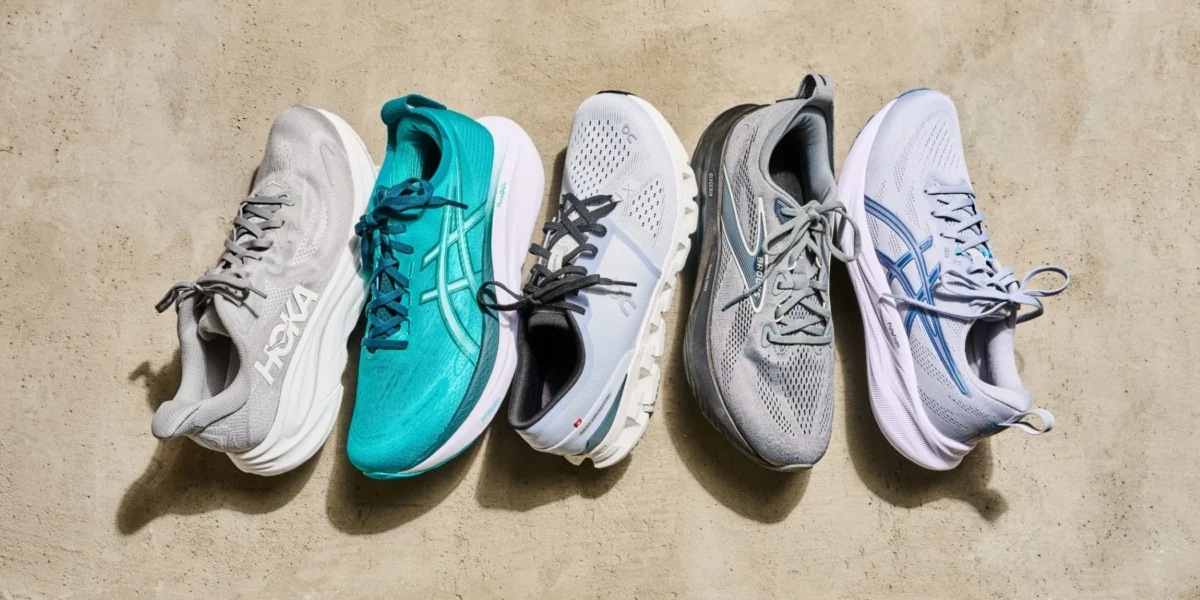
Your feet are the literal foundation of your entire movement system. Whether you’re pounding the pavement, hitting the trails, or navigating the gym floor, the right pair of shoes is paramount.
-
Running Shoes: For runners, the evolution of running shoe technology is a marvel. Modern designs offer a sophisticated balance of cushioning, responsiveness, and support, tailored to different gaits and running styles.
- Considerations for Beginners: Look for shoes with ample cushioning to absorb impact, which is crucial for preventing injuries as your body adapts to the demands of running. A stable platform can also help with proper alignment.
- Intermediate Advancement: As you increase mileage or speed, explore shoes that offer more responsiveness for a snappier feel, or those designed for specific terrains if you venture off-road.
- Real-Life Example: Imagine a runner struggling with shin splints. A switch to a well-cushioned, supportive running shoe designed for their foot type can alleviate discomfort and allow them to train consistently.
-
Training Shoes: For gym-based workouts, including weightlifting, cross-training, and HIIT, versatility is key. Training shoes provide a stable base for lifting, flexibility for dynamic movements, and durability for repeated stress.

- Key Features: A flat, firm sole is ideal for stability during squats and deadlifts. Look for good ankle support and a breathable upper to keep your feet comfortable during intense sessions.
- Actionable Advice: Don’t be afraid to invest in a dedicated pair for gym use. Using your running shoes for lifting can compromise stability and potentially lead to injury.
Tracking Your Triumph: Performance Monitoring Tools
In today’s data-driven world, understanding your body’s responses to training and lifestyle choices is more accessible than ever. Performance tracking devices offer invaluable insights.
-
Fitness Trackers and Smartwatches: These devices go beyond simply counting steps. They can monitor heart rate, sleep patterns, calorie expenditure, and even provide advanced metrics like VO2 max and recovery scores.
- For the Beginner: Focus on basic metrics like daily activity, heart rate zones during workouts, and sleep quality. This provides a foundational understanding of your body’s baseline.
- For the Intermediate: Leverage features like workout tracking for specific activities, sleep stage analysis to optimize recovery, and personalized heart rate zones for more effective training.
- Practical Tip: Use the data not as a source of pressure, but as a tool for self-awareness. If your sleep quality is consistently low, it might be a sign to adjust your training intensity or focus on pre-sleep routines.
-
Heart Rate Monitors: While many smartwatches include heart rate sensors, dedicated chest strap heart rate monitors often provide a higher degree of accuracy, especially during high-intensity activities.

- Benefit: Understanding your real-time heart rate allows you to train within specific intensity zones, ensuring you’re working effectively towards your goals, whether it’s building endurance or improving cardiovascular health.
Fueling Your Fire: Nutrition and Hydration Essentials
What you consume is as critical as how you train. Smart nutrition and adequate hydration are non-negotiable for performance, recovery, and overall health.
-
High-Quality Water Bottles: Staying hydrated is fundamental. Investing in a durable, easy-to-clean water bottle is a simple yet impactful habit.
- Considerations: Choose a size that suits your needs, whether it’s a compact bottle for shorter workouts or a larger one for longer sessions or daily use. Materials like stainless steel offer durability and temperature retention.
- Real-Life Example: A person who consistently experiences midday fatigue might find that simply increasing their water intake throughout the day dramatically improves their energy levels and focus.
-
Supplements (When Necessary): While whole foods should be the cornerstone of your diet, certain supplements can bridge nutritional gaps or support specific performance goals.

- Key Categories:
- Protein Powders: Aid muscle repair and growth, particularly useful post-workout or for individuals struggling to meet protein needs through diet alone.
- Creatine Monohydrate: A well-researched supplement that can enhance strength, power, and muscle mass.
- Electrolytes: Crucial for rehydration, especially after prolonged or intense exercise in hot conditions.
- Actionable Advice: Always research and opt for reputable brands. Consult with a healthcare professional or registered dietitian before incorporating new supplements, especially if you have underlying health conditions.
- Key Categories:
Mastering Your Movement: Effective Training Strategies
Beyond the gear, the principles of effective training are what truly drive results. For beginners and intermediate enthusiasts, focusing on progressive overload, proper form, and recovery is paramount.
The Power of Progressive Overload
This is the cornerstone of any successful strength training program. It means gradually increasing the demands placed on your muscles over time, forcing them to adapt and grow stronger.
-
Methods of Progressive Overload:

- Increasing Weight: The most common method. Add a small amount of weight to your lifts when you can comfortably complete your target repetitions with good form.
- Increasing Repetitions: If you’re not ready to increase weight, aim for a few more repetitions with the same weight.
- Increasing Sets: Add an extra set to your exercises.
- Decreasing Rest Times: Gradually shorten the rest periods between sets.
- Improving Form: Executing an exercise with better control and range of motion can be a form of progression.
- Increasing Frequency: Training a muscle group more often (with adequate recovery).
-
Practical Tip: Keep a training log. This is your roadmap to progress. Record the exercises you do, the weight you lift, and the number of reps and sets. This allows you to track your improvements and plan your next steps.
The Unsung Hero: Recovery and Mobility
You don’t get stronger in the gym; you get stronger when you recover. Neglecting recovery is a fast track to burnout, injury, and stalled progress.
-
Sleep Hygiene: Aim for 7-9 hours of quality sleep per night. This is when your body repairs muscle tissue and consolidates learning.

- Tips for Better Sleep:
- Establish a consistent sleep schedule, even on weekends.
- Create a dark, quiet, and cool sleep environment.
- Limit screen time before bed.
- Avoid caffeine and alcohol close to bedtime.
- Tips for Better Sleep:
-
Mobility and Flexibility: Incorporating stretching and mobility work improves your range of motion, reduces the risk of injury, and can enhance performance by allowing for better exercise technique.
- Dynamic Stretching: Perform before workouts to prepare your muscles for movement (e.g., leg swings, arm circles).
- Static Stretching: Perform after workouts or on rest days to improve flexibility (e.g., holding a hamstring stretch).
- Foam Rolling: Self-myofascial release can help alleviate muscle soreness and improve tissue mobility.
-
Active Recovery: On rest days, engage in light activities like walking, swimming, or cycling. This promotes blood flow and aids in the removal of metabolic waste products without overly taxing your body.
Form Over Ego: The Golden Rule of Training
This cannot be stressed enough. Lifting with proper form is crucial for preventing injuries and ensuring that you’re effectively targeting the intended muscles.

- Beginner Focus: Prioritize learning the correct technique for fundamental movements like squats, deadlifts, presses, and rows. Start with lighter weights or even bodyweight exercises until you’ve mastered the form.
- Intermediate Refinement: Even as an intermediate, continually assess and refine your form. Consider filming yourself during exercises or working with a qualified trainer to identify and correct any subtle flaws.
- Real-Life Example: A beginner trying to lift too much weight on a deadlift might compensate with a rounded back, risking serious spinal injury. Focusing on a controlled lift with a neutral spine, even with lighter weight, builds a safer and more effective foundation.
Elevating Your Daily Life: Beyond the Workout
The principles of health and fitness extend into every aspect of your day. Small, consistent habits can have a profound impact on your overall well-being.
Mindful Living: Stress Management and Mental Fortitude
Physical health is inextricably linked to mental health. Managing stress and cultivating mental resilience are vital components of a balanced life.
-
Mindfulness and Meditation: Even a few minutes of daily meditation can significantly reduce stress levels, improve focus, and enhance emotional regulation.

- Actionable Advice: Start small with guided meditations available through various apps or online resources. Consistency is more important than duration.
-
Breathing Exercises: Simple controlled breathing techniques can activate the body’s relaxation response, helping to calm the nervous system.
- Example: Box breathing (inhale for 4, hold for 4, exhale for 4, hold for 4) is an effective technique.
The Power of Sun Exposure (Responsibly)
While we often focus on avoiding the sun, responsible sun exposure plays a role in Vitamin D synthesis, which is crucial for bone health, immune function, and mood.
-
Practical Tip: Aim for short periods of unprotected sun exposure during peak sunlight hours (e.g., 10-15 minutes on your arms and legs) a few times a week. Always follow up with sun protection, especially during longer durations outdoors.

-
Sunscreen Selection: For extended outdoor activities, a broad-spectrum sunscreen with an SPF of 30 or higher is essential to protect against harmful UV rays. Look for formulas that are water-resistant if you’ll be sweating or swimming.
Your Journey, Your Triumph
The path to optimal health and fitness is a continuous one, marked by learning, adaptation, and consistent effort. The tools and strategies outlined here are designed to support you at every step, from your first workout to your most advanced training sessions. Remember, progress isn’t always linear, and setbacks are opportunities for growth.
Embrace the process, celebrate your victories, and never underestimate the power of making informed choices about your gear, your training, and your overall lifestyle. The rewards – increased energy, improved performance, enhanced confidence, and a greater sense of well-being – are well worth the investment. Now, go forth and conquer your goals. Your best self awaits.