In the vast landscape of fitness, where trends come and go with the speed of a social media scroll, there exists a timeless truth: true, lasting strength is built upon a solid foundation. For anyone embarking on a fitness journey or looking to elevate their current routine, mastering foundational movements isn’t just an option; it’s the non-negotiable bedrock for a resilient body, injury prevention, and sustainable progress.
This article isn’t about quick fixes or the latest fad. It’s a comprehensive guide to understanding, executing, and integrating the most powerful exercises into your regimen. Whether you’re taking your first steps into the gym or you’re an intermediate enthusiast aiming to break through plateaus, embracing these fundamental movements will empower you to move with greater confidence, perform better, and build a body that serves you for life. Get ready to forge not just muscles, but an unshakeable sense of capability and well-being.
Laying the Foundation for Lifelong Fitness
Before we dive into the specifics, let’s understand why foundational movements are paramount. Imagine building a magnificent skyscraper on shaky ground. No matter how impressive the upper floors, the entire structure is compromised. Your body is no different. Without a strong base of fundamental strength, any advanced training or ambitious goals risk instability, inefficiency, and ultimately, injury.
These movements are the cornerstones of human movement. They mimic actions we perform daily – sitting, standing, lifting, carrying, pushing, pulling. By training them effectively, you don’t just get stronger in the gym; you become stronger, more capable, and more efficient in every aspect of your life. This translates into:
- Enhanced Functional Strength: The ability to perform everyday tasks with ease and power.
- Improved Mobility and Stability: Greater range of motion and control over your joints.
- Reduced Risk of Injury: Stronger muscles, ligaments, and tendons protect your joints.
- Balanced Muscle Development: Working multiple muscle groups synergistically prevents imbalances.
- Increased Metabolism: Compound movements burn more calories and build more muscle, boosting your metabolic rate.
- Greater Confidence: The empowerment that comes from knowing your body is strong and capable.
For beginners, this means establishing correct movement patterns from day one, preventing bad habits that are hard to break. For intermediates, it’s an opportunity to refine technique, identify weaknesses, and unlock new levels of strength and performance.
The Pillars of Strength: Understanding Compound Movements
What exactly are these "foundational movements"? They are primarily compound movements, exercises that involve multiple joints and muscle groups working together simultaneously. Think of them as the most efficient tools in your strength-building toolbox.
Contrast this with isolation movements (like a bicep curl or triceps extension), which target a single muscle group. While isolation exercises have their place, compound movements are the powerhouses for overall strength, muscle growth, and functional fitness.
The benefits of prioritizing compound movements are immense:
- Efficiency: You work more muscles in less time, making your workouts highly effective.
- Muscle Synergy: They teach your muscles to work together, just as they do in real-life activities.
- Hormonal Response: Compound exercises stimulate a greater release of muscle-building hormones like testosterone and growth hormone.
- Real-World Strength: The strength gained directly translates to everyday tasks and athletic performance.
While there are many excellent compound exercises, we’ll focus on what many consider the "Big 5" movement patterns, crucial for a well-rounded and resilient body:
- The Squat (Lower Body Push)
- The Hinge (Posterior Chain Dominant Pull – Deadlift)
- The Push (Upper Body Push – Press)
- The Pull (Upper Body Pull – Row/Pull-up)
- The Carry (Core & Full Body Stability)
Let’s break down each one, focusing on proper form, common pitfalls, and practical advice for beginners and intermediates.
The Squat: King of Lower Body Power
The squat is arguably the most fundamental human movement. We squat to sit, to pick things up, and children instinctively squat perfectly. Reclaiming this natural movement pattern is vital for lower body strength, core stability, and overall mobility.
Why it’s essential:
- Strengthens glutes, hamstrings, quadriceps, and core.
- Improves hip and ankle mobility.
- Builds powerful legs for running, jumping, and climbing.
- Contributes to a strong, resilient back.
Mastering the Form (Bodyweight Squat as a starting point):
- Stance: Stand with feet shoulder-width apart, toes pointed slightly out (10-30 degrees, find what feels natural).
- Initiation: Begin by pushing your hips back as if sitting into a chair. Simultaneously, bend your knees.
- Depth: Aim to get your hips below your knees (parallel or deeper), maintaining a neutral spine. Your chest should remain up, and your gaze forward.
- Knee Tracking: Ensure your knees track in line with your toes, not caving inward. Actively push them outwards.
- Back Position: Maintain a straight, neutral spine throughout the movement. Avoid rounding your lower back.
- Ascent: Drive through your heels and midfoot, pushing the floor away, to return to the starting position. Squeeze your glutes at the top.
Cues to remember: "Chest up!", "Knees out!", "Sit between your heels!", "Screw your feet into the floor."
Common Mistakes & Actionable Fixes:

- Knees Caving In: Focus on actively pushing knees out. Use a resistance band around your knees for feedback.
- Rounded Lower Back ("Butt Wink"): Often due to ankle or hip mobility issues. Work on ankle dorsiflexion and hip flexor stretches. Reduce squat depth until mobility improves.
- Too Shallow: Ensure you’re reaching at least parallel. Use a box to squat to, gradually lowering the box height.
- Heels Lifting: Indicates ankle mobility issues or leaning too far forward. Focus on keeping weight in the midfoot/heel. Practice goblet squats to improve balance.
Progression for Beginners & Intermediates:
- Beginner: Bodyweight Squats (to full depth) -> Wall Squats (for balance) -> Box Squats (to ensure depth) -> Goblet Squats (holding a dumbbell/kettlebell at your chest for counterbalance and core engagement).
- Intermediate: Front Squats (barbell across shoulders) -> Back Squats (barbell on upper back) -> Overhead Squats (advanced mobility and stability).
Real-life Application: The ability to confidently pick up a child, sit down comfortably, or climb a flight of stairs without strain.
The Hinge (Deadlift): Building a Powerful Posterior Chain
The deadlift is often called the "king of exercises" for a reason. It’s a full-body movement that builds immense strength in your back, glutes, hamstrings, and core, all while teaching you to lift objects safely off the floor.
Why it’s essential:
- Develops incredible posterior chain strength (glutes, hamstrings, spinal erectors).
- Crucial for a healthy, resilient lower back.
- Builds grip strength.
- Mimics safe lifting mechanics for everyday life.
Mastering the Form (Kettlebell Deadlift/Trap Bar Deadlift as a starting point):
- Setup: Stand with your feet hip-width apart, shins close to the weight.
- Grip: Hinge at your hips, keeping your back straight, to grasp the weight. Your hands should be just outside your shins.
- Position: Lower your hips, keeping your chest up and shoulders pulled back. Your back should be flat, almost parallel to the floor, or slightly inclined depending on your limb length. Engage your lats by imagining "bending the bar" or "putting your shoulder blades in your back pockets."
- Initiation: Take a deep breath, brace your core. Drive through your heels and midfoot, extending your hips and knees simultaneously.
- Execution: Keep the weight close to your body throughout the lift. Finish by standing tall, squeezing your glutes, but do not hyperextend your back.
- Descent: Control the weight back down by reversing the movement: hinge at the hips first, then bend the knees.
Cues to remember: "Chest proud!", "Push the floor away!", "Hips back!", "Keep the bar close!"
Common Mistakes & Actionable Fixes:
- Rounded Back: The most dangerous mistake. Reduce weight significantly. Focus on maintaining a neutral spine by engaging your core and lats. Practice Romanian Deadlifts (RDLs) or Good Mornings with light weight to learn the hinge pattern.
- Squatting the Deadlift: Hips drop too low, resembling a squat. Focus on initiating the movement with a hip hinge.
- Hips Rising Too Fast: Hips shoot up before the chest. Ensure hips and shoulders rise at the same rate. This often indicates weak hamstrings or glutes.
- Bar Drifting Away: Lose power and strain your back. Keep the bar path vertical and as close to your body as possible.
Progression for Beginners & Intermediates:
- Beginner: Romanian Deadlifts (bodyweight/light dumbbells) -> Kettlebell Deadlifts -> Trap Bar Deadlifts (easier to maintain upright torso) -> Conventional Barbell Deadlifts.
- Intermediate: Conventional Barbell Deadlifts (progressive overload) -> Sumo Deadlifts -> Deficit Deadlifts (increased range of motion) -> Rack Pulls (for specific sticking points).
Real-life Application: Safely lifting heavy boxes, gardening, or maintaining excellent posture for extended periods.
The Press: Developing Upper Body Dominance
Pressing movements are vital for developing upper body pushing strength, shoulder health, and muscle growth in your chest, shoulders, and triceps. We’ll consider two main variations: the overhead press and the bench press.
Why it’s essential:
- Builds strength in chest, shoulders, and triceps.
- Improves shoulder stability and mobility.
- Develops pushing power for various sports and daily tasks.
- Contributes to overall upper body resilience.
Overhead Press (OHP): Pushing Above and Beyond
Mastering the Form (Dumbbell Overhead Press as a starting point):
- Setup: Stand tall, feet hip-width apart, core braced. Hold dumbbells at shoulder height, palms facing each other or forward.
- Execution: Press the dumbbells straight overhead, moving your head slightly back to allow a vertical path.
- Lockout: Fully extend your arms at the top, bringing your head slightly forward, so your ears are in line with your biceps.
- Descent: Control the dumbbells back down to shoulder height.
Cues to remember: "Brace your core!", "Shoulders down and back!", "Press towards the ceiling, not forward!"
Common Mistakes & Actionable Fixes:
- Arching Lower Back: Indicates weak core or lack of shoulder mobility. Focus on bracing your core and keeping ribs down. Reduce weight.
- Shoulders Shrugging Up: Reduces shoulder stability. Focus on keeping shoulders "packed" down.
- Pressing Forward: Causes inefficient bar path and potential shoulder strain. Ensure the weight moves directly overhead.
Progression: Dumbbell OHP (seated then standing) -> Barbell OHP (strict press).
Bench Press: Chest Powerhouse
Mastering the Form (Dumbbell Bench Press as a starting point):
- Setup: Lie on a bench, feet flat on the floor, eyes under the bar (for barbell). Maintain a slight arch in your lower back, chest proud, shoulder blades squeezed together.
- Grip: Hold dumbbells with palms facing each other or forward, or grasp the barbell slightly wider than shoulder-width.
- Execution: Lower the weights slowly and with control to the sides of your chest (or bar to mid-chest), keeping elbows tucked slightly (around 45 degrees).
- Drive: Press the weights back up, driving through your chest and triceps, maintaining shoulder blade retraction.
- Lockout: Fully extend your arms without locking out your elbows excessively.
Cues to remember: "Shoulders back and down!", "Drive your feet into the floor!", "Control the descent!"
Common Mistakes & Actionable Fixes:

- Flared Elbows: Puts unnecessary stress on shoulders. Tuck elbows to about 45 degrees.
- No Leg Drive: Missing out on significant power. Actively push your feet into the floor.
- Bouncing the Bar: Reduces tension and increases injury risk. Control the entire movement.
- Lack of Scapular Retraction: Shoulders rounded forward. Focus on squeezing shoulder blades together.
Progression: Push-ups -> Dumbbell Bench Press -> Barbell Bench Press.
Real-life Application: Pushing open heavy doors, lifting objects onto shelves, or recovering from a fall.
The Pull (Row): Cultivating a Strong Back and Biceps
Pulling movements are critical for balancing the body against pressing exercises, preventing postural issues, and building a strong, thick back and powerful biceps.

Why it’s essential:
- Strengthens the entire back (lats, rhomboids, traps).
- Develops biceps and grip strength.
- Improves posture and counteracts rounded shoulders from desk work or excessive pressing.
- Enhances overall upper body balance and injury prevention.
Horizontal Pull (Row): Building Back Thickness
Mastering the Form (Dumbbell Row as a starting point):
- Setup: Place one hand and knee on a bench for support. The other foot is firmly planted. Maintain a flat back, chest parallel to the floor, core braced.
- Grip: Hold a dumbbell in the free hand, arm extended towards the floor.
- Execution: Pull the dumbbell up towards your hip, squeezing your shoulder blade at the top. Keep your elbow close to your body.
- Descent: Slowly lower the dumbbell back to the starting position with control.
Cues to remember: "Squeeze your shoulder blade!", "Pull with your back, not just your arms!", "Keep your core tight!"
Common Mistakes & Actionable Fixes:
- Using Momentum: Jerking the weight up. Reduce weight and focus on a slow, controlled pull and eccentric (lowering) phase.
- Rounded Back: Compromises spinal integrity. Ensure a flat back throughout.
- Shoulder Shrug: Shrugging your shoulders instead of pulling with your back. Keep shoulders down and back.
Progression: Inverted Rows (bodyweight) -> Dumbbell Rows -> Barbell Rows (Pendlay Rows or Bent-Over Rows).
Vertical Pull (Pull-up/Lat Pulldown): Building Back Width
Mastering the Form (Lat Pulldown as a starting point):

- Setup: Sit at the lat pulldown machine, adjust knee pads. Grasp the bar with an overhand grip, slightly wider than shoulder-width. Lean back slightly, chest up.
- Execution: Pull the bar down towards your upper chest, squeezing your shoulder blades together and driving your elbows down.
- Squeeze: Hold briefly at the bottom, feeling the contraction in your lats.
- Descent: Slowly allow the bar to return to the starting position, controlling the weight.
Cues to remember: "Drive your elbows down!", "Imagine pulling the bar through your chest!", "Control the stretch!"
Common Mistakes & Actionable Fixes:
- Using Momentum/Arching Excessively: Reduces effectiveness and can strain the back. Control the movement.
- Partial Reps: Not getting a full stretch at the top or full contraction at the bottom. Ensure full range of motion.
- Pulling with Biceps Only: Focus on engaging your lats. Imagine pulling with your elbows.
Progression: Lat Pulldowns -> Assisted Pull-ups -> Eccentric Pull-ups -> Band-Assisted Pull-ups -> Full Pull-ups.
Real-life Application: Opening stubborn jars, carrying heavy grocery bags, or climbing over obstacles.
The Carry: Functional Strength for Everyday Life
Often overlooked, carrying movements are incredibly functional and build a resilient core, grip strength, and full-body endurance. They directly translate to daily activities far more than many isolation exercises.
Why it’s essential:
- Develops unparalleled core stability and anti-rotation strength.
- Builds immense grip strength.
- Improves posture and teaches full-body tension.
- Enhances muscular endurance and work capacity.
Mastering the Form (Farmer’s Carry as a starting point):
- Setup: Stand tall, shoulders back and down, core braced. Pick up heavy dumbbells or kettlebells in each hand.
- Posture: Maintain an upright posture, chest up, eyes forward. Avoid leaning to one side or slouching.
- Gait: Walk with a steady, controlled gait. Don’t let the weights swing excessively.
- Breathing: Maintain consistent, controlled breathing.
Cues to remember: "Stand tall!", "Brace your core!", "Shoulders packed!", "Walk like you’re carrying a priceless vase!"
Common Mistakes & Actionable Fixes:
- Slouching/Rounded Shoulders: Lose core tension and compromise posture. Actively pull shoulders back and down.
- Leaning to One Side: Indicates weak core or uneven weight. Focus on staying perfectly upright.
- Swinging Weights: Reduces core engagement. Keep weights close to your body and control your movement.
Progression for Beginners & Intermediates:
- Beginner: Short distances with moderate weight (e.g., 20-30 seconds).
- Intermediate: Longer distances, heavier weights, varying carry types (Suitcase Carry – one hand; Overhead Carry – weight overhead; Waiter’s Carry – single weight overhead; Rack Carry – weights in front rack position).
Real-life Application: Carrying groceries, luggage, or children with ease and maintaining excellent posture throughout the day.
Beyond the Lifts: The Ecosystem of Strength
Mastering foundational movements is only one part of the equation. To truly build lasting strength and a resilient body, you must pay attention to the entire ecosystem that supports your training.
Progressive Overload: The Engine of Growth
Your muscles grow stronger by adapting to increasingly challenging demands. This principle is known as progressive overload, and it’s the fundamental driver of all strength and muscle gains. Without it, you’ll hit a plateau.
How to Apply It:
- Increase Weight: The most common method. Gradually lift heavier loads.
- Increase Reps: Perform more repetitions with the same weight.
- Increase Sets: Do more sets of an exercise.
- Decrease Rest Time: Reduce the time between sets to increase intensity.
- Improve Tempo: Control the eccentric (lowering) phase of a lift or pause at specific points.
- Increase Frequency: Train a muscle group more often.
- Improve Form: While not strictly "overload," perfecting your technique allows you to handle heavier weights safely.
Actionable Advice: Keep a workout log! Track your sets, reps, and weight for each exercise. This allows you to consistently challenge yourself and celebrate your progress.
The Art of Recovery: Fueling Your Gains
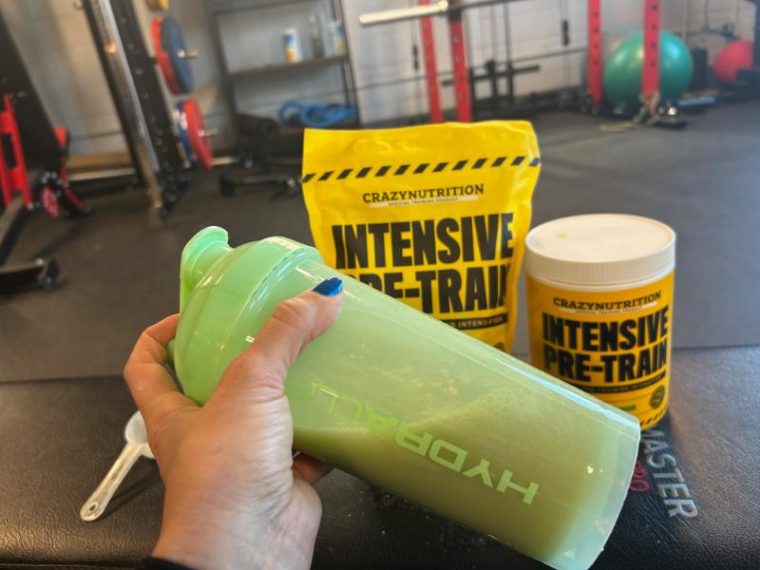
Muscles aren’t built in the gym; they’re built during recovery. Neglecting this crucial aspect will halt your progress and increase injury risk.
- Sleep: The Ultimate Recovery Tool: Aim for 7-9 hours of quality sleep per night. It’s when your body repairs tissue, consolidates memories, and optimizes hormone production.
- Nutrition: Fueling for Performance and Repair:
- Protein: Essential for muscle repair and growth. Aim for 1.6-2.2 grams per kg of body weight.
- Carbohydrates: Your primary energy source for intense workouts. Replenish glycogen stores.
- Healthy Fats: Crucial for hormone production and overall health.
- Focus on whole, unprocessed foods.
- Hydration: The Unsung Hero: Drink plenty of water throughout the day. Dehydration impairs performance, recovery, and cognitive function.
- Active Recovery: Light movement (walking, cycling), stretching, foam rolling, or massage can improve blood flow and reduce soreness.
Warm-up and Cool-down: Non-Negotiable Rituals
Don’t skip these! They are integral to injury prevention and optimizing performance.
- Dynamic Warm-ups: Prepare your body for movement. 5-10 minutes of light cardio (jogging, jumping jacks) followed by dynamic stretches (leg swings, arm circles, torso twists) and movement-specific warm-ups (light sets of your main lifts).
- Cool-down: Aids recovery and flexibility. 5-10 minutes of light cardio followed by static stretching (holding stretches for 20-30 seconds) or foam rolling to target tight areas.
Mindset and Consistency: The Unseen Strength
Your physical strength is deeply intertwined with your mental fortitude.
- Patience and Persistence: Strength building is a marathon, not a sprint. Embrace the process, celebrate small victories, and don’t get discouraged by setbacks.
- Listen to Your Body: Distinguish between muscle soreness and pain. Rest when needed, modify exercises if something hurts. Pushing through pain leads to injury.
- Set Realistic Goals: Break down big goals into smaller, achievable milestones. This keeps you motivated and provides a clear path forward.
- The Journey, Not Just the Destination: Enjoy the process of becoming stronger, more capable, and healthier. Fitness is a lifelong pursuit.
Integrating Foundational Movements into Your Routine
For beginners, a full-body routine 2-3 times a week is an excellent starting point. This allows for frequent practice of the main lifts and ample recovery time.
Sample Full-Body Workout Structure (3x a week):
- Warm-up: 5-10 minutes dynamic warm-up.
- Main Lifts (Choose 1-2 per category):
- Squat variation: 3 sets of 8-12 reps
- Hinge variation: 3 sets of 8-12 reps
- Press variation: 3 sets of 8-12 reps
- Pull variation: 3 sets of 8-12 reps
- Carry variation: 3 sets of 40-60 feet
- Cool-down: 5-10 minutes static stretching/foam rolling.
For intermediates, you might explore upper/lower splits or push/pull/legs (PPL) splits to allow for more volume per muscle group. The key remains to prioritize the foundational movements at the beginning of your workouts when you’re freshest and strongest.
Actionable Advice:
- Prioritize Form Over Weight: Never sacrifice good form for a heavier lift. Bad form is an express ticket to injury.
- Incorporate Accessory Exercises: Once the main lifts are done, add 1-2 isolation exercises (e.g., bicep curls, triceps extensions, calf raises) to target specific muscle groups or address weaknesses.
- Seek Qualified Coaching: Especially for beginners, investing in a few sessions with a certified personal