In the relentless pursuit of strength, sculpted physique, and peak athletic performance, countless fitness enthusiasts seek an edge. They pore over workout routines, meticulously track macros, and scrutinize every supplement promising a shortcut to their goals. Amidst this vast landscape, one supplement consistently rises above the hype, backed by decades of rigorous scientific research: creatine.
Often misunderstood and sometimes shrouded in myths, creatine is not just for elite bodybuilders or professional athletes. It’s a powerful, naturally occurring compound that can unlock significant gains for anyone committed to their fitness journey, from the novice lifter finding their rhythm to the intermediate athlete striving for new personal bests. If you’re looking to push past plateaus, build lean muscle, and bounce back faster from intense workouts, understanding creatine is your next essential step.
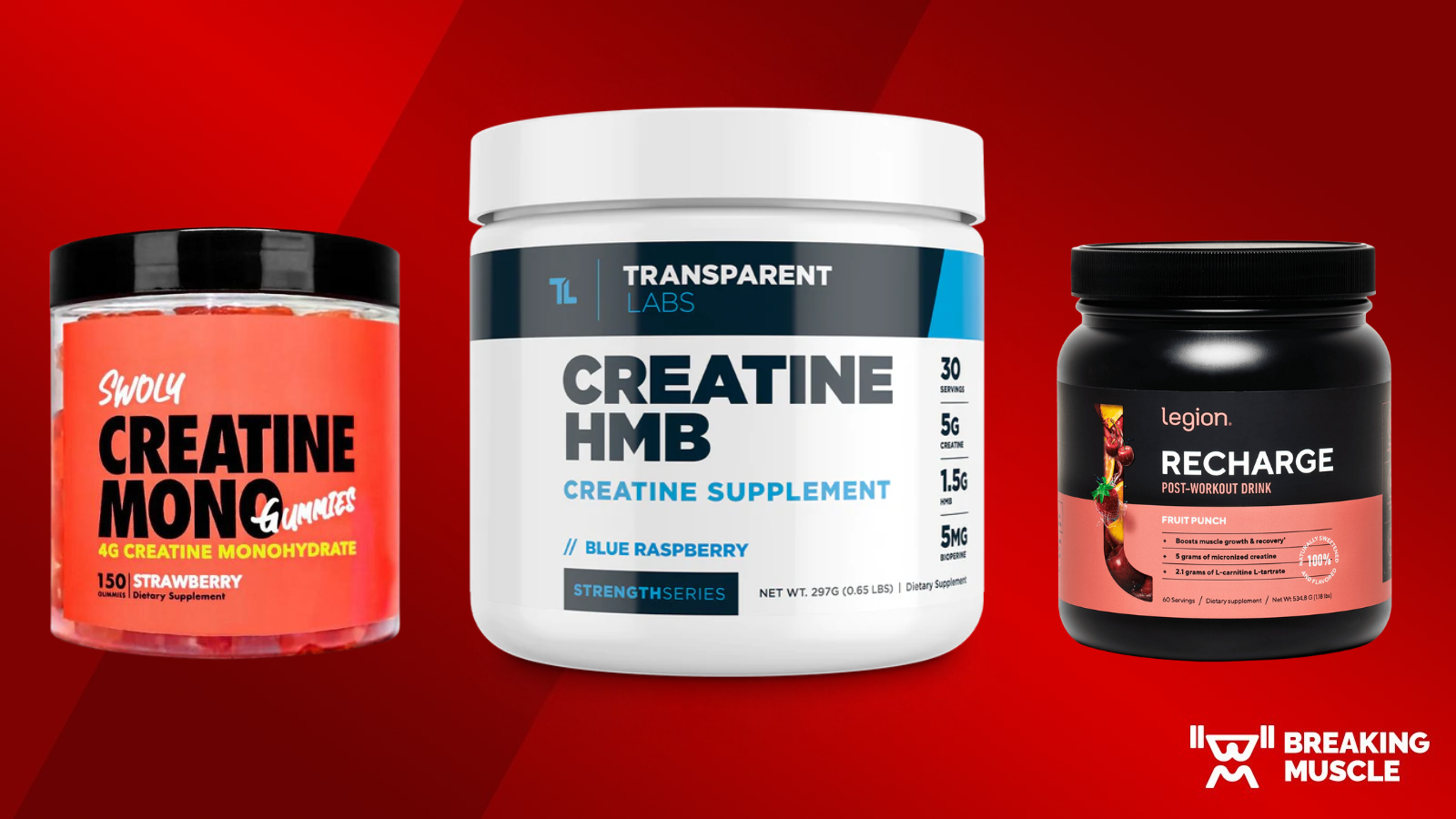
This comprehensive guide will strip away the confusion, delve into the science, and provide actionable advice on how to effectively integrate creatine into your regimen. We’ll explore its profound benefits for muscle growth, strength, and recovery, discuss the best forms and usage strategies, and address common misconceptions. Get ready to empower your workouts and transform your results by harnessing the true potential of creatine.
The Science Behind Your Strength: What Exactly is Creatine?
Before we dive into how creatine can supercharge your fitness, let’s understand what it is at its core and how it operates within your body. Think of creatine not as an exotic chemical, but as a vital energy currency for your muscles.
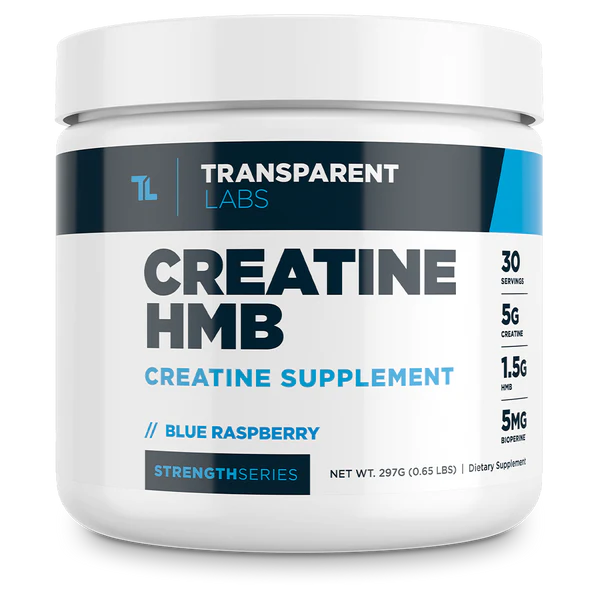
A Natural Powerhouse
Creatine is an organic compound made up of three amino acids: arginine, glycine, and methionine. Your body naturally produces it, primarily in the liver, kidneys, and pancreas, and stores about 95% of it in your skeletal muscles. Small amounts are also found in the brain and testes. While you get some creatine from your diet—especially from red meat and seafood—the amounts are typically lower than what’s needed to fully saturate your muscle stores for optimal performance benefits. This is where supplementation comes into play.
How Creatine Fuels Your Workouts
The magic of creatine lies in its crucial role in your body’s energy system, specifically the adenosine triphosphate (ATP)-phosphocreatine (PCr) system. Imagine your muscles needing a quick burst of energy for a heavy lift or a sprint. ATP is the primary energy molecule that powers these contractions. However, your muscles only store a limited amount of ATP, enough for a few seconds of intense effort.
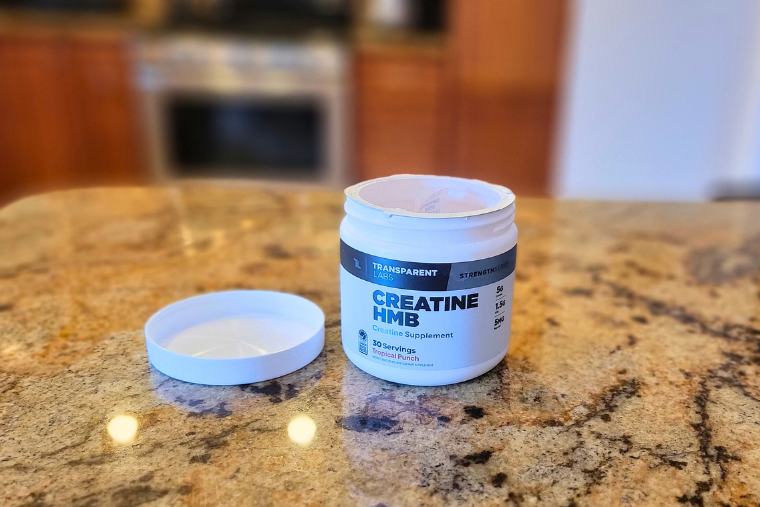
When ATP is used, it loses a phosphate group and becomes adenosine diphosphate (ADP). This is where creatine steps in. Your body stores creatine as phosphocreatine (PCr). Phosphocreatine rapidly donates its phosphate group to ADP, effectively regenerating ATP. This process is incredibly fast and efficient, allowing your muscles to sustain high-intensity, short-duration activities for longer.
In simpler terms: Creatine acts like a rapid-recharge battery for your muscles. When your primary energy source (ATP) depletes during explosive movements, creatine quickly replenishes it, enabling you to squeeze out those extra reps, lift slightly heavier, or sprint a little faster. This direct impact on energy availability is the fundamental reason behind creatine’s effectiveness for strength and power athletes.
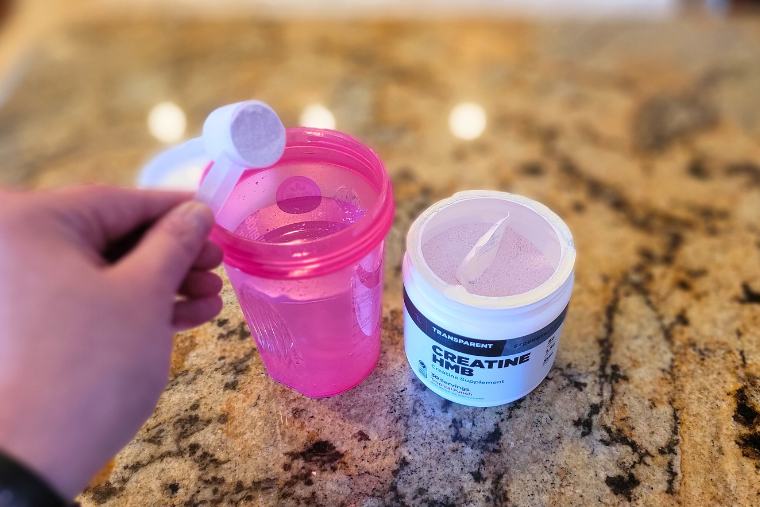
Beyond the Basics: The Proven Benefits of Creatine Supplementation
The benefits of creatine are not anecdotal; they are backed by an overwhelming body of scientific evidence. For beginners and intermediate fitness enthusiasts, these advantages can translate into faster progress, greater satisfaction, and a more sustainable fitness journey.
Explosive Strength and Power Gains
This is perhaps creatine’s most celebrated benefit. By increasing the availability of ATP, creatine allows you to perform more work during short bursts of intense exercise.
- Lift Heavier, Push Harder: Imagine consistently adding 5-10 pounds to your major lifts or completing an extra rep or two on your heaviest sets. Creatine makes this possible by ensuring your muscles have the immediate energy to contract with maximum force. This increased work capacity directly translates to greater strength over time.
- Break Through Plateaus: Many lifters hit frustrating plateaus where progress stalls. Creatine can provide the physiological boost needed to push through these barriers, signaling your body to adapt and grow stronger.
Accelerating Muscle Growth (Hypertrophy)
While creatine doesn’t directly build muscle like protein does, it creates an optimal environment for muscle growth through several mechanisms:
- Cell Volumization: Creatine draws water into muscle cells, causing them to swell. This "cell volumization" effect isn’t just cosmetic; it’s believed to be an anabolic signal, promoting muscle protein synthesis (the process of building new muscle tissue) and reducing protein breakdown.
- Increased Training Volume: Because creatine enhances strength and delays fatigue, you can perform more reps or sets during your workouts. This increased training volume is a primary driver of muscle hypertrophy. More effective workouts mean more stimulus for growth.
- Hormonal Response: Some research suggests creatine may positively influence anabolic hormones, further supporting muscle-building processes.
Mastering Recovery and Reducing Soreness
Intense training inevitably leads to muscle damage and soreness. Creatine can significantly aid in the recovery process:
- Reduced Muscle Damage: Studies indicate that creatine supplementation can help reduce muscle cell damage and inflammation that occurs during strenuous exercise. This means less cellular breakdown and a quicker return to baseline.
- Faster Glycogen Resynthesis: Creatine has been shown to enhance glycogen resynthesis after exhaustive exercise when co-ingested with carbohydrates. Replenishing glycogen stores faster means your muscles are refueled and ready for the next session sooner.
- Less DOMS (Delayed Onset Muscle Soreness): While not a complete cure, many users report experiencing less severe or prolonged muscle soreness, allowing for more consistent training without excessive discomfort. Imagine hitting legs hard on Monday and feeling ready to tackle another intense session by Wednesday!
Unveiling Cognitive Edge and Bone Health
Beyond its muscular benefits, creatine offers some surprising advantages for overall health:
- Cognitive Enhancement: Your brain, like your muscles, relies on ATP for energy. Research suggests creatine supplementation can improve brain function, particularly in tasks requiring speed of processing, short-term memory, and reasoning, especially in situations of sleep deprivation or stress. While more research is ongoing, this hints at broader benefits.
- Improved Bone Density: Emerging studies suggest that long-term creatine supplementation, especially when combined with resistance training, may have positive effects on bone mineral density, particularly in older adults. This makes it a valuable tool for maintaining skeletal health as we age.
Navigating the Creatine Landscape: Forms and Formulations
The supplement market is flooded with various forms of creatine, each with its own claims. For beginners and intermediate users, understanding the core differences is key to making an informed, effective, and economical choice.
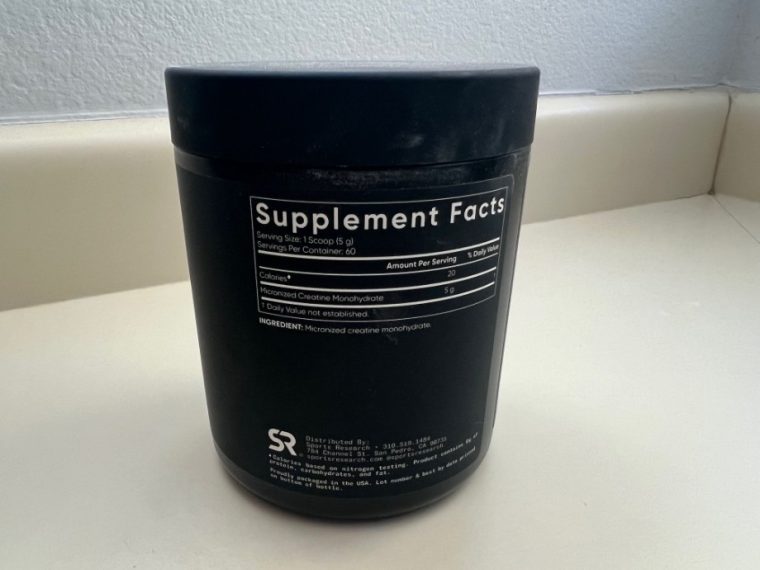
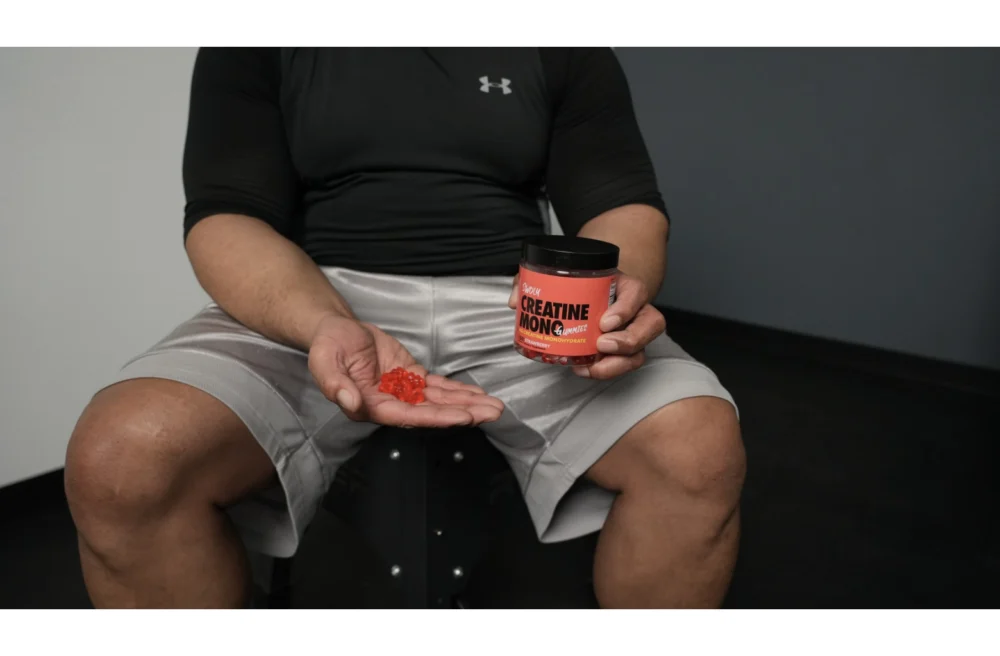
Creatine Monohydrate: The Gold Standard
When people talk about creatine, they are almost always referring to creatine monohydrate.
- Why it’s Recommended: Creatine monohydrate is the most extensively researched and scientifically validated form of creatine available. Decades of studies consistently demonstrate its effectiveness for increasing muscle creatine stores, enhancing strength, power, and muscle mass, and improving recovery.
- Purity and Cost-Effectiveness: It is highly pure, widely available, and incredibly cost-effective. You don’t need to spend a fortune to get the benefits of creatine. Many reputable brands offer high-quality creatine monohydrate at a very reasonable price per serving.
- Actionable Advice: If you’re new to creatine or simply looking for the most reliable option, stick with creatine monohydrate. There’s no compelling evidence that other forms offer superior benefits.
Micronized Creatine: Enhanced Solubility
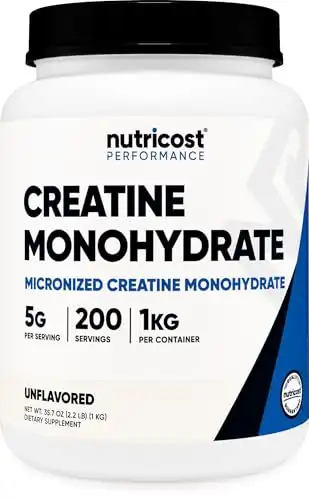
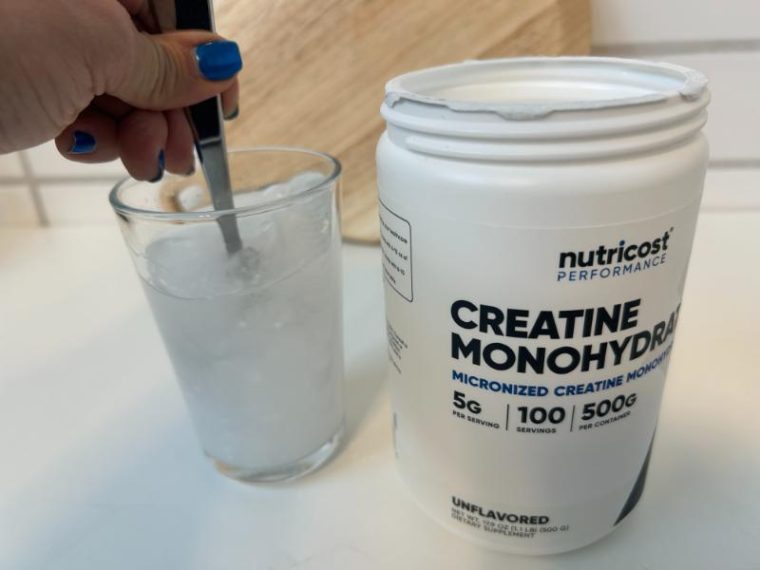
Micronized creatine monohydrate is simply creatine monohydrate that has been processed to reduce its particle size.
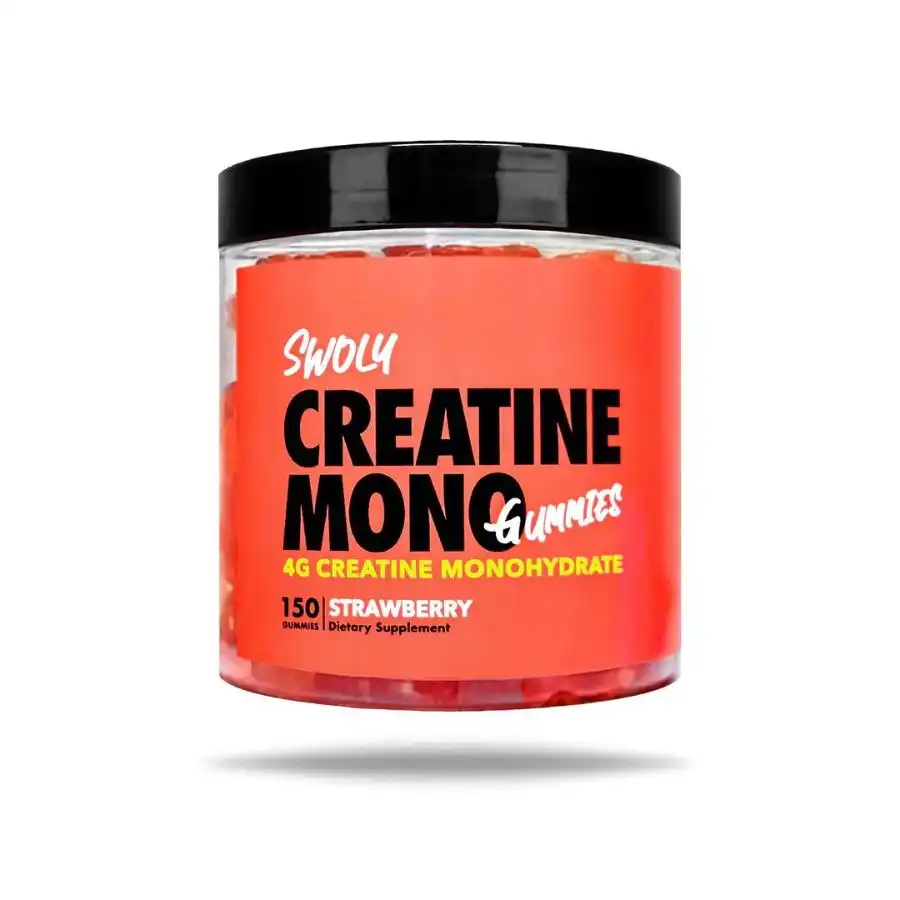
- Benefits: The primary advantage of micronized creatine is its improved solubility in liquids. It mixes more easily and completely in water, juice, or your protein shake, leading to less gritty residue at the bottom of your glass. For some individuals, this also translates to reduced gastrointestinal discomfort (like stomach upset or bloating) compared to standard monohydrate, although the latter is rare with proper dosing and hydration.
- Bioavailability: It’s important to note that while micronization improves mixing, scientific research has not shown that it significantly enhances the bioavailability or absorption of creatine in the body compared to regular creatine monohydrate. Your body absorbs both forms effectively.
- Actionable Advice: If you experience mixing issues or mild stomach discomfort with regular creatine monohydrate, micronized creatine is a worthwhile upgrade for a smoother experience, but don’t expect radically different results in terms of muscle or strength gains.
Other Forms: Proceed with Caution
You might encounter other forms of creatine such as Creatine Ethyl Ester (CEE), Creatine Nitrate, Buffered Creatine (Kre-Alkalyn), or Creatine Hydrochloride (HCl).
- Lack of Research: While these forms often claim superior absorption, less bloating, or higher potency with smaller doses, the scientific evidence supporting these claims is often limited, mixed, or simply doesn’t demonstrate any significant advantage over creatine monohydrate. In some cases, research has shown them to be less effective.
- Higher Cost: These alternative forms typically come with a higher price tag. Given the lack of robust evidence for superior benefits, investing in them often means paying more for marketing rather than enhanced results.
- Actionable Advice: For beginners and intermediate users, it’s best to save your money and stick to creatine monohydrate (or micronized monohydrate). Until more conclusive research emerges, these other forms are generally not recommended as primary choices.
Your Personal Creatine Blueprint: Dosage and Timing Strategies
Once you’ve chosen your creatine form, the next step is to understand how to take it for maximum effectiveness. This involves two key phases: loading (optional) and maintenance, along with considering the optimal timing.
The Loading Phase: Fast-Tracking Saturation
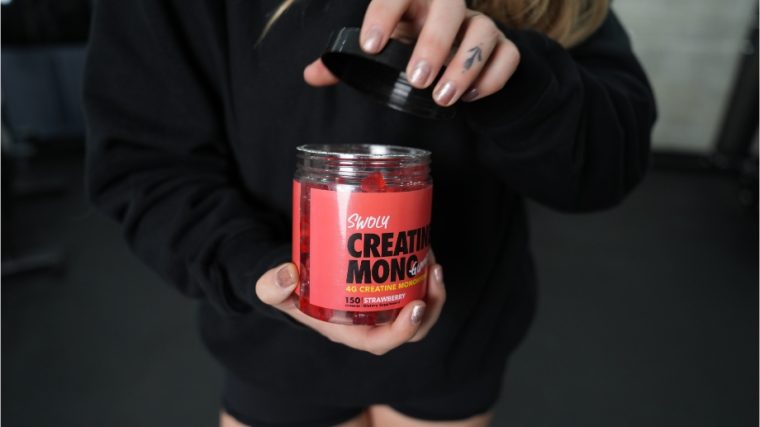
A creatine loading phase involves taking a higher dose for a short period to rapidly saturate your muscle creatine stores.
- Explanation: Typically, this involves consuming 20-25 grams of creatine per day, split into 4-5 smaller doses (e.g., 5 grams, four times a day), for 5-7 days.
- Why Some Choose It: The primary benefit of a loading phase is speed. It allows you to achieve maximal muscle creatine saturation much faster (within a week) compared to a slower, consistent daily dose. This means you might start experiencing the performance benefits sooner.
- Practical Tip: If you opt for a loading phase, always split your daily dose into smaller servings. Taking a large amount at once can lead to gastrointestinal distress, such as stomach cramps or diarrhea. Mixing it with a carbohydrate-rich drink can also aid absorption and palatability.
- Real-life Example: A beginner eager to see strength gains quickly might choose to load, hoping to lift heavier within their first week of supplementation.
The Maintenance Phase: Sustained Performance
After a loading phase, or if you choose to skip loading altogether, you transition into the maintenance phase.
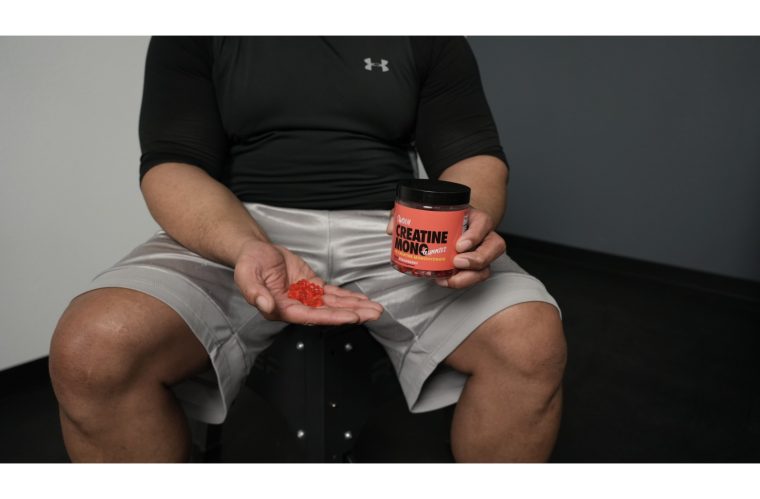
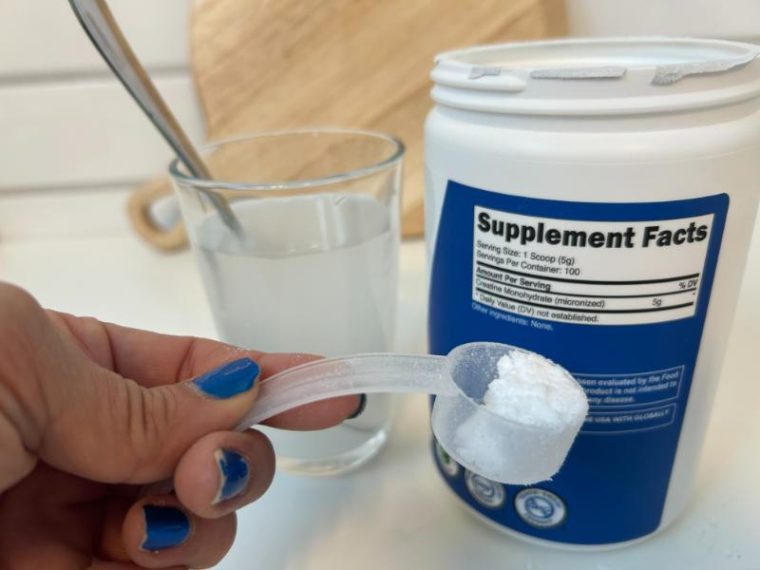
- Standard Dosage: The widely recommended maintenance dose is 3-5 grams of creatine per day.
- Emphasize Consistency: The most critical aspect of creatine supplementation is consistency. You need to take it every day, even on non-training days, to keep your muscle creatine stores fully saturated. Missing days will cause levels to slowly decline, diminishing the benefits.
- Skipping the Load: If you choose to forgo the loading phase and simply take 3-5 grams daily from the start, you will still achieve maximal muscle saturation—it will just take longer, typically around 3-4 weeks. Both approaches are equally effective in the long term.
- Individual Needs: Larger individuals or those with a higher muscle mass may benefit from the upper end of the maintenance dose (5 grams) or even slightly more (e.g., 0.1 grams per kilogram of body weight) to ensure optimal saturation.
Optimal Timing: Does It Matter?
The question of when to take creatine often sparks debate, but the science offers a clear perspective.
- Consistency is Key: For long-term benefits, the most important factor is consistent daily intake, regardless of the exact timing. As long as you take your daily dose, your muscle creatine stores will remain saturated.
- Post-Workout Preference: Some research suggests that taking creatine post-workout, especially with a meal containing carbohydrates and protein, might be marginally more beneficial. Exercise increases blood flow to muscles, potentially enhancing creatine uptake. The insulin spike from carbohydrates can also help shuttle creatine into muscle cells.
- Flexibility: Don’t stress too much about hitting a precise window. If taking it with your morning coffee, pre-workout, or dinner is more convenient and ensures you take it consistently, that’s perfectly fine.
- Actionable Advice: Aim for daily intake. If possible, consider taking it after your workout alongside your post-workout shake or meal for potential optimal absorption.
Practical Integration: Making Creatine Work for You
Creatine is a powerful tool, but it’s not a magic bullet. Its efficacy is significantly amplified when integrated thoughtfully into a holistic fitness and nutrition plan.
Hydration is Non-Negotiable
One of the most crucial, yet often overlooked, aspects of creatine supplementation is adequate hydration.
- Why it Matters: Creatine draws water into your muscle cells. To facilitate this process and prevent dehydration, you must increase your daily water intake.
- Practical Tip: Aim for at least 3-4 liters of water per day, especially when you start taking creatine. Carry a water bottle with you and sip throughout the day. Listen to your body and drink more if you feel thirsty or are training intensely. Good hydration also supports overall health and performance, creatine or not.
Combining with Your Diet and Training
Creatine works synergistically with consistent training and proper nutrition.
- Not a Magic Pill: Creatine will not build muscle if you’re not lifting weights and providing sufficient stimulus for growth. It enhances the effects of your hard work, but doesn’t replace it.
- Progressive Overload: Continue to challenge your muscles with progressive overload – gradually increasing the weight, reps, or sets over time. Creatine will help you achieve this more effectively.
- Adequate Protein Intake: Ensure you’re consuming enough protein (typically 0.7-1 gram per pound of body weight for active individuals) to provide the building blocks for muscle repair and growth.
- Balanced Nutrition: A balanced diet rich in carbohydrates (for energy) and healthy fats (for hormonal health) is equally important.
- Sufficient Sleep: Don’t underestimate the power of sleep for recovery and muscle repair. Creatine can help you recover faster, but quality sleep is irreplaceable.
- Real-life Example: Instead of hoping creatine will do all the work, think of it as the turbocharger for your engine. You still need a well-maintained engine (your body), quality fuel (nutrition), and a skilled driver (smart training) to win the race.
Monitoring Your Progress
To truly appreciate the impact of creatine, it’s helpful to track your progress.
- Strength and Performance: Keep a training log. Note down your lifts, reps, and sets. You should observe increases in your working weights or the number of reps you can achieve over several weeks.
- Body Composition: While the initial water retention might show a slight increase on the scale, focus on how your body feels and looks. You might notice your muscles appearing fuller or feeling harder. Track body measurements if you’re keen on seeing specific changes.
- Recovery: Pay attention to how quickly you recover between sets and how much soreness you experience after workouts. Many users report feeling less fatigued and ready for their next session sooner.
- Patience and Consistency: Like any aspect of fitness, results with creatine take time and consistency. Don’t expect overnight miracles. Give it at least 4-6 weeks of consistent daily use to fully experience its benefits.
Safety First: Addressing Common Concerns
Despite its widespread use and scientific backing, creatine is often plagued by misconceptions. It’s important to separate fact from fiction and understand its safety profile.
Debunking Myths: Kidney Damage, Bloating, and Cramps
Creatine is one of the most thoroughly studied supplements, and decades of research have consistently demonstrated its safety for healthy individuals.
- Kidney or Liver Damage: This is perhaps the most persistent myth. Numerous studies have shown that creatine supplementation, even long-term, does not cause kidney or liver damage in healthy individuals with normal organ function. Creatine metabolites (like creatinine) are filtered by the kidneys, which led to early concerns, but research has debunked these fears.
- Bloating and Water Retention: Some individuals experience a slight initial weight gain when starting creatine, primarily due to increased water retention within muscle cells (the cell volumization effect we discussed). This is a desirable effect, not a negative one, as it contributes to muscle fullness and an anabolic environment. It’s not the "bloating" associated with unhealthy water retention. This effect typically subsides or becomes less noticeable over time.
- Muscle Cramps and Dehydration: There’s no scientific evidence to suggest that creatine directly causes muscle cramps or dehydration, especially with adequate hydration. In fact, by improving hydration within muscle cells, it may even help prevent cramps. Any reports of cramps are typically linked to insufficient overall water intake, not the creatine itself.
- Hair Loss: Recent, limited research has sparked concerns about creatine potentially increasing a hormone linked to hair loss (DHT). However, the evidence is not conclusive, and the vast majority of studies do not support a link between creatine supplementation and hair loss in the general population.
Who Should Consult a Professional
While creatine is safe for most healthy adults, certain individuals should exercise caution or consult a healthcare professional before starting supplementation:
- Pre-existing Kidney or Liver Conditions: Individuals with a history of kidney disease, liver disease, or impaired kidney/liver function should avoid creatine or use it only under strict medical supervision.
- Minors (Under 18): While some studies suggest it may be safe for adolescents, the long-term effects are not as thoroughly understood in this age group as they are in adults. It’s generally advised for those under 18 to focus on optimizing diet and training before considering supplements.
- Pregnant or Nursing Women: There is insufficient research on creatine supplementation during pregnancy or breastfeeding, so it’s best to avoid it during these periods.
- Individuals on Certain Medications: If you are taking any medications that affect kidney function (e.g., certain diuretics, NSAIDs), it’s imperative to speak with your doctor before taking creatine.
- Actionable Advice: If you have any underlying health conditions or are taking prescription medications, always consult your doctor or a registered dietitian before introducing any new supplement, including creatine. This ensures it’s appropriate and safe for your specific health profile.
Fuel Your Ambition: Final Thoughts on Creatine
You’ve embarked on a fitness journey, dedicating your time and energy to sculpting a stronger, healthier you. In this pursuit, every advantage counts, and creatine stands as a beacon of scientifically proven support. Far from a mere trend, it’s a fundamental tool that empowers your muscles, accelerates your gains, and sharpens your recovery.
By understanding what creatine is, how it works to regenerate your ATP energy, and the myriad benefits it offers – from explosive strength and accelerated muscle growth to enhanced recovery and even cognitive support – you’re now equipped to make an informed decision. Remember the gold standard: creatine monohydrate, dosed consistently at 3-5 grams daily, coupled with diligent hydration.

Creatine isn’t a magic potion that replaces hard work, but rather a powerful amplifier for your dedication. It allows you to train harder, recover faster, and push through plateaus that once seemed insurmountable. It’s about optimizing your body’s natural capabilities, giving you the edge to unlock new levels of performance and achieve the physique you’ve been striving for.
So, step forward with confidence. Integrate creatine wisely into your fitness blueprint, stay consistent with your training and nutrition, and watch as your inner powerhouse ignites, propelling you towards unstoppable muscle growth, rapid recovery, and an undeniably stronger self. Your journey to peak performance just got a significant upgrade.