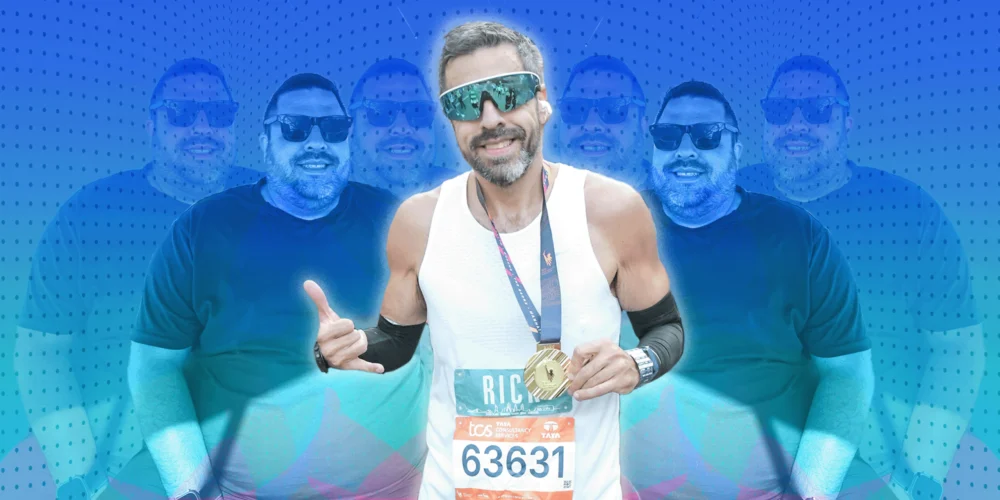
As a registered dietitian and performance coach, I’ve dedicated my career to understanding the intricate dance between nutrition, exercise, and overall well-being. I’ve guided countless individuals toward better health, emphasizing mindful eating and strategic training. Yet, even with a deep knowledge base, the unprecedented shifts brought on by recent global events presented a personal challenge. Like many, I found my relationship with alcohol subtly, then more noticeably, altered. My home, once a sanctuary for healthy habits, had morphed into a multi-functional space: office, gym, and, yes, even a casual bar. This personal revelation, despite my professional expertise, highlighted a universal truth: maintaining healthy habits requires continuous effort and honest self-assessment.
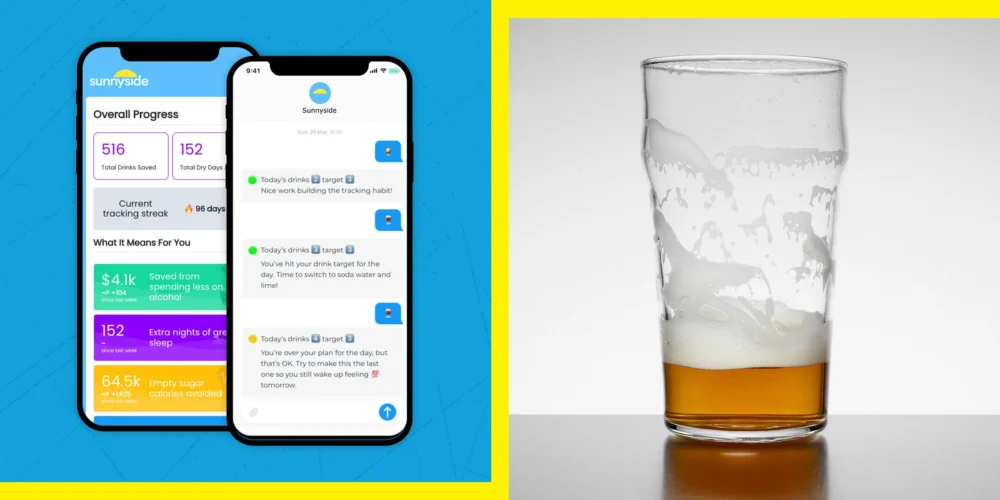
My journey back to recalibration involved the usual suspects – therapy, mindfulness practices, and a rather unique tool that, to my surprise, profoundly reshaped my perspective: a mindful drinking app. Over 150 days of consistent tracking, I didn’t just monitor my alcohol intake; I witnessed a fundamental transformation in my physical, mental, and social health. This experience was so impactful that I felt compelled to share it on my podcast, "Can’t Believe I Made It," and with anyone who might be navigating similar waters.
Understanding the "Why": The Power of Mindful Tracking
Before diving into the "how," it’s crucial to understand the underlying principles that make tracking your drinking, particularly with a tool like the Sunnyside app, so effective. The app is built on a foundation of behavioral science, designed to foster awareness and encourage sustainable change, rather than impose strict, often unsustainable, restrictions.
- Behavior Change Principles: At its core, Sunnyside leverages established methods for habit formation and modification. By making the invisible visible – quantifying your drinking habits – it allows for objective self-reflection.
- Personalized Insights: The app doesn’t offer a one-size-fits-all approach. It provides data-driven insights tailored to your specific patterns, helping you understand your triggers and motivations for drinking.
- Non-Judgmental Support: One of the most significant barriers to addressing drinking habits is the fear of judgment. Sunnyside cultivates a supportive environment, both through its coaching features and its community, where progress is celebrated, and setbacks are viewed as learning opportunities.
- Focus on "Dry-ish" and Balance: The concept of aiming for "Dry-ish January" or simply reducing intake by a significant percentage, rather than an immediate, all-or-nothing approach, makes the goal feel more attainable and less daunting for many. This gradual shift can lead to lasting behavioral changes.
My initial foray into using Sunnyside was sporadic. However, it wasn’t until I committed to consistent tracking at the end of 2023 that the real impact became undeniable. The app’s gentle nudges, daily reminders, and the ability to log each drink with ease transformed a nebulous concern into a tangible area for improvement.
The Unseen Benefits: How 150 Days of Tracking Changed Everything
The transformation wasn’t a sudden revelation but a gradual unfolding of positive changes. Here’s a breakdown of the profound impact tracking my alcohol intake had on various aspects of my life.

Physical Renaissance: Fueling My Fitness, Not Undermining It
As a fitness enthusiast, I’ve always prioritized exercise and nutrition. I hit my daily step goals, lifted weights with intention, and generally adhered to a nutrient-dense diet. However, the nightly ritual of a drink or two was subtly sabotaging my efforts. It was like trying to build a strong house on a shaky foundation.
- Calorie Deficit Without Deprivation: Alcohol is calorically dense, and those "empty calories" can quickly derail weight management goals. Over the 150 days, by consciously reducing my alcohol consumption, I significantly decreased my daily caloric intake. This wasn’t achieved through restrictive dieting, but through mindful choices about what I was putting into my body.
- Weight Management Breakthrough: The numbers were compelling. I shed 10 pounds over the 150 days, a result directly attributable to cutting down on those often-untracked liquid calories. This weight loss wasn’t just aesthetic; it contributed to a feeling of lightness and improved physical performance.
- Enhanced Workout Recovery: Alcohol can disrupt sleep patterns and impair muscle repair. As my drinking decreased, I noticed a marked improvement in my recovery times. Soreness subsided faster, and I felt more energized for subsequent training sessions. This meant I could push harder in my workouts and see better results.
- Elevated Energy Levels: The fog that often accompanies regular alcohol consumption began to lift. My baseline energy levels increased, making it easier to tackle workouts, daily tasks, and simply enjoy life with more vitality. The days of relying on a morning coffee just to function became less frequent.
Actionable Tip for Fitness Enthusiasts: If you find your fitness progress plateauing despite consistent effort, consider your alcohol intake. Even moderate drinking can impact sleep, recovery, and hormonal balance, all crucial for muscle growth and fat loss. Use a tracking app for just two weeks and observe the changes. You might be surprised at the impact.
Mental Clarity and Emotional Resilience: Reclaiming My Mind
My relationship with alcohol had, like many, become a coping mechanism for stress. After demanding days, a drink felt like a well-deserved reward. However, the app helped me understand that this reward often came with a hidden cost: diminished mental clarity and increased emotional reactivity.
- Reduced Anxiety and Mood Swings: As I reduced my alcohol intake, I experienced a noticeable decrease in anxiety. The often-unsettling mood swings that could follow a night of drinking became less frequent and less intense. This brought a greater sense of emotional stability and peace.
- Sharper Cognitive Function: The "brain fog" associated with alcohol consumption began to dissipate. I found myself thinking more clearly, concentrating better, and recalling information more effectively. This was invaluable in my professional life and personal interactions.
- Increased Self-Awareness: The act of tracking forced me to confront my drinking habits honestly. This heightened self-awareness extended beyond alcohol, allowing me to better understand my emotional triggers, my needs, and my responses to various situations.
- Deeper Connection with Coaches: The mindful drinking coaches within the app provided a unique form of support. Their non-judgmental approach and evidence-based guidance felt like having a compassionate friend who genuinely understood the challenges of behavior change. These conversations were instrumental in reframing my perspective on stress and coping.
Real-Life Example: A client of mine, struggling with the pressure of a demanding job, used the app to track their nightly wine consumption. They discovered that their perceived need for a drink was often linked to specific work-related stressors. By identifying these patterns, they were able to implement alternative stress-management techniques, like a short walk or a mindfulness exercise, instead of reaching for alcohol. This not only reduced their drinking but also improved their ability to problem-solve the very issues causing them stress.
Social Harmony: Navigating Connections with Confidence
Social drinking can be a significant hurdle for many. The fear of appearing "boring," missing out, or being the odd one out can perpetuate drinking habits. Sunnyside’s approach, however, fostered a sense of community and provided practical strategies for social situations.

- Empowered Social Choices: The app equipped me with tools and strategies to navigate social events mindfully. This included pre-planning my beverage choices, setting limits, and having non-alcoholic alternatives ready. I learned to enjoy social gatherings without feeling pressured to overindulge.
- Meaningful Connections: By being more present and less influenced by alcohol, my social interactions became more genuine and fulfilling. I was a better listener, more engaged in conversations, and able to connect with friends and family on a deeper level.
- Inspiring Others: Sharing my journey, particularly on my podcast, opened up conversations about mindful drinking. I received overwhelming positive feedback from listeners who resonated with the challenges and successes of this approach. It highlighted that many people are seeking healthier relationships with alcohol.
- Community Support: The app’s community features provided a sense of solidarity. Knowing that others were on a similar journey, sharing tips, and offering encouragement, made the process feel less isolating and more collaborative.
Actionable Advice for Social Situations:
- Have a Plan: Before heading out, decide what you’ll drink. Consider having a non-alcoholic option in mind, like sparkling water with lime or a mocktail.
- Pace Yourself: Alternate alcoholic drinks with water. This helps you stay hydrated and slows down your alcohol consumption.
- Learn to Say No (Gracefully): You don’t need an elaborate excuse. A simple "No thank you, I’m good for now" is sufficient.
- Focus on the Experience: Engage in conversations, enjoy the food, and savor the company. Shift your focus from the drinks to the overall social experience.
The Verdict: Does Tracking Your Drinking Actually Work?
My 150-day alcohol audit, facilitated by the Sunnyside app, was not just an experiment; it was a profound personal transformation. The data I collected wasn’t just numbers on a screen; it represented tangible improvements in my physical health, mental well-being, and social connections.
- Sustainable Change: The key takeaway is that this wasn’t about deprivation; it was about awareness and intentionality. By understanding my patterns, I was able to make conscious choices that aligned with my health goals.
- Holistic Well-being: The benefits extended far beyond a reduction in alcohol. I became a more energetic, focused, and resilient individual, better equipped to handle life’s inevitable challenges.
- Empowerment: The most significant change was the sense of empowerment. I was no longer passively influenced by my drinking habits; I was in control, making choices that served my highest good.
This journey has fundamentally altered my relationship with alcohol, not by eliminating it entirely, but by bringing it into alignment with a healthy, balanced lifestyle. It’s a testament to the power of self-awareness, the effectiveness of behavioral science tools, and the profound impact that mindful choices can have on every facet of our lives. If you’re looking to gain clarity, improve your health, and build a more conscious relationship with alcohol, I wholeheartedly encourage you to explore the path of mindful tracking. The insights you gain may surprise you, and the transformations you experience could be life-changing.