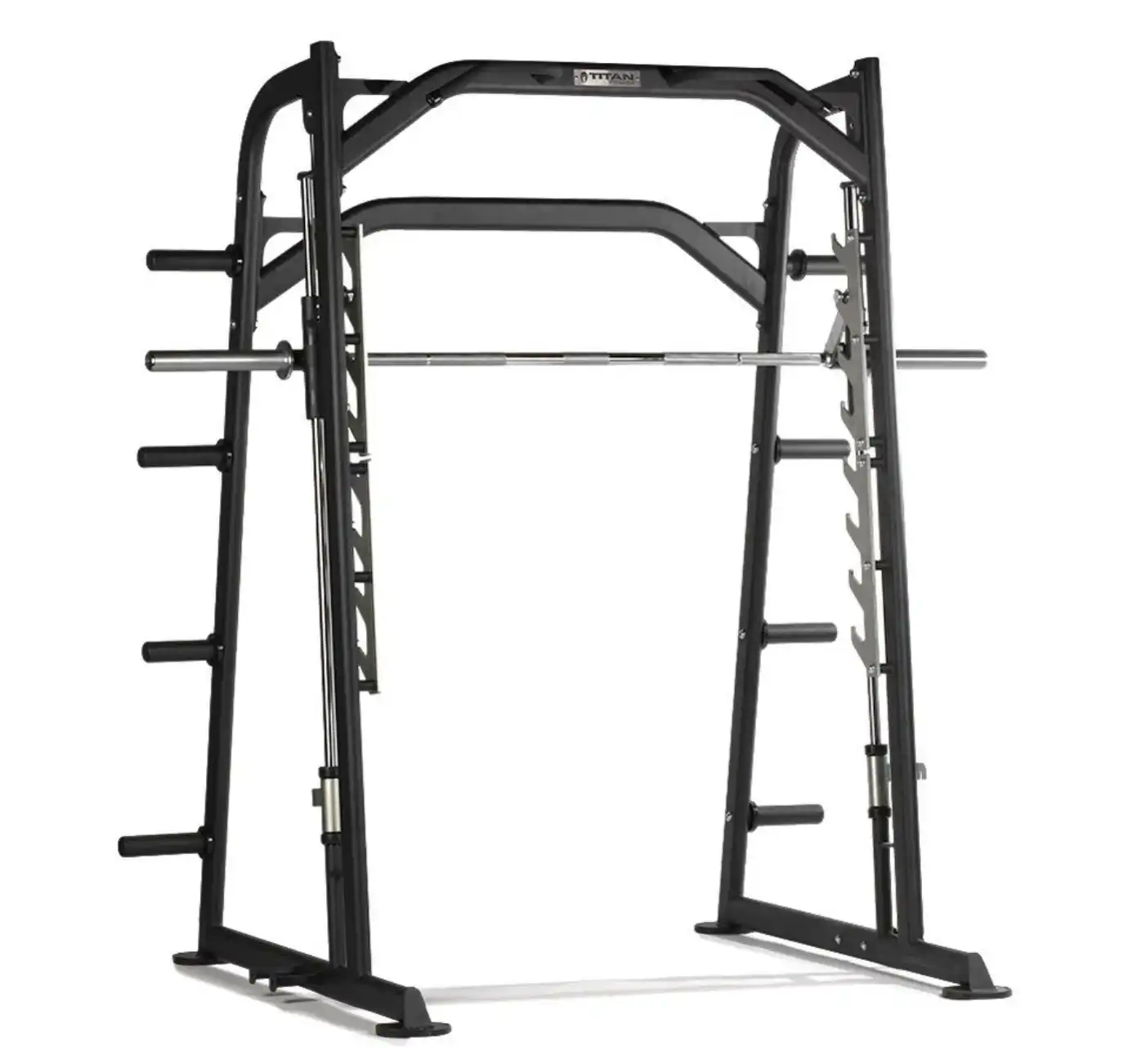
In the evolving landscape of fitness, where personal empowerment meets practical application, the Smith machine often stands as a pivotal piece of equipment. Once primarily associated with commercial gyms, this robust apparatus has cemented its place in countless home setups, bridging the gap between free-weight intensity and unparalleled safety. For beginners seeking a secure entry into strength training or intermediate lifters aiming to push their limits without a spotter, the Smith machine presents a compelling solution.
It’s more than just a barbell fixed on rails; it’s a dynamic tool designed to enhance stability, facilitate precise muscle engagement, and broaden your exercise repertoire. Whether your goal is to build muscle, increase strength, or rehabilitate an injury, understanding how to effectively integrate the Smith machine into your routine can revolutionize your fitness journey. This comprehensive guide will delve into the profound benefits, optimal usage, and critical considerations for harnessing the full potential of the Smith machine, empowering you to forge a stronger, safer, and more consistent path to your fitness aspirations.
The Smith Machine Unveiled: A Foundation for Strength and Safety
Before diving into its myriad applications, let’s establish a clear understanding of what a Smith machine is and why it has garnered such widespread appeal.
What Exactly is a Smith Machine?
At its core, a Smith machine is a piece of weight training equipment that features a barbell fixed within steel rails, allowing only vertical (or sometimes slightly angled) movement. This guided path is its defining characteristic, setting it apart from free weights. The barbell is typically counterbalanced, making the effective starting weight lighter, and it incorporates multiple lock-out points along the uprights. These points allow you to easily "rack" the bar at any stage of a lift with a simple twist of the wrist, providing an instant safety mechanism.
This design offers a unique training environment where the user doesn’t need to stabilize the bar horizontally, freeing them to concentrate solely on the concentric and eccentric phases of the lift and the specific muscle groups being targeted.
Why Consider the Smith Machine for Your Fitness Journey?
The appeal of the Smith machine extends beyond its mechanical design. For many, it represents a gateway to more confident and effective strength training, particularly in a home gym setting or when training alone. Its structured nature minimizes the intimidation often associated with heavy free-weight lifting, allowing individuals to focus on form and muscle activation without the added challenge of balancing a free-moving bar.
It’s a testament to innovation in fitness, offering a controlled environment where safety and performance can coexist, making it an invaluable asset for anyone committed to consistent and progressive strength development.
Unlocking the Benefits: More Than Just a "Guided" Lift
The Smith machine’s unique characteristics translate into a host of advantages that can significantly enhance your training experience.
Enhanced Safety and Confidence
Perhaps the most universally recognized benefit of the Smith machine is the unparalleled safety it offers. The integrated safety catches and multiple lock-out points mean you can push your limits without the need for a human spotter. If a lift becomes too challenging, a quick twist of the wrist secures the bar, preventing accidents. This inherent safety feature is a game-changer for:
- Solo Lifters: Providing peace of mind when attempting heavy lifts at home or in a less crowded gym.
- Beginners: Allowing them to learn fundamental movement patterns like squats and bench presses with reduced risk and increased confidence, focusing on form rather than stabilization.
- Fatigue Training: Enabling advanced training techniques, such as drop sets or training to failure, safely.
Precision and Muscle Isolation
The fixed bar path of the Smith machine, while sometimes criticized for limiting natural movement, can be a distinct advantage for targeted muscle development. By removing the need for lateral stabilization, you can:
- Isolate Specific Muscles: Focus intensely on the prime movers for exercises like squats, bench presses, or calf raises, maximizing tension in the target muscle.
- Refine Form: Work on the mechanics of a movement without the added complexity of balancing the bar. This can be particularly useful for correcting imbalances or strengthening weak points.
- Experiment with Foot/Hand Placement: Explore different stances or grips to emphasize various parts of a muscle group, such as a narrower stance for quad emphasis in squats or a wider grip for chest width in presses.
Versatility for a Full-Body Regimen
Despite its fixed path, the Smith machine is incredibly versatile, allowing for a comprehensive full-body workout. From compound movements to isolation exercises, its adaptable nature supports a wide range of training goals. You can effectively target:
- Lower Body: Squats (front, back, hack), lunges, glute bridges, calf raises.
- Upper Body: Bench presses (flat, incline, decline), overhead presses, bent-over rows, upright rows, shrugs.
- Core: Exercises like reverse crunches or even planks (using the bar for support) can be adapted.
- Functional Movement: Many all-in-one Smith machines include cable systems, opening up possibilities for cable crossovers, lat pulldowns, triceps pushdowns, and more.
Ideal for Progressive Overload and Rehabilitation
The controlled environment of the Smith machine makes it an excellent tool for applying the principle of progressive overload, a fundamental driver of muscle growth and strength gains. You can systematically increase the weight or repetitions with confidence, knowing the safety mechanisms are in place.
Furthermore, its stability makes it beneficial for individuals:
- Returning from Injury: Providing a controlled, low-impact way to rebuild strength and range of motion without putting undue stress on healing joints or tissues.
- With Mobility Limitations: Allowing for modified ranges of motion or supported movements that might be challenging with free weights. Always consult a medical professional or physical therapist for injury-related training.
Space Efficiency and All-in-One Solutions
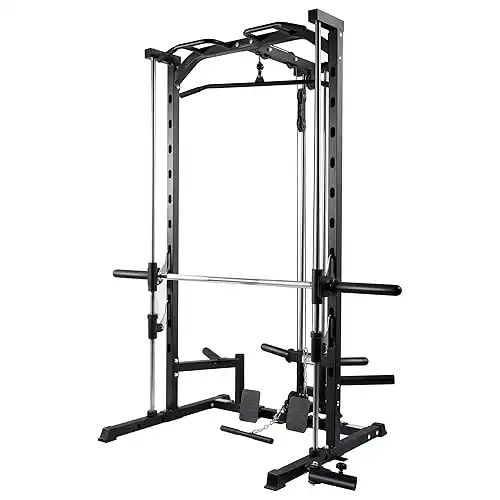
For the burgeoning home gym enthusiast, space is often a premium. Many modern Smith machines are designed as all-in-one trainers, consolidating multiple pieces of equipment into a single footprint. These integrated systems can include:
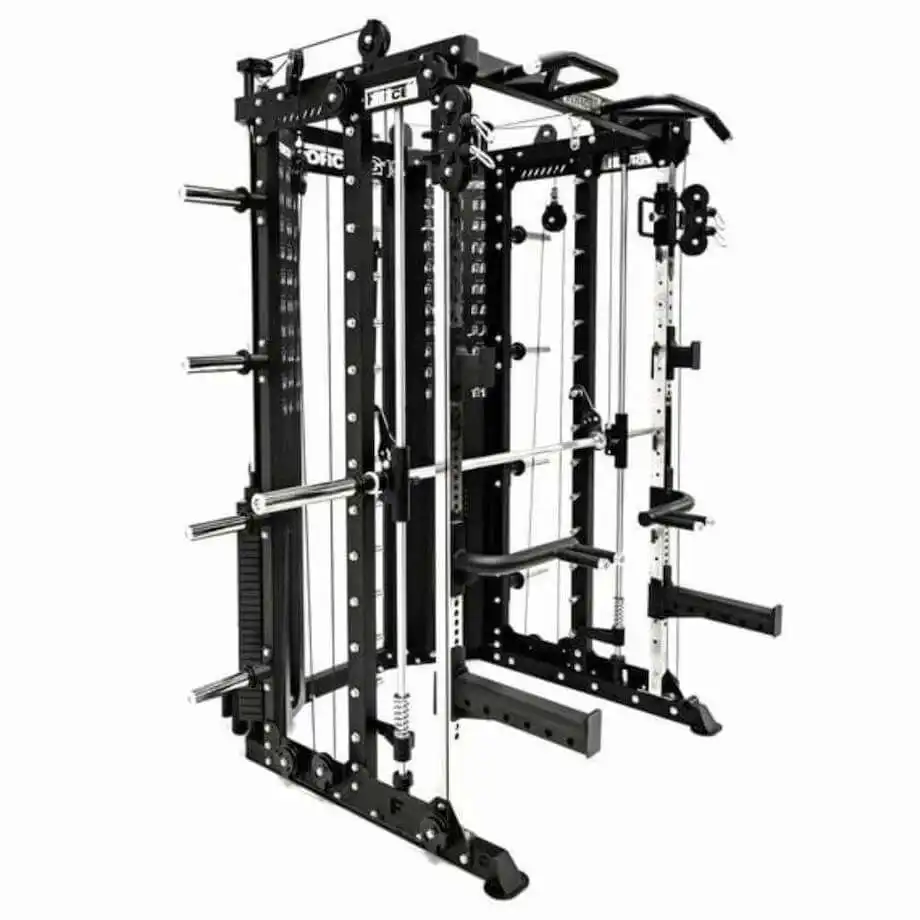
- A Smith machine barbell
- A power rack for free-weight exercises
- A functional trainer with cable pulleys
- Pull-up bars and dip stations
- Storage for plates and accessories
This multi-functionality makes a single Smith machine unit a highly efficient and economical investment, maximizing workout potential in limited spaces.
Mastering Your Workouts: Effective Smith Machine Exercises and Form
To truly leverage the Smith machine, understanding proper form and effective exercise selection is paramount. Remember, while the machine provides stability, conscious engagement and precise movement are still crucial for results and injury prevention.
Lower Body Power: Squats and Lunges
The Smith machine is excellent for developing lower body strength, offering unique advantages for targeting specific muscles.
- Smith Machine Back Squat:
- Setup: Position the bar across your upper back (traps), slightly behind your natural squat path. Feet can be slightly forward to allow a more vertical torso and emphasize quadriceps.
- Execution: Unlock the bar, brace your core, and descend as if sitting into a chair, keeping your chest up and back straight. Push through your heels to return to the starting position.
- Tip: Experiment with foot placement. A slightly forward stance can target quads more intensely, while a wider, more upright stance might engage glutes and hamstrings differently. Always ensure your knees track over your toes.
- Smith Machine Front Squat:
- Setup: Bar rests across the front of your shoulders, hands crossed over to secure it. Maintain an upright torso.
- Execution: Similar to a back squat, but the upright posture naturally emphasizes the quads more.
- Tip: This is a great alternative if you struggle with front squat mobility with free weights, as the machine’s stability helps maintain the upright position.
- Smith Machine Lunges (Split Squats):
- Setup: Place one foot forward and one foot back, with the bar on your upper back.
- Execution: Lower your back knee towards the floor, keeping your front shin relatively vertical. Push through the heel of your front foot to return.
- Tip: The fixed path allows you to focus on the single-leg strength and stability without the balance challenge of free-weight lunges.
Upper Body Strength: Presses and Rows
The Smith machine provides a stable platform for building upper body mass and strength, particularly for pressing movements.
- Smith Machine Bench Press (Flat, Incline, Decline):
- Setup: Lie on a flat, incline, or decline bench positioned under the bar. Grip the bar slightly wider than shoulder-width, ensuring your wrists are straight.
- Execution: Unrack the bar, lower it slowly to your chest, feeling a stretch in your pectoral muscles. Press the bar back up in a controlled motion.
- Tip: The fixed path allows for a very deliberate squeeze at the top of the movement, maximizing chest contraction. The safety catches are invaluable here.
- Smith Machine Overhead Press (Seated or Standing):
- Setup: Sit or stand directly under the bar. Grip slightly wider than shoulder-width, bar resting on your upper chest/shoulders.
- Execution: Press the bar straight overhead until your arms are fully extended, then slowly lower it back to the start.
- Tip: Focus on driving the bar directly upwards. The fixed path helps maintain strict form, preventing compensatory movements that can occur with free weights.
- Smith Machine Bent-Over Rows:
- Setup: Stand facing the bar, feet shoulder-width apart. Hinge at your hips, keeping your back straight, and grab the bar with an overhand grip.
- Execution: Pull the bar towards your lower chest/upper abdomen, squeezing your shoulder blades together. Slowly lower the bar.
- Tip: The fixed path ensures a consistent pulling angle, making it easier to isolate the back muscles.
Beyond the Basics: Isolation and Core Work
The Smith machine’s controlled environment also lends itself well to specific isolation exercises and even some core work.
- Calf Raises: Stand with the balls of your feet on a small block or plate, heels off the edge. Place the bar on your traps. Lower your heels, then raise up onto your toes, squeezing your calves.
- Shrugs: Stand upright with the bar in front of you, arms extended. Shrug your shoulders straight up towards your ears, holding briefly at the top.
- Glute Bridges/Hip Thrusts: Lie on the floor or a bench with your upper back supported. Roll the bar over your hips. Drive through your heels to lift your hips towards the ceiling, squeezing your glutes.
- Inverted Rows: Adjust the bar to a lower height. Lie on your back underneath it, grab the bar with an overhand grip. Pull your chest towards the bar, engaging your back and biceps.
The Importance of Mind-Muscle Connection
With the Smith machine, the absence of stabilization demands allows for a heightened focus on the mind-muscle connection. Actively think about the muscle you are working throughout the entire range of motion. Squeeze at the peak contraction, control the negative (eccentric) phase, and truly feel the muscle working. This intentional focus can lead to more effective training and better results.
Choosing Your Smith Machine: What to Look for in Your Home Gym
Selecting the right Smith machine for your home gym involves more than just picking the first one you see. It requires careful consideration of your space, budget, and fitness aspirations. Since we are avoiding specific brands, let’s focus on the critical features and types.
Understanding Different Configurations
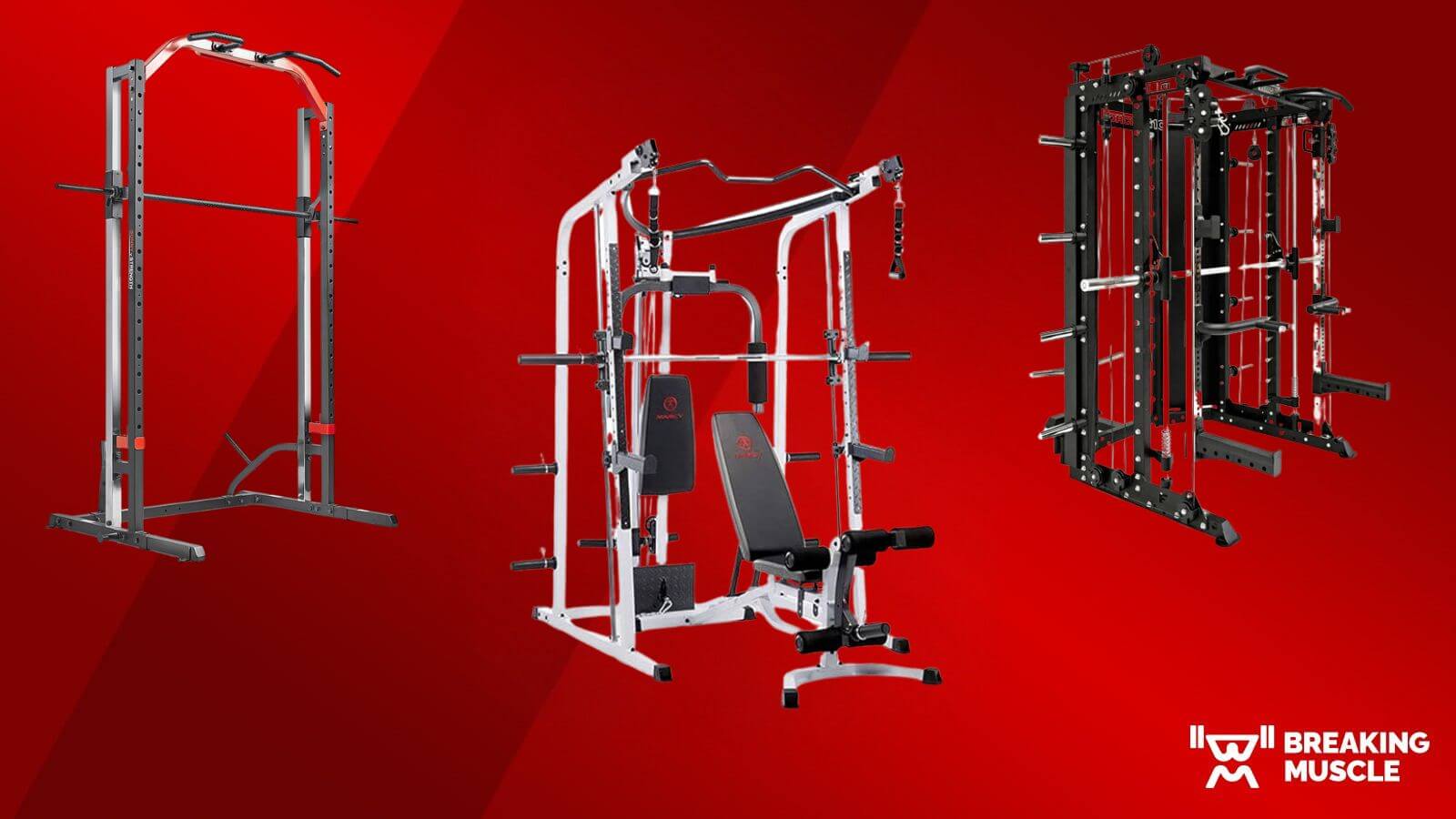
Smith machines come in various designs, each offering distinct advantages:
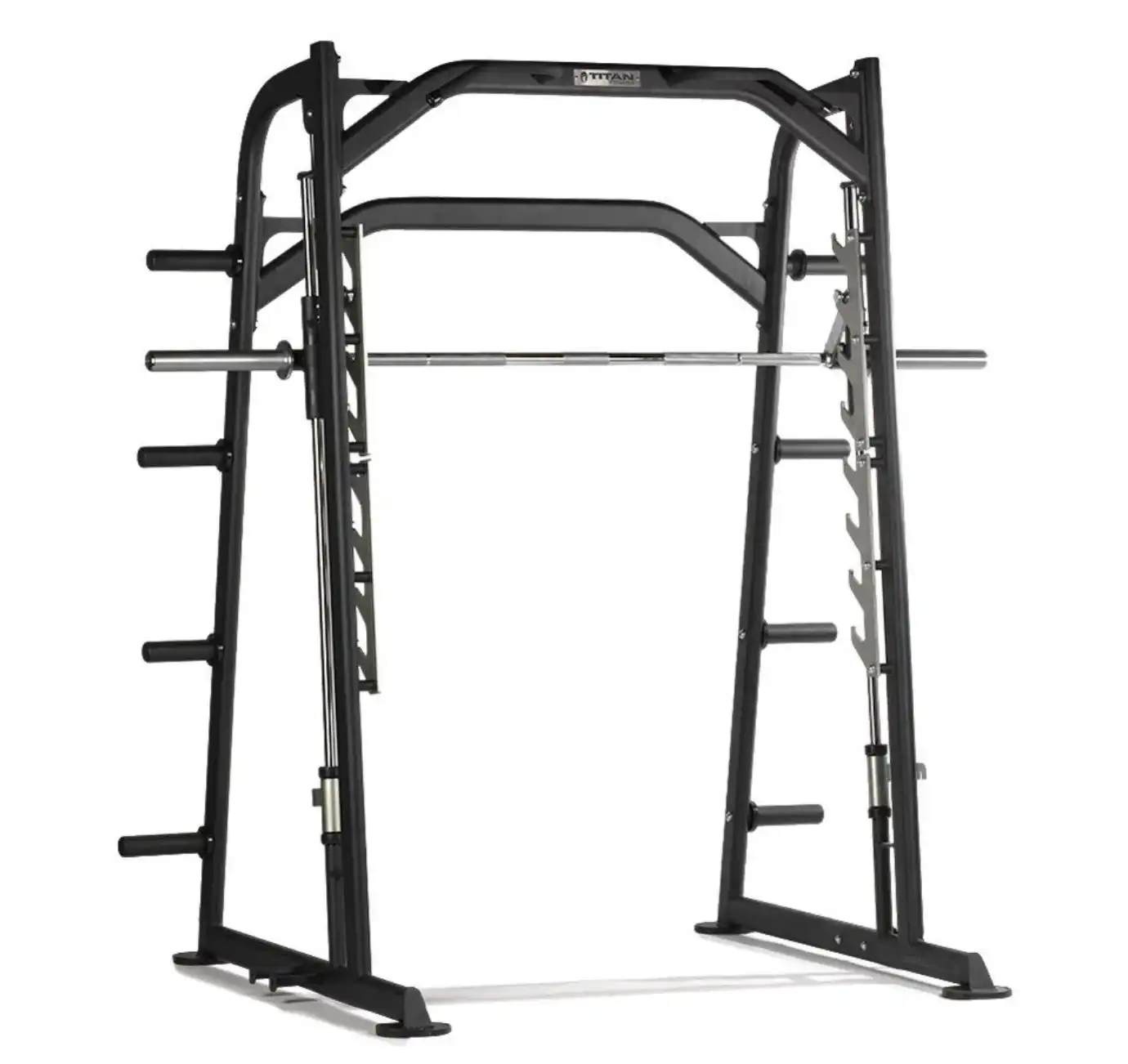
- Standalone Smith Machines: These units are dedicated solely to the guided bar path function. They are robust but might offer less versatility than integrated systems.
- All-in-One Trainers (Multi-Gyms): These are comprehensive fitness stations that combine a Smith machine with a power rack, functional cable trainer, pull-up bar, and often dip stations. They are incredibly versatile and space-efficient, making them popular for home gyms.
- Rack Attachments: For those who already own a power rack, certain attachments can convert it into a Smith machine. These are typically more compact and cost-effective than standalone units but require an existing compatible rack.
Key Features to Prioritize
When evaluating options, consider these essential attributes to ensure you make an informed decision:
- Build Quality and Materials: Look for heavy-gauge steel construction (e.g., 11-gauge steel) for durability and stability. The heavier the unit, generally the more stable it will feel, especially during heavy lifts. Check the quality of welds and finish.
- Bar Path Smoothness: This is crucial for a positive user experience. The linear bearings or bushings should allow the bar to glide effortlessly up and down the rails without sticking or grinding. A smooth bar path ensures consistent resistance and reduces joint strain.
- Weight Capacity: Ensure the machine’s maximum weight capacity comfortably exceeds your current and projected lifting capabilities. This applies to both the Smith bar and any integrated power rack components.
- Safety Mechanisms: Beyond the standard twist-and-lock hooks, look for adjustable safety spotters or limiters. These allow you to set a minimum height for the bar, providing an additional layer of protection.
- Knurling Quality: The texture on the Smith machine’s barbell should provide a secure grip without being overly aggressive or too passive. A good knurl pattern enhances safety and comfort, particularly for heavier lifts.
- Versatility and Attachments: If considering an all-in-one trainer, assess the range of integrated functions (cable pulleys, pull-up bar, dip handles, landmine attachment points). The more functions it offers, the greater your workout variety.
- Footprint and Dimensions: Measure your available space carefully. Consider the machine’s height, width, and depth, as well as the clearance needed for exercises and plate loading.
- Pulley Ratios (for All-in-One Trainers): Cable systems often come with weight ratios like 1:1, 2:1, or 4:1. A 1:1 ratio means the weight you load is the exact weight you lift. A 2:1 ratio means you lift half the loaded weight (e.g., 100 lbs loaded feels like 50 lbs), which is smoother for functional movements but provides less direct resistance. Understand which ratio suits your training style.
- Assembly Complexity: Some multi-functional units can be challenging and time-consuming to assemble. Factor in the potential need for professional assembly or the time commitment if doing it yourself.
- Warranty and Customer Support: A solid warranty indicates the manufacturer’s confidence in their product. Good customer support is invaluable for any future issues or questions.
Budget vs. Investment: Making a Smart Choice
Smith machines vary widely in price. While budget-friendly options exist, often at the expense of build quality or features, a higher investment usually translates to superior durability, smoother operation, and greater versatility. Consider your long-term fitness goals:
- If you’re a casual lifter or just starting, a more basic, compact model or attachment might suffice.
- If you’re serious about strength training and foresee significant progression, investing in a robust, multi-functional unit will likely provide better value and longevity.
Think of it as an investment in your health and fitness journey, one that pays dividends in safety, consistency, and results.
Common Questions and Expert Tips for Smith Machine Training
Integrating any new piece of equipment into your routine can raise questions. Let’s address some common concerns and offer expert tips to optimize your Smith machine training.
Smith Machine vs. Free Weights: A Balanced Perspective
This is a classic debate. Neither is inherently "better"; they offer different advantages:
- Smith Machine Strengths: Excellent for safety, muscle isolation, form refinement, and specific training techniques (e.g., partial reps, drop sets) where stabilization isn’t the primary goal.
- Free Weight Strengths: Superior for developing stabilizer muscles, improving proprioception (body awareness), and mimicking natural movement patterns crucial for athletic performance and real-world strength.
Expert Tip: For intermediate lifters, consider using both. Use the Smith machine for targeted accessory work, heavy presses where safety is paramount, or when focusing on a specific muscle contraction. Continue to use free weights for foundational compound movements to develop comprehensive strength and coordination.

Can You Build Significant Muscle with a Smith Machine?
Absolutely. Muscle growth (hypertrophy) is primarily driven by progressive overload, sufficient training volume, and proper nutrition, all of which can be achieved with a Smith machine. The ability to safely push closer to failure and isolate muscles can be highly effective for stimulating growth.
Expert Tip: Don’t just go through the motions. Focus on time under tension, controlled negatives, and a full range of motion within the machine’s guided path. Ensure your programming includes consistent increases in weight, reps, or sets over time.
Deadlifts and Other Compound Movements: Considerations for the Fixed Path
While you can perform deadlifts on a Smith machine, it’s generally not recommended as the primary deadlift variation. The fixed, vertical path can force an unnatural bar path for many individuals, potentially placing undue stress on the lower back and hips.
Expert Tip: If you choose to deadlift on a Smith machine, start very light. Pay extreme attention to your body’s feedback. Consider sumo deadlifts, Romanian deadlifts (RDLs), or stiff-legged deadlifts on the Smith machine, as these variations might align better with the fixed path for some individuals, allowing for a focused hamstring and glute stretch. However, free-weight deadlifts are superior for overall posterior chain development.
Integrating into Your Routine: Complementary Training
Think of the Smith machine as a powerful complement to your overall fitness strategy.
- Warm-up: Use lighter weights on the Smith machine to warm up target muscles before transitioning to free weights.
- Accessory Work: After your main compound lifts, use the Smith machine for isolation exercises to further fatigue specific muscle groups.
- Supersets/Drop Sets: Its easy re-racking makes it ideal for quick transitions between sets or weight changes.
- Specific Focus Days: Dedicate a day to Smith machine-focused training to emphasize muscle isolation and controlled movements.
Expert Tip: Listen to your body. The fixed path can sometimes feel different or place stress in unusual areas if your biomechanics aren’t perfectly aligned with the machine’s movement. Adjust your foot or hand placement, or choose a different exercise if you experience discomfort. Prioritize feeling the target muscle work over simply moving the weight.
Conclusion: Your Guided Path to a Stronger Self
The Smith machine, often misunderstood, is a powerful ally in the pursuit of strength and fitness. It stands as a testament to innovation, offering a unique blend of safety, precision, and versatility that can benefit lifters of all levels. From the beginner taking their first confident steps into strength training to the intermediate enthusiast seeking to break plateaus or safely rehabilitate, the guided path of the Smith machine provides an invaluable environment for growth.
By understanding its benefits, mastering effective exercise techniques, and making an informed choice for your home gym, you unlock a strategic advantage. It’s a tool that empowers you to focus on the crucial elements of muscle activation and progressive overload, removing the distractions of stabilization and the need for a constant spotter.
Embrace the Smith machine not as a replacement for free weights, but as a robust complement to your fitness arsenal. Let its guided power be the foundation upon which you build confidence, refine your form, and consistently challenge your limits. Your journey to a stronger, more resilient self is a continuous one, and with the strategic integration of the Smith machine, you are well-equipped to unleash your full potential and achieve remarkable results. Step up, grip the bar, and forge your path to unparalleled strength and lasting fitness.