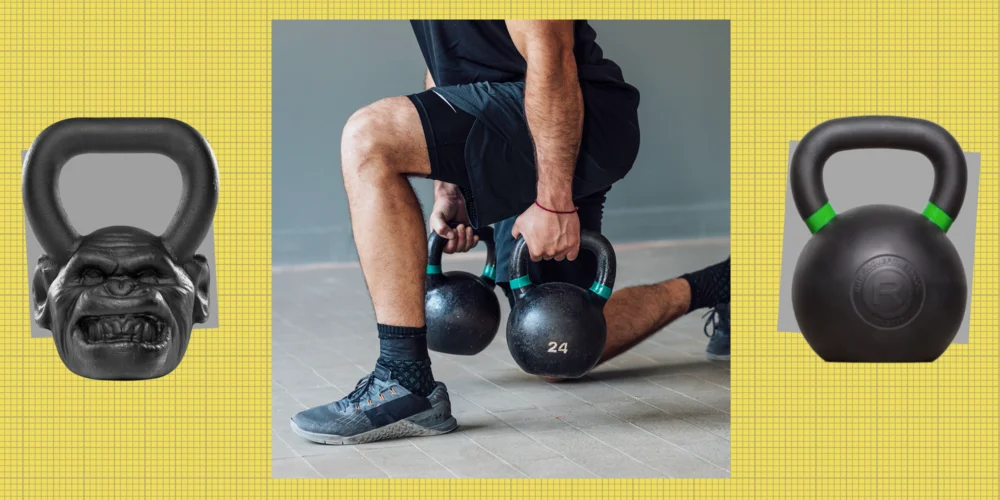
The kettlebell, a seemingly simple piece of cast iron, is a titan of functional fitness. Its unique design allows for a dynamic, full-body workout that builds strength, endurance, and explosive power like few other tools can. And the best part? You don’t need a sprawling gym to harness its benefits. A well-chosen kettlebell can transform any corner of your home into a formidable muscle-building sanctuary.
Whether you’re just dipping your toes into the world of kettlebell training or you’re looking to expand your home arsenal, selecting the right equipment is paramount. It’s not just about picking the heaviest option; it’s about finding a tool that fits your goals, your space, and your progression. We’ve scoured the market and consulted with fitness professionals to bring you a curated list of seven kettlebells that are perfect for building serious muscle in the comfort of your own home. Prepare to elevate your training and unlock a new level of strength.

The Foundation of Your Home Gym: Why Kettlebells Reign Supreme
Before we dive into the specific recommendations, let’s quickly remind ourselves why the kettlebell deserves a prime spot in your home fitness setup. Unlike dumbbells, which primarily focus on isolating muscles, kettlebells excel at compound movements that mimic real-world actions. This means you’re not just building bigger biceps; you’re building functional strength that translates to everyday life and athletic performance.
- Full-Body Engagement: From swings and squats to presses and snatches, kettlebell exercises engage multiple muscle groups simultaneously. This efficiency is a game-changer for busy individuals.
- Cardiovascular Benefits: The dynamic nature of kettlebell training elevates your heart rate, providing a potent cardio workout alongside your strength training.
- Improved Core Strength: The offset center of gravity in a kettlebell forces your core to work harder to stabilize your body during every movement, leading to a stronger, more resilient midsection.
- Enhanced Grip Strength: Holding and maneuvering a kettlebell, especially for more advanced exercises, significantly boosts your grip and forearm strength.
- Versatility: A single kettlebell can be used for dozens of exercises, offering incredible variety and preventing workout plateaus.
Now, let’s explore the tools that will help you achieve these benefits.

Your Kettlebell Toolkit: 7 Picks for Home Muscle Building
We’ve focused on durability, functionality, grip, and value to bring you a diverse range of kettlebells suited for various needs and budgets.
1. The All-Around Champion: Classic Powder-Coated Cast Iron
When it comes to a reliable workhorse for building muscle, the classic cast iron kettlebell with a powder coating is a top contender. This design offers a fantastic balance of durability, grip, and affordability.

- Why it’s great for muscle building: The textured powder coating provides excellent grip, even during intense, sweaty workouts. This means you can focus on controlled, powerful movements without worrying about slippage. The solid cast iron construction ensures it can withstand heavy use and progression.
- Practical Workout Tip: Start with foundational movements like the kettlebell swing, goblet squat, and overhead press. As you build strength, incorporate exercises like the clean and press, snatches, and Turkish get-ups. These compound movements will challenge your entire body and stimulate muscle growth.
- Real-life Example: Imagine performing a set of 10 two-handed kettlebell swings, feeling the burn in your glutes and hamstrings, followed by a controlled goblet squat, engaging your quads and core. This single piece of equipment delivers a comprehensive lower body and posterior chain workout.
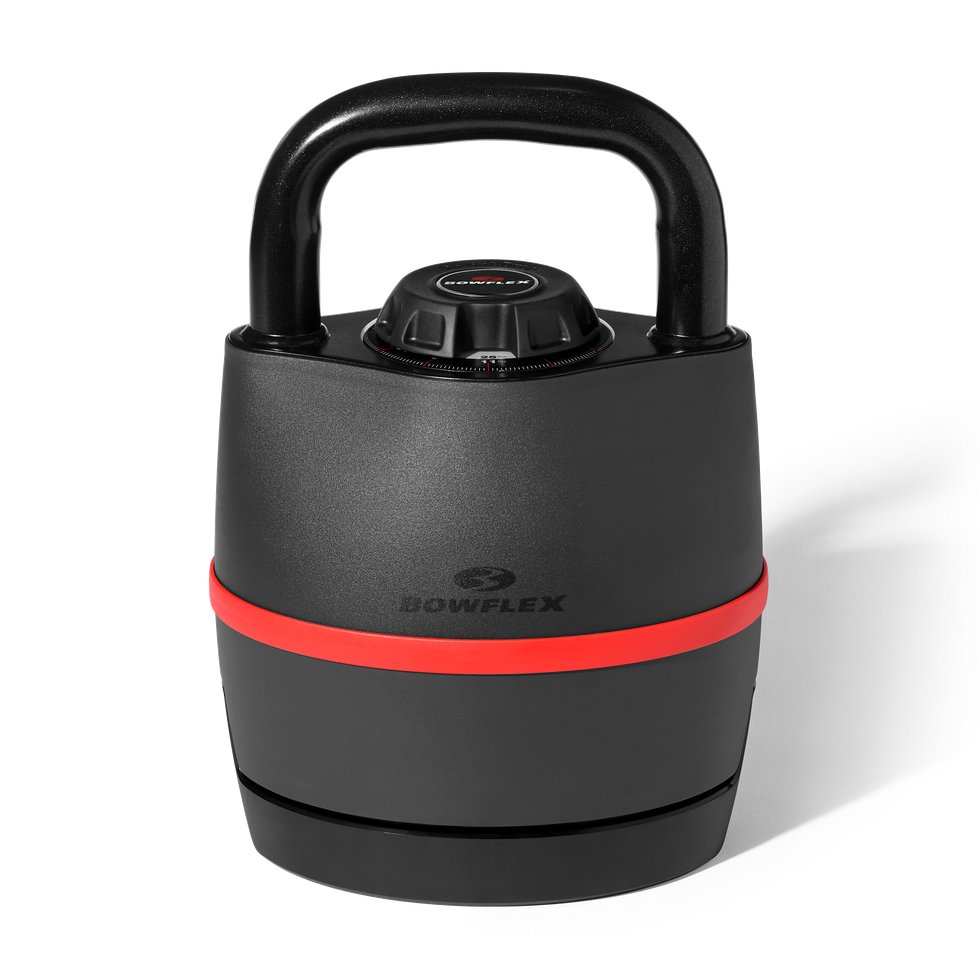
2. The Space-Saving Marvel: The Adjustable Kettlebell
For those with limited space or who want to invest in a piece of equipment that grows with them, an adjustable kettlebell is an ingenious solution.
- Why it’s great for muscle building: Instead of buying multiple kettlebells, an adjustable one allows you to change the weight quickly and easily. This means you can seamlessly transition from lighter weights for more technical lifts to heavier weights for strength-focused exercises. This adaptability is crucial for progressive overload, the cornerstone of muscle growth.
- Practical Workout Tip: Utilize the adjustable nature to your advantage. For example, use a lighter setting for kettlebell windmills to perfect your form and core stability, then crank it up to a heavier weight for kettlebell deadlifts to build raw strength in your posterior chain.
- Real-life Example: You start your workout with 20 pounds for Russian twists, then quickly adjust to 40 pounds for a challenging set of single-arm rows. This seamless transition keeps your heart rate up and your muscles under constant tension.
3. The Budget-Friendly Starter: Vinyl-Coated Kettlebell
If you’re just beginning your kettlebell journey and are mindful of your budget, a vinyl-coated cast iron kettlebell offers an accessible entry point.

- Why it’s great for muscle building: While it might not offer the same grippy texture as a powder-coated version, the vinyl coating provides a smooth surface and helps protect your floors from scratches and dings. For beginners, the focus is on learning proper form with lighter weights, and this option provides that without breaking the bank.
- Practical Workout Tip: Focus on mastering the basic kettlebell swing and goblet squat. Use the lighter weights to build confidence and learn the hip-hinge pattern. As you progress, you can add more repetitions or consider combining this with a heavier dumbbell for certain exercises.
- Real-life Example: A beginner can comfortably perform kettlebell deadlifts with a 15-pound vinyl-coated kettlebell, focusing on the eccentric (lowering) phase of the movement to build control and muscular endurance.
4. The Modern Workhorse: Sleek Adjustable Design
This category represents a step up in adjustable kettlebell technology, often featuring a more streamlined design and a secure, user-friendly adjustment mechanism.
- Why it’s great for muscle building: These models often offer a wider weight range and a more intuitive adjustment system, making them incredibly efficient for progressive overload. The design typically prioritizes a comfortable grip and balanced weight distribution, which is essential for executing exercises with proper form and maximizing muscle activation.
- Practical Workout Tip: This type of kettlebell is ideal for creating circuit-style workouts. You can move quickly between exercises like kettlebell lunges, presses, and rows, adjusting the weight as needed to maintain intensity and challenge different muscle groups.
- Real-life Example: Transition from a 25-pound goblet squat to a 45-pound single-arm clean and press within seconds, keeping your momentum and challenging your strength and power without interruption.
5. The Floor-Friendly Fortress: Rubber-Coated Kettlebells
For those concerned about noise, floor damage, or needing a superior grip, rubber-coated kettlebells are an excellent investment.
- Why it’s great for muscle building: The rubber coating offers excellent protection for your floors and reduces the impact and noise associated with dropping the kettlebell. Crucially, it often provides a very comfortable and secure grip, especially during high-rep sets or dynamic movements where sweat can be a factor.
- Practical Workout Tip: These are perfect for explosive movements like kettlebell swings and snatches. The added grip allows you to commit fully to the power of the movement, knowing the kettlebell will stay securely in your hand.
- Real-life Example: Execute a set of 15 double-arm kettlebell swings, feeling the powerful contraction in your glutes and the engagement of your lats, without worrying about scratching your hardwood floors.
6. The Unconventional Powerhouse: Sand Kettlebells
A unique option, sand-filled kettlebells offer a different feel and a softer landing for beginners or those concerned about impact.
- Why it’s great for muscle building: The shifting nature of the sand inside can add an extra challenge to stabilization muscles, making traditional exercises feel more dynamic. For beginners, the softer nature of these kettlebells can make them feel less intimidating and safer for learning new movements.
- Practical Workout Tip: These are great for mastering fundamental movements like the halo and the kettlebell deadlift. The less rigid nature can help you feel the movement pattern more intuitively before progressing to heavier, more solid options.
- Real-life Example: Practice kettlebell halos, feeling the weight shift and requiring extra core engagement to maintain balance, a crucial step before attempting more dynamic exercises.
7. The Ultimate Adaptability Tool: The Dumbbell-to-Kettlebell Converter
For the ultimate in space and cost-saving, consider a device that transforms your existing dumbbells into kettlebells.

- Why it’s great for muscle building: If you already own dumbbells, this attachment allows you to perform kettlebell-like movements without buying new equipment. It effectively increases the versatility of your existing weights, enabling you to incorporate exercises that mimic kettlebell training into your routine.
- Practical Workout Tip: Use this converter for exercises like goblet squats and single-arm rows, where the added handle provides a kettlebell-like grip and feel. While it might not be ideal for highly dynamic swings, it’s fantastic for building foundational strength and core stability.
- Real-life Example: Attach the converter to a moderate-weight dumbbell and perform a series of weighted lunges, feeling a similar engagement to that of a kettlebell lunge, all while utilizing equipment you already possess.
Mastering the Kettlebell: Tips for Building Muscle Effectively
Simply owning a kettlebell is only the first step. To truly build muscle, you need to approach your training with intelligence and consistency.
Choosing Your Starting Weight: The Golden Rule
The most crucial factor when starting is selecting a weight that allows for perfect form.

- Prioritize Form Over Weight: It’s always better to use a lighter weight with impeccable form than a heavier weight with poor technique. Poor form not only hinders muscle growth but significantly increases your risk of injury.
- Listen to Your Body: Pay attention to how the weight feels. Can you control the movement throughout its entire range of motion? Can you maintain a stable core? If not, the weight is too heavy.
- Progressive Overload is Key: Once you can comfortably complete your target rep range with excellent form, it’s time to increase the weight. This is the fundamental principle of muscle hypertrophy. This could mean moving to a heavier kettlebell, increasing reps, increasing sets, or decreasing rest times.
Building a Foundational Kettlebell Workout
For beginners and intermediate trainees looking to build muscle, a balanced workout incorporating key kettlebell movements is essential.
Sample Full-Body Kettlebell Workout:

- Warm-up: 5-10 minutes of light cardio (jumping jacks, high knees) and dynamic stretching (arm circles, leg swings, torso twists).
- Kettlebell Swings (Two-Handed): 3 sets of 10-15 repetitions. Focus on a powerful hip hinge, driving through your glutes and hamstrings.
- Goblet Squats: 3 sets of 10-12 repetitions. Hold the kettlebell at your chest, keeping your chest up and back straight as you lower into a squat.
- Single-Arm Rows: 3 sets of 10-12 repetitions per arm. Hinge at your hips, keeping your back straight, and pull the kettlebell towards your chest, squeezing your shoulder blade.
- Overhead Press (Single-Arm): 3 sets of 8-10 repetitions per arm. Press the kettlebell overhead, maintaining a stable core and controlled movement.
- Kettlebell Deadlifts: 3 sets of 8-10 repetitions. Stand with the kettlebell between your feet, hinge at your hips, and grip the handle. Stand up by driving through your heels and squeezing your glutes.
- Cool-down: 5-10 minutes of static stretching, focusing on major muscle groups worked.
Making Progress: The Path to Consistent Muscle Growth
- Consistency is Non-Negotiable: Aim to train with your kettlebell 2-4 times per week, allowing for adequate rest between sessions for muscle recovery and growth.
- Vary Your Rep Ranges: To stimulate different types of muscle growth, incorporate both higher rep ranges (12-15+) for muscular endurance and lower rep ranges (6-10) for strength and hypertrophy.
- Don’t Neglect Nutrition: Muscle growth doesn’t happen in a vacuum. Ensure you’re consuming enough protein and a balanced diet to fuel your workouts and support muscle repair.
- Embrace the Challenge: As you get stronger, don’t be afraid to increase the weight, add more repetitions, or try more challenging variations of exercises. The key to continued muscle building is consistent progression.
Your Strength Journey Starts Now
The kettlebell is more than just a piece of equipment; it’s a catalyst for transformation. It’s a tool that demands your focus, rewards your effort, and builds a resilient, powerful physique from the inside out. Whether you choose the classic dependability of a powder-coated bell, the smart efficiency of an adjustable model, or the budget-friendly accessibility of a vinyl-coated option, you’re investing in your health and your strength.
Don’t wait for the perfect gym or the perfect time. Your home is your training ground, and these seven kettlebells are your keys to unlocking a stronger, more capable you. Pick your weapon, commit to the process, and watch as you forge the muscle and power you’ve always desired. The journey to a stronger you begins with that first swing, that first squat, that first rep. Start today.