
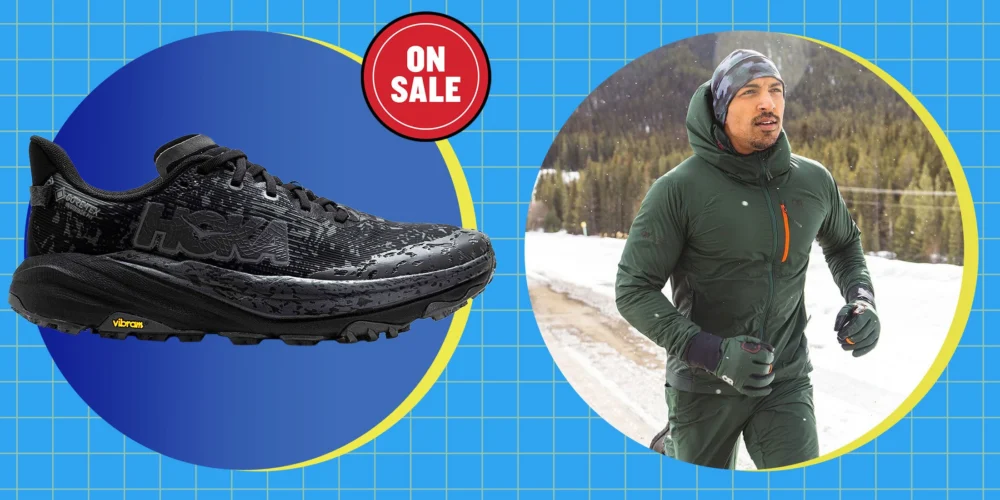
Winter running. The very phrase can conjure images of biting winds, icy sidewalks, and the irresistible pull of a warm couch. But for those of us who refuse to let the mercury drop dictate our fitness routine, there’s a unique thrill in embracing the chill. As a seasoned fitness editor who laces up for outdoor miles even when the temperature plummets, I know firsthand that the right gear isn’t just about comfort – it’s about safety, performance, and unlocking the exhilarating beauty of a frozen landscape.
The good news? Right now, a treasure trove of winter running essentials is hitting the sales racks. This isn’t just about snagging a bargain; it’s about investing in gear that will empower you to push your limits, no matter the season. Beyond mere warmth, we’re talking about advanced thermal fabrics, moisture-wicking technologies, waterproofing, and enhanced grip – features that transform a potentially miserable experience into a truly rewarding one. I’ve personally put these pieces through their paces, and I’m thrilled to share some of the standout deals I’ve found on editor-tested, winter-ready running equipment.
The Foundation: Essential Cold-Weather Apparel
Your winter running wardrobe is built from the ground up, starting with the layers closest to your skin. The goal here is to manage moisture and maintain a stable body temperature.

Baselayers: Your First Line of Defense
A good baselayer is non-negotiable. Forget cotton – it absorbs sweat and leaves you feeling damp and chilled. Opt for synthetic materials like polyester or merino wool. These fabrics excel at wicking moisture away from your skin, keeping you dry and preventing that dreaded "ice-cold clamminess."
- Key Features to Look For:
- Moisture-Wicking: Essential for drawing sweat away from your skin.
- Breathability: Allows heat and vapor to escape, preventing overheating.
- Lightweight Warmth: Provides insulation without adding bulk.
- Flatlock Seams: Reduces chafing and irritation, crucial for longer runs.
Real-Life Example: I recall a particularly brutal 15-mile run last January. The temperature hovered in the low teens, with a biting wind. My merino wool baselayer, paired with a mid-layer, kept my core temperature remarkably stable. I never felt that overwhelming chill that can sap your motivation and energy.
Mid-Layers: Adding Insulation
The mid-layer acts as your insulator, trapping body heat. This is where you can adjust your warmth based on the conditions and your personal comfort level. Fleece, merino wool blends, or lightweight insulated vests are excellent choices.

- What to Consider:
- Fleece: Offers excellent warmth-to-weight ratio and is generally affordable.
- Merino Wool Blends: Provide superb temperature regulation and odor resistance, but can be pricier.
- Insulated Vests: A great option for core warmth without restricting arm movement, perfect for milder winter days or high-intensity efforts.
Actionable Tip: Think in terms of "degrees of warmth." If it’s just below freezing, a light fleece might suffice. If the wind is howling and the temperature is in the single digits, you might opt for a thicker fleece or a vest layered over your baselayer.
Outer Layers: Protection from the Elements
Your outermost layer is your shield against wind and precipitation. A good running jacket should be windproof and water-resistant, if not fully waterproof, depending on your typical winter weather.
- Must-Have Features:
- Windproof Fabric: Crucial for preventing wind chill, which can drastically lower perceived temperature.
- Water Resistance/Waterproofing: Protects you from rain, sleet, and snow. Look for breathable membranes to avoid feeling like you’re running in a plastic bag.
- Ventilation Zippers: Pit zips or chest vents allow you to release excess heat during your run.
- Reflective Elements: Enhance visibility in low-light conditions, a critical safety feature during shorter winter days.
Editor’s Pick: A high-quality, weather-resistant jacket is a game-changer. I’ve found that investing in one that offers excellent wind protection and breathability means I can wear it for a wider range of temperatures, making it a versatile piece in my winter arsenal. Look for jackets with adjustable cuffs and a hem to seal out drafts.

Footwear: Traction and Warmth for Your Pavement Pounders
Your feet are the unsung heroes of winter running. Keeping them warm, dry, and firmly planted on the ground is paramount.
Winterized Running Shoes: Grip and Guard
Many brands now offer "weatherized" or "waterproof" versions of their popular running shoes. These often feature:
- Waterproof Membranes: Like Gore-Tex, these keep water out while allowing some breathability.
- Enhanced Outsole Grip: Deeper lugs or specialized rubber compounds provide better traction on slippery surfaces.
- Warmer Upper Materials: Some shoes incorporate slightly more insulating materials in their uppers.
When to Choose Waterproof: If you frequently run in wet conditions (rain, slush, snow) or through puddles, a waterproof shoe is a wise investment. For drier, colder days, a well-insulated, breathable shoe might be sufficient.

Practical Advice: Don’t underestimate the power of good traction. Icy patches can appear suddenly. Shoes with aggressive lugs and a sticky rubber compound can give you the confidence to maintain your pace and avoid slips.
Warm Socks: The Cozy Comfort
Just like baselayers, avoid cotton socks. Opt for wool or synthetic blends designed for athletic use. Thicker socks can provide extra warmth, but ensure they don’t make your shoes too tight, which can restrict circulation and lead to cold feet.
- Sock Essentials:
- Wool or Synthetic Blend: For moisture-wicking and warmth.
- Cushioning: Provides comfort and can add a touch of insulation.
- Seamless Construction: Minimizes the risk of blisters.
A Word of Caution: If your feet tend to get extremely cold, consider a pair of thin liner socks made of silk or a synthetic material worn underneath your thicker wool socks. This can add an extra layer of insulation and improve moisture management.

Beyond the Basics: Essential Accessories
The right accessories can elevate your winter running experience from tolerable to truly enjoyable.
Headwear: Conserving Vital Heat
You lose a significant amount of body heat through your head. A warm hat is essential.
- Hat Options:
- Fleece-lined Beanies: Offer excellent warmth for very cold conditions.
- Lightweight Thermal Headbands: Ideal for milder days or when you tend to overheat.
- Balaclavas or Neck Gaiters: Can be pulled up to cover your face and neck, providing crucial protection against wind and extreme cold.
My Go-To Strategy: I often start my run with a slightly warmer hat and then tuck it into a pocket or unzip my jacket as I warm up. A versatile neck gaiter is invaluable, as it can be adjusted to cover your nose and mouth when the wind picks up.

Gloves: Protecting Your Extremities
Cold hands can be painful and distracting. Look for gloves that offer a balance of warmth, dexterity, and grip.
- Glove Considerations:
- Fleece or Insulated Gloves: For general warmth.
- Windproof Gloves: Essential for windy conditions.
- Water-Resistant Gloves: Good for snowy or sleety runs.
- Touchscreen Compatibility: Convenient for using your phone or GPS watch.
A Smart Choice: Many runners prefer a layered approach with thinner liner gloves inside warmer, waterproof outer gloves for maximum adaptability. If you’re prone to extremely cold hands, consider heated gloves, though these are typically more expensive.
Eye Protection: Shielding Against the Elements
Sunglasses aren’t just for sunny days. They can protect your eyes from wind, blowing snow, and even glare off icy surfaces.

- Why You Need Them:
- Wind Protection: Prevents watery, irritated eyes.
- Snow and Debris Shielding: Keeps your eyes clear in blustery conditions.
- Glare Reduction: Crucial for visibility on bright, frosty mornings.
Pro Tip: Look for running-specific sunglasses that are lightweight, have a secure fit, and offer good ventilation to prevent fogging. Clear or lightly tinted lenses are often best for low-light winter conditions.
Navigating the Sales: Smart Shopping Strategies
The deals are out there, but they require a keen eye and a quick click.
- Timing is Key: Many winter gear sales kick off in late fall and continue through the early spring. Keep an eye out for holiday sales as well.
- Know Your Needs: Before you start browsing, identify the gaps in your current winter running kit. Do you need new shoes, a warmer jacket, or just a better pair of gloves?
- Compare Prices: Use price comparison tools or visit multiple retailers to ensure you’re getting the best deal.
- Read Reviews: Even with sales, it’s crucial to buy gear that performs. Read reviews from other runners to get a sense of fit, durability, and effectiveness.
- Consider Outlet Stores and Past Season Models: You can often find excellent deals on high-quality gear by looking at outlet versions or previous season’s models.
Embracing the Winter Run: Beyond the Gear
While the right equipment is vital, your mindset plays an equally significant role in enjoying winter running.

- Start Slowly: If you’re new to winter running, begin with shorter, less intense runs. Gradually increase your distance and pace as you become more comfortable.
- Listen to Your Body: Pay attention to how you feel. If you’re experiencing extreme cold, fatigue, or discomfort, it’s okay to cut your run short or head indoors.
- Stay Hydrated: Even in colder weather, it’s essential to drink plenty of water.
- Embrace the Scenery: Winter can offer stunning, serene landscapes. Take a moment to appreciate the quiet beauty of your surroundings.
- Find a Running Buddy: Running with a friend can provide motivation and an extra layer of safety.
Your Winter Running Journey Awaits
Don’t let the dropping temperatures keep you from the joy and benefits of running. With the right gear, strategically acquired during these opportune sales, you can transform your winter runs from a daunting challenge into an invigorating adventure. Remember, every mile conquered in the cold builds resilience, both physically and mentally. So, seize these deals, gear up, and step out into the crisp winter air. The road, or trail, is waiting.