
Embarking on a fitness journey can feel like navigating a dense forest without a map. Whether you’re taking your first steps towards a healthier lifestyle or looking to reignite a stalled routine, the path to sustainable strength and dynamic wellness is often paved with good intentions that lose their way amidst confusion, intimidation, or a lack of clear direction. Many aspire to build muscle, enhance endurance, and feel more vibrant, yet the sheer volume of information—and misinformation—can be overwhelming. Where do you begin? How do you stay motivated? How do you ensure your efforts translate into tangible, lasting results?
This comprehensive guide is designed to be your compass, offering a strategic blueprint for beginners and intermediate fitness enthusiasts alike. We’ll cut through the noise, providing clear, actionable advice rooted in proven principles of exercise science and motivational psychology. Our goal is not just to show you what to do, but why it works, empowering you to cultivate a resilient body and an unstoppable mindset. Your journey to a stronger, healthier, and more confident self begins now. Let’s lay the foundation for a future where fitness is not a chore, but an integral, empowering part of your life.
The Core Pillar: Embracing Strength Training for Lasting Results
When people think of "fitness," cardiovascular exercise often comes to mind first. While cardio is undoubtedly crucial for heart health, neglecting strength training is akin to building a house without a solid foundation. Strength training is the cornerstone of a truly robust and resilient body, offering benefits that extend far beyond aesthetics.
Why Strength Matters for Everyone
Strength training isn’t just for bodybuilders or elite athletes; it’s a fundamental requirement for optimal health and functional living at every age. For beginners, it lays the groundwork for improved movement patterns and injury prevention. For intermediate enthusiasts, it’s the key to breaking through plateaus and achieving new levels of physical prowess.
Here’s why prioritizing strength is non-negotiable:
- Boosts Metabolism: Muscle tissue is more metabolically active than fat tissue, meaning you burn more calories at rest even when you’re not exercising. This makes strength training a powerful ally in managing body weight and composition.
- Enhances Bone Density: As we age, bone density naturally declines, increasing the risk of osteoporosis. Weight-bearing exercises stimulate bone remodeling, helping to strengthen bones and reduce fracture risk.
- Improves Functional Movement: Strength training prepares your body for the demands of daily life—lifting groceries, playing with children, climbing stairs. It builds the strength, balance, and coordination needed to move through the world with ease and confidence.
- Reduces Injury Risk: Stronger muscles, tendons, and ligaments provide better support for your joints, making you less susceptible to common injuries, whether from exercise or everyday activities.
- Enhances Body Composition: By increasing muscle mass and reducing body fat, strength training sculpts your physique, leading to a leaner, more toned appearance. This often translates to feeling more confident and comfortable in your own skin.
- Boosts Mood and Cognitive Function: Like other forms of exercise, strength training releases endorphins, natural mood elevators. Studies also suggest it can improve cognitive function, memory, and reduce symptoms of anxiety and depression.
Demystifying Progressive Overload
The secret sauce to consistent strength gains lies in a principle called "progressive overload." Simply put, for your muscles to grow stronger and larger, they must be continually challenged with a greater workload than they are accustomed to. Without progressive overload, your body adapts to the current stimulus, and progress stalls.
Think of it like this: if you lift the same 10-pound dumbbell for the same 10 reps every single workout, your muscles will quickly adapt and have no reason to get stronger. To continue improving, you must gradually increase the demand.
Here’s how to implement progressive overload effectively:
- Increase Weight: The most straightforward method. Once you can comfortably complete your target reps and sets with good form, increase the weight slightly (e.g., 2.5 to 5 pounds).
- Increase Repetitions: If increasing weight isn’t feasible, try adding one or two more reps to each set while maintaining your current weight.
- Increase Sets: Add an extra set to your exercise regimen (e.g., going from 3 sets to 4 sets).
- Decrease Rest Time: Shortening the rest periods between sets can increase the overall intensity and challenge.
- Increase Time Under Tension (TUT): Slowing down the eccentric (lowering) or concentric (lifting) phase of an exercise can make it more challenging without increasing the weight.
- Improve Form: While not strictly "overload," perfecting your form allows for better muscle activation, making the existing weight more effective.
Actionable Tip: Keep a workout journal! Tracking your weights, reps, and sets is crucial for ensuring you’re progressively challenging yourself. Review your journal weekly to identify opportunities for overload.
Smart Resistance Techniques for Enhanced Gains
Beyond simply increasing weight, incorporating advanced resistance techniques can unlock new dimensions of strength and muscle development. These methods are particularly effective for intermediate lifters looking to push past plateaus.
- Eccentric Training: This technique emphasizes the "negative" or lowering phase of a lift. For example, during a bicep curl, you’d focus on slowly lowering the dumbbell back down after lifting it quickly. Research indicates that the eccentric phase can generate more force and is highly effective for muscle growth and strength.
- Practical Application: Try slowing down the lowering phase of your lifts to 3-5 seconds. You’ll feel the burn!
- Burnout Sets: Designed to push muscles to complete fatigue, burnout sets typically involve performing a high number of repetitions with a lighter weight or even bodyweight after your main working sets. The goal is to fully exhaust the muscle fibers, stimulating growth.
- Practical Application: After your last heavy set of squats, immediately perform a set of bodyweight squats until you can no longer maintain good form.
- The "Spotter" Principle: In traditional gyms, a spotter helps you safely lift a weight you might otherwise struggle with, allowing you to push past your perceived limits. In a home gym context, this principle can be simulated by carefully managing your resistance. For instance, if you’re using a cable system, you might reduce the resistance slightly mid-set if you’re struggling, then increase it again for the next rep, allowing you to complete more reps safely.
- Practical Application: If using adjustable weights, be prepared to slightly reduce the load if you’re failing a rep, then immediately resume your original weight for the next. Always prioritize safety.
- Micro-Adjustments in Resistance: Many gym machines or free weights adjust in 2.5 or 5-pound increments. However, the ability to adjust resistance in smaller, one-pound increments can be a game-changer for progressive overload. These micro-adjustments allow for smoother, more consistent progress without making too large a jump, which can lead to stalled progress or injury.
- Practical Application: If your equipment allows, take advantage of small weight increases. Even adding 1-2 pounds can make a difference over time.
Mastering Movement: The Foundation of Effective Workouts
Strength is built on a foundation of proper movement. You can lift the heaviest weights, but if your form is compromised, you risk injury and fail to effectively target the intended muscles. Mastering movement means understanding proper biomechanics and consistently executing exercises with precision.

The Critical Role of Proper Form
Good form is not just about avoiding injury; it’s about maximizing the effectiveness of every single rep. When your form is correct, you engage the right muscles, achieve a full range of motion, and build strength efficiently. Poor form, conversely, can lead to muscle imbalances, pain, and significantly diminish your workout results.
- Injury Prevention: This is paramount. Incorrect technique places undue stress on joints, ligaments, and tendons, leading to acute injuries or chronic pain. For example, rounding your back during a deadlift can severely strain your lower spine.
- Maximized Muscle Activation: Proper form ensures the target muscles are doing the work. If you’re swinging a weight or relying on momentum, you’re not isolating and strengthening the intended muscle group effectively.
- Full Range of Motion: Executing an exercise through its complete range of motion improves flexibility, joint health, and overall muscle development.
- Mind-Muscle Connection: Focusing on the movement and feeling the target muscle contract helps establish a strong mind-muscle connection, which is crucial for optimizing growth and strength.
How to Learn and Check Your Form:
- Start Light: Always begin with light weights or even just your body weight to master the movement pattern before adding significant resistance.
- Watch Instructional Videos: Utilize reputable online resources for clear demonstrations of exercises.
- Use Mirrors: If available, mirrors are excellent tools for self-correction. Observe your posture, joint alignment, and muscle engagement.
- Record Yourself: Video yourself performing exercises and review them. You might spot errors you weren’t aware of.
- Seek Expert Guidance: A certified personal trainer can provide invaluable feedback, correct your form, and teach you proper technique from the outset.
Understanding Foundational Movements
Certain exercises are considered "foundational" because they engage multiple muscle groups, mimic natural movement patterns, and provide the most bang for your buck in terms of strength and muscle development. Mastering these movements should be a priority for every fitness enthusiast.
Key Foundational Movements:
- Squats: Work the glutes, quads, hamstrings, and core. Essential for lower body strength and hip mobility.
- Deadlifts: A full-body exercise that targets the glutes, hamstrings, back, and grip strength. Excellent for building overall power.
- Presses (e.g., Bench Press, Overhead Press): Targets the chest, shoulders, and triceps. Crucial for upper body pushing strength.
- Rows (e.g., Bent-Over Row, Lat Pulldown): Works the back muscles (lats, rhomboids), biceps, and rear deltoids. Essential for balanced upper body strength and posture.
- Lunges: Develops unilateral (one-sided) leg strength, balance, and stability.
- Planks: A core stability exercise that strengthens the entire abdominal wall and lower back.
Practical Tip: Incorporate a mix of compound exercises (like squats and deadlifts) that work multiple joints and muscles, and isolation exercises (like bicep curls or tricep extensions) that target specific muscles.
The Power of Versatile Equipment
While a fully equipped commercial gym offers a vast array of machines, a well-chosen selection of versatile equipment can provide an equally effective workout experience, especially in a home setting. The key is to choose tools that allow for a wide range of movements and resistance levels.
- Dumbbells and Barbells: The classics for a reason. They offer free-range movement, engage stabilizing muscles, and are highly effective for progressive overload. Adjustable dumbbells are a great space-saving option.
- Resistance Bands: Inexpensive and portable, bands offer variable resistance that increases as they stretch. Excellent for warm-ups, accessory work, and travel workouts.
- Kettlebells: Fantastic for dynamic, full-body movements that combine strength, cardio, and mobility.
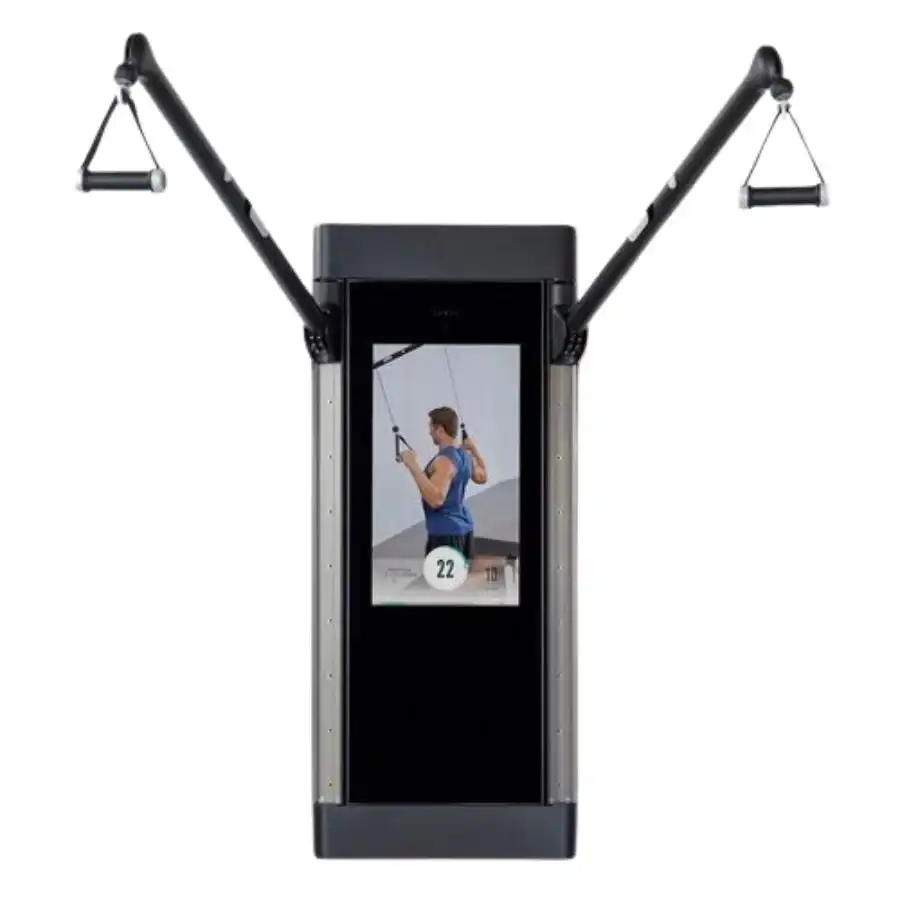
- Cable Systems/Functional Trainers: These provide constant tension throughout the entire range of motion, which can be beneficial for muscle growth. Their adjustability allows for hundreds of exercises, mimicking many free weight movements with different angles and resistance profiles.
- Accessory Adaptability: Whether it’s handles for bicep curls and lateral raises, a straight bar for deadlifts and bench presses, or a rope for tricep extensions and pull-throughs, the ability to quickly swap attachments on a cable system significantly expands your exercise repertoire. This versatility allows you to target muscles from various angles, keeping your workouts fresh and challenging.
Beyond Strength: Cultivating Holistic Fitness
While strength training forms the bedrock, a truly comprehensive fitness regimen integrates diverse training modalities. A holistic approach ensures you’re not just strong, but also flexible, agile, and possess excellent cardiovascular health.
Integrating Diverse Training Modalities
Your body is designed for a variety of movements, and neglecting certain aspects of fitness can lead to imbalances. Incorporating a mix of exercise types enhances overall physical capability and keeps your routine engaging.
- High-Intensity Interval Training (HIIT): Involves short bursts of intense exercise followed by brief recovery periods. HIIT is incredibly time-efficient, boosts cardiovascular fitness, and can improve fat loss.
- Practical Application: Try 30 seconds of burpees followed by 30 seconds of rest, repeated for 10-15 minutes.
- Cardio for Endurance and Heart Health: Steady-state cardio (like jogging, cycling, or swimming) improves cardiovascular endurance, lung capacity, and helps manage stress.
- Practical Application: Aim for 20-30 minutes of moderate-intensity cardio 2-3 times per week.
- Mind-Body Practices: Yoga, Pilates, and Barre: These disciplines are phenomenal for improving flexibility, balance, core strength, and body awareness. They also foster a strong mind-muscle connection and can be deeply restorative.
- Yoga: Focuses on poses, breathing techniques, and meditation.
- Pilates: Emphasizes core stability, strength, and controlled movements.
- Barre: Blends ballet, yoga, and Pilates for a full-body workout that tones muscles and improves posture.
- Active Recovery and Dance: Don’t underestimate the power of simply moving your body in enjoyable ways. Light activities like walking, hiking, or dancing can aid recovery, improve circulation, and boost mood without overstressing your system.
The Art of Program Design
Random workouts lead to random results. For consistent progress, you need a structured program designed with specific goals in mind. A well-crafted program ensures progressive overload, balanced muscle development, and adequate recovery.
- Importance of Structured Programs: Programs typically span several weeks (e.g., 3-5 weeks) and follow a logical progression, gradually increasing intensity or volume. This systematic approach prevents plateaus and ensures continuous adaptation.
- Goal-Oriented Training:
- Improving Overall Fitness: A balanced program combining strength, cardio, and flexibility.
- Gaining Lean Muscle Mass (Hypertrophy): Focuses on higher volume, moderate weights, and specific rep ranges (e.g., 8-12 reps).
- Burning Fat: Often combines resistance training with HIIT and dietary adjustments to maximize calorie expenditure and preserve muscle.
- Examples of Program Types:
- Foundational Strength Programs: For beginners, these focus on mastering basic movement patterns and building a solid base. Think "Fundamentally Fit" programs.
- Volume-Based Programs: For intermediate lifters, these aim to increase total work output over time to stimulate further muscle growth, often employing techniques like supersets or drop sets. These are like "House of Volume" programs.
- Body Recomposition Programs: Combine resistance training with strategic cardio and nutrition to simultaneously build muscle and lose fat, often with a HIIT component. Many users find "Four Weeks to Fat Loss" style programs incredibly effective for this.
Real-Life Example: Imagine following a 4-week program focused on increasing your squat strength. Week 1 might be 3 sets of 8 reps at a moderate weight. Week 2, you increase the weight slightly or aim for 9 reps. Week 3 introduces a new set or a different variation. Week 4 might be a deload or a test of your new strength. This structured approach is far more effective than just "doing legs" every now and then.
Optimizing Your Fitness Journey: Strategies for Success
Consistency is king in fitness, but consistency without purpose can be frustrating. Optimizing your journey involves intelligent tracking, leveraging motivational tools, and recognizing the unique advantages of your chosen training environment.
The Indispensable Role of Tracking Progress
What gets measured, gets managed. Tracking your progress is not just about numbers; it’s about seeing tangible proof of your hard work, which fuels motivation and allows for intelligent program adjustments.
- What to Track:
- Weight Lifted: The most direct measure of strength.
- Repetitions and Sets: Tracks volume and endurance.
- Time Under Tension (TUT): How long muscles are actively engaged during a set, correlating with muscle growth.
- Range of Motion: Ensuring full, controlled movements.
- Power Output: The explosiveness of your movements, indicating overall athletic capacity.
- Strength Scores/Metrics: If using smart equipment, these can provide a holistic view of your strength across different muscle groups.
- Motivation from Tangible Improvements: There’s immense psychological power in seeing your numbers improve over time. A beginner who starts with a 130-point strength score and progresses to 350, realizing they are stronger than a significant percentage of other users, will be incredibly motivated to continue. It transforms abstract effort into concrete achievement.
- Setting Baselines and Celebrating Milestones: An initial strength assessment provides a baseline. From there, set small, achievable milestones (e.g., "lift 10 more pounds on my bench press this month," "complete 10 consecutive pull-ups"). Celebrate these wins! They reinforce positive habits and keep you engaged.
Fueling Your Motivation: Community and Achievements
Fitness can sometimes feel like a solitary pursuit, but leveraging community and acknowledging achievements can be powerful motivators.
- The Psychological Boost of Challenges, Streaks, and Milestones: Gamification elements like earning "badges" for consistent workouts, hitting personal bests, or maintaining weekly workout streaks can provide a fun, engaging incentive. Setting a goal to "lift 1,000,000 pounds" (cumulative volume) can be a massive long-term motivator.
- Finding Support Through Communities: Whether it’s an online forum, a social media group, or a local running club, connecting with like-minded individuals provides accountability, encouragement, and a shared sense of purpose. Hearing about others’ struggles and successes can make your own journey feel less isolating.
- Personalized Feedback and Encouragement: Beyond raw data, receiving personalized feedback (even if it’s from an algorithm) can make a big difference. Knowing when you’re doing well or getting a gentle nudge when you’re slacking can keep you on track.
The Home Fitness Advantage
For many, the idea of a home gym conjures images of dusty treadmills and neglected dumbbells. However, the rise of smart, compact, and versatile equipment has transformed home fitness into a powerful, convenient, and highly effective option.
- Convenience and Consistency: The primary benefit. Eliminating travel time to a gym means fewer excuses and a higher likelihood of sticking to your routine. Stepping into the next room to work out dramatically increases consistency.
- Saving Time: No commute, no waiting for equipment, no locker room hassle. This time-saving aspect is invaluable for busy individuals.
- Creating a Personalized Workout Environment: You control the music, the temperature, the privacy. This can make your workouts more enjoyable and focused.
- Considerations:
- Space Requirements: While many home solutions are compact, ensure you have adequate space to perform movements safely, including extending arms or moving around equipment.
- Budget for Equipment: A comprehensive home gym setup can be a significant upfront investment, but it eliminates recurring gym membership fees. Weigh the long-term cost-effectiveness.
Real-Life Example: Imagine a busy parent who struggled to get to the gym consistently. With a home setup, they can squeeze in a 30-minute workout during nap time or before the kids wake up, transforming their fitness consistency.
Navigating Challenges and Sustaining Momentum
Even with the best plan, fitness journeys encounter obstacles. Learning to adapt, prioritize recovery, and leverage expert knowledge are crucial for long-term success.
Adapting to Your Body’s Needs
Your body isn’t a machine that performs identically every day. Some days you’ll feel strong and energized; others, you’ll be sore or tired. Listening to your body and adapting your routine is a hallmark of intelligent training.
- Listening to Your Body: Pay attention to signals like excessive soreness, fatigue, or pain. Pushing through severe pain is a recipe for injury.
- Recovery Mode Concept: Some systems offer a "recovery mode" where resistance is lighter, focusing on movement and blood flow rather than maximal effort. You can replicate this by simply choosing lighter weights or doing active recovery like stretching or light cardio when you’re sore.
- Modifying Exercises for Injury or Pregnancy: Life happens. If you sustain an injury or become pregnant, don’t stop moving entirely. Consult with a medical professional, then find modified exercises that are safe and effective. For example, avoiding twisting movements during pregnancy or choosing seated exercises to protect a knee injury.
- Importance of Warm-ups and Cool-downs: Never skip these. A proper warm-up prepares your muscles and joints for activity, reducing injury risk. A cool-down aids recovery and improves flexibility.
The Value of Expert Guidance
While technology and personal dedication can go a long way, the insights of experienced fitness professionals are invaluable. They offer knowledge, accountability, and a perspective that can accelerate your progress.
- How Trainers Help:
- Form Correction: Crucial for safety and effectiveness. A trainer can spot nuances in your movement that you might miss.
- Program Design: Trainers can create personalized programs tailored to your specific goals, limitations, and progress.
- Motivation and Accountability: A trainer provides external motivation and holds you accountable for your commitments.
- Specialized Knowledge: From sports medicine backgrounds to competitive athletics, trainers bring diverse expertise to help you achieve specific goals.
- Finding a Coaching Style That Resonates: Just like finding a favorite book genre, you’ll likely gravitate towards certain coaching styles. Some trainers are energetic and bubbly, others more calm and encouraging, and some take a tough-love approach. Experiment to find an instructor whose personality and teaching style align with yours. This connection can significantly enhance your enjoyment and adherence to a program.
Conclusion: Your Unstoppable Path to Wellness
You now possess a strategic blueprint to navigate your fitness journey with purpose and power. We’ve explored the foundational importance of strength training, the science of progressive overload, and smart techniques to maximize your gains. You understand the critical role of proper form, the versatility of equipment, and the necessity of a holistic approach that integrates diverse training modalities. Most importantly, you’re equipped with strategies to optimize your journey—from tracking progress to leveraging community and adapting to your body’s evolving needs.
Remember, fitness is not a destination; it’s a continuous journey of self-improvement, discovery, and resilience. There will be days of triumph and days of challenge, but your commitment to consistency, your willingness to learn, and your belief in your own potential will be your greatest assets. Embrace the process, celebrate every small victory, and allow the incredible power of a strong body and a focused mind to transform not just your physique, but every aspect of your life. Forge your foundation, step confidently onto your path, and become the strongest, healthiest, most dynamic version of yourself. The power to achieve lasting wellness lies within you—it’s time to unleash it.