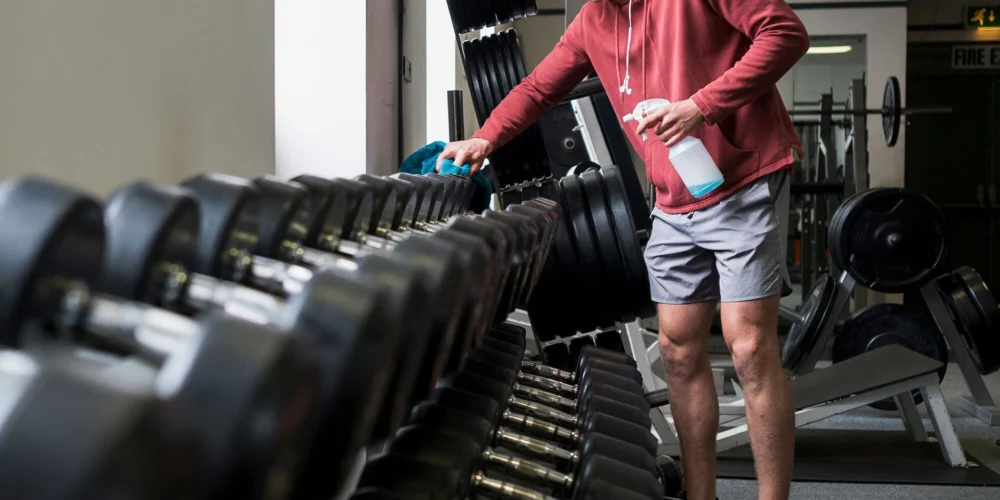
Your home gym is likely a hub of activity, a sanctuary where you push your limits and sculpt your physique. And, let’s be honest, the handles of your trusty dumbbell collection might have seen better days. After countless reps and sets, they’ve likely accumulated a layer of sweat, skin oils, and whatever else your hands pick up throughout the day. Before you reach for the industrial-strength cleaner, understanding the best way to care for your weights is crucial for their longevity and your overall gym experience.
While a one-time mishap with the wrong cleaning product might not send your dumbbells to an early grave, consistent neglect or improper care can certainly shorten their lifespan. This guide delves into what health experts and seasoned gym owners want you to know about keeping your dumbbells in top condition, no matter their material.
The Essential Reasons to Clean Your Dumbbells
Beyond just aesthetics, a clean dumbbell is a better dumbbell. Here’s why it’s worth your attention:
- Hygiene: Dumbbells are a magnet for sweat, skin oils, and bacteria. Regular cleaning helps to mitigate the spread of germs, keeping your workout space healthier.
- Odor Prevention: That lingering "gym smell" can often be traced back to uncleaned equipment. Proper cleaning eliminates sweat buildup, preventing unpleasant odors from taking over your home gym.
- Material Longevity: Sweat and oils, if left to sit, can degrade the materials of your dumbbells over time, leading to rust, corrosion, and a less-than-ideal grip.
Is There a Health Risk?
According to infectious disease specialists like Dr. William Schaffner, the risk of contracting a serious illness from your own home dumbbells is minimal. "Anything that’s on your hands can technically be transferred to your dumbbell handles," he explains, "but that’s more of a potential health issue when you’re sharing dumbbells at a crowded gym, not your home fitness center."
Dr. Amesh A. Adalja, an infectious disease expert, echoes this sentiment. "This is really not a serious infectious disease threat," he states. For personal use, the primary concern isn’t germ transmission but rather the preservation of your equipment. If you share your dumbbells within your household, the risk remains low, with airborne viral particles posing a more significant concern than surface contaminants.
The Real Benefit: Durability and Performance
The most significant advantages of cleaning your dumbbells lie in their durability and how they perform during your workouts. As Jah Washington, CPT and owner of Harlem Kettlebell Club, puts it, "Clean dumbbells last longer, grip better, and are far less likely to rust or damage as quickly." A well-maintained dumbbell offers a secure grip, allowing you to focus on your lifts without worry.
Essential Tools for Dumbbell Care
You don’t need an arsenal of specialized cleaning supplies to keep your dumbbells in prime condition. Here’s what Washington recommends having on hand:
- Microfiber Cloths: Excellent for wiping down surfaces and drying.
- Mild Soap: A gentle dish soap or hand soap is sufficient.
- Warm Water: The perfect solvent for dissolving sweat and grime.
- Soft Brush (like a toothbrush): Ideal for getting into knurling and crevices.
- Water-Based Disinfectant (optional, for deeper cleaning): Use sparingly if needed.
- Light Oil (for metal parts): Helps prevent rust.
Cleaning Frequency: A Simple Routine
Consistency is key. Washington suggests a two-tiered approach to dumbbell cleaning:

- Wipe Down After Every Workout: A quick wipe with a dry or slightly damp cloth after each session removes immediate sweat and moisture.
- Deep Clean Every One to Two Weeks: This more thorough cleaning ensures any built-up grime is addressed.
This routine differs from commercial gyms, where equipment should ideally be wiped down after every single use by each individual.
How to Properly Clean Your Dumbbells
The best cleaning method depends on the type of dumbbells you own. Understanding the nuances of each material will ensure you’re cleaning effectively without causing damage.
Metal-Handled Dumbbells
These classic weights are generally robust, but their metal handles can be susceptible to rust if not cared for.
- Method: Use mild soap and warm water. If your handles feature knurling (the textured grip), use a soft brush to work the soapy water into the grooves.
- Action: Gently scrub any areas with buildup.
- Rinse and Dry: Thoroughly rinse off the soap and, crucially, dry the dumbbells completely with a clean cloth. This step is vital to prevent rust formation.
Real-Life Example: Imagine you’ve just completed a heavy set of rows, and your hands are slick with sweat. A quick wipe-down with a microfiber cloth immediately after your workout will prevent that sweat from sitting on the knurling until your next session.
Neoprene Dumbbells
The colorful neoprene coating on these dumbbells is great for protecting your floors and offering a comfortable grip, but this coating requires a gentler approach.
- Method: Clean gently with mild soap and warm water.
- Caution: Never soak neoprene dumbbells. Soaking can damage the internal metal core and potentially lead to micro-cracks on the exterior coating.
- Drying: Allow your neoprene dumbbells to air dry completely before storing them.
Practical Tip: For everyday cleaning, a damp cloth with a tiny bit of mild soap is usually all you need. Avoid abrasive scrubbers that could damage the neoprene.
Adjustable Dumbbells
These versatile weights require a bit more attention due to their multiple parts.
- Method: If your adjustable dumbbells can be disassembled, it’s best to clean individual components. This means taking apart the plates and cleaning the handle separately.
- Tools: Warm water, mild soap, and a soft brush are your best friends here.
- Drying Metal Parts: For any metal components, ensure they are dried thoroughly with a cloth to prevent rust.
Actionable Advice: When reassembling your adjustable dumbbells, ensure all plates are properly seated and secured. A quick check of the mechanism can prevent issues during your next workout.
Deep Cleaning for Heavy Buildup
If your dumbbells have seen better days and have a significant amount of grime or even a faint sticky residue, it’s time for a deeper clean.
- Prepare a Solution: Mix warm water with a mild soap.
- Scrub: Use a soft brush to gently scrub away any buildup. Pay close attention to textured areas.
- Disinfect (Optional): If you feel the need for an extra layer of sanitization, use a water-based disinfectant. Apply it to a cloth, not directly onto the dumbbell, and wipe down the surfaces.
- Rinse and Dry Thoroughly: Rinse away all soap residue and ensure the dumbbells are completely dry.
- Protect Metal Parts: For metal components, applying a light coat of oil can provide an extra layer of protection against rust and corrosion.
What to Avoid When Cleaning Your Dumbbells
It’s tempting to reach for the same powerful cleaners you use around the house, but this can do more harm than good.
- Harsh Cleaners: Avoid abrasive cleaners, bleach, or solvents. These can damage the coatings, finishes, and even the underlying materials of your dumbbells, shortening their lifespan and potentially making them unpleasant to grip.
- Abrasive Tools: Steel wool or rough scrubbing pads can scratch and mar the surface of your dumbbells, especially those with rubber or neoprene coatings.
- Leaving Them Wet: This is a cardinal sin for metal dumbbells. Always ensure they are completely dry after cleaning to prevent rust and corrosion.
The Golden Rule: When in doubt, mild soap and warm water are your safest and most effective bet for routine cleaning.
Elevate Your Home Gym Experience
Your dumbbells are an investment in your health and fitness journey. Treating them with a little care ensures they’ll be with you for countless workouts to come. A clean piece of equipment not only looks better but also contributes to a more enjoyable and hygienic training environment.
Think of it this way: you wouldn’t want to grip a greasy, grimy handle when you’re pushing for a personal best. Just a few minutes of attention after your workouts and a regular deeper clean can make a significant difference in the lifespan and feel of your dumbbells. So, grab that microfiber cloth, a little mild soap, and give your weights the respect they deserve. Your grip, your equipment, and your home gym will thank you.
More on Home Gym Essentials:
- The 2024 Men’s Health Fitness Awards
- Best Home Gym Equipment for Every Budget
- Top Treadmills for Your Home Workouts
- Choosing the Right Rowing Machine
- The Complete Guide to the Best Dumbbells
- Best Exercise Bikes for Cardio at Home
- Finding the Best Adjustable Dumbbells
- Essential Massage Guns for Recovery
- Selecting the Best Weight Benches
- Top Foam Rollers for Muscle Relief
- The Best Pull-Up Bars for Home Use
- Versatile Resistance Bands for Strength Training
- Choosing the Best Air Bikes for Intense HIIT
- Effective Medicine Balls for Functional Fitness
- Best Adjustable Kettlebells for Dynamic Workouts
Korin Miller is a freelance writer specializing in general wellness, sexual health and relationships, and lifestyle trends. Charles Thorp is the Fitness and Commerce Editor at Men’s Health.