
As a registered dietitian, I’ve championed the power of fiber for years. It’s a cornerstone of good health, impacting everything from weight management and heart health to digestive regularity and blood sugar control. Yet, the average American falls far short of the recommended daily intake, often consuming a mere 10-15 grams when the target should be between 20-38 grams. This deficit stems from a disconnect with whole foods – only about one in ten of us eat enough fruits and vegetables, our primary fiber powerhouses.
Now, a fascinating shift is occurring in the food industry. Manufacturers are ingeniously weaving fiber into products we already love: think sodas, chocolate peanut butter protein bars, and even boxed mac and cheese. Some products are pushing the envelope dramatically, with a single tortilla boasting an astonishing 16 grams of fiber – nearly half the daily recommendation for many individuals. This begs the question: is this a dietary revolution, or a clever marketing ploy? Let’s delve into the nuances.
The Undeniable Importance of Fiber
Before we dissect the modern fiber trend, let’s reaffirm why fiber is non-negotiable for our well-being. Its benefits are extensive and well-documented:
- Weight Management: Fiber helps you feel fuller for longer, reducing overall calorie intake and supporting healthy weight goals.
- Cardiovascular Health: It plays a crucial role in managing cholesterol levels, particularly LDL (the "bad" kind), and contributes to a healthier heart.
- Digestive Regularity: Fiber adds bulk to stool, promoting smoother, more consistent bowel movements. This is essential for gut health and comfort.
- Blood Sugar Control: Soluble fiber, in particular, slows down the absorption of sugar into the bloodstream, preventing sharp spikes and crashes.
- Gut Microbiome Support: Certain types of fiber act as prebiotics, feeding the beneficial bacteria in your gut, which are vital for immunity, nutrient absorption, and even mood.
Historically, these incredible benefits were derived from whole, unprocessed foods. Think of the rich tapestry of nutrients found in:
- Whole Grains: Oats, quinoa, brown rice, barley.
- Fruits: Berries, apples, pears, bananas.
- Vegetables: Broccoli, spinach, carrots, sweet potatoes.
- Legumes: Beans, lentils, chickpeas.
- Nuts and Seeds: Almonds, walnuts, chia seeds, flaxseeds.
These foods not only deliver fiber but also a synergistic blend of vitamins, minerals, antioxidants, and phytonutrients that work together for optimal health.
Unpacking "Functional Fiber"
The fiber you find in processed foods is often referred to as "functional fiber." This is fiber that has been isolated from its natural food source or synthesized and then added to products to boost their fiber content. While many functional fibers do originate from natural sources, their application in processed foods often involves significantly higher concentrations and different forms than what you’d find in nature.
Common examples of functional fibers include:
- Inulin: Often derived from chicory root, it’s a prebiotic fiber that can be fermented by gut bacteria.
- Polydextrose: A synthetic fiber often used in low-sugar or high-fiber products.
- Modified Wheat Starch: A processed form of starch that can contribute to fiber content.
- Psyllium Husk: A well-known fiber supplement derived from the seeds of the Plantago ovata plant.
While these ingredients aren’t inherently "bad," understanding their role and potential impact is crucial.
The Double-Edged Sword of Functional Fiber
The question of whether functional fiber is "good for you" isn’t a simple yes or no. It hinges on a few critical factors, primarily quantity and individual tolerance.
Our societal inclination towards "more is better" can be a pitfall in nutrition. When it comes to functional fiber, overconsumption can lead to unintended consequences.
Consider the case of prebiotic sodas: These beverages often use inulin for their fiber boost. While inulin serves as fuel for our beneficial gut bacteria (a positive), for some individuals, the rapid fermentation of large amounts of inulin can trigger gastrointestinal distress, including gas and bloating. This is a stark reminder that even beneficial components can cause discomfort when consumed in excess or by sensitive individuals.
Furthermore, ultra-processed foods fortified with functional fiber often miss out on the comprehensive nutritional profile of whole foods. These processed options might lack the antioxidants, vitamins, minerals, and diverse range of fiber types that naturally occur in fruits, vegetables, and whole grains.
The importance of a variety of fiber types cannot be overstated. Different fibers exert different effects:
- Fermentable fibers (like inulin) are readily broken down by gut bacteria, feeding the microbiome.
- Non-fermentable fibers (like psyllium) primarily contribute to stool bulk, aiding regularity without significant fermentation.
A diverse fiber intake ensures you reap a wider spectrum of health benefits.
Navigating Digestive Sensitivities and Overconsumption
For individuals sensitive to fermentable carbohydrates, often categorized under FODMAPs (Fermentable Oligosaccharides, Disaccharides, Monosaccharides, and Polyols), functional fibers can be a trigger for symptoms. Everyone’s tolerance varies, but relying solely on functional fiber sources is generally not advisable if you experience digestive upset.
It’s also vital to acknowledge that even naturally occurring fiber, when consumed in very high amounts, can cause issues. Individuals with conditions like Irritable Bowel Syndrome (IBS), Inflammatory Bowel Disease (IBD), or other digestive disorders may need to moderate their fiber intake, regardless of the source.
Consuming excessively high amounts of fiber – generally considered over 40 grams per day – can potentially interfere with the absorption of essential minerals like calcium, iron, and zinc. In rare instances, a fiber overload can even lead to intestinal blockage. To mitigate the risk of constipation and ensure smooth digestion, it’s paramount to drink ample fluids, especially when increasing your fiber intake.
The Bottom Line: Prioritize Whole Foods, Use Fortified as a Top-Up
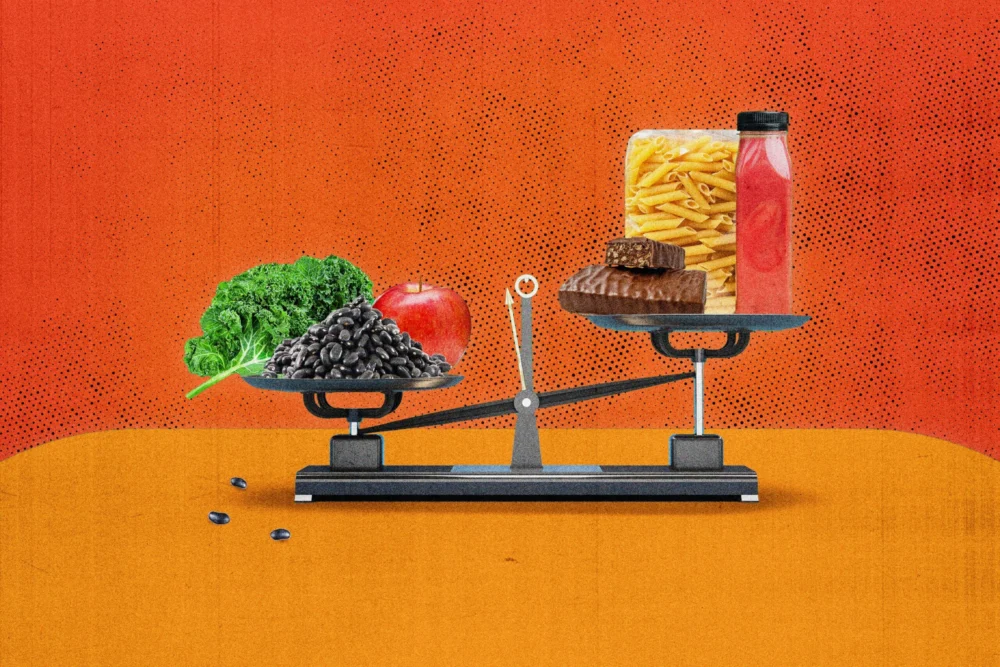
The most effective and beneficial way to consume fiber is through a varied diet rich in whole foods. These foods offer a complete nutritional package, working synergistically to support your health.
If you enjoy and tolerate fiber-enriched products, view them as a supplementary tool – a way to "top up" your fiber intake – rather than your primary source. Instead of fixating solely on the fiber grams on a label, shift your focus to incorporating more whole, naturally fiber-rich foods into your daily meals and snacks.
Remember, the addition of fiber doesn’t magically transform an ultra-processed food into a health food. These products remain ultra-processed, and their nutritional standing is not equivalent to that of nutrient-dense, whole foods.
Actionable Advice for Your Fitness Journey:
- Start Small: If you’re currently low in fiber, don’t drastically increase your intake overnight. Gradually add fiber-rich foods to your diet over several weeks to allow your digestive system to adjust.
- Hydrate, Hydrate, Hydrate: For every gram of fiber you consume, aim for at least an ounce of water. This is crucial for preventing constipation and optimizing fiber’s benefits.
- Read Labels Wisely: Pay attention to the type of fiber listed and the overall nutritional profile of the product. Look beyond just the fiber content.
- Prioritize Whole Foods: Aim to build your meals around fruits, vegetables, whole grains, legumes, nuts, and seeds. These should form the foundation of your diet.
- Listen to Your Body: If a particular fiber-enriched food causes you digestive discomfort, it’s okay to avoid it or reduce your intake. Your body’s signals are important indicators.
- Combine Nutrition with Movement: Remember that a balanced diet is just one piece of the fitness puzzle. Regular physical activity, including strength training and cardiovascular exercise, complements your nutritional efforts for holistic well-being.
Your Daily Dose of Inspiration
Embarking on a health-conscious journey is about making informed choices that empower your body and mind. While the allure of convenient, fiber-fortified foods can be tempting, let’s not forget the enduring power of nature’s bounty. By embracing whole, unprocessed foods as our primary source of fiber, we unlock a richer spectrum of nutrients and support our bodies in the most authentic and sustainable way. Fuel your workouts, nourish your gut, and build a healthier, more vibrant you, one delicious, whole-food bite at a time. Your body will thank you for it.