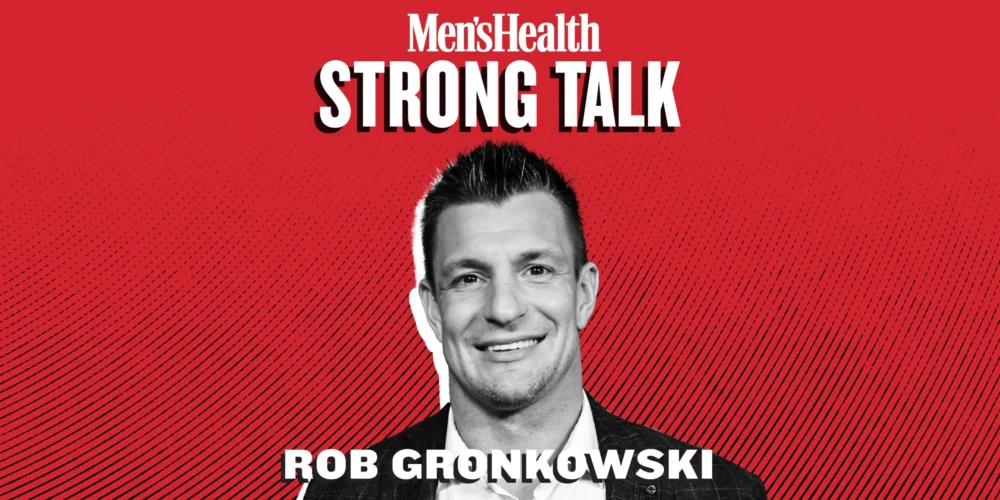
Rob Gronkowski. The name alone conjures images of thunderous hits, game-winning catches, and a larger-than-life persona that extended far beyond the football field. A four-time Super Bowl champion, Gronk was a force of nature on the gridiron, dominating defenses with his sheer power and athleticism. But what if we told you that some of his most effective cardio training didn’t involve grueling sprints or punishing interval sessions? What if, as Gronk himself suggests, his legendary partying prowess actually contributed to his unparalleled stamina?
This might sound counterintuitive, even outlandish, to the dedicated fitness enthusiast. We’re conditioned to believe that peak physical performance is solely the product of meticulously planned workouts, strict diets, and disciplined recovery. Yet, Gronk’s unique perspective offers a refreshing, albeit unconventional, look at how different life experiences can forge a formidable cardiovascular system. For beginners and intermediate fitness enthusiasts, his story isn’t about advocating for late-night revelry, but rather about understanding the broader principles of physical conditioning and the unexpected ways our bodies can adapt and thrive.
The Gronk Factor: From "Yo Soy Fiesta" to Peak Performance
For years, Rob Gronkowski was synonymous with the phrase "Yo soy fiesta" – "I am party." This wasn’t just a catchy soundbite; it was a lifestyle. Gronk embraced his post-game celebrations with an intensity that matched his on-field ferocity. And while many might see this as detrimental to athletic success, Gronk argues the opposite. In candid interviews, he’s stated that his extensive dancing and energetic celebrations actually translated into tangible benefits for his football career.
"I would literally dance for two hours straight," Gronk has explained, highlighting the significant cardiovascular demand of sustained movement. "There’s so much cardio and footwork that’s involved with dancing. It kept me in shape, it kept fast-twitch muscles going as well." He even went on to say, "I was burning calories like it was nothing, and that alcohol would basically be out of my system by the next morning because I would sweat it all out."
This might seem like a wild claim, but let’s break down the underlying principles.
- Sustained Aerobic Activity: Dancing, especially for extended periods, is a form of aerobic exercise. It elevates your heart rate, improves blood circulation, and enhances your body’s ability to use oxygen efficiently. This is the very foundation of cardiovascular fitness.
- Footwork and Agility: The dynamic movements involved in dancing – quick steps, turns, and changes in direction – demand agility and coordination. These are crucial skills for any athlete, including a football player who needs to maintain balance and react quickly.
- Calorie Expenditure: High-energy activities, regardless of their context, burn a significant number of calories. Gronk’s ability to "sweat it all out" suggests a metabolic rate that was actively working to process and expel energy, which can contribute to a leaner physique and improved endurance.
Shifting Gears: The Evolution of Gronk’s Training Philosophy
As Gronk matured and his NFL career progressed, he, like many elite athletes, had to adapt his training and lifestyle. The days of recovering from late-night parties to hit the practice field at full strength became increasingly challenging. He acknowledged this shift, stating, "I can’t go out till 2 a.m. anymore and then wake up and then go to football practice."
This realization led to a pivot in his approach to fitness. Instead of solely relying on heavy lifting and his unique brand of post-game cardio, Gronk began to incorporate lower-impact exercises. He discovered the benefits of yoga, which he credits for helping him avoid muscle tightness and improving his overall pliability. This is a crucial lesson for any athlete: as you age or your body changes, so too should your training regimen.
The Power of Pliability and Core Strength
Gronk’s retrospective advice to his younger self is particularly insightful for those looking to build a sustainable fitness journey. He emphasized the importance of:
- Building a Strong Core: A robust core is the powerhouse of the body. It stabilizes the spine, improves posture, and enhances the efficiency of almost every movement, from lifting weights to everyday activities. A strong core is foundational for injury prevention and improved athletic performance.
- Targeting Fast-Twitch Muscles: While dancing engaged these muscles, Gronk recognized the need for more targeted training. Fast-twitch muscle fibers are responsible for explosive power and speed. Developing them through specific exercises can lead to greater strength and quicker movements.
Even in his post-playing career, Gronk has explored a variety of training modalities, including trying out Pilates. While he admits he’s not a regular practitioner, his willingness to experiment with different forms of exercise demonstrates a commitment to continuous learning and adaptation in his fitness journey.
Translating "Fiesta" Cardio into Your Fitness Routine
So, how can the average fitness enthusiast, who likely doesn’t have Super Bowl aspirations or a penchant for legendary parties, apply Gronk’s unconventional wisdom? The key isn’t to replicate his lifestyle, but to embrace the underlying principles of varied, engaging, and challenging physical activity.
1. Embrace Movement as Medicine: Beyond the Gym Walls
Gronk’s experience highlights that effective cardio isn’t confined to treadmills and elliptical machines. Think about activities you genuinely enjoy that get your heart pumping.

- Dancing: Join a dance class, put on your favorite music at home and let loose, or explore different dance styles like Zumba, hip-hop, or salsa. The social aspect of group classes can also be a great motivator.
- Active Hobbies: Hiking, cycling, swimming, kayaking, or even vigorous gardening can provide excellent cardiovascular benefits while also being enjoyable. The key is consistency and sustained effort.
- Sports: Engaging in recreational sports like basketball, tennis, soccer, or even a friendly game of tag with your kids can be a fun way to improve your cardiovascular health.
Actionable Tip: Aim for at least 150 minutes of moderate-intensity aerobic activity or 75 minutes of vigorous-intensity aerobic activity per week, as recommended by health organizations. Mix and match activities to keep things interesting and prevent boredom.
2. The Importance of Dynamic Warm-ups and Cool-downs
While Gronk’s dancing might have served as a natural warm-up and cool-down for his football activities, it’s crucial for everyone to incorporate these elements into their workouts.
- Dynamic Warm-ups: These prepare your muscles for exercise by increasing blood flow and range of motion. Think of movements like:
- Arm circles (forward and backward)
- Leg swings (forward/backward and side-to-side)
- Torso twists
- High knees and butt kicks
- Walking lunges
- Static Cool-downs: These help your muscles recover and improve flexibility. Hold stretches for 20-30 seconds. Examples include:
- Hamstring stretches
- Quad stretches
- Calf stretches
- Triceps and bicep stretches
- Chest and shoulder stretches
Actionable Tip: Dedicate 5-10 minutes to a dynamic warm-up before your main workout and another 5-10 minutes to static stretching afterward.
3. Building a Resilient Body: Core and Pliability Focus
Gronk’s emphasis on core strength and pliability is a critical takeaway for long-term fitness and injury prevention.
- Core Strength Exercises:
- Planks: Hold a plank position (on your forearms or hands) for as long as you can with good form. Variations include side planks.
- Crunches and Sit-ups: Classic exercises that target the abdominal muscles.
- Leg Raises: Lie on your back and raise your legs towards the ceiling.
- Russian Twists: Sit on the floor with your knees bent and twist your torso from side to side, holding a weight if desired.
- Bird-Dog: Start on all fours and extend opposite arm and leg simultaneously, keeping your core engaged.
- Pliability and Flexibility:
- Yoga: Explore beginner yoga classes or follow online tutorials. Yoga improves flexibility, balance, and mindfulness.
- Stretching: Incorporate regular static stretching into your routine, focusing on major muscle groups.
- Foam Rolling: Use a foam roller to release muscle tension and improve range of motion.
Actionable Tip: Aim to incorporate core strengthening exercises into your routine 2-3 times per week. Dedicate time for stretching and mobility work daily or at least 4-5 times per week.
4. The "Gronk Method" of Calorie Burning: Mindful Indulgence
While Gronk’s literal interpretation of "partying" for cardio isn’t a recommended strategy for health, the underlying idea of burning calories through high-energy activities is valid. The key for most people is to be mindful and balanced.
- High-Intensity Interval Training (HIIT): This popular training method involves short bursts of intense exercise followed by brief recovery periods. It’s highly effective for burning calories in a shorter amount of time and can improve cardiovascular fitness significantly.
- Circuit Training: Moving from one exercise to another with minimal rest in between can keep your heart rate elevated and burn a substantial number of calories.
- Listen to Your Body: Gronk’s ability to recover quickly was likely a combination of youth, genetic predisposition, and his specific training. For most, overdoing it with alcohol and then expecting peak performance the next day is unsustainable and detrimental. The takeaway is to find activities that are physically demanding and enjoyable enough that you want to do them regularly.
Actionable Tip: If you’re looking for an efficient way to burn calories, consider incorporating HIIT sessions 1-2 times per week. Always ensure you’re properly hydrated and allow for adequate recovery.
Beyond the Anecdote: The Science of Enjoyment and Adherence
Rob Gronkowski’s story, while unique, touches on a fundamental principle of fitness: adherence. The best workout plan is the one you can stick with. If an activity brings you joy and makes you feel energized, you’re far more likely to do it consistently.
For beginners, the pressure to conform to rigid fitness routines can be overwhelming. Gronk’s example encourages a more flexible and personalized approach. It’s about finding what works for your body and your lifestyle.
- Find Your "Fiesta": What activities genuinely make you feel alive and energized? It might be dancing, hiking, playing a sport, or even a brisk walk in nature.
- Progressive Overload: Start where you are and gradually increase the intensity, duration, or frequency of your workouts. Don’t try to go from zero to Gronk overnight.
- Celebrate Small Wins: Acknowledge your progress, whether it’s being able to walk for longer, lift a heavier weight, or simply feeling more energetic. These small victories build momentum.
A Champion’s Legacy: Fitness is a Journey, Not a Destination
Rob Gronkowski’s incredible career is a testament to the power of dedication, resilience, and a unique approach to physical conditioning. While his "party cardio" might not be for everyone, his underlying message is profound: fitness is multifaceted. It’s about understanding your body, adapting to its needs, and finding sustainable ways to move and thrive.
For those starting their fitness journey or looking to reignite their passion, remember that consistency, enjoyment, and a balanced approach are your most powerful allies. Embrace the lessons learned from champions like Gronk, not by mimicking their every move, but by understanding the principles that drove their success. Step outside the traditional gym walls, find activities that ignite your spirit, and build a fitness routine that celebrates movement, strength, and most importantly, a life lived with energy and vitality. The path to a healthier, stronger you is paved with personalized effort and a touch of joy.