In a world brimming with quick fixes, extreme diets, and ever-changing workout fads, it’s easy to feel lost on your fitness journey. We’re constantly bombarded with images of perfection and promises of rapid transformation, often leading to cycles of intense effort followed by burnout, frustration, and a return to square one. This "all or nothing" mentality, while seemingly motivating, rarely delivers lasting results.
But what if fitness wasn’t about fleeting trends or punishing routines? What if it was about building a robust, adaptable system that supports your well-being for the long haul? Imagine a life where energy is abundant, movement feels effortless, and your body is a reliable partner in all your endeavors. This isn’t a pipe dream; it’s the tangible outcome of embracing sustainable fitness.
This comprehensive guide is designed to empower you, whether you’re taking your first steps towards a healthier lifestyle or seeking to solidify your existing routine. We’ll strip away the complexities and focus on the foundational pillars that build not just a fit body, but a resilient, energized, and vibrant life. Prepare to discover how to craft a personalized fitness blueprint, master essential movements, elevate your endurance, prioritize flexibility, fuel your progress intelligently, and cultivate the mental fortitude needed to thrive. This is your invitation to forge a future where vitality is your constant companion.
Why Sustainable Fitness is Your Ultimate Investment
The concept of "sustainable fitness" might sound less exciting than "shredding in 30 days," but its benefits far outweigh any short-term hype. It’s about creating habits and practices that you can realistically maintain over months, years, and even decades, leading to profound and lasting improvements in every facet of your life.
Beyond Short-Term Gains: The Long Game of Health
While aesthetic changes are often a primary motivator, sustainable fitness offers a treasure trove of benefits that extend far beyond the mirror. It’s an investment in your overall health portfolio, yielding dividends in:
- Physical Resilience: A stronger body is better equipped to handle the demands of daily life, reducing the risk of injury and improving recovery. You’ll move with greater ease, carry groceries without strain, and enjoy hobbies with more vigor.
- Enhanced Mental Clarity and Mood: Regular, moderate physical activity is a powerful antidote to stress, anxiety, and even depression. It boosts endorphins, improves cognitive function, and can provide a valuable outlet for mental tension. Think of your workout as a moving meditation, clearing your mind and improving your focus.
- Increased Energy Levels: Counterintuitively, expending energy through exercise actually increases your overall energy reserves. Consistent activity improves cardiovascular efficiency and mitochondrial function, making everyday tasks feel less draining. You’ll find yourself less reliant on caffeine and more genuinely vibrant.
- Improved Sleep Quality: A well-exercised body tends to sleep more soundly and deeply. Sustainable routines help regulate your circadian rhythm, making it easier to fall asleep and wake up refreshed.
- Disease Prevention: Regular physical activity is a cornerstone of preventing chronic diseases like heart disease, type 2 diabetes, certain cancers, and osteoporosis. It helps maintain healthy blood pressure, cholesterol levels, and blood sugar control.
- Longevity and Quality of Life: By mitigating health risks and maintaining functional independence, sustainable fitness directly contributes to a longer, healthier, and more enjoyable life. You’re not just adding years to your life, but life to your years.
The Pitfalls of "All or Nothing" Approaches
We’ve all been there: inspired by a sudden burst of motivation, we dive headfirst into an extreme diet or an intense workout regimen. For a few days or weeks, we might see rapid progress. But then, reality sets in. The restrictive diet becomes unbearable, the grueling workouts lead to exhaustion or injury, and the motivation wanes. This "all or nothing" cycle often ends in:
- Burnout: Pushing too hard, too fast, without adequate recovery, leads to physical and mental exhaustion. The joy of movement dissipates, replaced by dread.
- Injury: Overuse injuries, improper form due to fatigue, and neglecting warm-ups or cool-downs are common consequences of unsustainable intensity.
- Demotivation and Guilt: When the initial momentum fades, many feel like failures, leading to feelings of guilt, shame, and a complete abandonment of their fitness goals. This negative feedback loop makes it harder to restart in the future.
- Unrealistic Expectations: Fast results are often unsustainable and can foster an unhealthy relationship with food and exercise. True progress is a marathon, not a sprint.
Sustainable fitness, by contrast, is about building momentum through consistency, listening to your body, and making gradual, manageable changes. It’s about progress, not perfection.
Pillar 1: Crafting Your Personalized Fitness Blueprint
Before you lift a weight or hit the pavement, the most crucial step is to define your starting point and chart a realistic course. Your fitness journey is unique to you, and a personalized blueprint is essential for sustainable success.
Assessing Your Starting Line: A Realistic Self-Evaluation
Honesty is key here. Take a moment to assess your current situation without judgment:
- Health Status: Consult with a healthcare professional before starting any new fitness regimen, especially if you have pre-existing conditions or concerns. Understand your current health markers (blood pressure, cholesterol, blood sugar).
- Current Activity Level: How often do you currently move? What types of activities do you enjoy (or dislike)? Be specific. "I mostly sit at a desk, but I enjoy walking my dog for 20 minutes twice a day."
- Time Availability: Be realistic about how much time you can consistently dedicate to exercise each week. Is it 30 minutes, 3 times a week, or 60 minutes, 5 times a week? Don’t overcommit initially.
- Access to Resources: What equipment do you have? Do you prefer a gym, home workouts, or outdoor activities? Consider your budget for classes, personal trainers, or home equipment.
Defining Your "Why": Fueling Your Motivation
What truly drives you? Understanding your core motivation will be your compass when the path gets challenging.
- Intrinsic Motivation: This comes from within. Examples include:
- "I want to have the energy to play with my grandchildren."
- "I want to feel strong and confident in my own skin."
- "I want to improve my mental clarity and reduce stress."
- "I want to prevent future health issues and live a long, vibrant life."
- Extrinsic Motivation: This comes from external factors. Examples include:
- "I want to look good for an upcoming event."
- "My doctor told me I need to lose weight."
- "My friends are all working out, so I should too."
While extrinsic motivators can kickstart a journey, intrinsic motivation is far more powerful for long-term adherence. Dig deep to find what truly resonates with you on a personal level.
Setting SMART Goals: Your Roadmap to Success
Vague goals lead to vague results. SMART goals provide clarity and direction:
- Specific: What exactly do you want to achieve?
- Measurable: How will you track your progress?
- Achievable: Is this goal realistic given your starting point and resources?
- Relevant: Does this goal align with your "why" and overall values?
- Time-bound: When do you aim to achieve this goal?
Practical Tip: Break down big goals into smaller, manageable milestones.
Example:
- Vague Goal: "I want to get fit."
- SMART Goal: "I will consistently complete three 30-minute full-body strength training workouts per week for the next 8 weeks, aiming for 8-12 repetitions per exercise, to build foundational strength and improve my functional movement."
This clear objective provides a framework for your actions and allows you to track your progress effectively.
Pillar 2: Mastering Movement – The Core of Physical Strength
Strength training is not just for bodybuilders; it’s a fundamental component of health and longevity for everyone. It builds lean muscle, strengthens bones, and enhances your ability to perform everyday tasks with ease.
The Power of Strength Training: More Than Just Muscles
Beyond aesthetics, consistent strength training offers a multitude of benefits:
- Increased Metabolism: Muscle tissue is more metabolically active than fat tissue, meaning you burn more calories at rest simply by having more muscle.
- Improved Bone Density: Resistance training places stress on your bones, signaling them to become stronger and denser, significantly reducing the risk of osteoporosis as you age.
- Enhanced Functional Strength: This is the ability to perform daily activities with ease and efficiency – lifting children, carrying groceries, climbing stairs, or gardening.
- Better Posture and Reduced Pain: Strengthening core muscles and balancing muscle groups can correct postural imbalances, alleviating back, neck, and joint pain.
- Injury Prevention: Strong muscles and connective tissues provide better support for your joints, making you less susceptible to sprains, strains, and other injuries.
Foundational Movements for Beginners and Intermediates
Instead of focusing on isolated muscles, prioritize compound movements that work multiple muscle groups simultaneously. These are highly functional and efficient:
- Squat: Mimics sitting down and standing up. Works quads, glutes, hamstrings, and core.
- Examples: Bodyweight squat, goblet squat, dumbbell squat.
- Hinge: Bending at the hips, crucial for lifting objects safely. Works glutes, hamstrings, and lower back.
- Examples: Romanian deadlift (RDL) with dumbbells, good mornings (bodyweight or light weight).
- Push: Movements away from your body. Works chest, shoulders, and triceps.
- Examples: Push-ups (on knees or toes), dumbbell chest press, overhead press with dumbbells.
- Pull: Movements towards your body. Works back, biceps, and rear deltoids.
- Examples: Dumbbell rows, resistance band rows, pull-ups (assisted if needed).
- Carry: Holding a weight and walking. Excellent for core stability, grip strength, and full-body endurance.
- Examples: Farmer’s carry (dumbbells in each hand), suitcase carry (dumbbell in one hand).
Practical Tip: Focus on Form Over Weight. Before adding significant weight, master the movement pattern with your body weight or very light resistance. Watch videos, use a mirror, or consider a few sessions with a certified trainer to learn proper technique. Incorrect form not only reduces effectiveness but significantly increases injury risk.
Progressive Overload: The Key to Continuous Growth
Your body is incredibly adaptable. To continue getting stronger, you must consistently challenge it beyond its current capabilities. This principle is called progressive overload.
How to apply it safely and effectively:
- Increase Repetitions: Once you can comfortably perform your target number of reps (e.g., 8-12), try adding 1-2 more reps to a set.
- Increase Sets: Add an extra set to an exercise (e.g., from 3 sets to 4 sets).
- Increase Weight/Resistance: Once you can hit the top end of your rep range for all sets with good form, it’s time to slightly increase the weight.
- Decrease Rest Time: For endurance-focused strength, reducing rest between sets can increase intensity.
- Increase Frequency: Add an extra workout day to your week.
- Improve Form: Believe it or not, performing an exercise with better form makes it more challenging and effective.
Real-life Example: If you can do 3 sets of 10 push-ups with good form, your next step might be to try 3 sets of 11 push-ups. Once you can do 3 sets of 12, you might try a variation that’s slightly harder (e.g., incline push-ups with feet elevated) or move to a flat push-up if you were on your knees.
Structuring Your Strength Workouts
For beginners and intermediates, a full-body approach is often the most effective and efficient.
-
Full-Body Workouts: Train all major muscle groups in a single session, 2-3 times per week, with at least one rest day in between. This allows for adequate recovery and frequent stimulus for muscle growth.
- Example Routine (3x/week):
- Goblet Squat: 3 sets of 8-12 reps
- Dumbbell RDL: 3 sets of 8-12 reps
- Dumbbell Chest Press: 3 sets of 8-12 reps
- Dumbbell Row: 3 sets of 8-12 reps per arm
- Plank: 3 sets, hold for 30-60 seconds
- Farmer’s Carry: 3 sets, walk for 30-60 seconds
- Example Routine (3x/week):
-
Frequency: Aim for 2-4 strength sessions per week. More isn’t always better, especially when starting. Consistency is paramount.
Pillar 3: Elevating Endurance – Cardiovascular Health for Life
Cardiovascular (cardio) training, often called aerobic exercise, is crucial for heart health, stamina, and overall well-being. It’s about training your heart and lungs to work more efficiently.
The Unsung Hero: Benefits of Cardio Training
- Stronger Heart and Lungs: Regular cardio strengthens your heart muscle, allowing it to pump more blood with less effort. It also improves lung capacity.
- Increased Stamina: You’ll find yourself less breathless during daily activities and able to sustain physical effort for longer periods.
- Improved Mood and Stress Reduction: Cardio releases endorphins, natural mood elevators, and provides a great way to de-stress.
- Better Blood Sugar Control: Aerobic exercise helps your body use glucose more effectively, reducing the risk of type 2 diabetes.
- Healthy Weight Management: Cardio burns calories and can contribute to a healthy energy balance, making it easier to maintain or lose weight.
Finding Your Rhythm: Diverse Cardio Options
The best cardio is the one you enjoy and will stick with. Don’t feel confined to a treadmill.
- Walking: Accessible to almost everyone. Start with brisk walks, gradually increasing duration and intensity.
- Running: A classic for building endurance. Begin with a run-walk approach (e.g., 1 minute run, 2 minutes walk).
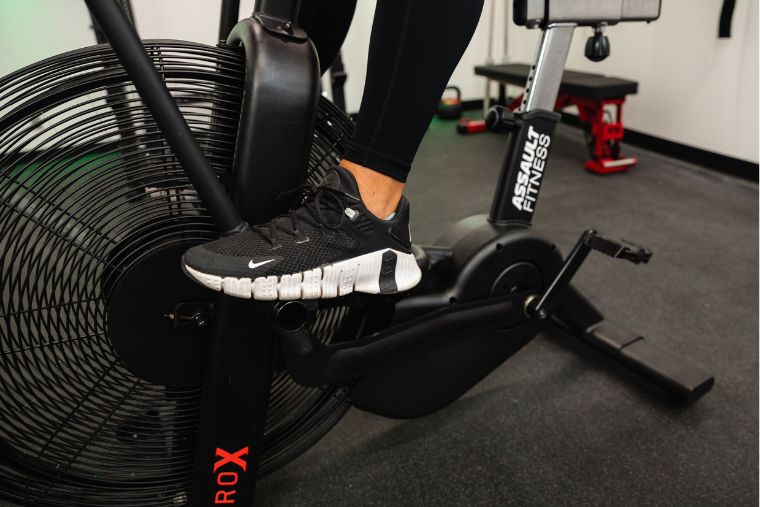
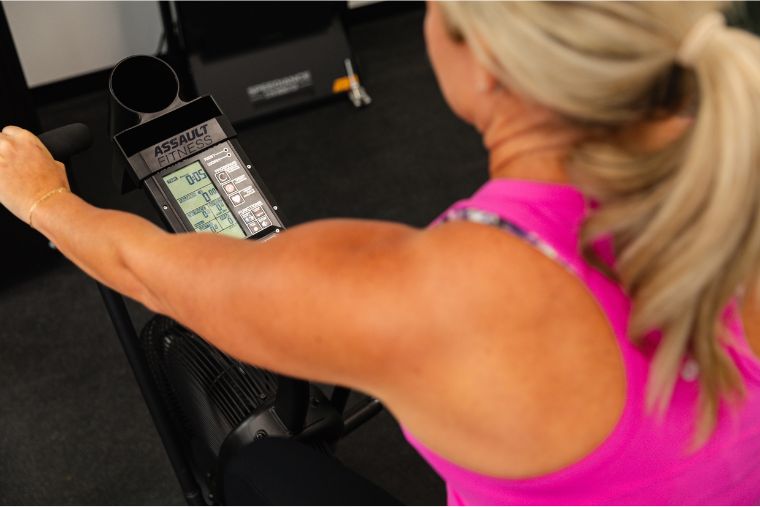
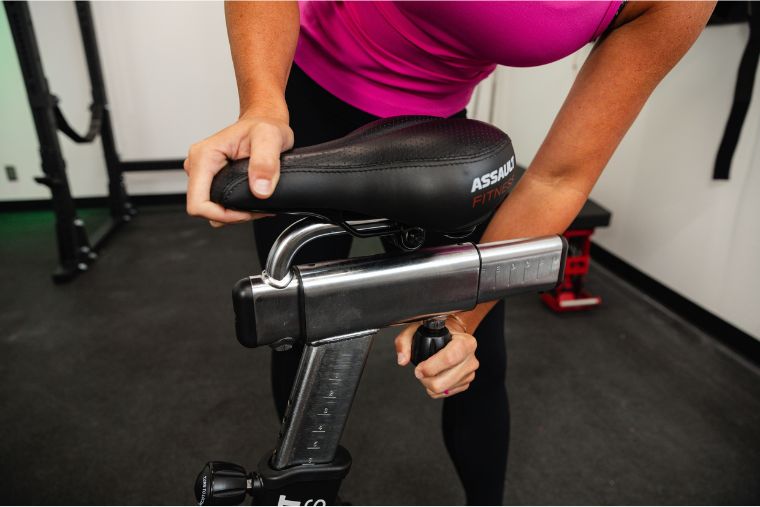
- Cycling: Low-impact and great for joint health. Can be done outdoors or on a stationary bike.
- Swimming: A full-body, low-impact workout that’s excellent for cardiovascular health.
- Hiking: Combines cardio with nature therapy and can include varied terrain for added challenge.
- Dancing: A fun way to get your heart rate up and improve coordination.
- Team Sports: Engaging in sports like basketball, soccer, or tennis provides an enjoyable and social cardio workout.
Practical Tip: Mix it Up! Varying your cardio activities can prevent boredom, challenge different muscle groups, and reduce the risk of overuse injuries. For example, alternate running days with cycling or swimming.
Interval Training vs. Steady State: When and How to Use Them
Both High-Intensity Interval Training (HIIT) and Low-Intensity Steady State (LISS) cardio have their place in a balanced program.
-
Low-Intensity Steady State (LISS):
- What it is: Performing an activity at a moderate, consistent pace for an extended period (e.g., 30-60 minutes). You should be able to hold a conversation, but with some effort.
- Benefits: Excellent for building aerobic base, promoting recovery, lower impact, and less taxing on the central nervous system.
- When to use: Great for beginners, active recovery days, or when you want a less strenuous workout.
- Example: A brisk 45-minute walk or a leisurely bike ride.
-
High-Intensity Interval Training (HIIT):
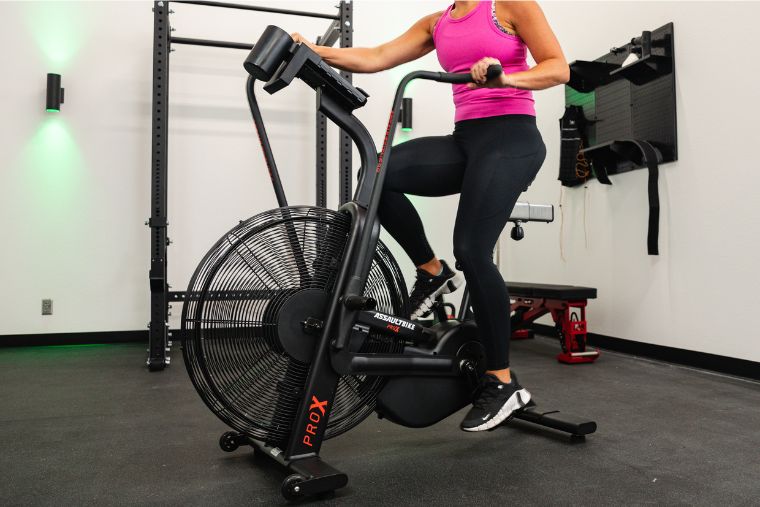
- What it is: Alternating short bursts of maximum effort with brief recovery periods.
- Benefits: Highly efficient for burning calories, improving cardiovascular fitness, and can boost metabolism post-workout (EPOC).
- When to use: For more advanced individuals or when time is limited. Due to its intensity, limit HIIT to 1-3 sessions per week to allow for adequate recovery.
- Example: After a warm-up, sprint for 30 seconds, then walk for 90 seconds. Repeat 8-10 times.
Actionable Advice: Aim for at least 150 minutes of moderate-intensity aerobic activity or 75 minutes of vigorous-intensity aerobic activity per week (or a combination). Listen to your body and choose the intensity that feels right for you on any given day.
Pillar 4: Flexibility and Mobility – The Often-Forgotten Essentials
In the pursuit of strength and endurance, flexibility and mobility are often overlooked, yet they are crucial for optimal movement, injury prevention, and long-term joint health.
Why You Can’t Afford to Skip Stretching
- Injury Prevention: Good flexibility allows your joints to move through their full range of motion, reducing the strain on muscles, tendons, and ligaments during exercise and daily activities. Tight muscles are more prone to tears and pulls.
- Improved Posture: Tight muscles can pull your body out of alignment, leading to poor posture. Stretching helps lengthen these muscles, allowing you to stand and sit taller.
- Enhanced Performance: A greater range of motion means you can perform exercises with better form and potentially more power. For instance, a deeper squat requires good hip and ankle mobility.
- Reduced Muscle Soreness: While stretching doesn’t eliminate all post-workout soreness, it can help improve blood flow and reduce muscle stiffness.
- Stress Relief: Stretching can be a meditative practice, promoting relaxation and reducing tension in the body.
Simple Practices for Everyday Mobility
Incorporating flexibility and mobility into your routine doesn’t require hours of yoga (unless you love it!). Short, consistent efforts yield significant results.
- Dynamic Warm-ups (Before Workout): These are active movements that take your joints through their full range of motion, preparing your body for exercise.
- Examples: Arm circles, leg swings, torso twists, cat-cow stretches, walking lunges. Aim for 5-10 minutes.
- Static Cool-downs (After Workout): Holding stretches for 20-30 seconds to lengthen muscles and improve flexibility. Do these when your muscles are warm.
- Examples: Hamstring stretch, quad stretch, shoulder stretch, chest stretch.
- Foam Rolling/Self-Myofascial Release: Using a foam roller or a lacrosse ball to apply pressure to tight muscle areas can release tension and improve blood flow.
- Focus areas: Glutes, hamstrings, quads, back, calves.
- Daily Mobility Drills: Even on non-workout days, a few minutes of mobility work can make a big difference.
- Actionable Advice: Dedicate 5-10 minutes each morning or evening to simple movements like:
- Thoracic Rotations: Lying on your side, knees bent, open your top arm like a book to stretch your upper back.
- Hip Flexor Stretch: Kneeling lunge position, gently push hips forward.
- Ankle Mobility Drills: Ankle circles, rocking forward into a wall to stretch calves.
- Wrist Circles: Important if you work at a computer or lift weights.
- Actionable Advice: Dedicate 5-10 minutes each morning or evening to simple movements like:
Consistency is more important than intensity. A little bit every day will serve you far better than one long, sporadic session.
Pillar 5: Fueling Your Progress – Nutrition as Your Ally
You can’t out-train a poor diet. Nutrition is the bedrock of your fitness journey, providing the energy for your workouts, the building blocks for recovery, and the essential nutrients for overall health. Think of food as fuel, not just a source of pleasure.
The Basics of Balanced Eating: Macro and Micronutrients
A balanced diet provides your body with the right mix of macronutrients (protein, carbohydrates, fats) and micronutrients (vitamins, minerals).
- Protein: Essential for muscle repair and growth, satiety, and numerous bodily functions.
- Sources: Lean meats, poultry, fish, eggs, dairy, legumes, tofu, tempeh, quinoa.
- Practical Tip: Aim to include a source of protein with every meal.
- Carbohydrates: Your body’s primary energy source, fueling your workouts and brain function.
- Sources: Whole grains (oats, brown rice, quinoa), fruits, vegetables, sweet potatoes. Prioritize complex carbs for sustained energy.
- Fats: Crucial for hormone production, nutrient absorption, and long-term energy.
- Sources: Avocados, nuts, seeds, olive oil, fatty fish (salmon). Focus on healthy unsaturated fats.
- Micronutrients (Vitamins & Minerals): Though needed in smaller amounts, these are vital for nearly every bodily process.
- Sources: Abundant in a variety of fruits, vegetables, whole grains, and lean proteins.
Practical Tip: Prioritize Whole, Unprocessed Foods. The vast majority of your diet should come from foods in their natural state – fresh produce, lean proteins, whole grains. Limit processed foods, sugary drinks, and excessive amounts of unhealthy fats. This approach naturally increases your intake of fiber, vitamins, and minerals.
Hydration: The Often-Overlooked Performance Enhancer
Water is life, and it’s absolutely critical for fitness. Even mild dehydration can impair performance, reduce energy levels, and affect cognitive function.
- Functions of Water: Transports nutrients, regulates body temperature, lubricates joints, aids digestion, and cushions organs.
- Recommendations: While individual needs vary, a general guideline is to aim for 8-10 glasses (around 2-3 liters) of water per day. Increase this amount during exercise, in hot weather, or if you consume dehydrating beverages like coffee or alcohol.
- Actionable Advice:
- Start your day with a large glass of water.
- Keep a water bottle handy throughout the day.
- Drink water before, during, and after your workouts.
Mindful Eating: Beyond Calories and Macros
While macronutrients and calories are important, fostering a healthy relationship with food involves more than just numbers.
- Listen to Your Body: Pay attention to hunger and fullness cues. Eat when you’re hungry, and stop when you’re satisfied, not stuffed.
- Savor Your Food: Eat slowly, chew thoroughly, and appreciate the taste and texture of your meals. This improves digestion and helps you recognize fullness signals.
- Avoid Distractions: Try to eat meals without the distraction of screens (phone, TV, computer).
- Plan Ahead: Meal prepping or planning your meals in advance can help ensure you have healthy options readily available and reduce the temptation for impulsive, unhealthy choices.
Real-life Example: Instead of grabbing a pastry when hunger strikes at work, a mindful eater might have a pre-packed apple and a handful of almonds, understanding it fuels their body better for their afternoon workout and recovery.
Pillar 6: Rest, Recovery, and Mental Fortitude
Exercise breaks down your body; rest and recovery are when it rebuilds and grows stronger. Neglecting these aspects is a surefire way to invite injury, burnout, and stalled progress. Equally important is cultivating a resilient mindset.
The Power of Sleep: Your Body’s Ultimate Recharge
Sleep is not a luxury; it’s a non-negotiable component of health and fitness. During sleep, your body repairs muscle tissue, consolidates memories, regulates hormones (including those related to hunger and stress), and clears metabolic waste.
- Consequences of Poor Sleep: Reduced energy, impaired athletic performance, increased injury risk, poor decision-making, weakened immune system, and hormonal imbalances that can lead to increased hunger and fat storage.
- Tips for Better Sleep:
- Prioritize 7-9 hours: Make sleep a priority, just like your workouts.
- Consistent Sleep Schedule: Go to bed and wake up at roughly the same time each day, even on weekends.
- Optimize Your Sleep Environment: Keep your bedroom dark, quiet, and cool.
- Limit Screen Time Before Bed: The blue light emitted by screens can disrupt melatonin production.
- Avoid Caffeine and Heavy Meals Late in the Day: These can interfere with sleep onset and quality.
Active Recovery: Staying Engaged Without Overdoing It
Recovery doesn’t always mean complete inactivity. Active recovery involves low-intensity