In a world obsessed with quick fixes, overnight transformations, and fleeting trends, the true secret to a powerful, resilient body and mind often gets lost. It’s not about the latest fad diet or the most extreme workout challenge; it’s about building a foundation that lasts. A foundation built on consistency, smart choices, and an unwavering commitment to your long-term well-being.
Whether you’re taking your first tentative steps into the gym or you’re an intermediate enthusiast looking to deepen your understanding and refine your approach, this article is your comprehensive guide. We’ll strip away the noise and equip you with a blueprint for sustainable fitness – a journey that not only sculpts your physique but also invigorates your spirit and enhances every aspect of your life. Get ready to discover the core principles that will transform your efforts into enduring strength, vitality, and a healthier, happier you.
Why "Sustainable" is the New Strong
The term "sustainable fitness" isn’t just a buzzword; it’s a paradigm shift. It moves us away from temporary discomfort and fleeting results towards a lifestyle that nourishes and strengthens us continuously.
Beyond the Aesthetic: The True Rewards
While a toned physique is often a motivating factor, the benefits of a sustainable fitness journey extend far beyond what you see in the mirror. These are the deeper, more impactful rewards that truly enrich your life:
- Enhanced Physical Health: Reduced risk of chronic diseases (heart disease, diabetes), improved bone density, stronger immune system, better mobility, and functional strength for daily tasks.
- Boosted Mental Clarity & Mood: Exercise is a powerful antidote to stress, anxiety, and even depression. It releases endorphins, improves cognitive function, and fosters a sense of accomplishment.
- Increased Energy Levels: Counterintuitively, moving more gives you more energy. Regular activity improves circulation and metabolic efficiency, helping you feel more vibrant throughout the day.
- Greater Resilience: A strong body often translates to a strong mind. The discipline and perseverance learned in fitness spill over into other areas of life, making you more resilient in the face of challenges.
- Improved Sleep Quality: Consistent exercise, especially in the morning or afternoon, can significantly improve sleep patterns, leading to deeper, more restorative rest.
The Pitfalls of Short-Term Thinking
Chasing fleeting trends or extreme regimens often leads to a cycle of enthusiasm, burnout, and disappointment. This "yo-yo fitness" approach comes with its own set of drawbacks:
- Injury Risk: Rapidly increasing intensity or volume without proper conditioning can lead to strains, sprains, and more serious injuries.
- Burnout & Demotivation: Over-training and restrictive diets are unsustainable. They deplete your physical and mental reserves, making you resent the process and eventually quit.
- Nutritional Deficiencies: Extreme diets often lack essential nutrients, leading to fatigue, poor immune function, and long-term health issues.
- Negative Relationship with Food & Exercise: When fitness becomes a punishment rather than an act of self-care, it can foster unhealthy psychological patterns.
- Wasted Effort: Without a sustainable framework, any progress made is often quickly lost once the extreme regimen is abandoned.
Embracing sustainability means building habits that you genuinely enjoy and can maintain for the long haul, transforming fitness from a chore into a fulfilling part of your daily life.
The Core Pillars of Your Fitness Journey
A truly robust fitness foundation rests on four interconnected pillars. Neglect one, and the entire structure weakens. Embrace them all, and watch your strength and vitality soar.
Pillar 1: Mindset & Vision
Before you lift a single weight or run a single mile, you must cultivate the right mindset. Your mental approach dictates your consistency and ultimate success.
- Setting SMART Goals: Vague goals like "get fit" are hard to achieve. Instead, define goals that are:
- Specific: "I want to do 10 unassisted push-ups."
- Measurable: "I will track my progress by counting reps."
- Achievable: "Starting with knee push-ups and progressing over 3 months."
- Relevant: "To build upper body strength for daily activities."
- Time-bound: "By the end of this quarter."
- Cultivating Intrinsic Motivation: External rewards (like looking good for an event) are temporary. Find what truly drives you – the feeling of strength, improved health, stress relief, or the joy of movement. This internal drive is your most powerful ally.
- Overcoming Self-Doubt: Recognize that everyone starts somewhere. Your journey is unique. Celebrate small victories and view setbacks as learning opportunities, not failures.
- Actionable Advice:
- Journaling: Regularly write down your "why," your goals, and your progress. This reinforces your commitment.
- Visualization: Spend a few minutes each day imagining yourself achieving your goals and feeling the positive emotions associated with it.
Pillar 2: Intentional Movement
Your workouts should be purposeful, not just random acts of exercise. Understanding key training principles will maximize your efforts.
- Consistency Over Intensity: Especially for beginners, showing up regularly is more important than crushing one super-intense workout and then taking weeks off. Build the habit first.
- Progressive Overload Explained Simply: To get stronger or fitter, you must continually challenge your body. This means gradually increasing:
- Weight: Lifting slightly heavier dumbbells.
- Reps: Doing more repetitions with the same weight.
- Sets: Adding an extra set to an exercise.
- Time Under Tension: Slowing down the movement to make muscles work harder.
- Frequency: Working out more often (within reason).
- Difficulty: Progressing from knee push-ups to standard push-ups.
- Form Mastery: Proper form is paramount. It prevents injury, ensures you’re targeting the correct muscles, and makes your workouts more effective. Always prioritize form over lifting heavy weight.
- Variety for Holistic Development: Don’t get stuck doing the exact same routine for months on end. Incorporate different types of training (strength, cardio, flexibility) and vary your exercises to challenge your body in new ways and prevent plateaus.
- Actionable Advice:
- Track Your Workouts: Use a notebook or app to record weights, reps, and sets. This makes progressive overload easy to implement.
- Learn Proper Form: Utilize reputable online resources (certified trainers, physiotherapists) for instructional videos, or consider a few sessions with a qualified personal trainer.
Pillar 3: Nourishment for Performance & Health
What you eat fuels your body’s ability to perform, recover, and thrive. Think of food as your premium energy source, not something to be restricted or feared.
- Food as Fuel, Not Enemy: Shift your perspective. Every meal is an opportunity to nourish your body with the nutrients it needs to build muscle, sustain energy, and support overall health.
- Basics of Macronutrients:
- Protein: Essential for muscle repair and growth, satiety. Found in lean meats, fish, eggs, dairy, legumes, tofu.
- Carbohydrates: Your body’s primary energy source. Choose complex carbs (whole grains, fruits, vegetables) for sustained energy, and simple carbs (sugars) sparingly.
- Fats: Crucial for hormone production, nutrient absorption, and energy. Focus on healthy fats (avocado, nuts, seeds, olive oil).
- Hydration is Key: Water plays a vital role in every bodily function, including nutrient transport, temperature regulation, and joint lubrication. Dehydration can severely impact performance and mood.
- Actionable Advice:
- Simple Meal Planning: Plan your meals a few days in advance to ensure balanced nutrition and reduce impulse eating.
- Mindful Eating: Pay attention to your hunger and fullness cues. Eat slowly, savor your food, and avoid distractions.
Pillar 4: Rest, Recovery & Resilience
The work isn’t done when you leave the gym. Your body needs adequate rest and recovery to adapt, repair, and grow stronger. This is where the magic happens.
- The Hidden Gains: Muscle growth and strength adaptation primarily occur during rest periods, not during the workout itself.
- Sleep’s Critical Role: Quality sleep (7-9 hours for most adults) is non-negotiable for physical and mental recovery. It optimizes hormone balance, repairs tissues, and consolidates learning.
- Stress Management: Chronic stress elevates cortisol, which can hinder recovery and muscle growth. Incorporate stress-reducing activities like meditation, deep breathing, or spending time in nature.
- Actionable Advice:
- Prioritize Sleep: Create a consistent sleep schedule, make your bedroom dark and cool, and limit screen time before bed.
- Active Recovery Methods: Light walks, gentle stretching, or foam rolling can improve blood flow and reduce muscle soreness without taxing your body.
Crafting Your Personalized Training Blueprint
Your fitness journey is unique, but certain principles apply universally. Here’s how to build a training plan that evolves with you.
Starting Your Engines: The Beginner’s Guide (0-6 months)
For those new to structured exercise, the goal is to build a solid foundation of strength, coordination, and good habits.
- Focus:
- Full-Body Workouts: Train all major muscle groups in each session. This is efficient and allows for frequent stimulus.
- Compound Movements: Exercises that involve multiple joints and muscle groups (e.g., squats, push-ups, rows). They are highly effective for building overall strength.
- Consistency: Aim for 2-3 structured workouts per week. The routine itself is less important than showing up.
- Sample Weekly Schedule (Example):
- Monday: Full Body A
- Tuesday: Rest or Active Recovery (light walk)
- Wednesday: Full Body B
- Thursday: Rest
- Friday: Full Body A (or C if preferred variety)
- Saturday/Sunday: Rest or Active Recovery
- Practical Advice:
- Bodyweight Exercises: Excellent starting point – push-ups (on knees or incline), squats, lunges, planks.
- Dumbbells: Versatile for adding resistance to squats, rows, overhead presses.
- Machines: Good for learning movement patterns with stability.
- Prioritize Learning: Take your time to master the movement patterns. Don’t rush into heavy weights.
Shifting Gears: The Intermediate Progression (6+ months)
Once you’ve built a foundational level of strength and mastered basic movements, you can introduce more complexity and challenge.
- Focus:
- Increased Volume/Intensity: More sets, reps, or heavier weights to continue progressive overload.
- Introducing Splits: Dividing your body into different muscle groups per day (e.g., upper body/lower body, push/pull/legs). This allows for more dedicated work on each group.
- Specific Skill Work: Incorporating more challenging exercises or focusing on specific goals (e.g., improving a specific lift, running a certain distance).
- Sample Weekly Schedule (Example – Upper/Lower Split):
- Monday: Upper Body
- Tuesday: Lower Body
- Wednesday: Rest or Active Recovery
- Thursday: Upper Body
- Friday: Lower Body
- Saturday/Sunday: Rest or Active Recovery, longer cardio session
- Practical Advice:
- Barbell Training: If comfortable and knowledgeable, barbells allow for greater weight progression in compound lifts like squats, deadlifts, and bench presses.
- Advanced Variations: Progress from standard push-ups to decline push-ups, or from goblet squats to front squats.
- Periodization Basics: Consider varying your training intensity and volume over weeks or months to prevent plateaus and manage fatigue (e.g., a few weeks of higher intensity followed by a deload week).
Essential Movements to Master (with brief form cues)
These fundamental exercises form the backbone of any effective strength program. Focus on perfecting your form before increasing resistance.
- Squat (Bodyweight or Goblet Squat with a dumbbell):
- Why: Develops lower body strength, core stability, and mobility.
- Form Cue: Feet shoulder-width apart, chest up, push hips back as if sitting in a chair. Go as deep as comfortable while maintaining a neutral spine. Knees track over toes.
- Push-up (Modified on knees/incline, or standard):
- Why: Builds upper body pushing strength (chest, shoulders, triceps) and core stability.
- Form Cue: Hands slightly wider than shoulder-width, body in a straight line from head to heels (or knees). Lower chest towards the floor, keeping elbows tucked slightly. Push back up forcefully.
- Dumbbell Row:
- Why: Strengthens your back muscles (lats, rhomboids), biceps, and improves posture.
- Form Cue: Hinge at hips, maintaining a flat back. Pull the dumbbell towards your hip, squeezing your shoulder blade. Control the descent.
- Plank:
- Why: Core stability and endurance, essential for all other lifts and daily activities.
- Form Cue: Body in a straight line from head to heels, supported on forearms and toes. Brace your core, don’t let hips sag or pike up too high.
- Lunge (Bodyweight or with dumbbells):
- Why: Develops unilateral (single-leg) leg strength, balance, and hip mobility.
- Form Cue: Step forward, lowering until both knees are bent at roughly 90 degrees. Front knee over ankle, back knee hovers above the floor. Push off the front foot to return to start.
- Actionable Advice: Watch reputable instructional videos and even record yourself to check your form. Don’t be afraid to start with simpler variations and progress gradually.
Fueling Your Machine: Smart Nutrition for Sustainable Gains
Nutrition is not about deprivation; it’s about empowerment. It’s about giving your body the right building blocks and energy sources to perform, recover, and thrive.
The Power of Protein
Protein is the cornerstone of muscle repair and growth, and it’s highly satiating, helping you feel fuller for longer.
- Sources: Lean meats (chicken, turkey, beef), fish (salmon, tuna), eggs, dairy (Greek yogurt, cottage cheese), legumes (lentils, beans), tofu, tempeh, quinoa.
- Practical Tip: Aim for 20-30 grams of protein at each main meal to optimize muscle protein synthesis.
Carbs: Your Energy Source
Carbohydrates are your body’s preferred fuel. Don’t fear them; choose them wisely.
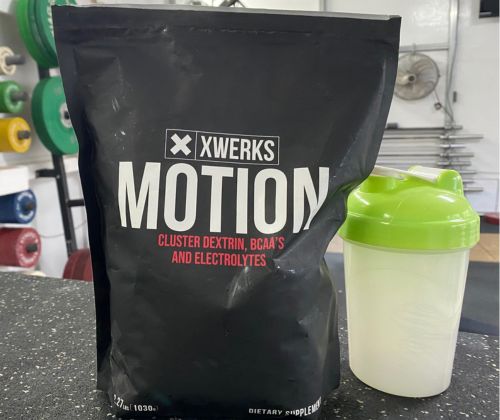
- Complex Carbs: Whole grains (oats, brown rice, whole-wheat bread), fruits, vegetables. These provide sustained energy and fiber.
- Timing: Consume complex carbs throughout the day. A serving before a workout can provide energy, and after a workout, they help replenish glycogen stores.
- Practical Tip: Pair your carbs with protein and healthy fats to slow digestion and prevent blood sugar spikes.
Healthy Fats: Essential for Function
Fats are crucial for hormone production, nutrient absorption, and long-term energy.
- Sources: Avocados, nuts (almonds, walnuts), seeds (chia, flax), olive oil, fatty fish.
- Practical Tip: Include a source of healthy fats with most meals, but be mindful of portion sizes as they are calorie-dense.
Hydration: The Unsung Hero
Often overlooked, proper hydration is fundamental for performance, recovery, and overall health.
-
Importance: Water aids in nutrient transport, waste removal, joint lubrication, and regulating body temperature.
-
How Much: Aim for at least 8-10 glasses (2-2.5 liters) of water daily, increasing with exercise intensity or hot weather.
-
Practical Tip: Carry a water bottle with you and sip throughout the day. Add a squeeze of lemon or cucumber for flavor.
-
Actionable Advice:
- Meal Prep: Dedicate a few hours each week to prepare healthy meals and snacks in advance. This saves time and ensures you have nutritious options readily available.
- Smart Snacking: Keep healthy snacks like fruit, nuts, yogurt, or hard-boiled eggs on hand to avoid unhealthy cravings.
The Art of Unwinding: Maximizing Recovery
Your body builds itself back stronger when it’s given the opportunity to rest and repair. Neglecting recovery is like planting a seed and never watering it.
Sleep: Your Ultimate Performance Enhancer
Nothing impacts your physical and mental recovery more profoundly than sleep.
- Tips for Better Sleep:
- Consistent Schedule: Go to bed and wake up at roughly the same time every day, even on weekends.
- Optimize Your Bedroom: Keep it dark, quiet, and cool.
- Wind-Down Routine: Avoid screens for an hour before bed. Read a book, take a warm bath, or listen to calming music.
- Limit Stimulants: Reduce caffeine and alcohol intake, especially in the afternoon and evening.
Active Recovery & Mobility
These practices help reduce muscle soreness, improve blood flow, and maintain joint health without adding stress to your body.
- Light Cardio: A brisk walk, gentle cycling, or swimming on a rest day.
- Stretching: Static stretches (holding a stretch for 20-30 seconds) or dynamic stretches (controlled movements through a range of motion) can improve flexibility.
- Foam Rolling: Self-myofascial release can help alleviate muscle tightness and improve tissue quality.
- Practical Tip: Incorporate 10-15 minutes of stretching or foam rolling after your workouts or on rest days.
Listening to Your Body
This is perhaps the most crucial recovery skill. Your body sends signals; learn to interpret them.
-
Avoiding Overtraining: Persistent fatigue, decreased performance, prolonged muscle soreness, irritability, and disrupted sleep are signs you might be doing too much.
-
Knowing When to Rest: It’s okay to take an extra rest day or do a lighter workout if you’re feeling genuinely depleted. Pushing through constant fatigue can lead to injury and burnout.
-
Actionable Advice:
- Develop a Wind-Down Routine: Make sleep a priority, not an afterthought.
- Schedule Rest Days: Treat them as important as your workout days.
Navigating the Fitness Landscape: Overcoming Challenges
The path to sustainable fitness isn’t always linear. You’ll encounter obstacles, but how you navigate them determines your long-term success.
Bouncing Back from Setbacks
Life happens. You might miss workouts, indulge in unhealthy foods, or lose motivation. This is normal.
- Embrace Imperfection: One missed workout or unhealthy meal doesn’t derail your entire journey. It’s a minor detour, not a dead end.
- Adjust, Don’t Quit: Instead of throwing in the towel, adjust your plan. Can’t do a full workout? Do 15 minutes. Ate poorly? Make your next meal a healthy one.
- Learn from Experience: Identify what led to the setback. Was it stress, poor planning, or lack of sleep? Use this insight to prevent future occurrences.
Staying Motivated: The Long Game
Motivation ebbs and flows. Build systems and habits that keep you moving forward even when motivation wanes.
- Celebrate Small Wins: Acknowledge every achievement, no matter how small. Did you complete all your workouts this week? Did you stick to your meal plan? Celebrate it!
- Find a Community: Join a gym, an online group, or find a workout buddy. Shared goals and support can be incredibly motivating.
- Track Your Progress (Beyond the Scale):
- Performance: Lifting heavier, doing more reps, running faster/longer.
- Feelings: More energy, better mood, improved sleep.
- Measurements: Body circumference, how clothes fit.
- Photos: Visual progress can be very powerful.
- Revisit Your "Why": When feeling unmotivated, remind yourself of your core reasons for pursuing fitness.
When to Seek Expert Guidance
While this blueprint provides a strong foundation, there are times when professional guidance can accelerate your progress and ensure safety.
- Certified Personal Trainers: Can provide personalized workout plans, teach proper form, and help you break through plateaus.
- Registered Dietitians: Offer tailored nutritional advice, especially if you have specific dietary needs, health conditions, or performance goals.
- Physiotherapists/Physical Therapists: If you experience persistent pain or injury, they can diagnose issues and guide your rehabilitation.
Conclusion: Your Journey to Lasting Vitality
You now hold the blueprint for a fitness journey that extends far beyond fleeting trends and quick fixes. By embracing the pillars of mindset, intentional movement, thoughtful nourishment, and dedicated recovery, you’re not just building a stronger body; you’re cultivating a more resilient, energetic, and vibrant life.
Remember, sustainable fitness is a marathon, not a sprint. There will be good days and challenging days, but every consistent effort, every mindful choice, and every moment of self-care contributes to the masterpiece that is your health. Start today. Be patient. Be persistent. And most importantly, enjoy the process of becoming the strongest, healthiest, and most vital version of yourself. Your journey to lasting strength and vitality awaits – embrace it with confidence and commitment.