Embarking on a fitness journey is one of the most empowering decisions you can make for your health and well-being. It’s a commitment to a stronger, more vibrant you, a path filled with challenges, triumphs, and continuous learning. For many, the initial enthusiasm can be high, but sustaining momentum and navigating the vast landscape of fitness information can feel daunting. This article is your definitive guide, designed to illuminate the progressive pathway to lasting fitness.
We’ll move beyond fleeting trends and quick fixes, focusing instead on time-tested principles that foster genuine, enduring strength and vitality. Whether you’re lacing up your shoes for the first time or looking to elevate your current routine, our aim is to provide you with actionable insights, practical tips, and a foundational understanding to help you build a resilient body and mind. This isn’t just about transforming how you look; it’s about optimizing how you feel, how you move, and how you engage with life. Get ready to unlock your full potential and cultivate a lifestyle of sustained wellness.
Laying the Groundwork: Essential Principles for Success
Before diving into specific workouts, it’s crucial to establish a robust mental and emotional foundation. Fitness isn’t just a physical endeavor; it’s deeply intertwined with your mindset, habits, and self-awareness.
Understanding Your "Why": Fueling Your Motivation
Every successful fitness journey begins with a clear understanding of your motivation. What truly drives you? Is it improved health markers, enhanced athletic performance, increased energy for daily activities, or a desire to feel more confident?
- Identify Your Core Motivations: Take time to reflect on why you want to get fit. Write down your reasons. These personal drivers will be your compass when motivation wanes.
- Distinguish Intrinsic vs. Extrinsic Motivation:
- Intrinsic Motivation comes from within – the joy of movement, the feeling of accomplishment, improved mental clarity. This is the most powerful and sustainable form of motivation.
- Extrinsic Motivation comes from external rewards – fitting into a certain size, praise from others, achieving a specific aesthetic. While these can be initial drivers, relying solely on them can lead to burnout if the external reward isn’t consistently met.
- Real-Life Example: Someone starting their fitness journey might initially be motivated by a desire to lose weight (extrinsic). As they progress, they might discover the intrinsic joy of running longer distances, the mental peace after a workout, or the newfound strength that makes everyday tasks easier. This shift towards intrinsic motivation is key for long-term adherence.
The Power of Consistency: Small Steps, Big Results
Consistency is the bedrock of all fitness achievements. It’s not about perfection or heroic one-off efforts; it’s about showing up regularly, even when you don’t feel like it.
- Habit Formation: Fitness thrives on habits. Start small and make it easy to succeed. Instead of aiming for an hour-long workout every day, commit to 15-20 minutes, three times a week. Once that becomes routine, you can gradually increase duration or intensity.
- Overcoming Initial Hurdles: The first few weeks are often the hardest. Expect discomfort, both physical and mental. Recognize that this is part of the process and push through.
- Actionable Advice:
- Schedule Your Workouts: Treat them like non-negotiable appointments in your calendar.
- Find an Accountability Partner: Someone who shares similar goals can provide encouragement and keep you on track.
- "Don’t Break the Chain": Mark off each day you complete your fitness goal on a calendar. Seeing a long chain of successes can be incredibly motivating.
Listening to Your Body: The Art of Self-Awareness
Your body is an incredibly sophisticated machine, constantly sending signals. Learning to interpret these signals is vital for preventing injury, optimizing performance, and ensuring sustainable progress.
- Recognizing Fatigue vs. Laziness: There’s a difference between feeling tired after a good night’s sleep and genuine, overwhelming fatigue that indicates you might be overtraining or need more rest.
- Distinguishing Muscle Soreness from Pain:
- Delayed Onset Muscle Soreness (DOMS): A dull ache or stiffness that typically appears 24-72 hours after unaccustomed exercise. It’s a normal adaptation.
- Pain: Sharp, localized, or persistent discomfort that doesn’t subside. This is your body’s alarm system and should never be ignored.
- Importance of Rest and Recovery: Progress doesn’t happen during the workout; it happens during recovery. Adequate rest allows your muscles to repair and grow stronger.
The Pillars of Progressive Training: Strength, Cardio, Flexibility
A well-rounded fitness regimen integrates three fundamental components: strength training, cardiovascular exercise, and flexibility/mobility work. Neglecting any one of these can hinder your progress and overall well-being.
Building Foundational Strength: More Than Just Muscles
Strength training is often misunderstood, mistakenly perceived as solely for bodybuilders or elite athletes. In reality, it’s a cornerstone of health for everyone, regardless of age or gender.
- Why Strength Training is Crucial:
- Increased Bone Density: Helps prevent osteoporosis, especially vital as we age.
- Boosted Metabolism: Muscle tissue burns more calories at rest than fat tissue, aiding in weight management.
- Improved Functional Movement: Makes everyday tasks easier, from carrying groceries to playing with children.
- Enhanced Posture and Reduced Pain: Strengthens core and supporting muscles, alleviating back pain and improving posture.
- Better Body Composition: Builds lean muscle, leading to a firmer, more toned physique.
- Basic Principles: Progressive Overload: This is the golden rule of strength training. To get stronger, you must continually challenge your muscles beyond what they’re accustomed to. This can be achieved by:
- Increasing the weight lifted.
- Performing more repetitions or sets.
- Reducing rest time between sets.
- Improving exercise form or range of motion.
- Increasing the frequency of training.
- Practical Tips for Beginners to Intermediate:
- Prioritize Compound Movements: These exercises work multiple muscle groups and joints simultaneously, offering the most bang for your buck. Examples include:
- Squats: Goblet squats, bodyweight squats.
- Deadlifts: Romanian deadlifts (RDLs) with light weights, kettlebell deadlifts.
- Presses: Dumbbell bench press, overhead press.
- Rows: Dumbbell rows, resistance band rows.
- Lunges: Forward lunges, reverse lunges.
- Focus on Form Over Weight: Start with light weights or just your body weight to master proper technique. Incorrect form not only reduces effectiveness but significantly increases injury risk. Consider watching reputable instructional videos or hiring a certified trainer for a few sessions.
- Rep Ranges and Sets: For general strength and muscle growth (hypertrophy), aim for 3-4 sets of 8-12 repetitions per exercise. As you get stronger, you can explore lower reps with heavier weights (e.g., 5 sets of 5 reps) for pure strength development.
- Prioritize Compound Movements: These exercises work multiple muscle groups and joints simultaneously, offering the most bang for your buck. Examples include:
- Real-Life Example of Progressive Overload: Imagine you start performing goblet squats with a 15-pound dumbbell for 3 sets of 10 reps. Once you can comfortably complete all reps with good form, the next step might be to:
- Increase to 3 sets of 12 reps with the same weight.
- Once 3×12 is easy, try a 20-pound dumbbell for 3 sets of 10 reps.
- Alternatively, you could add another set, doing 4 sets of 10 reps with the 15-pound dumbbell.
- Actionable Advice: Sample Strength Routine Structure (3 days/week)
- Day 1: Full Body
- Goblet Squats: 3 sets x 10-12 reps
- Dumbbell Bench Press: 3 sets x 10-12 reps
- Dumbbell Rows: 3 sets x 10-12 reps
- Plank: 3 sets, hold for 30-60 seconds
- Day 2: Full Body
- Romanian Deadlifts (light weight): 3 sets x 10-12 reps
- Overhead Press: 3 sets x 10-12 reps
- Push-ups (on knees or full): 3 sets x AMRAP (as many reps as possible)
- Reverse Lunges: 3 sets x 10-12 reps per leg
- Day 3: Full Body
- Leg Press or Wall Sits: 3 sets x 10-12 reps or 30-60 seconds
- Dumbbell Flyes: 3 sets x 12-15 reps
- Lat Pulldowns (or resistance band pull-aparts): 3 sets x 12-15 reps
- Bicep Curls / Triceps Extensions: 2 sets x 12-15 reps each
- Day 1: Full Body
Elevating Your Endurance: The Heart of Your Health
Cardiovascular (cardio) training, also known as aerobic exercise, strengthens your heart and lungs, making your body more efficient at delivering oxygen to working muscles. It’s vital for overall health and stamina.
- Benefits of Cardiovascular Training:
- Improved Heart Health: Lowers blood pressure, reduces risk of heart disease and stroke.
- Increased Stamina: Allows you to perform daily activities with less fatigue.
- Enhanced Mood and Cognitive Function: Releases endorphins, acting as a natural mood booster and improving brain health.
- Better Sleep Quality: Regular cardio can contribute to more restful sleep.
- Types of Cardio:
- Low-Intensity Steady State (LISS): Performed at a moderate, sustainable pace for a longer duration (e.g., brisk walking, light jogging, cycling). Excellent for building an aerobic base and recovery.
- High-Intensity Interval Training (HIIT): Alternates short bursts of intense exercise with brief recovery periods. Highly effective for burning calories, improving cardiovascular fitness, and boosting metabolism in less time.
- Practical Tips:
- Finding Your Target Heart Rate Zone: A general guideline is to aim for 50-70% of your maximum heart rate for moderate intensity (LISS) and 70-85% for vigorous intensity (HIIT). Your maximum heart rate can be estimated by subtracting your age from 220. (e.g., for a 30-year-old, Max HR = 190 bpm).
- Interval Training Basics: Start with a 1:2 or 1:3 work-to-rest ratio (e.g., 30 seconds sprint, 60-90 seconds walk/jog). Gradually decrease rest time or increase work time as you get fitter.
- Real-Life Example: A beginner might start with a brisk 30-minute walk three times a week (LISS). As their fitness improves, they could transition to light jogging for intervals (e.g., 1 minute jog, 2 minutes walk), gradually increasing the jogging duration until they can run continuously. For HIIT, they might perform short bursts of jumping jacks or burpees followed by active recovery.
- Actionable Advice: Incorporating Cardio into Your Week:
- Aim for at least 150 minutes of moderate-intensity aerobic activity or 75 minutes of vigorous-intensity activity per week, or a combination.
- Beginner Schedule: 3 x 30-minute LISS sessions (e.g., brisk walking, cycling)
- Intermediate Schedule: 2 x 30-minute LISS sessions + 1 x 20-minute HIIT session
Cultivating Flexibility and Mobility: Moving with Ease
Often overlooked, flexibility and mobility are crucial for injury prevention, maintaining a full range of motion, and improving overall physical performance.
- Importance for Injury Prevention, Range of Motion, and Daily Life:
- Reduces Injury Risk: Flexible muscles and mobile joints are less prone to strains and sprains.
- Improves Performance: A greater range of motion allows for better execution of strength exercises and athletic movements.
- Enhances Daily Function: Makes everyday tasks like bending, reaching, and twisting easier and pain-free.
- Types of Flexibility:
- Dynamic Stretching: Movements that take your joints through their full range of motion, preparing your body for activity (e.g., arm circles, leg swings, torso twists). Perform before workouts.
- Static Stretching: Holding a stretch for a period (e.g., 20-30 seconds) to lengthen muscles. Best performed after workouts when muscles are warm, or on rest days.
- Foam Rolling: A form of self-myofascial release that can help release muscle knots and improve tissue quality.
- Practical Tips:
- Pre-Workout Dynamic Stretches: Spend 5-10 minutes performing light cardio followed by dynamic movements relevant to your workout.
- Post-Workout Static Stretches: Dedicate 5-10 minutes to stretching major muscle groups that you worked. Hold each stretch gently, without bouncing.
- Listen to Your Body: Stretch only to the point of mild tension, never pain.
- Actionable Advice: Simple Daily Mobility Routine (10-15 minutes):
- Cat-Cow Stretch: 10-15 reps (spinal mobility)
- Thoracic Rotations: 10-15 reps per side (upper back mobility)
- World’s Greatest Stretch: 5-8 reps per side (full body, hips, hamstrings, chest)
- Leg Swings (forward/backward & side-to-side): 10-15 per leg, each direction (hip mobility)
- Child’s Pose: Hold for 30-60 seconds (lower back and hip relaxation)
- Pigeon Stretch: Hold for 30-60 seconds per side (hip opener)
Beyond the Gym: Lifestyle Factors for Holistic Fitness
Fitness extends far beyond your time in the gym. What you do outside of your workouts profoundly impacts your progress, recovery, and overall health.
Nourishing Your Body: Fuel for Performance and Recovery
Nutrition is the fuel that powers your workouts and repairs your body. You cannot out-train a poor diet.
- Basic Nutrition Principles:
- Prioritize Lean Protein: Essential for muscle repair and growth (chicken, fish, lean beef, eggs, tofu, legumes). Aim for 0.7-1 gram per pound of body weight.
- Include Complex Carbohydrates: Provide sustained energy for workouts and daily function (oats, brown rice, quinoa, sweet potatoes, whole grains).
- Embrace Healthy Fats: Crucial for hormone production, nutrient absorption, and satiety (avocado, nuts, seeds, olive oil, fatty fish).
- Hydration is Key: Water regulates body temperature, lubricates joints, and transports nutrients. Aim for 8-10 glasses (2-3 liters) daily, more if you’re active.
- Eat Your Vegetables and Fruits: Packed with vitamins, minerals, and fiber.
- Mindful Eating: Pay attention to your body’s hunger and fullness cues. Eat slowly, savor your food, and avoid distractions.
- Actionable Advice:
- Meal Prep Basics: Dedicate a few hours one day a week to prepare healthy meals or components (e.g., cooked chicken, chopped veggies, cooked grains) for the days ahead. This makes healthy choices convenient.
- Water Intake Goals: Keep a reusable water bottle handy and sip throughout the day. Set reminders on your phone if needed.
- Balanced Plate: Aim for each meal to contain a source of lean protein, complex carbs, healthy fats, and plenty of vegetables.
The Restorative Power of Sleep: Your Secret Weapon
Often underestimated, sleep is arguably the most powerful recovery tool at your disposal. Skimping on sleep sabotages your fitness efforts.
- Why Sleep is Critical:
- Muscle Repair and Growth: During deep sleep, your body releases growth hormone, essential for tissue repair and muscle building.
- Hormone Balance: Adequate sleep helps regulate hormones related to appetite (ghrelin and leptin), stress (cortisol), and insulin sensitivity.
- Cognitive Function: Improves focus, decision-making, and reaction time, all crucial for effective workouts and daily life.
- Energy Restoration: Replenishes physical and mental energy stores.
- Tips for Improving Sleep Hygiene:
- Consistent Sleep Schedule: Go to bed and wake up at roughly the same time every day, even on weekends.
- Optimize Your Sleep Environment: Keep your bedroom dark, quiet, and cool.
- Limit Screen Time Before Bed: The blue light emitted from devices can disrupt melatonin production.
- Avoid Caffeine and Heavy Meals Late in the Day:
- Real-Life Example: An individual consistently getting 5-6 hours of sleep might find themselves struggling with energy during workouts, craving unhealthy foods, and feeling irritable. By prioritizing 7-9 hours of quality sleep, they notice improved workout performance, better mood regulation, and easier adherence to their nutrition plan.
Managing Stress: A Holistic Approach to Well-being
Chronic stress can significantly impede your fitness progress by impacting hormones, energy levels, and mental resilience.
- Impact of Stress on Fitness Goals:
- Elevated Cortisol: Chronic stress increases cortisol, a hormone that can promote fat storage (especially around the midsection) and break down muscle tissue.
- Reduced Energy and Motivation: Stress drains your mental and physical resources, making it harder to stick to your workout and nutrition plan.
- Impaired Recovery: The body struggles to recover effectively when constantly in a "fight or flight" state.
- Stress Reduction Techniques:
- Mindfulness and Meditation: Even a few minutes of focused breathing can significantly reduce stress.
- Engage in Hobbies: Pursue activities you enjoy to provide a mental break.
- Social Connection: Spend time with supportive friends and family.
- Time Management: Prioritize tasks and learn to say no to avoid feeling overwhelmed.
- Actionable Advice: Incorporate short mindfulness breaks into your day. This could be 5 minutes of deep breathing, a brief walk in nature, or simply pausing to notice your surroundings without judgment.
Overcoming Obstacles and Sustaining Momentum
The path to lasting fitness is rarely linear. You’ll encounter setbacks, plateaus, and moments of doubt. The key is how you respond to these challenges.
Bouncing Back from Setbacks: The Power of Resilience
Life happens. You’ll miss workouts, overeat, or experience minor injuries. These are not failures, but opportunities to practice resilience.
- Dealing with Missed Workouts: Don’t let one missed session derail your entire week. Acknowledge it, learn from it (e.g., was it poor planning? Lack of sleep?), and get back on track with your next scheduled workout.
- Navigating Plateaus: When progress stalls, it’s often a sign that your body has adapted. This is where progressive overload becomes crucial. Re-evaluate your training, nutrition, and recovery.
- Managing Minor Injuries: Consult a healthcare professional if pain persists. For minor aches, rest, gentle movement, and modifying exercises can help. Don’t push through pain that feels "wrong."
- Adjusting Expectations: Fitness is a marathon, not a sprint. Celebrate small victories and understand that progress ebbs and flows.
Tracking Progress (Beyond the Scale): Celebrating Non-Scale Victories
While the scale can be one metric, it tells only a fraction of your fitness story. Focusing solely on weight can be discouraging and doesn’t reflect improvements in strength, body composition, or health.
- Performance Metrics:
- Lifting heavier weights or performing more reps/sets.
- Running longer distances or at a faster pace.
- Improving your plank hold time.
- Mastering a new exercise or achieving better form.
- How Clothes Fit: Notice how your clothes feel looser or fit differently, indicating changes in body composition.
- Energy Levels and Mood: Track improvements in daily energy, reduced stress, and overall positive outlook.
- Health Markers: Reduced blood pressure, improved cholesterol levels, better blood sugar control (as advised by your doctor).
- Journaling Your Journey: Keep a workout log to track exercises, sets, reps, and weights. Also, make notes about how you felt, energy levels, and any personal reflections. This provides concrete evidence of your progress and helps identify patterns.
Seeking Support and Community: You’re Not Alone
Connecting with others on a similar path can provide invaluable motivation, accountability, and shared wisdom.
- Benefits of a Workout Partner: A friend or family member can make workouts more enjoyable and ensure you show up.
- Consider a Certified Personal Trainer: For beginners, a trainer can provide personalized guidance, teach proper form, and build confidence. For intermediate individuals, they can help break through plateaus and refine techniques.
- Join a Group Class or Online Community: Shared experiences and challenges can foster a strong sense of belonging and support.
Designing Your Personalized Progressive Plan
With the foundational principles in place, it’s time to craft a plan that’s tailored to your current abilities and future aspirations.
Assessing Your Current Fitness Level
Before you can progress, you need to know where you’re starting from. This helps set realistic and achievable goals.
- Simple Self-Assessments:
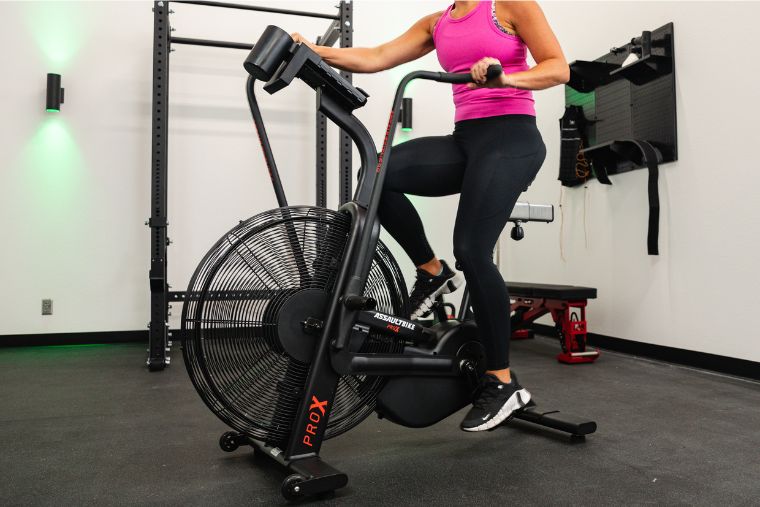
- Cardiovascular: Time how long it takes you to walk or lightly jog one mile.
- Strength: Max number of push-ups (on knees or toes), how long you can hold a plank with good form.
- Flexibility: Can you touch your toes? How easily can you perform a bodyweight squat to full depth?
- Setting Realistic, Measurable Goals:
- SMART Goals: Specific, Measurable, Achievable, Relevant, Time-bound.
- Instead of "I want to get fit," try "I will be able to perform 10 full push-ups and jog for 30 minutes continuously within 12 weeks."
Structuring Your Weekly Routine
Balance is key. A well-designed routine incorporates strength, cardio, and recovery to optimize results and prevent burnout.
- Balancing Strength, Cardio, and Rest:
- Aim for 2-4 strength training sessions per week.
- Include 2-3 cardiovascular sessions.
- Ensure 1-2 dedicated rest days, or active recovery days (e.g., light walking, stretching).
- Sample Weekly Schedule for Beginners/Intermediate:
- Monday: Strength Training (Full Body)
- Tuesday: LISS Cardio (30-45 min) + Mobility
- Wednesday: Strength Training (Full Body)
- Thursday: Rest or Active Recovery (e.g., long walk, gentle yoga)
- Friday: Strength Training (Full Body) or HIIT Cardio (20 min)
- Saturday: LISS Cardio (30-60 min) or fun active hobby
- Sunday: Rest & Recovery (prioritize sleep, static stretching)
Embracing Adaptation: The Journey Evolves
Your fitness journey is dynamic. What works for you today might need adjustment in six months or a year.
- Periodization Concepts (Simplified): Professional athletes use periodization, structuring training into phases to peak at certain times and avoid overtraining. For you, this means understanding that your body adapts, and your program needs to change.
- Initial Phase: Focus on learning movements and building a base.
- Progressive Phase: Gradually increase intensity, volume, or complexity.
- Maintenance/Deload Phase: Occasionally reduce training load to allow for full recovery and prevent burnout.
- Why Your Plan Will Need to Change Over Time: As you get fitter, your body requires new stimuli to continue adapting. Regularly review your progress and adjust exercises, weights, reps, or cardio intensity. This keeps training effective and prevents boredom.
Conclusion: Your Unstoppable Fitness Journey
You now possess a comprehensive blueprint for embarking on and mastering your fitness journey. We’ve covered the essential principles of motivation and consistency, delved into the pillars of strength, cardio, and flexibility, and highlighted the crucial role of lifestyle factors like nutrition, sleep, and stress management. Most importantly, we’ve emphasized the power of a progressive pathway – a sustainable, adaptable approach that honors your body and celebrates every step of your evolution.
Remember, fitness is not about perfection; it’s about persistent effort, smart choices, and a commitment to continuous self-improvement. There will be good days and challenging days, but with resilience, self-awareness, and the actionable strategies outlined here, you are equipped to navigate them all.
Your journey is uniquely yours, a powerful testament to your dedication and potential. Embrace the process, celebrate your non-scale victories, and trust in your ability to build enduring strength and vitality. The time to invest in yourself is now. Start today, stay consistent, and unlock the unstoppable, healthier you that awaits.