
The Fourth of July. A day synonymous with parades, fireworks, and, for many, an abundance of celebratory foods. Among the most iconic (and often exaggerated) is the hot dog eating contest. It’s a spectacle that blends athletic prowess with sheer gluttony, often played for laughs. But what happens when the comedic setup of a fictional hot dog eating contest gone wrong, as depicted in "The Pitt," hits a little too close to reality?
We’ve all seen the dramatic reenactments on television, where a character winds up in the emergency room after a culinary challenge. While entertaining, these portrayals often gloss over the very real health risks associated with pushing the human body to its absolute limits. This article isn’t about dissecting plot points; it’s about leveraging a fictional scenario to illuminate important health and fitness principles for the everyday enthusiast. We’ll explore what an emergency room physician, like Dr. Robert Glatter (an ER doctor and Assistant Professor of Emergency Medicine), would consider when confronted with a case similar to the one depicted in "The Pitt."
The Allure and the Danger: Understanding the Hot Dog Eating Contest Phenomenon
Competitive eating, at its core, is an extreme sport. It’s about speed, volume, and a remarkable capacity to override the body’s natural satiety signals. While the scene in "The Pitt" offered a lighthearted subplot, the underlying reality is far more serious. Dr. Glatter’s insights highlight that professional eaters aren’t just individuals with large appetites; they are individuals who have, over time, subjected their bodies to significant stress.
Key Risks of Competitive Eating:
- Gastrointestinal Distress: The most immediate consequence is severe discomfort. Swallowing vast quantities of food in a short period can lead to bloating, cramping, nausea, and vomiting.
- Metabolic Strain: The body’s metabolic processes are put under immense pressure. Processing such a large influx of calories, fat, and sodium rapidly can impact blood sugar levels, cholesterol, and overall organ function.
- Cardiovascular Stress: High-calorie, high-fat, and high-sodium foods are a significant burden on the heart. Over time, this can contribute to serious conditions like heart disease.
- Organ Strain: The liver and kidneys are tasked with processing these food loads, and repeated extreme challenges can lead to long-term damage.
- Obesity and Related Diseases: Even if competitors appear lean, the consistent consumption of these types of foods is a significant risk factor for obesity, type 2 diabetes, and other chronic health issues.
- Jaw and Skull Issues: The sheer act of rapid chewing can create strain and discomfort in the jaw and skull.
Amateur vs. Professional: The Stakes Are Higher Than You Think
A crucial distinction made by Dr. Glatter is the difference in risk between professional and amateur competitive eaters. Professionals often undergo a gradual adaptation process, training their bodies to handle larger volumes of food. Amateurs, on the other hand, can face much more immediate and severe consequences.
Why Amateurs Are at Greater Risk:
- Lack of Physiological Adaptation: Without the years of training, an amateur’s digestive system is not prepared for the extreme demands.
- Increased Risk of Perforation: The stomach lining can be stretched beyond its capacity, leading to a rupture or perforation.
- Aspiration Hazards: The rapid pace of eating increases the risk of food or liquid entering the airway (aspiration), which can lead to choking or serious lung infections.
- Airway Blockage: Swollen tissues or a blockage in the upper airway can be life-threatening.
This is where the fictional scenario in "The Pitt" serves as a cautionary tale. While the show depicts a relatively quick recovery, the reality could be far more dire.
Beyond the Hot Dog: The Nutritional Pitfalls of Processed Foods
The hot dog itself is a focal point, and for good reason. These processed meats are often high in sodium and preservatives, and their consumption has been linked to serious health concerns, including an increased risk of certain cancers. Dr. Glatter’s emphasis on this underscores a broader fitness principle: the quality of our food matters, especially when we’re pushing our bodies.

Practical Takeaway for Fitness Enthusiasts:
- Prioritize Whole Foods: While occasional treats are part of a balanced lifestyle, the bulk of your diet should consist of nutrient-dense, unprocessed foods.
- Understand Your Ingredients: Be mindful of what you’re consuming. Highly processed foods often contain hidden sugars, unhealthy fats, and excessive sodium.
- Listen to Your Body: Your body sends signals when it’s overloaded. Ignoring these signals, especially during extreme eating challenges, can have severe repercussions.
Training for Extremes: Is It Even Possible to "Train" Safely?
Dr. Glatter touches upon the idea of "training" for a hot dog eating contest. While some methods might mitigate immediate discomfort, they don’t eliminate the inherent risks.
Potential (But Still Risky) Preparations:
- Gradual Stomach Expansion: Slowly increasing food intake over time can help the stomach adapt to larger volumes.
- Hydration: Drinking plenty of water and electrolytes before and during an event can aid in digestion and prevent dehydration.
- Low-Fat, Low-Fiber Pre-Competition Meals: Consuming foods that empty from the stomach quickly can reduce abdominal pain and distension.
However, it’s crucial to reiterate that these are not endorsements for competitive eating. They are simply explanations of potential physiological responses to extreme dietary challenges. The safest approach, as Dr. Glatter unequivocally states, is to avoid participation altogether, especially for those without extensive, professional training.
The ER Perspective: Realism vs. Reel-Life Recovery
The depiction of Rocky being discharged from the ER within an hour is a dramatic convenience. In reality, a patient presenting with symptoms after consuming such a large quantity of food would likely undergo a more extensive evaluation.
What an ER Doctor Would Look For:
- Physical Examination: Assessing vital signs, abdominal tenderness, and signs of distress.
- Imaging Studies: X-rays or CT scans to check for perforation or blockages.
- Blood Tests: To evaluate electrolyte balance, organ function, and signs of infection.
- Endoscopy: In severe cases, a flexible camera might be used to visualize the esophagus and stomach.
The one-hour recovery window in "The Pitt" serves to move the plot forward, but it’s a stark contrast to the potential medical interventions and recovery times that could be necessary in a real-life scenario.
Fitness Beyond the Contest: Building a Sustainable Healthy Lifestyle
The "The Pitt" scenario, while fictional, provides a valuable springboard to discuss the principles of a healthy and sustainable fitness journey. Our focus should always be on building a strong, resilient body that supports our well-being, not on pushing it to dangerous extremes.

H3: Fueling Your Fitness: The Power of Balanced Nutrition
The competitive eating scenario highlights the perils of consuming foods that are detrimental to long-term health. For the beginner to intermediate fitness enthusiast, this translates to a focus on nourishing your body with the right fuel.
- Macro-Nutrient Balance: Ensure you’re getting adequate protein for muscle repair and growth, complex carbohydrates for sustained energy, and healthy fats for hormone production and overall health.
- Micronutrient Rich Foods: Load up on fruits, vegetables, and whole grains to ensure you’re getting essential vitamins and minerals that support every bodily function.
- Hydration is Key: Water is fundamental for energy levels, digestion, nutrient transport, and temperature regulation. Make it a priority throughout your day.
- Mindful Eating: Pay attention to your hunger and fullness cues. Eat slowly, savor your food, and avoid distractions during meals. This promotes better digestion and a healthier relationship with food.
Actionable Tip: Start by swapping one processed snack per day for a piece of fruit or a handful of nuts. This small change can be the beginning of a more significant dietary shift.
H3: Strength Training Fundamentals for Everyday Life
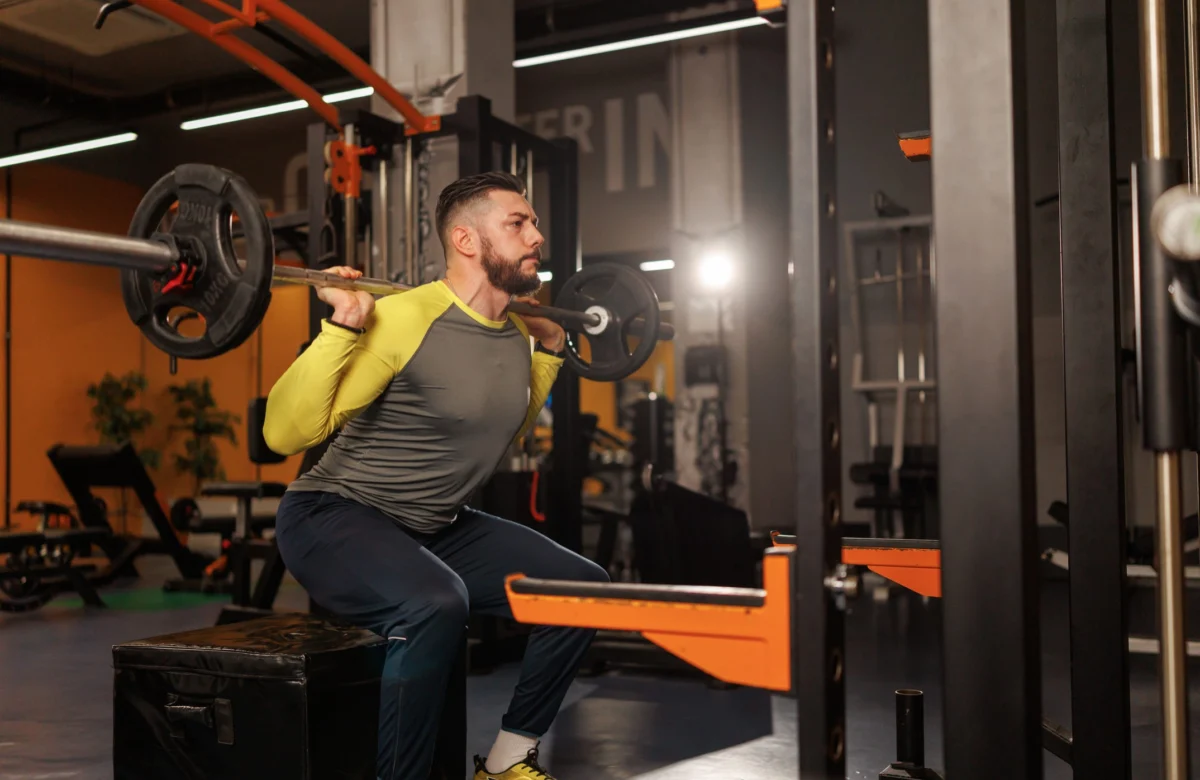
While competitive eating is an extreme, strength training is a cornerstone of a balanced fitness routine for most individuals. It’s not about lifting the heaviest weights possible from day one, but about building a foundation of functional strength.
- Compound Movements: Focus on exercises that work multiple muscle groups simultaneously, such as squats, lunges, push-ups, and rows. These are efficient and build overall strength.
- Progressive Overload: Gradually increase the challenge over time. This could mean adding a little more weight, doing an extra repetition, or reducing rest periods. This is the key to continuous improvement.
- Proper Form is Paramount: Before increasing weight or intensity, ensure your form is correct to prevent injuries. Consider working with a trainer or watching reputable instructional videos.
- Listen to Your Body’s Recovery: Rest and recovery are as important as the workout itself. Allow your muscles time to repair and rebuild.
Practical Workout Tip: For beginners, a full-body workout 2-3 times per week, focusing on bodyweight exercises or light dumbbells, is an excellent starting point. For example, a circuit could include:
- Bodyweight Squats (3 sets of 10-12 reps)
- Push-ups (on knees if needed) (3 sets of as many reps as possible with good form)
- Walking Lunges (3 sets of 10-12 reps per leg)
- Plank (3 sets, hold for 30-60 seconds)
- Dumbbell Rows (using light weights) (3 sets of 10-12 reps per arm)
H3: Cardiovascular Health: More Than Just Endurance
Cardiovascular exercise is vital for heart health, burning calories, and improving mood. The extreme nature of competitive eating is the antithesis of healthy cardiovascular conditioning.
- Find Activities You Enjoy: Whether it’s brisk walking, cycling, swimming, dancing, or hiking, the key is consistency. If you enjoy it, you’re more likely to stick with it.
- Vary Your Intensity: Incorporate a mix of moderate-intensity steady-state cardio (where you can talk but not sing) and high-intensity interval training (HIIT) for maximum benefits. HIIT, when done safely and appropriately, can be very effective but should be approached with caution for beginners.
- Set Realistic Goals: Aim for the recommended guidelines of at least 150 minutes of moderate-intensity or 75 minutes of vigorous-intensity aerobic activity per week.
Real-Life Example: Instead of aiming for a grueling marathon from the start, a beginner could commit to a 30-minute brisk walk five days a week. As their fitness improves, they can gradually increase the duration, intensity, or introduce jogging intervals.
The Bottom Line: Health Over Spectacle
The fictional hot dog eating contest mishap in "The Pitt" serves as a stark reminder that our bodies are not designed for extreme physical abuse, especially not through diet. While the episode might offer a momentary chuckle, the underlying message is serious. Our pursuit of fitness and health should always be guided by knowledge, respect for our bodies, and a commitment to sustainable practices.
Embrace the journey of building a stronger, healthier you, one balanced meal and one consistent workout at a time. Your body will thank you for it, not just in the short term, but for a lifetime. Let’s choose to nourish and strengthen our bodies, rather than challenge them to dangerous limits. The true victory lies in a life of vitality and well-being, not in a record-breaking consumption of anything.