The journey to lasting fitness is often depicted as a sprint—a quick dash towards a beach body, a rapid weight loss goal, or an intense training cycle. But what if we told you that the most rewarding, effective, and sustainable path to a healthier, stronger you is a marathon, not a sprint? It’s about building a robust foundation, fostering a resilient mindset, and adopting habits that integrate seamlessly into your life, rather than disrupting it.
In a world overflowing with quick fixes, fad diets, and extreme workout challenges, it’s easy to feel overwhelmed, confused, or even defeated before you’ve truly begun. Many embark on their fitness quest with immense enthusiasm, only to find themselves burnt out, injured, or back to square one after a few intense weeks. This article is your antidote to that cycle. It’s a comprehensive blueprint designed for anyone from fitness novices taking their first deliberate steps, to intermediate enthusiasts looking to elevate their game and embed fitness deeply into their lifestyle.
We’re going to strip away the noise and focus on the timeless principles that underpin true strength, enduring vitality, and holistic well-being. This isn’t about achieving an impossible ideal overnight; it’s about cultivating a sustainable relationship with your body, one smart decision and consistent effort at a time. We’ll explore the mental fortitude required, the intelligent training methodologies, the power of proper nutrition, and the often-overlooked art of recovery. By the end, you’ll possess a clear, actionable roadmap to not just reach your fitness goals, but to sustain them for a lifetime, transforming your health from the inside out.
Laying the Groundwork: Your Fitness Mindset and Motivation
Before you lift a single weight or run a single mile, the most crucial muscle to train is your mind. Your fitness journey begins and thrives on a foundation of clarity, patience, and unwavering belief in your capacity for change. Without a strong mental framework, even the best workout plans and nutrition strategies can falter.
Defining Your "Why": More Than Just Aesthetics
Many begin their fitness journey driven by external motivators: fitting into old clothes, impressing others, or achieving a certain look. While these can be powerful initial sparks, they often lack the sustained fuel needed for the long haul. True, lasting motivation springs from a deeper, more personal place – your "why."
- Internal vs. External Motivation: External motivators are fleeting. Once you hit that initial weight loss target or fit into those jeans, what’s next? Internal motivators, however, are deeply rooted in your values and desires for self-improvement. They could be:
- Health: "I want to have the energy to play with my kids/grandkids."
- Longevity: "I want to stay active and independent well into old age."
- Mental Clarity: "I want to reduce stress and improve my focus."
- Strength: "I want to feel strong and capable in my everyday life."
- Long-Term Vision: Take time to reflect. What truly matters to you? What kind of life do you envision for yourself five, ten, or even twenty years down the line? Write down your "why" and keep it visible. On days when motivation wanes, it will serve as your powerful reminder. For example, instead of "lose 10 pounds," try "build consistent healthy habits so I can feel energetic and confident."
Embracing Progress, Not Perfection
The pursuit of perfection is a fast track to burnout and disappointment. Fitness is inherently messy, filled with plateaus, off-days, and unexpected challenges. Learning to celebrate small victories and view setbacks as opportunities for learning is paramount.
- Small Wins, Consistency Over Intensity: Don’t wait for monumental achievements. Did you consistently hit your hydration goal for a week? That’s a win. Did you add one more rep to your last set? Celebrate it. These small, consistent efforts compound over time, leading to significant, sustainable results. Consistency, showing up even when you don’t feel like it, is far more impactful than sporadic bursts of intense, unsustainable effort.
- Overcoming Setbacks: Life happens. You’ll miss workouts, indulge in unhealthy meals, or feel discouraged. The key isn’t to avoid these moments, but to learn how to recover from them swiftly. Instead of "I messed up, so I might as well give up," shift to "I had an off day, but I’ll get back on track tomorrow." Resilience is built in these moments of recovery, not in their absence.
The Power of Patience and Persistence
Modern society often conditions us to expect immediate gratification. Fitness, however, operates on its own timeline. Muscle growth, fat loss, and improved endurance are biological processes that require time, consistent stimulus, and adequate recovery.
- Fitness is a Journey, Not a Destination: There is no finish line. Once you achieve one goal, new ones will emerge. Embrace the ongoing process of learning, adapting, and growing. This mindset liberates you from the pressure of a deadline and allows you to enjoy the day-to-day efforts.
- Compounding Effects: Think of your fitness efforts like compound interest. Each healthy meal, each completed workout, each good night’s sleep adds a small deposit to your overall health bank. These deposits may seem insignificant individually, but over months and years, they accumulate into profound transformations. Persistence isn’t just about pushing hard; it’s about consistently showing up, day after day, week after week, even when results aren’t immediately visible. Trust the process, and the results will follow.
The Pillars of Physical Prowess: Training Smart, Not Just Hard
Once your mindset is aligned, it’s time to translate that mental fortitude into physical action. Effective training isn’t about endlessly punishing your body; it’s about intelligently stimulating it for growth, adaptation, and resilience. A well-rounded fitness regimen integrates strength, cardiovascular, and mobility work to create a truly functional and capable body.
Strength Training: The Foundation of Functional Fitness
Often mistakenly associated only with bodybuilders, strength training is arguably the single most important form of exercise for overall health, especially as we age. It’s about building muscle, which is metabolically active tissue, and strengthening your bones, joints, and connective tissues.
-
Benefits Beyond Brawn:

- Muscle Growth (Hypertrophy): Increases your basal metabolic rate, meaning you burn more calories at rest. It also shapes your physique and improves functional strength for daily tasks.
- Bone Density: Weight-bearing exercises put stress on bones, stimulating them to become denser and stronger, significantly reducing the risk of osteoporosis.
- Metabolic Health: Improves insulin sensitivity, helping to regulate blood sugar levels and reduce the risk of type 2 diabetes.
- Injury Prevention: Strong muscles support joints, improving stability and reducing the likelihood of strains and sprains.
- Confidence and Mental Well-being: There’s an undeniable psychological boost that comes from feeling physically strong and capable.
-
Actionable Advice: Focus on Compound Movements: For beginners to intermediates, the most effective approach is to prioritize compound exercises. These movements engage multiple joints and muscle groups simultaneously, offering the biggest bang for your buck in terms of muscle activation and calorie expenditure.
- Lower Body: Squats (goblet squats, front squats, back squats), Deadlifts (Romanian deadlifts, conventional deadlifts), Lunges.
- Upper Body (Push): Push-ups (on knees, elevated, standard), Overhead Press (dumbbell, barbell), Bench Press (dumbbell, barbell).
- Upper Body (Pull): Rows (dumbbell, barbell, cable), Pull-ups (assisted, bodyweight), Lat Pulldowns.
- Core: Planks, bird-dog, anti-rotation presses.
- Practical Tip: Aim for 2-4 strength training sessions per week, allowing for adequate rest between muscle groups. For each exercise, aim for 3-4 sets of 8-12 repetitions.
- Real-life Example: Consider "Mark," a 40-year-old beginner who started with bodyweight squats and push-ups. After two months of consistent training, he noticed his posture improved, he could easily carry groceries, and he even felt less fatigued at work. He then gradually progressed to holding dumbbells for his squats and performing push-ups from his toes, feeling a tangible sense of accomplishment with each small increment of strength.
-
Progression: The Overload Principle: To continue making gains, your muscles need to be consistently challenged. This is the progressive overload principle.
- Increase Weight: The most common method.
- Increase Reps/Sets: Do more work with the same weight.
- Improve Form: Better technique allows for greater muscle activation and safer lifting.
- Decrease Rest Time: Challenges your cardiovascular system.
- Increase Time Under Tension: Slowing down the movement phases.
- Tracking: Keep a workout journal or use an app to record your exercises, sets, reps, and weights. This allows you to objectively track progress and ensures you’re applying progressive overload.
Cardiovascular Health: Fueling Your Endurance Engine
While strength training builds the engine, cardiovascular exercise ensures it runs efficiently and for extended periods. Often referred to as "cardio," this type of training strengthens your heart and lungs, improving oxygen delivery throughout your body.
-
Benefits for a Vibrant Life:
- Heart Health: Lowers blood pressure, improves cholesterol levels, and reduces the risk of heart disease and stroke.
- Stamina and Endurance: Increases your capacity for prolonged physical activity, making everyday tasks feel easier.
- Fat Loss: Burns calories, contributing to a healthy body composition.
- Stress Reduction: Releases endorphins, acting as a natural mood booster and stress reliever.
- Improved Sleep: Regular cardio can lead to deeper, more restorative sleep.
-
Actionable Advice: Mix It Up! A balanced approach to cardio combines both steady-state and high-intensity interval training (HIIT).
- Steady-State Cardio: Moderate intensity, longer duration (e.g., brisk walking, jogging, cycling, swimming for 30-60 minutes). Great for building aerobic base and recovery. Aim for 2-3 sessions per week.
- High-Intensity Interval Training (HIIT): Short bursts of maximal effort followed by brief recovery periods (e.g., sprints, burpees, jumping jacks). Excellent for improving anaerobic capacity, calorie burn, and conditioning in a shorter amount of time. Limit to 1-2 sessions per week due to its intense nature and recovery demands.
- Practical Tip: Start where you are. If you’re new, begin with 20-30 minutes of brisk walking most days of the week. As your fitness improves, gradually increase duration, speed, or introduce short jogging intervals. "For example, begin with 5 minutes walking, 1 minute jogging, repeat 3-4 times, then cool down with 5 minutes walking."
Flexibility and Mobility: The Unsung Heroes
Often neglected in favor of more "glamorous" training, flexibility and mobility are critical for injury prevention, enhancing performance, and maintaining a high quality of life.
-
Benefits That Keep You Moving:
- Injury Prevention: Improved range of motion reduces stress on joints and muscles, making them less susceptible to injury.
- Enhanced Performance: Better mobility allows for deeper squats, more powerful movements, and overall more efficient exercise execution.
- Reduced Muscle Soreness: Can aid in recovery and alleviate stiffness.
- Improved Posture: Helps correct imbalances and supports a healthier spinal alignment.
- Increased Body Awareness: Teaches you to listen to your body and understand its limitations.
-
Actionable Advice: Integrate Regularly:
- Dynamic Warm-ups (Before workout): Movements that take your joints through their full range of motion. Examples: arm circles, leg swings, torso twists, cat-cow. Perform for 5-10 minutes.
- Static Stretching (After workout or separately): Holding a stretch for 20-30 seconds. Focus on major muscle groups. Examples: hamstring stretch, quad stretch, chest stretch. Perform for 10-15 minutes.
- Foam Rolling/Self-Myofascial Release: Use a foam roller or lacrosse ball to release tension in tight muscles. This can improve blood flow and tissue quality.
- Practical Tip: "Dedicate 10-15 minutes daily, even on rest days, to a combination of dynamic movements and static stretches. This small investment pays huge dividends." Consider yoga or Pilates for a comprehensive approach to flexibility and core strength.
Fueling Your Ascent: Nutrition for Performance and Recovery
You can train like an athlete, but if you don’t eat like one, your progress will be severely limited. Nutrition isn’t just about weight management; it’s the bedrock of energy, recovery, and overall health. It’s the fuel that powers your workouts and repairs your body afterward.
Macronutrients: The Big Three
Understanding the role of protein, carbohydrates, and fats is fundamental to intelligent eating.
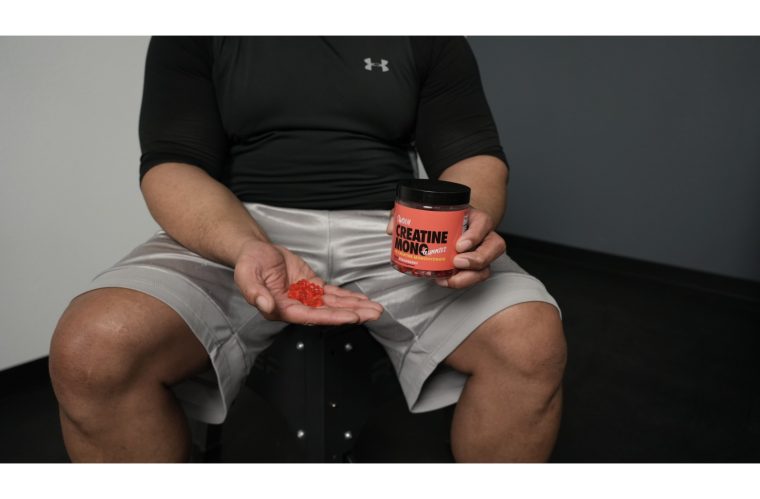
-
Protein: The Building Block of Life
- Role: Essential for muscle repair and growth, enzyme and hormone production, and satiety.
- Actionable Advice: Aim for 0.7-1 gram of protein per pound of body weight (or 1.6-2.2 grams per kg). Distribute protein intake throughout the day, especially around workouts.
- Examples: Lean meats (chicken, turkey, beef), fish (salmon, tuna), eggs, dairy (Greek yogurt, cottage cheese), legumes (lentils, beans), tofu, tempeh.
-
Carbohydrates: Your Primary Energy Source

- Role: Provide glucose, the body’s preferred fuel for high-intensity exercise and brain function. Replenish glycogen stores in muscles and liver.
- Actionable Advice: Focus on complex carbohydrates for sustained energy and fiber. Consume simple carbs strategically (e.g., post-workout) for quick recovery.
- Examples (Complex): Whole grains (oats, brown rice, quinoa, whole-wheat bread), starchy vegetables (sweet potatoes, potatoes), fruits, vegetables.
- Examples (Simple/Strategic): Bananas, berries, white rice (post-workout).
-
Fats: Essential for Hormones and Overall Health
- Role: Crucial for hormone production, nutrient absorption, cell membrane integrity, and providing a dense energy source.
- Actionable Advice: Prioritize healthy unsaturated fats and consume saturated fats in moderation.
- Examples: Avocados, nuts (almonds, walnuts), seeds (chia, flax), olive oil, fatty fish (salmon, mackerel).
Hydration: The Often-Overlooked Essential
Water is often forgotten, but it’s arguably the most vital nutrient. Every bodily function, from nutrient transport to temperature regulation and joint lubrication, relies on adequate hydration.
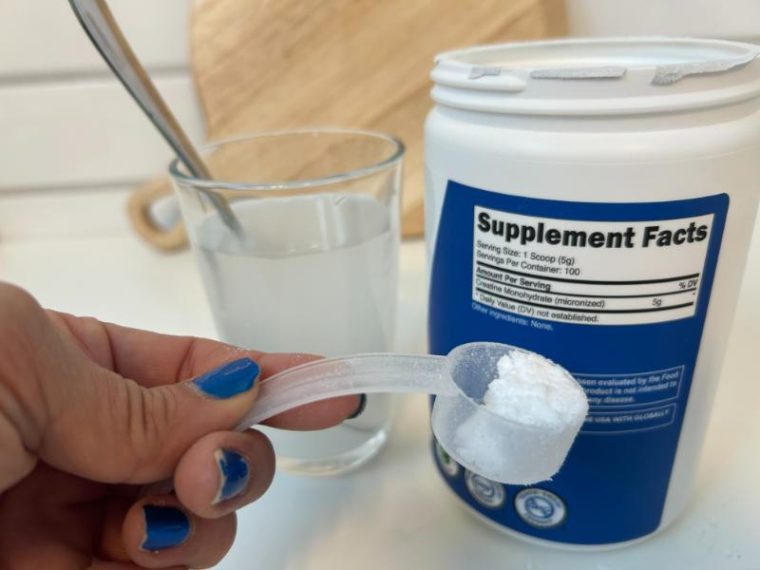
- Benefits of Optimal Hydration:
- Performance: Even mild dehydration can impair strength, endurance, and cognitive function.
- Digestion and Nutrient Absorption: Facilitates the breakdown and absorption of food.
- Waste Elimination: Helps kidneys flush out toxins.
- Joint Health: Lubricates joints and cushions tissues.
- Overall Well-being: Impacts mood, energy levels, and skin health.
- Actionable Advice:
- General Goal: Aim for at least 8-10 glasses (2-3 liters) of water daily. Increase intake significantly during and after exercise, or in hot climates.
- Monitor Urine Color: Light yellow indicates good hydration; dark yellow means you need more water.
- Electrolytes: If you’re sweating heavily during long or intense workouts, consider adding electrolytes to your water to replenish lost minerals.
Mindful Eating and Portion Control
Beyond macros and hydration, how you approach your meals is equally important.
- Awareness and Listening to Hunger Cues: Slow down. Pay attention to your body’s signals of hunger and fullness. Eat when you’re truly hungry, and stop when you’re comfortably satisfied, not stuffed.
- Avoiding Restrictive Diets: Extreme diets are rarely sustainable and often lead to nutrient deficiencies or rebound weight gain. Focus on whole, unprocessed foods, and allow for occasional treats in moderation. A balanced approach fosters a healthier, more positive relationship with food.
- Practical Tip: "Use your hand as a simple guide for portion sizes: a palm-sized portion of protein, a cupped hand of carbs, a thumb-sized portion of fats, and plenty of vegetables to fill the rest of your plate."
Rest, Rejuvenation, and Resilience: The Art of Recovery
The gym is where you break your body down; recovery is where it rebuilds stronger. Neglecting recovery is like planting a seed but forgetting to water it – you won’t see growth. It’s a non-negotiable component of any effective fitness plan.
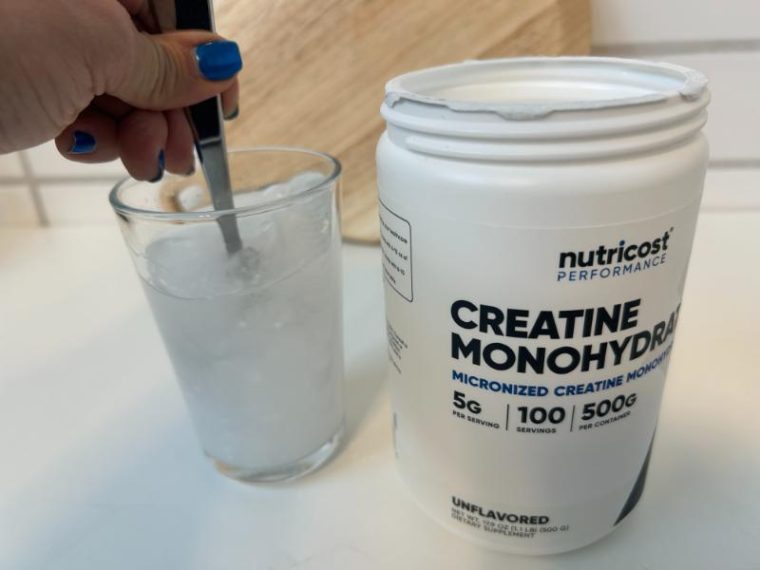
The Golden Hour: Prioritizing Sleep
Sleep isn’t merely rest; it’s an active period of repair and regeneration crucial for both physical and mental performance.
- Unlocking Your Body’s Repair Mechanisms:
- Muscle Repair and Growth: During deep sleep, your body releases growth hormone, essential for muscle tissue repair and synthesis.
- Hormonal Regulation: Sleep impacts hormones like ghrelin (hunger), leptin (satiety), cortisol (stress), and insulin sensitivity. Poor sleep can disrupt these, leading to increased cravings and fat storage.
- Mental Clarity and Cognitive Function: Essential for focus, decision-making, and emotional regulation, all of which impact your workout performance and adherence.
- Practical Tips for Better Sleep Hygiene:
- Consistency: Go to bed and wake up around the same time each day, even on weekends.
- Create a Routine: Develop a relaxing pre-sleep routine (e.g., reading, warm bath, meditation).
- Optimize Your Environment: Keep your bedroom dark, cool, and quiet.
- Limit Stimulants: Avoid caffeine and heavy meals close to bedtime.
- Screen Time: Reduce exposure to blue light from screens at least an hour before sleep.
- Goal: Aim for 7-9 hours of quality sleep per night.
Active Recovery and Stress Management
Beyond sleep, incorporating active recovery and managing daily stress can significantly enhance your body’s ability to bounce back.
- Active Recovery: Light activities that promote blood flow without adding significant stress to your muscles.
- Examples: Brisk walking, light cycling, swimming, gentle yoga, stretching.
- Benefits: Helps flush out metabolic waste, reduces muscle soreness, and improves flexibility.
- Practical Tip: "On rest days, instead of being completely sedentary, go for a leisurely walk or do a light stretching session. It will make you feel refreshed, not fatigued."
- Stress Management: Chronic stress elevates cortisol levels, which can hinder recovery, impair muscle growth, and promote fat storage.
- Techniques: Meditation, deep breathing exercises, spending time in nature, journaling, hobbies.
- Impact: Reduces inflammation, improves hormonal balance, and enhances mental resilience.
Listening to Your Body
This is perhaps the most crucial recovery skill. Your body provides constant feedback; learning to interpret it is vital for long-term success and injury prevention.
- Avoiding Overtraining: Persistent fatigue, decreased performance, increased irritability, prolonged muscle soreness, and disrupted sleep are all signs you might be overtraining.
- Knowing When to Rest: Don’t be afraid to take an extra rest day or modify a workout if your body is signaling that it needs it. Pushing through pain or extreme fatigue often leads to injury or burnout.
- Preventing Injury: Pay attention to minor aches and pains. Address them with rest, mobility work, or professional help before they escalate into serious injuries that derail your progress for weeks or months.
Building Your Fitness Ecosystem: Support and Consistency
Fitness is rarely a solitary endeavor. Creating an environment that supports your goals and maintaining unwavering consistency are the final pieces of this sustainable blueprint.

Tracking Progress and Adjusting Course
What gets measured, gets managed. Tracking your progress provides invaluable feedback, boosts motivation, and allows you to make informed adjustments.
- Beyond the Scale: While weight can be a metric, it doesn’t tell the whole story.
- Workout Journal: Record exercises, sets, reps, weight lifted, and even how you felt.
- Body Metrics: Take progress photos, measure body circumference (waist, hips, arms), and consider body fat percentage tracking.
- Performance Metrics: Track your running pace, how many push-ups you can do, or the duration of your planks.
- Non-Scale Victories: Notice increased energy, better sleep, clothes fitting differently, improved mood. These are often the most powerful indicators of success.
- Adjusting Course: Review your progress regularly (e.g., monthly). Are you hitting plateaus? Are you feeling overly fatigued? Don’t be afraid to tweak your routine, nutrition, or recovery strategies. Fitness is a dynamic process.
Seeking Professional Guidance
Even intermediate enthusiasts can benefit immensely from expert input.
- Certified Personal Trainers (CPTs): Can design personalized programs, correct form, and help you safely progress. Essential for mastering complex movements and preventing injury.
- Registered Dietitians (RDs): Can provide tailored nutrition plans, address specific dietary needs, and help you develop a healthy relationship with food.
- Physical Therapists: If you have persistent aches or past injuries, a PT can help you build strength and mobility safely.
- The Value: Investing in professional guidance can accelerate your progress, prevent costly mistakes, and provide accountability.
Finding Your Community
Having a support system can make all the difference in staying motivated and consistent.
- Accountability Partners: A friend, family member, or colleague who shares similar goals. Check in with each other, celebrate successes, and offer encouragement during challenges.
- Group Classes: Spin classes, yoga studios, boot camps, or martial arts offer a sense of camaraderie, expert instruction, and a fun way to stay active.
- Online Communities: Connect with like-minded individuals through forums or social media groups for inspiration and shared experiences.
- Shared Journey: Knowing you’re not alone in your efforts can provide a powerful boost, especially on days when motivation is low.
Conclusion
You now hold the blueprint to forge a fitness future that is not only strong and vibrant but also sustainable and deeply rewarding. Remember, this isn’t about achieving perfection or conforming to fleeting trends; it’s about embracing a holistic journey of continuous improvement, guided by patience, persistence, and self-awareness.
Start with your mindset, defining your true "why" and celebrating every step of progress, no matter how small. Build your physical prowess through intelligent strength training, invigorating cardiovascular work, and diligent flexibility and mobility. Fuel your body with nutrient-dense foods and unwavering hydration, understanding that your plate is as vital as your workout plan. And finally, honor your body’s need for rest and rejuvenation, recognizing that recovery is where true strength is built.
Your fitness journey is uniquely yours. There will be good days and challenging days, but by committing to these foundational principles, you equip yourself with the tools to navigate them all. Embrace the process, listen to your body, and trust in your inherent capacity for growth. The strength, vitality, and resilience you build today will serve you for a lifetime. Step forward with confidence, for your strongest, healthiest self is not a destination, but a magnificent journey in the making.