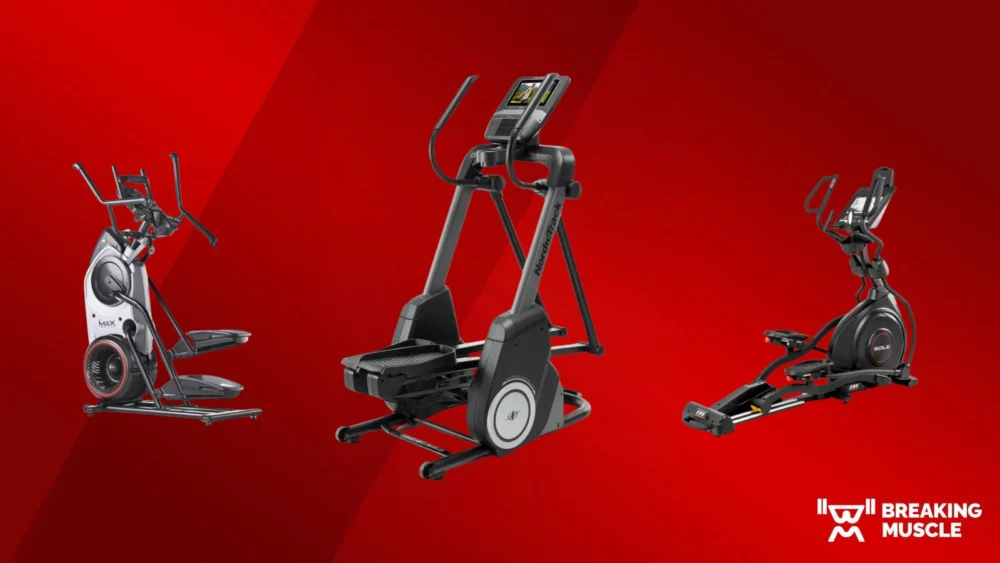
In a world that constantly demands our attention and time, carving out moments for personal well-being can feel like an uphill battle. Yet, the pursuit of health is a journey, not a destination, and finding effective, accessible ways to move your body is paramount. For many, the dream of a consistent fitness routine begins at home, free from gym commutes or intimidating crowds. This is where the elliptical trainer emerges as a champion—a versatile, low-impact cardio machine that offers a profound path to holistic fitness.
More than just a piece of equipment, an elliptical can become a cornerstone of your home wellness sanctuary. It promises a dynamic, full-body workout that respects your joints while challenging your cardiovascular system and engaging a wide array of muscles. Whether you’re taking your first steps toward a healthier lifestyle or seeking to elevate an established routine, understanding how to harness the full potential of your elliptical is key. This comprehensive guide will illuminate the myriad benefits of elliptical training, walk you through the essential considerations for choosing the right machine, and equip you with practical strategies to craft impactful workouts that transform your body and mind, all from the comfort of your own space.
The Unrivaled Benefits of Elliptical Training for Home Fitness
The elliptical machine, often celebrated for its smooth, gliding motion, offers a treasure trove of advantages that make it an exceptional choice for anyone committed to improving their fitness at home. Its design thoughtfully blends efficiency with effectiveness, making every minute of your workout count.
Low-Impact, High-Reward Cardio
One of the most compelling benefits of elliptical training is its low-impact nature. Unlike running or jogging, where your feet repeatedly strike the ground, an elliptical keeps your feet in constant contact with the pedals. This eliminates the harsh impact on your knees, hips, ankles, and spine, significantly reducing the risk of injury and making it an ideal option for:
- Individuals with joint sensitivities: Those recovering from injuries or managing conditions like arthritis can enjoy vigorous cardio without exacerbating pain.
- Beginners: It provides a gentle entry point into cardio, allowing the body to adapt without undue stress.
- Active recovery: Offers a fantastic way to maintain cardiovascular fitness on days when your body needs a break from high-impact activities.
The result is a high-reward cardio session that elevates your heart rate, burns calories efficiently, and builds endurance, all while preserving the structural integrity of your joints.
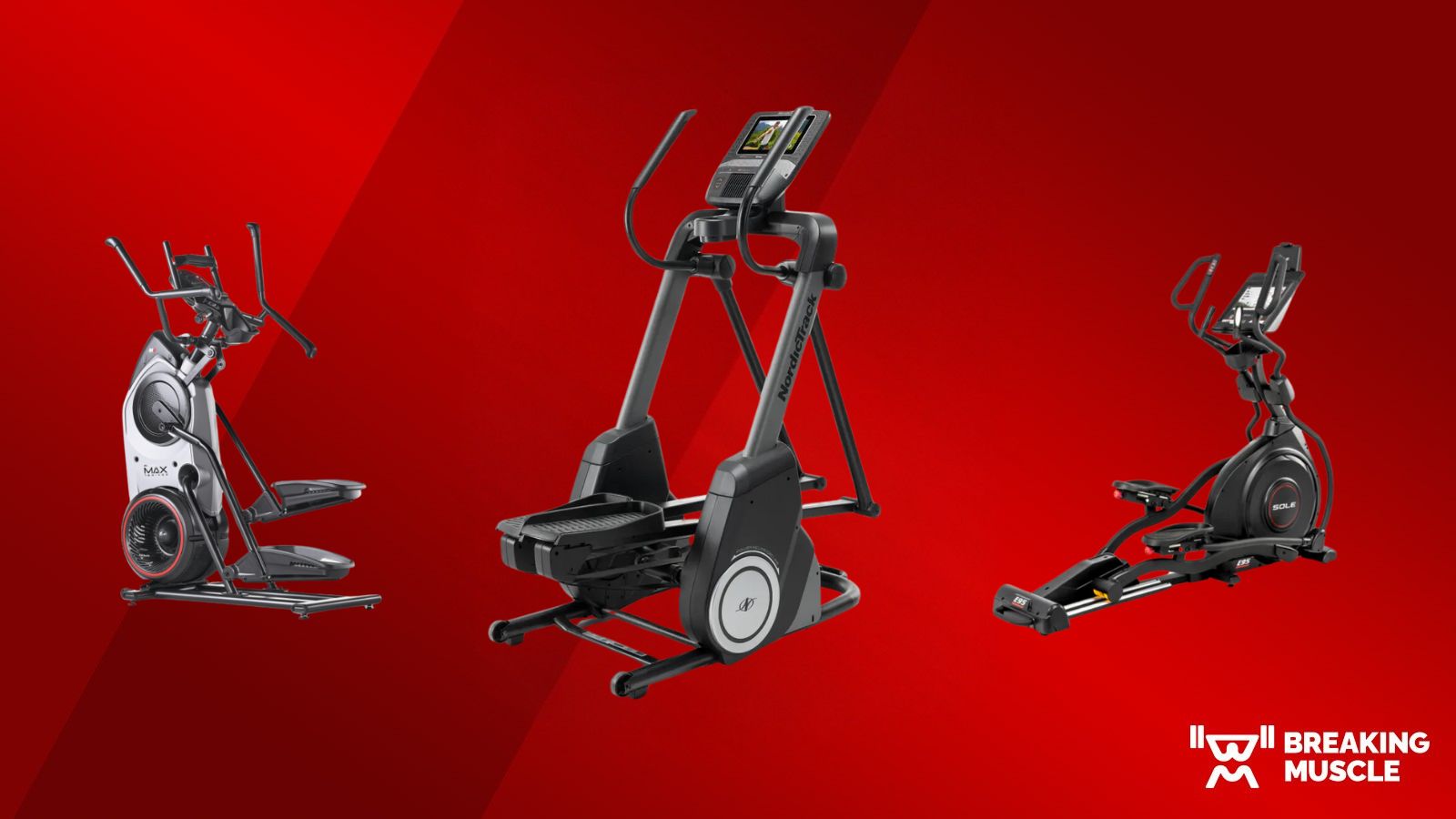
Full-Body Engagement: More Than Just Legs
What truly sets the elliptical apart from many other cardio machines is its capacity for a complete full-body workout. The synchronized movement of its foot pedals and handlebars ensures that both your upper and lower body are actively engaged.
- Lower Body: Your glutes, quadriceps, hamstrings, and calves work tirelessly to power the pedal motion, building strength and endurance in your legs.
- Upper Body: Pushing and pulling the moving handlebars activates your biceps, triceps, shoulders, and back muscles.
- Core Stability: Maintaining balance and proper posture throughout the motion naturally engages your core muscles, contributing to improved stability and a stronger midsection.
This comprehensive muscle activation means you’re burning more calories and building balanced strength across your entire physique, making it a highly efficient use of your workout time.
Cardiovascular Health Powerhouse
Regular elliptical training is a potent tool for strengthening your most vital organ: your heart. Consistent cardio workouts on an elliptical contribute significantly to:
- Improved Heart Health: It helps lower blood pressure, reduce cholesterol levels, and enhance overall cardiovascular efficiency.
- Increased Endurance and Stamina: You’ll notice everyday tasks, like climbing stairs or carrying groceries, become easier.
- Efficient Calorie Burning: By engaging multiple large muscle groups, ellipticals are excellent for creating a calorie deficit, which is fundamental for weight management and fat loss.
Imagine feeling less winded, having more energy throughout your day, and knowing you’re actively investing in a healthier future—that’s the power of consistent elliptical cardio.
Versatility and Adaptability for Every Goal
The beauty of the elliptical lies in its inherent adaptability. It’s not a one-speed, one-intensity machine; it’s a dynamic training partner that can evolve with your fitness journey.
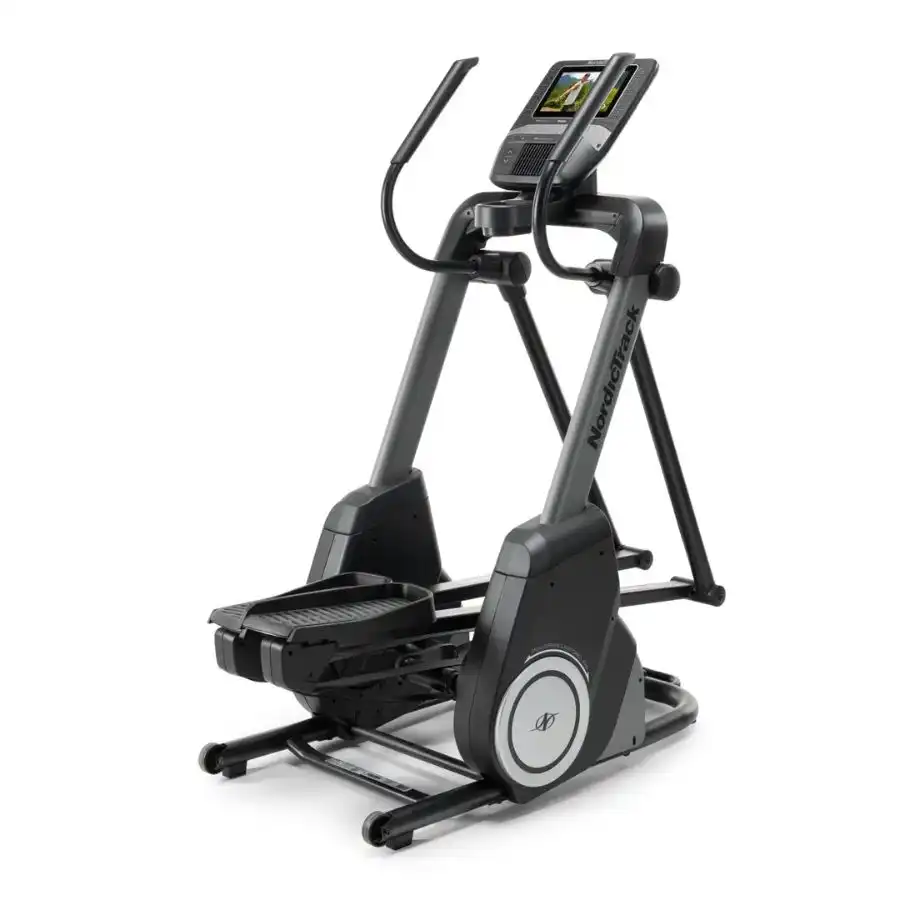
- Adjustable Resistance: Easily increase or decrease the resistance to challenge your muscles, shifting from a light warm-up to a strenuous climb.
- Variable Incline: Many ellipticals offer adjustable incline, allowing you to target different muscle groups in your legs and glutes, simulating uphill climbs for greater intensity.
- Diverse Workout Styles: From steady-state cardio to high-intensity interval training (HIIT) or active recovery, the elliptical accommodates a wide range of workout protocols.
This versatility means your workouts never have to become stagnant, keeping you engaged and continually progressing towards new fitness milestones.
Mental Wellness Boost: Exercise as Therapy
Beyond the physical transformations, elliptical training offers profound benefits for your mental and emotional well-being. The rhythmic, repetitive motion can be incredibly meditative, providing a much-needed escape from daily stressors.
- Stress Reduction: Exercise releases endorphins, natural mood elevators that can help reduce feelings of stress and anxiety.
- Improved Mood and Sleep: Regular physical activity is linked to better sleep quality and a more positive outlook on life.
- Enhanced Consistency: The convenience of having an elliptical at home removes barriers to exercise, making it easier to maintain a consistent routine, which in turn boosts confidence and discipline.
Your elliptical isn’t just a fitness tool; it’s an investment in your mental clarity, resilience, and overall happiness.
Demystifying Your Elliptical: Key Features to Consider for Your Home Gym
Choosing the right elliptical for your home can feel overwhelming with the array of options available. Instead of focusing on specific brands, understanding the core features and how they impact your experience will empower you to make an informed decision that aligns with your needs, space, and budget.
Stride Length: Finding Your Natural Flow
The stride length is arguably the most crucial factor for a comfortable and effective workout. It refers to how far apart the pedals move from one another during operation.
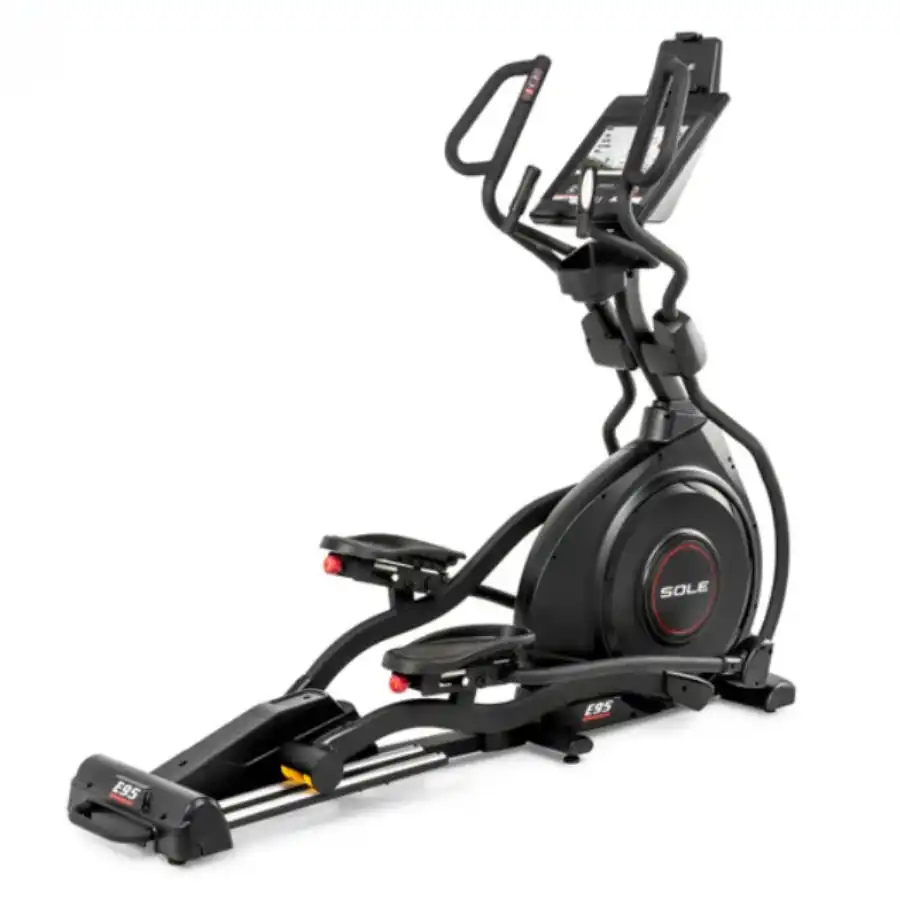
- Importance: A stride length that feels too short will make your movement feel cramped and unnatural, like shuffling. One that’s too long might feel like overstretching. The goal is a smooth, natural gait that mimics running or walking.
- Typical Ranges: Most standard ellipticals offer a stride length between 18 to 20 inches, which suits the majority of users. Taller individuals (over 6 feet) might prefer 20-22 inches, while shorter users might find 16-18 inches more comfortable.
- Actionable Advice: If possible, "test drive" different stride lengths. If buying online, check user reviews from people of similar height. Some advanced ellipticals even offer adjustable stride lengths, providing maximum flexibility.
Resistance Systems: The Core of Your Challenge
Resistance is what makes your workout challenging and allows for progressive overload. Ellipticals typically use one of three main resistance systems:
- Magnetic Resistance: The most common type, using magnets to create resistance against a flywheel. It’s quiet, smooth, and low maintenance. Most home ellipticals fall into this category.
- Electromagnetic Resistance (ECB): A more advanced form of magnetic resistance, offering precise control and often found in higher-end models. It’s extremely smooth and quiet.
- Air Resistance: Uses a fan to create resistance. Can be noisier and less smooth, but often found in more affordable or specialized fitness machines.
Look for a machine with a sufficient range of resistance levels (e.g., 16-24 levels) to ensure you can continually challenge yourself as your fitness improves.
Flywheel Weight: The Engine of Smoothness
The flywheel is the weighted disc inside your elliptical that generates momentum and creates the smooth, continuous motion you feel.
- Impact: A heavier flywheel (typically 15-30+ pounds) generally translates to a smoother, more stable, and more natural-feeling stride. It helps maintain momentum, reducing jerky movements, which is better for your joints and overall experience.
- Consideration: Lighter flywheels can feel choppier, especially at higher speeds or resistance levels. While lighter flywheels might mean a lighter, more portable machine, prioritize a heavier flywheel for a superior workout feel if stability and smoothness are important to you.
Incline Options: Adding New Dimensions to Your Workout
While not universal, an adjustable incline feature can significantly enhance your elliptical workouts.
- Function: Incline changes the angle of your stride, mimicking walking or climbing uphill. This shifts muscle activation, primarily targeting your glutes and hamstrings more intensely.
- Benefits: It adds variety, prevents plateaus, and allows for more targeted lower-body sculpting. If you’re looking to maximize glute and hamstring engagement, an incline feature is a valuable addition.
Ergonomics and Comfort: A Foundation for Consistency
Comfort is key to consistency. If a machine is uncomfortable, you won’t use it.
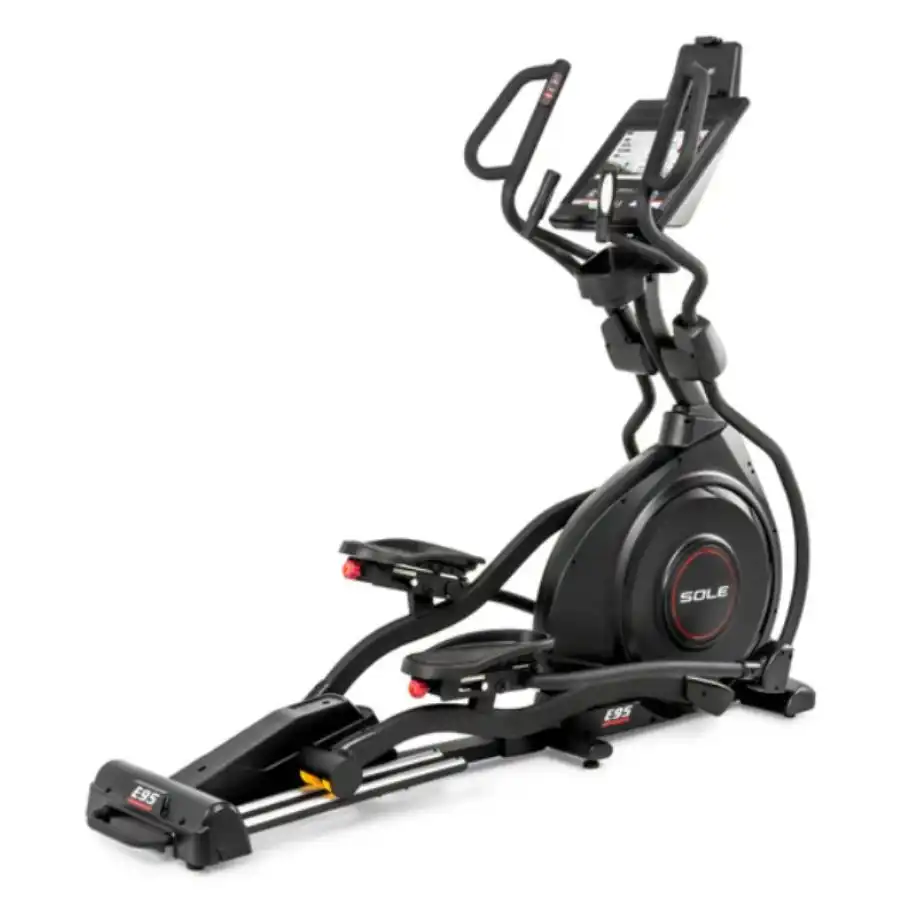
- Pedal Design: Look for oversized, cushioned pedals that accommodate different foot sizes. Some pedals even have a slight inward tilt or adjustability to support natural ankle and knee alignment.
- Handlebars: Ensure both fixed and moving handlebars are comfortable to grip and positioned appropriately for your height. Multi-grip handles offer more versatility for targeting different upper body muscles.
- Console Placement: The console should be at eye level, easy to read, and intuitive to operate without breaking your stride.
Footprint and Portability: Making Space for Fitness
Home gyms often contend with space limitations. Consider the physical dimensions of the elliptical.
- Measure Your Space: Before anything else, measure the area where you intend to place the machine, including clearance around it.
- Compact Designs: Some ellipticals are designed with smaller footprints, while others offer folding capabilities for easier storage.
- Transport Wheels: Even if you don’t plan to fold it, transport wheels are incredibly helpful for moving the machine for cleaning or repositioning.
Smart Features and Connectivity: Enhancing Your Experience
Modern ellipticals often come loaded with technology designed to motivate and track your progress.
- Built-in Programs: Pre-programmed workouts can add variety, challenge, and structure to your routine.
- Heart Rate Monitoring: Hand-grip sensors or wireless chest strap compatibility allow you to train within target heart rate zones.
- App Integration: Many machines connect to fitness apps via Bluetooth, offering guided workouts, progress tracking, and virtual scenic routes.
- Entertainment: Tablet holders, USB charging ports, and integrated speakers can make longer workouts more enjoyable. Decide which "smart" features are essential for your motivation.
Build Quality and User Weight Capacity
A sturdy machine is a safe and durable machine.
- Frame Construction: Look for heavy-gauge steel frames that indicate durability and stability. A machine that wobbles during use is not only distracting but potentially unsafe.
- User Weight Capacity: Always check the maximum user weight capacity. Choosing a machine that comfortably exceeds your weight ensures greater stability and longevity.
Crafting Your Elliptical Workout: From Beginner Strides to Intermediate Challenges
Once you’ve chosen your elliptical, the real journey begins: transforming it into a powerful tool for your fitness goals. Here’s how to move from foundational movements to dynamic, challenging routines.
Mastering the Fundamentals: Proper Form and Technique
Good form is the bedrock of effective and injury-free elliptical training.
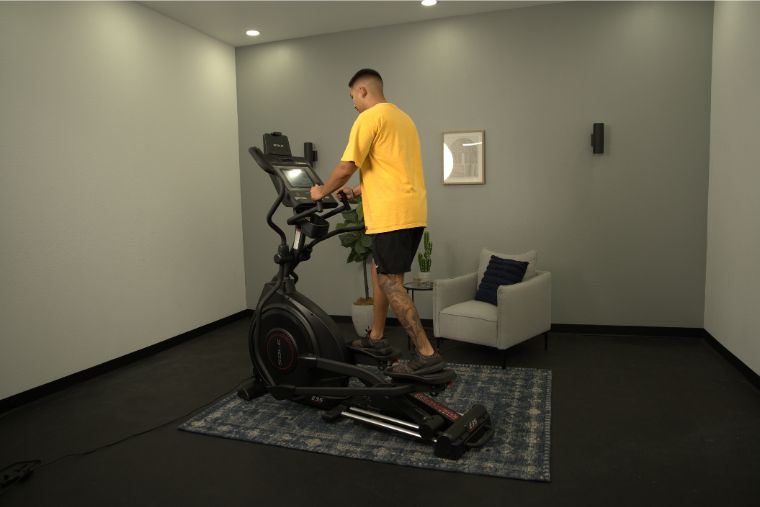
- Stand Tall, Engage Core: Maintain an upright posture with your shoulders relaxed and back. Avoid hunching over the console. Lightly engage your abdominal muscles to support your spine.
- Even Pressure on Pedals: Distribute your weight evenly through your heels and the balls of your feet. Avoid putting all your weight on your toes or allowing your heels to lift excessively.
- Synchronize Movements: Allow your arms and legs to move in a natural, coordinated rhythm. The moving handlebars should complement your leg movements, not pull or push you.
- Avoid Leaning on Handles: While the handles are there for balance and upper body engagement, avoid leaning heavily on them, as this reduces lower body and core activation. Use them to assist, not support.
- Gaze Forward: Look straight ahead, not down at your feet, to maintain proper neck and spine alignment.
Beginner’s Blueprint: Your First Steps to Elliptical Success
If you’re new to fitness or returning after a break, start slowly and focus on building consistency.
- Warm-up (5 minutes): Begin with light pedaling at a very low resistance and comfortable pace.
- Steady-State Cardio (15-20 minutes): Maintain a moderate intensity where you can hold a conversation but are slightly breathless. Keep resistance at a level that feels challenging but sustainable.
- Cool-down (5 minutes): Gradually reduce your speed and resistance to a very easy pace. Follow with some gentle stretches for your legs and chest.
- Frequency: Aim for 3 sessions per week on non-consecutive days.
- Goal: Build foundational cardiovascular endurance and familiarize yourself with the machine. Gradually increase duration by 2-5 minutes per week as comfort allows.
Real-Life Example: Sarah, a new mom, started with three 20-minute sessions per week. After a month, she could comfortably do 30 minutes, feeling more energetic and less fatigued during her busy days.
Elevating Your Routine: Intermediate Strategies for Progress
Once you’ve built a solid base, it’s time to introduce new challenges to continue progressing.
-
High-Intensity Interval Training (HIIT): This powerful technique involves alternating short bursts of intense effort with periods of active recovery.
- Warm-up: 5-7 minutes light pedaling.
- Work Interval: 30-60 seconds of high resistance and/or speed, pushing your effort to 80-90% of your maximum. You should be breathless.
- Rest Interval: 60-90 seconds of low resistance and moderate speed, allowing your heart rate to recover.
- Repeat: Cycle through 5-8 work/rest intervals.
- Cool-down: 5 minutes light pedaling, followed by stretching.
- Benefit: HIIT is excellent for boosting metabolism, improving endurance, and burning calories in a shorter timeframe.
-
Resistance Progression: Don’t be afraid to incrementally increase the resistance. Aim to make your workouts feel slightly more challenging over time.
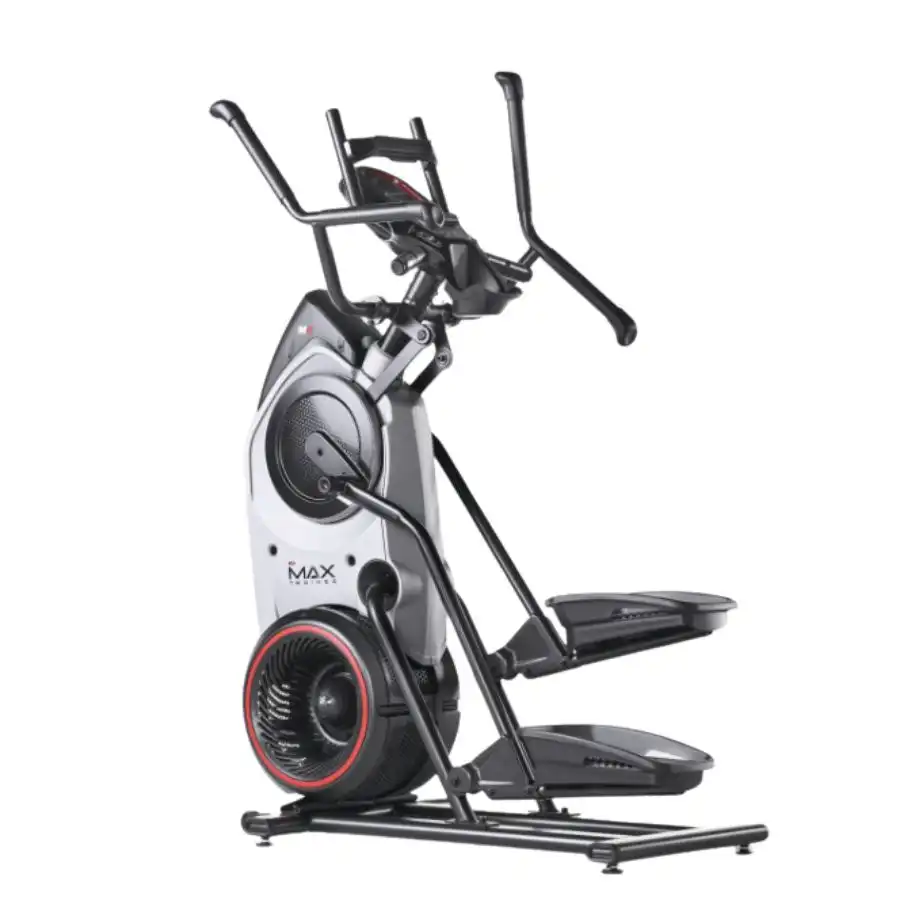
- Strategy: Once a particular resistance level feels too easy, bump it up by one or two levels for your next session. Focus on maintaining good form.
-
Incline Variation (if applicable): Utilize your elliptical’s incline feature to target different muscle groups.
- Example: Incorporate 5-minute segments at a higher incline to really feel it in your glutes and hamstrings, then return to a flatter setting. This mimics hill training.
-
Backward Pedaling: Occasionally incorporate backward pedaling into your routine.
- Benefits: This engages your hamstrings and glutes differently than forward motion, offering a unique muscular challenge.
- Strategy: Try 2-3 minute bursts of backward pedaling during your main workout, focusing on controlled movements.
-
Workout Structure Example (Intermediate):
- Warm-up: 5 minutes light pedaling.
- Main Set (30-40 minutes):
- 5 minutes moderate resistance/speed.
- 3 minutes high resistance/incline (challenge phase).
- 2 minutes moderate resistance/speed (recovery phase).
- Repeat this 10-minute block 3-4 times.
- Include 1-2 minutes of backward pedaling within one of the moderate phases.
- Cool-down: 5 minutes light pedaling, dynamic and static stretching.
- Frequency: 4-5 times per week, varying between steady-state and HIIT sessions.
Listening to Your Body: Preventing Overtraining and Injury
Progression is vital, but so is recovery. Always listen to your body.
- Rest Days: Incorporate 1-2 full rest days per week, or active recovery days with light activities like walking or stretching.
- Hydration and Nutrition: Fuel your body with plenty of water and a balanced diet to support recovery and energy levels.
- Recognize Signals: Pay attention to persistent fatigue, muscle soreness that doesn’t subside, or any pain during your workout. These are signs you might need more rest or to adjust your intensity.
- Gradual Progression: Avoid sudden, drastic increases in intensity or duration. Small, consistent improvements are more sustainable and safer.
Maximizing Your Elliptical Experience: Beyond the Basics
To truly make your elliptical an integral part of your lifestyle, consider these additional strategies that foster long-term adherence and enjoyment.
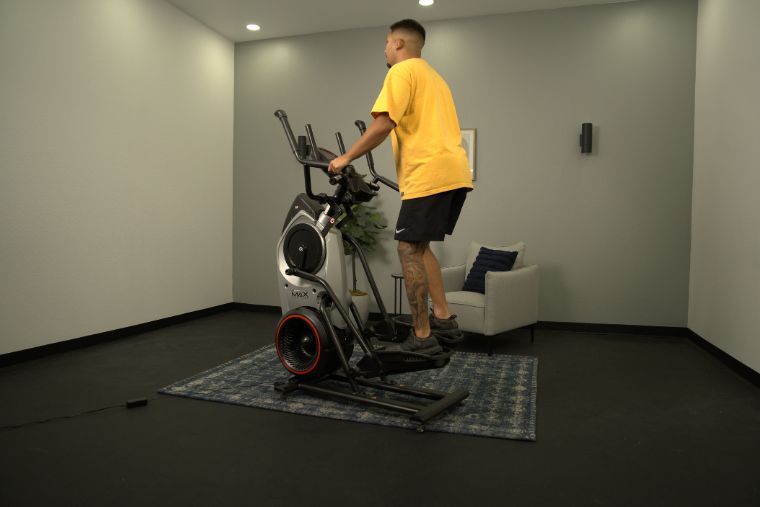
Setting Realistic Goals
A journey without a destination lacks direction. Define what you want to achieve with your elliptical training.
- SMART Goals: Make your goals Specific, Measurable, Achievable, Relevant, and Time-bound. Instead of "I want to get fit," try "I will complete three 30-minute elliptical workouts per week for the next two months to improve my cardiovascular endurance."
- Focus on Consistency: Initially, prioritize simply showing up. Consistency is the most powerful habit in fitness.
- Non-Scale Victories: Celebrate improved energy levels, better sleep, reduced stress, and increased stamina for daily activities. These often come before visible physical changes and are equally important motivators.
Fueling Your Workouts
What you put into your body directly impacts what you get out of your workouts.
- Balanced Diet: Emphasize whole, unprocessed foods, including lean proteins, complex carbohydrates, healthy fats, and plenty of fruits and vegetables.
- Pre-Workout Nutrition: A small, easily digestible snack (e.g., a banana or a slice of toast) 30-60 minutes before your workout can provide sustained energy.
- Post-Workout Recovery: Replenish with protein and carbohydrates within an hour after your workout to aid muscle repair and recovery.
- Hydration: Drink water consistently throughout the day, not just during your workout. Proper hydration is crucial for performance and recovery.
Tracking Your Progress
Monitoring your journey can be incredibly motivating and helps you adjust your strategy.
- Machine Console: Utilize your elliptical’s display to track metrics like distance, time, calories burned, and heart rate.
- Fitness Apps/Trackers: Sync your elliptical data with a fitness app or wearable tracker to consolidate your progress.
- Workout Journal: A simple notebook can be powerful. Jot down your workout duration, resistance levels, incline settings, and how you felt. Over time, you’ll see a clear picture of your improvement.
- Celebrate Milestones: Acknowledge your progress, no matter how small. Reaching a new distance record or sustaining a higher resistance for longer are significant achievements.
Creating an Inviting Home Workout Space
Your environment profoundly influences your motivation. Make your workout area somewhere you want to be.
- Comfortable Surroundings: Ensure good ventilation, adequate lighting, and a clutter-free space.
- Entertainment: Set up a tablet or TV for streaming shows, podcasts, or virtual scenic routes. Curate a motivating playlist.
- Accessibility: Keep your workout gear (towel, water bottle, headphones) easily accessible near your elliptical.
- Personal Touches: Add plants, inspiring quotes, or photos that motivate you to move and feel good.
Common Questions About Elliptical Training
It’s natural to have questions as you integrate a new fitness routine into your life. Here are answers to some common inquiries about elliptical training.
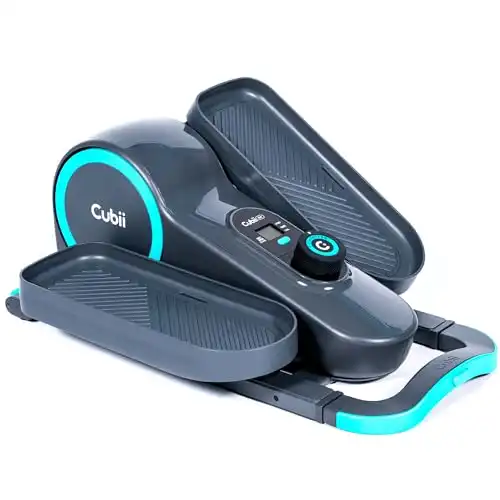
Elliptical vs. Treadmill: Which is Right for You?
Both are excellent cardio machines, but they cater to different needs:
- Elliptical: Ideal for low-impact, full-body workouts. It’s gentler on joints, engages the upper body, and is great for general fitness, rehabilitation, or those with joint concerns. It offers a more controlled movement and can be beneficial for balance.
- Treadmill: Best for simulating walking, jogging, and running. It’s weight-bearing, which is good for bone density, and excellent for training for specific running events. It primarily focuses on lower-body engagement.
Choose based on your joint health, fitness goals (e.g., marathon training vs. general cardio), and preference for full-body vs. lower-body focus.
Can an Elliptical Help with Weight Loss?
Absolutely! The elliptical is a highly effective tool for weight loss.
- Calorie Expenditure: It burns a significant number of calories by engaging multiple muscle groups. Creating a calorie deficit (burning more calories than you consume) is fundamental for fat loss.
- Consistency is Key: Regular, consistent elliptical workouts, combined with a balanced, calorie-controlled diet, will lead to sustainable weight loss.
- No Spot Reduction: Remember that you cannot "spot reduce" fat from specific areas like your belly. Elliptical training contributes to overall fat loss, which includes reducing belly fat over time.
Is the Elliptical a True Full-Body Workout?
Yes, unequivocally. The elliptical is renowned for its full-body benefits.
- Lower Body: Powers the pedal motion (glutes, quads, hamstrings, calves).
- Upper Body: Engages muscles as you push and pull the handlebars (biceps, triceps, shoulders, back).
- Core: Activates core muscles for stability and balance throughout the movement.
This comprehensive muscle activation makes it an incredibly efficient and effective machine for holistic fitness.
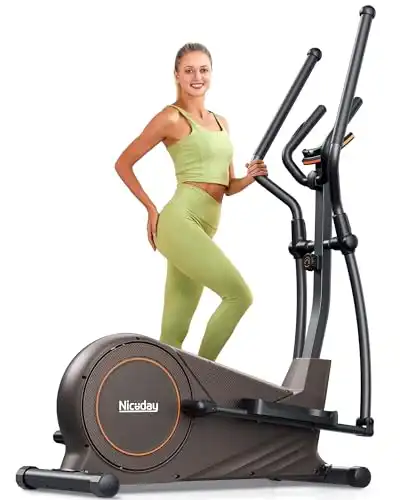
How Quickly Can I Expect to See Results?
The timeline for seeing results varies greatly depending on several factors:
- Goals: Are you aiming for weight loss, improved endurance, or muscle tone?
- Consistency and Intensity: More frequent and challenging workouts generally yield faster results.
- Diet and Lifestyle: Your nutrition, sleep, and overall activity level play a huge role.
- Starting Point: Beginners often see and feel changes more quickly than advanced individuals.
Generally, you might start feeling more energetic and stronger within a few weeks. Visible changes in physique or significant improvements in endurance typically take 6-12 weeks of consistent effort (3-5 times per week) combined with a healthy lifestyle. Focus on the journey and the non-scale victories—they often provide the most sustainable motivation.
The Journey to a Fitter You Starts Now
The elliptical machine is more than just a piece of fitness equipment; it’s an invitation to embark on a journey of self-improvement, health, and vitality. Its unique blend of low-impact, full-body engagement makes it an indispensable asset for anyone seeking effective cardio and strength building from the comfort of their home.
From the first gentle stride to the most challenging interval, your elliptical offers a consistent, adaptable platform to push your limits, strengthen your heart, sculpt your muscles, and uplift your spirit. Remember that consistency trumps intensity in the long run. Each workout, no matter how short or easy, is a step forward.
Embrace the rhythm, challenge yourself wisely, and listen to your body. With dedication and the right approach, your elliptical will not only transform your physical capabilities but also empower you with the resilience and energy to conquer all aspects of your life. The path to a healthier, more vibrant you is just a pedal away. Start gliding to greatness today!