
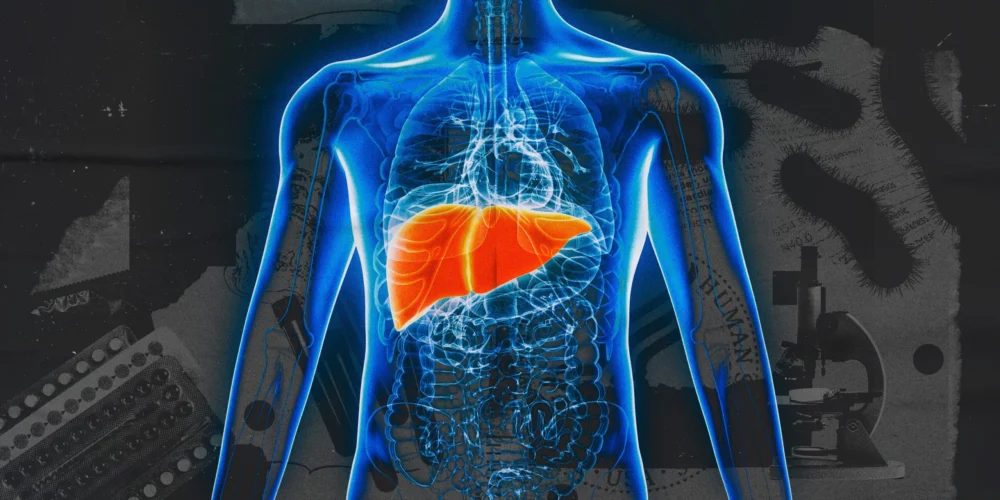
In the pursuit of a vibrant and fulfilling life, our health stands as the cornerstone of our well-being. For gay and bisexual men, navigating the landscape of sexual health is an integral part of this journey. While the focus often lands on immediate concerns, understanding and proactively addressing potential health challenges like viral hepatitis is crucial. This article aims to empower you with knowledge and actionable strategies, drawing from essential public health information, to safeguard your health and embrace a future free from the threat of hepatitis A, B, and C.
Understanding the Landscape: What is Viral Hepatitis?
Viral hepatitis refers to inflammation of the liver caused by a virus. The most common culprits are Hepatitis A, Hepatitis B, and Hepatitis C. While they all target the liver, their modes of transmission, symptoms, and long-term implications differ significantly. For gay and bisexual men, certain transmission routes make understanding these distinctions even more vital.
Hepatitis A: The Contagious Inflammator
Hepatitis A is primarily spread through the ingestion of even tiny amounts of the virus. This can occur through:
- Close personal contact: Including sexual contact with an infected individual.
- Contaminated food or drink: This highlights the importance of food safety and hygiene.
Symptoms of Hepatitis A:
- Fatigue
- Nausea and vomiting
- Abdominal pain, especially on the upper right side
- Loss of appetite
- Fever
- Dark urine
- Clay-colored stools
- Jaundice (yellowing of the skin and eyes)
Severity and Recovery: Hepatitis A infections can last from a few weeks to a few months. While most individuals recover fully without lasting liver damage, severe cases can lead to hospitalization and, in rare instances, can be fatal.
Treatment: Treatment for Hepatitis A focuses on managing symptoms. This typically involves rest, maintaining a balanced diet, and staying well-hydrated. In more severe cases, medical care in a hospital setting may be necessary.
Hepatitis B: The Persistent Threat
Hepatitis B is transmitted through exposure to infected blood or other bodily fluids. Key transmission routes include:
- Sexual contact: This is a significant pathway for transmission.
- Sharing needles or syringes: Particularly relevant for individuals who inject drugs.
Symptoms of Hepatitis B:
- Fatigue
- Poor appetite
- Stomach pain
- Nausea and vomiting
- Joint pain
- Jaundice
Severity and Chronic Implications: While many adults can clear the Hepatitis B virus from their system without intervention, a portion can develop chronic, lifelong infections. Chronic Hepatitis B poses a serious risk, potentially leading to long-term health issues such as liver damage, liver failure, and liver cancer.
Treatment: For chronic Hepatitis B, treatments are available to help slow down or delay liver damage and reduce the risk of developing liver cancer.
Hepatitis C: The Silent Stalker
Hepatitis C is also transmitted through exposure to infected blood. Similar to Hepatitis B, transmission can occur through:
- Sharing needles or syringes: A primary route of infection.
- Sexual contact: While less common than with Hepatitis B, it is still a possibility.
Symptoms of Hepatitis C:
- Fatigue
- Poor appetite
- Abdominal pain
- Nausea
- Jaundice
Severity and Long-Term Outlook: While some individuals can spontaneously clear Hepatitis C, the majority develop chronic infections. Chronic Hepatitis C can lead to significant liver damage, liver failure, and liver cancer.
Treatment: The good news is that highly effective, well-tolerated curative antiviral treatments are now available for Hepatitis C, offering a path to complete recovery.
Your Proactive Defense: Prevention Strategies
Understanding the risks is the first step; implementing effective prevention strategies is the next. For gay and bisexual men, taking control of your health involves a multi-faceted approach.
Vaccination: Your First Line of Defense
The most powerful tools in preventing Hepatitis A and Hepatitis B are vaccines. The Centers for Disease Control and Prevention (CDC) strongly recommends that all gay and bisexual men get vaccinated against both Hepatitis A and Hepatitis B. Despite these recommendations, vaccination rates among adults remain lower than they should be, leaving many unnecessarily vulnerable.
Key Vaccination Information:
- Hepatitis A and B Vaccines: These can be administered separately or as a convenient combination vaccine.
- Dosing Schedule: Typically, a series of 2 to 3 shots are required, depending on the specific vaccine used.
- Accessibility: If you’re unsure where to get vaccinated, resources like VaccineFinder can help you locate vaccination sites in your area.
Why is Vaccination So Important?
Vaccination offers a robust and reliable shield against these viral infections. By getting vaccinated, you not only protect yourself but also contribute to the broader community’s health by reducing the overall spread of these diseases. It’s a simple yet profoundly effective act of self-care and public health responsibility.
Preventing Hepatitis C: Where There’s No Vaccine, There’s Prudence
As there is currently no vaccine for Hepatitis C, prevention relies heavily on avoiding behaviors that can lead to transmission. This means being informed and making conscious choices to minimize risk.
Key Prevention Measures for Hepatitis C:
- Avoid Sharing Needles or Syringes: This is paramount. If you inject drugs, always use sterile, single-use needles and syringes. Never share equipment.
- Safe Sex Practices: While less common, Hepatitis C can be transmitted sexually. Consistent and correct use of condoms can help reduce the risk of transmission.
- Be Aware of Potential Exposures: If you suspect you may have been exposed to Hepatitis C, prompt testing and treatment are crucial. Early intervention can prevent serious complications and halt the spread of the virus.
Integrating Health into Your Lifestyle: Beyond Prevention
While vaccination and risk-reduction behaviors are critical, a holistic approach to health can further bolster your resilience. For beginners to intermediate fitness enthusiasts, incorporating healthy habits can not only improve your physical fitness but also support your overall well-being and immune system.
The Power of a Balanced Fitness Routine
A consistent and varied fitness routine can contribute to a stronger immune system, better stress management, and improved liver function.
Workout Tips for a Healthier You:
- Cardiovascular Exercise: Aim for at least 150 minutes of moderate-intensity aerobic activity or 75 minutes of vigorous-intensity activity per week. This could include brisk walking, jogging, cycling, swimming, or dancing.
- Real-life example: If you’re new to exercise, start with 30-minute walks three times a week and gradually increase the duration and intensity.
- Strength Training: Incorporate strength training exercises at least two days a week, targeting all major muscle groups. This can involve lifting weights, using resistance bands, or performing bodyweight exercises.
- Actionable advice: Focus on compound movements like squats, lunges, push-ups, and rows. These exercises work multiple muscle groups simultaneously, offering maximum benefit.
- Flexibility and Mobility: Don’t neglect stretching and mobility work. Regular stretching can improve your range of motion, reduce the risk of injury, and alleviate muscle soreness.
- Practical tip: Dedicate 5-10 minutes after each workout to static stretching, holding each stretch for 30 seconds.
- Listen to Your Body: It’s essential to pay attention to your body’s signals. Rest when you need to, and don’t push yourself too hard, especially when starting a new routine. Overtraining can weaken your immune system.
Nourishing Your Body: The Role of Diet
A nutrient-rich diet is fundamental for a healthy liver and a robust immune system.
Dietary Recommendations:
- Focus on Whole Foods: Emphasize fruits, vegetables, lean proteins, and whole grains. These provide essential vitamins, minerals, and antioxidants.
- Healthy Fats: Include sources of healthy fats like avocados, nuts, seeds, and olive oil.
- Limit Processed Foods: Minimize your intake of sugary drinks, processed snacks, and excessive saturated and trans fats, which can strain your liver.
- Stay Hydrated: Drink plenty of water throughout the day. Proper hydration is crucial for all bodily functions, including liver health.
Stress Management: A Vital Component
Chronic stress can negatively impact your immune system and overall health. Finding healthy ways to manage stress is therefore an important part of a proactive health strategy.
Stress-Busting Techniques:
- Mindfulness and Meditation: Even a few minutes of daily meditation can make a significant difference.
- Yoga and Tai Chi: These practices combine physical movement with mindful breathing and relaxation.
- Spending Time in Nature: Getting outdoors can be incredibly restorative.
- Engaging in Hobbies: Pursuing activities you enjoy can be a great way to de-stress.
Real-Life Impact: Making Informed Choices
Understanding the statistics and recommendations is one thing; seeing how they apply in everyday life is another.
Scenario: Imagine two friends, Alex and Ben, both gay men in their late 20s.
- Alex has been diligent about his health. He received the Hepatitis A and B vaccines in his early 20s and regularly practices safe sex. He also incorporates a balanced fitness routine into his week and eats a diet rich in whole foods. When he learned about the importance of Hepatitis C prevention, he made sure to never share needles and discussed safe sex practices openly with his partners.
- Ben, on the other hand, hasn’t prioritized vaccination and has been less consistent with safe sex practices. He also struggles with maintaining a healthy lifestyle, often relying on processed foods and rarely exercising.
In this scenario, Alex has significantly reduced his risk of contracting Hepatitis A and B due to vaccination and has taken steps to minimize his risk of Hepatitis C. Ben, by not taking these preventative measures, is at a much higher risk of contracting these viruses, which could have serious long-term health consequences. This hypothetical situation underscores the profound impact of proactive health decisions.
Your Health, Your Power
Navigating your health journey as a gay or bisexual man is about empowerment. It’s about being informed, making conscious choices, and prioritizing your well-being. The information regarding viral hepatitis prevention is not a cause for alarm, but rather a call to action – a powerful reminder that you hold the keys to safeguarding your health.
Embrace vaccination as your shield against Hepatitis A and B. Practice informed risk reduction to protect yourself from Hepatitis C. Integrate a balanced fitness routine and a nourishing diet into your life to support your body’s natural defenses. And remember to manage stress, for a healthy mind is as crucial as a healthy body.
Your commitment to your health is an investment in your future – a future filled with vitality, joy, and the freedom to live life to its fullest. Take charge, stay informed, and let your proactive approach to health be your greatest strength. You deserve to live a healthy and vibrant life.