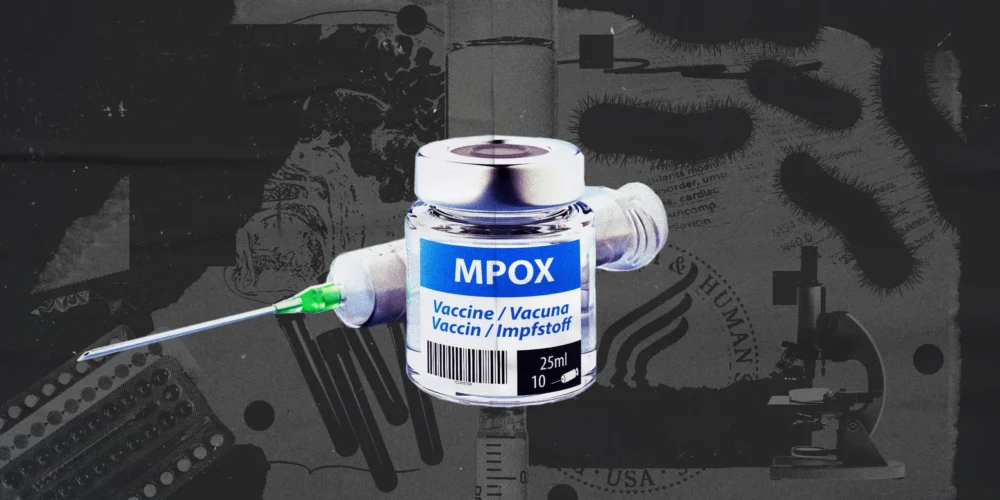
In today’s interconnected world, staying informed about potential health threats is paramount. While the headlines often focus on immediate crises, a proactive approach to well-being involves understanding emerging risks and building personal resilience. This article delves into a crucial aspect of public health preparedness, focusing on insights from modeling studies that examine the potential impact of Clade 1 Mpox within specific communities in the United States. Our goal is to empower you with knowledge, not to instill fear, and to highlight the power of informed choices in safeguarding your health.
The Evolving Landscape of Mpox: Clade I and Its Implications
Mpox, a viral disease, has seen different clades or strains emerge and circulate. While the 2022 outbreak primarily involved Clade II, the emergence of Clade I in regions like the Democratic Republic of Congo (DRC) has prompted scientific inquiry into its potential transmissibility and impact should it be introduced into new populations. Understanding these dynamics is not about alarmism; it’s about responsible preparedness.
What is Clade I Mpox?
Clade I Mpox, historically, has been associated with more severe disease and higher transmissibility in close-contact settings compared to Clade II. Recent outbreaks in the DRC, particularly in mining regions, have shown transmission occurring through various routes, including household, zoonotic, and importantly, sexual contact. This has led to focused research on the potential spread within specific sexual networks.
Modeling the Risk: A Look at the Science
To better understand the potential implications of Clade I Mpox introduction into the U.S., public health organizations have utilized sophisticated modeling techniques. These models, like the one discussed, aim to project how a virus might spread within a population based on various factors.
- Transmissibility: How easily the virus spreads from person to person.
- Population-Level Immunity: The proportion of a population that is immune to the virus, either through vaccination or prior infection.
- Sexual Networks: The patterns of sexual contact within a community, which can significantly influence the spread of sexually transmissible infections.
These models are not crystal balls; they are sophisticated tools that help us anticipate potential scenarios and inform public health strategies.
Key Insights from Modeling Studies: Immunity as a Shield
Modeling studies exploring the potential introduction of Clade I Mpox into the United States have yielded important insights, particularly regarding the role of population-level immunity.

The Power of Immunity: More Than a Number
Research indicates a strong correlation between higher population-level immunity and a reduced risk of prolonged or large-scale outbreaks. Specifically, when the proportion of immune individuals within a targeted population (such as men who have sex with men, or MSM) reaches a certain threshold, the potential for widespread transmission significantly diminishes.
- Thresholds for Protection: Studies have suggested that outbreaks averaging over 100 cases were less likely to occur when population-level immunity from vaccination or previous infection exceeded 50%.
- Reduced Outbreak Size and Duration: Counties with higher population-level immunity consistently showed smaller simulated outbreaks and a lower probability of prolonged transmission, even under varying transmissibility scenarios for Clade I.
- Behavioral Adaptations: The models also factored in potential behavioral changes, such as reduced frequency of casual sexual encounters, which can further mitigate spread. However, the most significant factor identified remains robust population-level immunity.
Practical Takeaways for Personal Health
While these are population-level models, the implications for individual health choices are clear and empowering.
- Vaccination as a Cornerstone: For individuals at higher risk of exposure, vaccination remains a critical tool. The JYNNEOS vaccine, recommended for its efficacy against Mpox, is understood to offer protection against both Clade I and Clade II. Ensuring you are up-to-date with recommended vaccinations is a proactive step.
- Informed Choices: Understanding your own risk factors and making informed decisions about sexual health practices is essential. This includes open communication with partners and seeking regular health check-ups.
- Community Immunity: While individual actions are vital, the concept of community immunity underscores the importance of collective health efforts. When a significant portion of a community is protected, it offers a buffer for everyone, including those who may not be able to be vaccinated or for whom vaccines are less effective.
Building Personal Resilience: Beyond Viral Threats
While this discussion has focused on a specific health concern, the principles of building personal resilience extend to all aspects of fitness and well-being. A strong, healthy body and a well-informed mind are your greatest assets in navigating any health challenge.
The Foundation of Fitness: Strength, Stamina, and Mobility
Engaging in a consistent fitness regimen is one of the most powerful ways to bolster your overall health. It’s not just about aesthetics; it’s about creating a robust system that can better withstand illness and recover more quickly.
Strength Training for Enhanced Immunity
Regular strength training does more than build muscle. It plays a crucial role in supporting your immune system.
- How it Works: Moderate-intensity strength training can lead to temporary increases in immune cells circulating in your bloodstream. Over time, this can contribute to a more responsive immune system.
- Beginner-Friendly Workout:
- Bodyweight Squats: 3 sets of 10-12 repetitions. Focus on controlled movement and proper form.
- Push-ups (on knees if needed): 3 sets of as many repetitions as possible (AMRAP) with good form.
- Lunges: 3 sets of 10-12 repetitions per leg.
- Plank: Hold for 30-60 seconds, 3 sets.
- Dumbbell Rows (or resistance band rows): 3 sets of 10-12 repetitions.
- Real-Life Example: Sarah, a graphic designer, started incorporating strength training three times a week. She noticed not only an improvement in her energy levels but also fewer minor illnesses throughout the year. She found that focusing on compound movements like squats and push-ups gave her the most bang for her buck.
Cardiovascular Exercise for a Robust System
Cardio is essential for heart health, lung capacity, and circulation – all critical components of a strong immune defense.

- Benefits: Regular aerobic activity improves blood flow, allowing immune cells to travel more efficiently throughout your body. It also helps reduce inflammation, a factor linked to numerous chronic diseases and weakened immunity.
- Beginner-Friendly Workout:
- Brisk Walking: Aim for 30 minutes, 4-5 days a week.
- Cycling (stationary or outdoor): 30 minutes at a moderate intensity.
- Jogging/Running: Start with intervals of jogging and walking, gradually increasing jogging time.
- Actionable Advice: Find an activity you genuinely enjoy. Whether it’s dancing, swimming, hiking, or team sports, consistency is key. Schedule your workouts like any other important appointment.
Mobility and Flexibility: The Unsung Heroes
Don’t underestimate the importance of flexibility and mobility exercises. They improve range of motion, reduce the risk of injury, and can contribute to overall well-being.
- Why it Matters: Good mobility ensures that your joints can move through their full range of motion, which is essential for efficient movement and can help prevent muscle imbalances that might compromise your health.
- Simple Routine:
- Dynamic Stretching (before workouts): Arm circles, leg swings, torso twists.
- Static Stretching (after workouts): Hold stretches for hamstrings, quadriceps, chest, and shoulders for 30 seconds each.
- Yoga or Pilates: Incorporate these practices once or twice a week for comprehensive flexibility and core strength.
- Real-Life Example: Mark, a former athlete, incorporated daily stretching and mobility work into his routine after experiencing chronic joint pain. He found that dedicating 15-20 minutes each morning significantly improved his movement and reduced his discomfort.
Nutrition: Fueling Your Defenses
What you eat directly impacts your immune system’s ability to function optimally. Think of food as your body’s primary defense mechanism.
- Key Nutrients:
- Vitamin C: Found in citrus fruits, berries, bell peppers.
- Vitamin D: Sunlight exposure, fatty fish, fortified foods.
- Zinc: Nuts, seeds, lean meats.
- Protein: Essential for building immune cells. Include lean meats, fish, beans, and lentils.
- Antioxidants: Found in colorful fruits and vegetables, these combat cellular damage.
- Practical Tips:
- Prioritize Whole Foods: Focus on unprocessed foods as much as possible.
- Stay Hydrated: Water is crucial for all bodily functions, including immune response.
- Limit Processed Foods and Sugar: These can contribute to inflammation and suppress immune function.
- Actionable Advice: Don’t aim for perfection overnight. Start by making one or two healthier food choices each day. For instance, swap sugary drinks for water or add an extra serving of vegetables to your dinner.
Mental Well-being: The Mind-Body Connection
The impact of stress on your immune system is well-documented. Prioritizing mental health is as crucial as physical fitness.
- Stress Management Techniques:
- Mindfulness and Meditation: Even a few minutes a day can make a difference.
- Adequate Sleep: Aim for 7-9 hours of quality sleep per night.
- Hobbies and Relaxation: Engage in activities that bring you joy and help you de-stress.
- Social Connection: Strong social ties are linked to better health outcomes.
- Real-Life Example: After a particularly stressful period at work, Alex found himself getting sick more often. He started incorporating a 10-minute meditation practice each morning and made an effort to connect with friends regularly. He noticed a significant improvement in his overall resilience and a reduction in his susceptibility to minor illnesses.
A Call to Action: Empower Your Health Journey
Understanding potential health risks, like the modeling insights on Clade I Mpox, is a vital step in personal preparedness. It’s about moving from a reactive stance to a proactive one. The science presented highlights that knowledge, combined with strategic health choices, can significantly mitigate risks.
Embrace a Proactive Lifestyle
Your health is your most valuable asset. By integrating regular physical activity, a balanced diet, and mindful self-care into your routine, you are building a powerful defense system from the inside out.
- Start Small, Stay Consistent: Don’t feel overwhelmed. Choose one area to focus on this week. Perhaps it’s adding a 20-minute walk to your day or ensuring you’re drinking enough water.
- Seek Reliable Information: Stay informed from credible sources, but avoid excessive exposure to sensationalized news.
- Empower Yourself: Knowledge is power, and informed choices are the bedrock of a healthy life.
Remember, the journey to optimal health is continuous. By embracing a proactive lifestyle, you are not just preparing for potential threats; you are investing in a vibrant, resilient future. Let this knowledge be your motivation to take charge of your well-being, one healthy choice at a time. Your body will thank you for it.