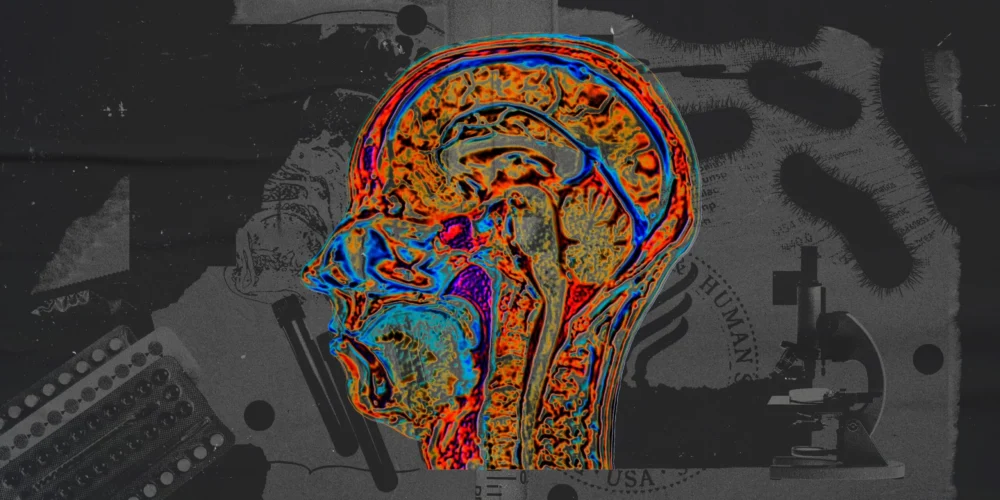
The journey of life is a marathon, not a sprint. As we navigate through our years, we encounter various challenges, and among the most significant are chronic diseases and age-related cognitive decline. While the headlines often focus on specific ailments, a powerful, unifying truth has been emerging: the very habits that build a robust physique can also serve as a formidable defense for your brain. This isn’t about a hidden secret or a clandestine agenda; it’s about the profound, interconnected nature of our well-being.
This article is your guide to understanding this vital connection and, more importantly, integrating this knowledge into your fitness journey. We’ll explore how proactive lifestyle choices, particularly through physical activity, can empower you to reduce your risk of common chronic diseases while simultaneously laying a stronger foundation for long-term cognitive health, including a reduced risk of Alzheimer’s disease and other dementias.
The Unseen Shield: Connecting Physical Health and Brain Longevity
For too long, conversations around chronic disease prevention and brain health have been siloed. We’ve discussed heart disease, diabetes, and obesity in one breath, and Alzheimer’s and dementia in another. However, the scientific community is increasingly recognizing a powerful overlap. The lifestyle factors that benefit your heart, lungs, and metabolism also profoundly impact your brain’s resilience.
Think of your body as an intricate, interconnected system. When you improve one part, the benefits ripple outwards. Regular physical activity is a prime example of this phenomenon. It’s not just about building muscle or shedding pounds; it’s about orchestrating a symphony of positive physiological changes that protect your entire being.
Here’s how your fitness efforts are actively building an unseen shield:
- Improved Cardiovascular Health: Exercise strengthens your heart and improves blood circulation. This means more oxygen-rich blood reaches your brain, delivering essential nutrients and removing waste products. A healthy vascular system is crucial for a healthy brain. Poor cardiovascular health is a known risk factor for cognitive decline.
- Enhanced Insulin Sensitivity: Many chronic diseases, including type 2 diabetes, are linked to insulin resistance. Exercise helps your body use insulin more effectively. Stable blood sugar levels are vital for brain function, as the brain relies heavily on glucose for energy. Fluctuations can impair cognitive processes.
- Reduced Inflammation: Chronic inflammation is a silent contributor to many diseases, including neurodegenerative conditions. Regular physical activity has potent anti-inflammatory effects throughout the body, including the brain.
- Stress Reduction: Physical activity is a powerful stress reliever. Chronic stress can negatively impact brain health over time, contributing to memory problems and increased risk of cognitive decline. Exercise provides a healthy outlet for stress and promotes the release of endorphins, which have mood-boosting effects.
- Neurogenesis and Synaptic Plasticity: Exercise stimulates the production of new brain cells (neurogenesis) and strengthens the connections between existing ones (synaptic plasticity). These processes are fundamental to learning, memory, and overall cognitive function.
Bridging the Gap: Integrating Alzheimer’s Prevention into Your Existing Fitness Routine
The crucial insight here is that many of the interventions for preventing chronic diseases are inherently beneficial for reducing the risk of Alzheimer’s and other dementias. This isn’t about adding an entirely new, overwhelming regimen. It’s about understanding the broader impact of your current efforts and making informed choices.
This perspective empowers public health professionals and, more importantly, you, the individual, to view fitness not just as a tool for managing current conditions but as a proactive investment in your future cognitive well-being.
Making Your Workouts Work Smarter, Not Just Harder
You’re already putting in the effort. Now, let’s refine that effort with a deeper understanding of its dual benefits.
H2: The Pillars of Prevention: Exercise for a Resilient Body and Mind
When we talk about exercise for disease prevention, we’re referring to a well-rounded approach that targets different aspects of physical fitness. Integrating this into your life means embracing variety and consistency.
H3: Cardiovascular Exercise: Fueling Your Brain’s Engine
Aerobic activity is perhaps the most potent tool in our arsenal for both chronic disease management and brain health. It directly impacts blood flow, oxygen delivery, and the cardiovascular system, all of which are critical for optimal brain function.
- What it is: Activities that get your heart rate up and make you breathe harder, such as brisk walking, running, cycling, swimming, dancing, or using an elliptical machine.
- Why it matters for chronic disease: Helps manage blood pressure, improves cholesterol levels, aids in weight management, and reduces the risk of heart disease and type 2 diabetes.
- Why it matters for brain health: Enhances blood flow to the brain, supports the growth of new brain cells, and can improve memory and executive function. Studies have shown a strong correlation between regular aerobic exercise and a reduced risk of cognitive decline and dementia.
- Practical Workout Tips:
- Aim for Consistency: The American Heart Association recommends at least 150 minutes of moderate-intensity aerobic activity or 75 minutes of vigorous-intensity activity per week. Break this down into manageable sessions.
- Find Your Joy: Choose activities you genuinely enjoy. If you hate running, don’t force it. Explore dancing, hiking, or swimming.
- Gradual Progression: If you’re new to exercise, start slowly. Begin with 15-20 minute sessions a few times a week and gradually increase the duration and intensity.
- Incorporate Intervals: High-intensity interval training (HIIT) can be very effective, but ensure you have a solid base of fitness first. Alternating short bursts of intense activity with recovery periods can boost cardiovascular benefits.
- Listen to Your Body: Pay attention to any pain or discomfort and adjust accordingly.
Real-Life Example: Sarah, a busy marketing executive, found that incorporating a brisk 30-minute walk during her lunch break, three to four times a week, significantly improved her energy levels and focus throughout the day. She also noticed that her annual blood pressure readings improved, and she felt mentally sharper when tackling complex projects.
H3: Strength Training: Building a Resilient Framework
While cardiovascular exercise often gets the spotlight for brain health, strength training plays a vital, complementary role. Building and maintaining muscle mass has far-reaching benefits that extend to your brain.
- What it is: Activities that involve working your muscles against resistance, such as lifting weights, using resistance bands, bodyweight exercises (squats, push-ups, lunges), or using weight machines.
- Why it matters for chronic disease: Improves metabolism, helps manage blood sugar levels, strengthens bones (reducing osteoporosis risk), and supports joint health, which can prevent mobility issues.
- Why it matters for brain health:
- Hormonal Benefits: Strength training can increase levels of hormones like IGF-1 (Insulin-like Growth Factor 1), which has been shown to promote the growth of new neurons and support brain plasticity.
- Reduced Inflammation: Muscle tissue is metabolically active and can help reduce systemic inflammation.
- Improved Mood and Sleep: Strength training can boost mood and improve sleep quality, both of which are essential for cognitive function.
- Functional Independence: Maintaining strength allows for greater independence as you age, reducing stress and improving overall quality of life, which indirectly benefits cognitive health.
- Practical Workout Tips:
- Focus on Major Muscle Groups: Include exercises that work your legs, chest, back, shoulders, arms, and core.
- Start with Lighter Weights and Proper Form: Prioritize correct technique over lifting heavy. Watch instructional videos or consult a trainer if unsure.
- Progressive Overload: Gradually increase the weight, repetitions, or sets as you get stronger to continue challenging your muscles.
- Frequency: Aim for strength training sessions two to three times per week, allowing at least one rest day between working the same muscle groups.
- Bodyweight is Powerful: Don’t underestimate the effectiveness of bodyweight exercises. They are accessible and can be done anywhere.
Real-Life Example: Mark, a retired teacher, started incorporating bodyweight exercises and light dumbbell work into his routine after experiencing knee pain. Not only did his knee pain subside, but he found himself feeling more energetic, and his doctor noted significant improvements in his bone density scans, an important factor for long-term health and independence.
H3: Flexibility and Balance: Enhancing Agility and Preventing Falls
While often overlooked, flexibility and balance exercises are crucial for maintaining overall physical function and preventing injuries, which can indirectly impact cognitive health by allowing you to stay active.
- What it is: Activities like yoga, Pilates, tai chi, and simple stretching routines. Balance exercises can include standing on one leg, heel-to-toe walking, or using a balance board.
- Why it matters for chronic disease: Improves posture, reduces muscle stiffness, can alleviate chronic pain, and enhances functional movement, preventing injuries that could lead to a sedentary lifestyle.
- Why it matters for brain health:
- Proprioception and Spatial Awareness: These exercises enhance your body’s awareness of its position in space, which is a cognitive function.
- Stress Reduction and Mindfulness: Practices like yoga and tai chi are inherently mindful, promoting relaxation and reducing stress, which positively impacts brain health.
- Fall Prevention: Falls can lead to serious injuries and a decline in confidence and activity levels, which can have a detrimental effect on cognitive function. Good balance is key to preventing falls.
- Practical Workout Tips:
- Incorporate into Warm-ups and Cool-downs: Gentle stretches before and after workouts can improve flexibility.
- Dedicated Sessions: Consider a weekly yoga or tai chi class for a more focused approach.
- Daily Balance Practice: Even a few minutes of balance exercises each day can make a difference. Hold onto a wall or sturdy chair for support initially.
- Listen to Your Body: Never force a stretch to the point of pain.
Real-Life Example: Emily, who works a desk job, found that her posture had worsened, leading to neck and back discomfort. She started incorporating a 15-minute stretching routine before bed, focusing on her back and neck. Within weeks, her pain decreased, her posture improved, and she felt more relaxed and less prone to tension headaches.
Practical Strategies for Seamless Integration
The knowledge is empowering, but the execution is key. Here’s how to weave these principles into your daily life without feeling overwhelmed.
H2: Actionable Steps for a Healthier Future
H3: Start Small, Stay Consistent
- Beginner Focus: If you’re new to fitness, don’t aim for marathon training overnight. Start with 20-30 minutes of moderate activity most days of the week. A brisk walk is an excellent starting point.
- Habit Stacking: Link your new fitness habit to an existing one. For example, "After I brush my teeth in the morning, I will do 10 squats and 10 push-ups."
- Schedule It: Treat your workouts like any other important appointment. Block out time in your calendar.
H3: Embrace Variety to Stay Engaged
- Mix It Up: Don’t do the same workout every day. Rotate between cardio, strength training, and flexibility. This prevents boredom and works your body in different ways.
- Explore New Activities: Try a new fitness class, a different walking trail, or a new online workout video. Novelty keeps your mind engaged.
H3: Listen to Your Body and Prioritize Recovery
- Rest is Crucial: Your muscles repair and rebuild during rest. Don’t skip rest days.
- Sleep Quality: Aim for 7-9 hours of quality sleep per night. This is when your body and brain do their most important restorative work.
- Nutrition Matters: Fuel your body with a balanced diet rich in fruits, vegetables, lean proteins, and healthy fats. Hydration is also paramount.
H3: Mindful Movement and Cognitive Engagement
- Focus on Form: Pay attention to how your body feels during exercise. This mindful engagement is beneficial for cognitive function.
- Challenge Your Brain: Learn new exercises, try a more complex workout routine, or engage in activities that require coordination and problem-solving.
- Social Connection: Exercising with a friend or joining a group class can boost motivation and provide social interaction, both of which are beneficial for cognitive health.
H3: The Power of Nutrition
While this article focuses on fitness, it’s impossible to discuss chronic disease and brain health without acknowledging the role of nutrition. A diet rich in antioxidants, omega-3 fatty acids, and whole foods supports both physical and cognitive function. Think of it as the ultimate fuel for your entire system.
A Unified Approach to Well-being
The narrative around chronic disease and cognitive decline is evolving, revealing a powerful interconnectedness. The good news is that the path to a healthier future is not a complex maze of conflicting advice. Instead, it’s a well-trodden road of proactive lifestyle choices, with physical activity as a central cornerstone.
By embracing a consistent, varied, and mindful approach to fitness, you are not just building a stronger body; you are actively fortifying your brain against the challenges of aging. You are investing in a future where you can live not just longer, but with greater vitality, clarity, and independence.
This is your journey. This is your power. Embrace the multifaceted benefits of your fitness efforts and forge a future where your body and mind thrive in harmony. The most impactful health advice is often the simplest: move your body, nourish it well, and your future self will thank you.