Embarking on a fitness journey, or seeking to elevate an existing one, can often feel like navigating a complex maze. With countless routines, diets, and trending exercises vying for attention, it’s easy to get lost in the noise and lose sight of what truly matters: a balanced, sustainable approach to building a strong, resilient, and energized body. Many beginners jump into isolated muscle training, chasing aesthetics without building a solid foundation, while intermediate enthusiasts often hit plateaus, wondering how to unlock their next level of potential.
This comprehensive guide is designed to cut through the confusion and provide you with a clear, actionable blueprint for achieving transformative full-body fitness. Whether you’re lacing up your first pair of workout shoes or looking to refine your existing regimen, we’ll explore the undeniable advantages of a holistic training philosophy. We’ll equip you with practical workout tips, real-life examples, and actionable advice to help you build strength, boost endurance, enhance flexibility, and cultivate a resilient mindset. Our focus is on sustainability and progressive advancement, ensuring that your fitness journey is not just effective, but also enjoyable and lasting. Prepare to ignite your entire body and forge a path towards peak physical and mental well-being.
The Foundation: Why Full-Body Training Reigns Supreme
In a fitness landscape often dominated by "bro splits" and isolated muscle group training, the concept of full-body workouts sometimes gets overlooked. However, for beginners and intermediate fitness enthusiasts alike, a full-body approach offers unparalleled benefits that lay a robust foundation for long-term health and performance. It’s not just about working every muscle; it’s about working them smarter, together, and in a way that optimizes your time and results.
Efficiency and Effectiveness
One of the most compelling arguments for full-body training is its sheer efficiency. By engaging multiple muscle groups in a single session, you maximize your workout time, making it ideal for those with busy schedules. Imagine a busy professional, juggling work, family, and social commitments. Instead of needing five separate days to hit every major muscle group, they can achieve a comprehensive stimulus in just two to three well-structured full-body sessions per week.
Beyond time-saving, full-body workouts are incredibly effective metabolically. When you recruit a large number of muscles simultaneously, your body expends more energy, leading to a higher calorie burn during and after your workout (known as EPOC, or Excess Post-exercise Oxygen Consumption). This heightened metabolic demand means you’re not just building muscle; you’re also optimizing your body’s ability to burn fat and improve overall conditioning. It’s like getting more bang for your buck with every rep.
Balanced Development
Specializing in isolated muscle groups too early can often lead to muscular imbalances. For instance, constantly training the chest and biceps without equal attention to the back and triceps can result in poor posture, shoulder pain, and an increased risk of injury. Full-body training inherently promotes balanced muscular development. By performing exercises that mimic natural movement patterns – pushes, pulls, squats, hinges, and carries – you strengthen your body as a cohesive unit.
This balanced development translates directly into improved functional strength for daily life. Lifting groceries, playing with children, or simply maintaining good posture at a desk becomes easier and less taxing. You’re not just building "show muscles"; you’re building a body that performs optimally in all situations, reducing the likelihood of common aches and pains that arise from muscular disparities.
Enhanced Recovery and Growth
A common misconception is that full-body training doesn’t allow for adequate muscle recovery. In reality, when programmed correctly (e.g., 2-3 sessions per week with rest days in between), it provides ample time for muscle groups to repair and grow. Unlike a split routine where you might hit the same muscle group hard twice a week with only 48 hours in between, a full-body approach allows 72 hours or more for recovery before those specific muscles are challenged intensely again.
This optimized recovery window is crucial for sustained progress and preventing overtraining. It ensures that your muscles are fully recuperated and ready to perform at their best in each subsequent session, fostering consistent strength gains and muscle adaptation. Think of it as giving your body the perfect rhythm of challenge and rest, leading to more consistent and satisfying results over the long haul.
Crafting Your Full-Body Blueprint: Essential Components
A truly comprehensive full-body fitness program integrates several key components, each playing a vital role in building a well-rounded physique and enhancing overall health. Neglecting any one of these can create weak links, hinder progress, and even increase the risk of injury. Let’s break down the pillars of a successful full-body blueprint.
Strength Training: The Pillar of Power
Strength training is non-negotiable for anyone serious about improving their fitness, regardless of their goals. It’s the engine that drives muscle growth, boosts metabolism, improves bone density, and enhances functional capacity. For full-body training, the focus should be on compound movements that engage multiple joints and muscle groups simultaneously.
-
Key Movement Patterns:
- Push: Exercises like push-ups, overhead presses, and bench presses target your chest, shoulders, and triceps.
- Pull: Movements such as rows (dumbbell, barbell, cable) and pull-ups (assisted if necessary) work your back, biceps, and forearms.
- Hinge: Deadlifts (conventional, Romanian), kettlebell swings, and good mornings strengthen your glutes, hamstrings, and lower back.
- Squat: Bodyweight squats, goblet squats, front squats, and back squats develop your quads, glutes, and core.
- Carry: Farmer’s walks, loaded carries build grip strength, core stability, and full-body endurance.
-
Practical Tip: As a beginner, prioritize mastering the form of these compound exercises with lighter weights or just your body weight. Once form is solid, progressively add resistance. A great starting point is a circuit like:
- Goblet Squat (3 sets of 8-12 reps)
- Dumbbell Row (3 sets of 8-12 reps per arm)
- Push-up (3 sets to failure, or on knees if needed)
- Romanian Deadlift with dumbbells (3 sets of 8-12 reps)
- Plank (3 sets, hold for 30-60 seconds)
Cardiovascular Conditioning: Fueling Your Engine
While strength builds power, cardiovascular conditioning fuels your engine, improving heart health, stamina, and overall endurance. A well-rounded full-body program integrates both steady-state cardio and high-intensity interval training (HIIT) for comprehensive benefits.
-
Steady-State Cardio: Activities like brisk walking, jogging, cycling, or swimming at a moderate, consistent pace for an extended period (20-60 minutes). This improves aerobic capacity and cardiovascular health without excessive strain.
-
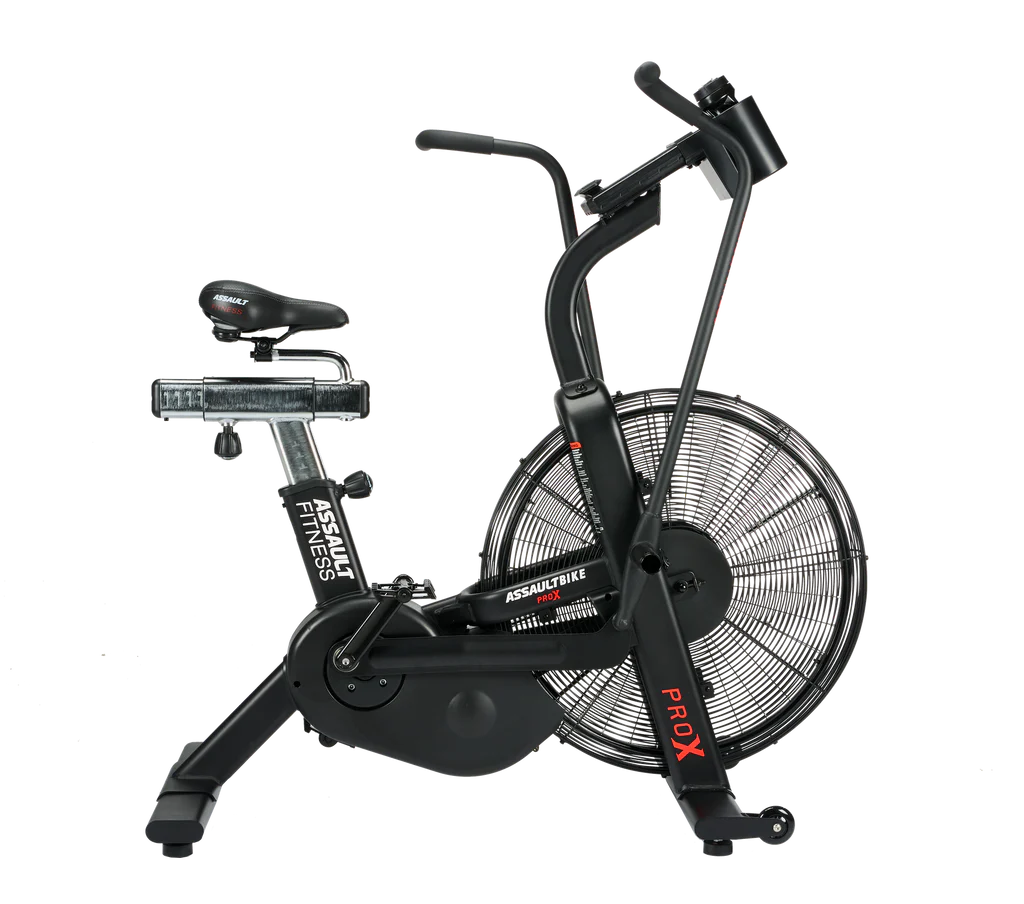
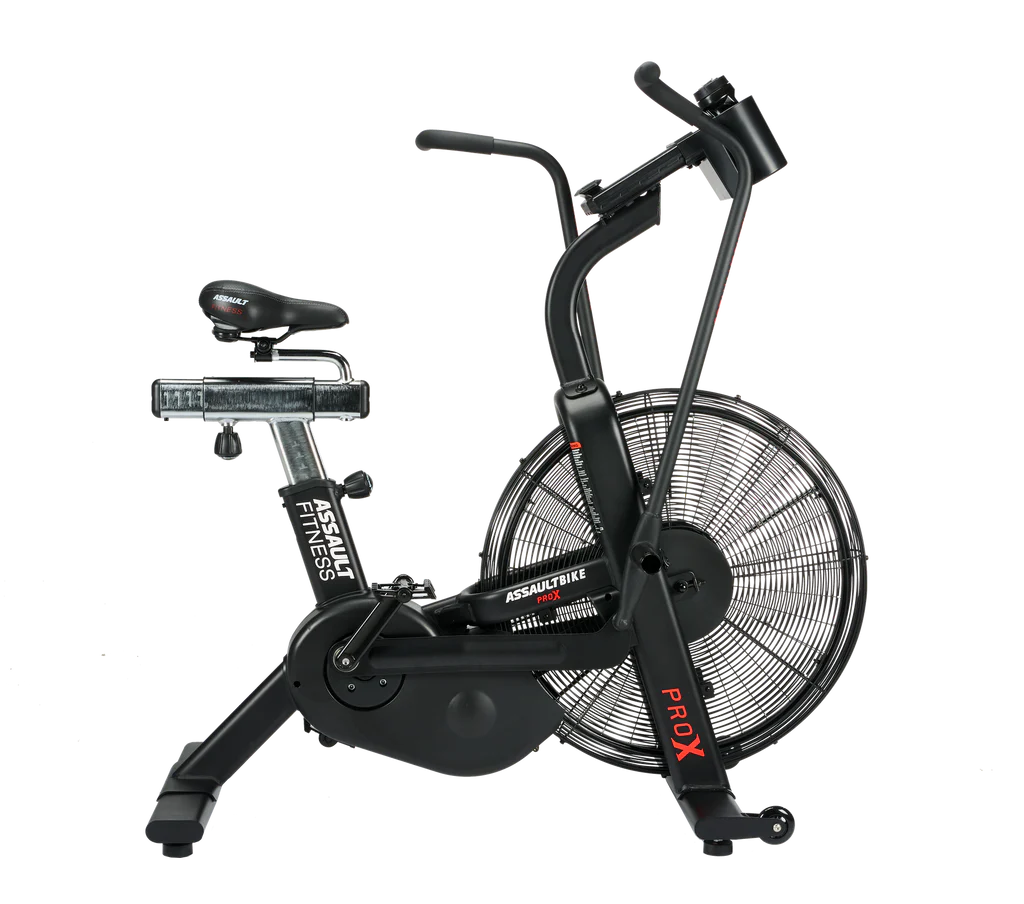
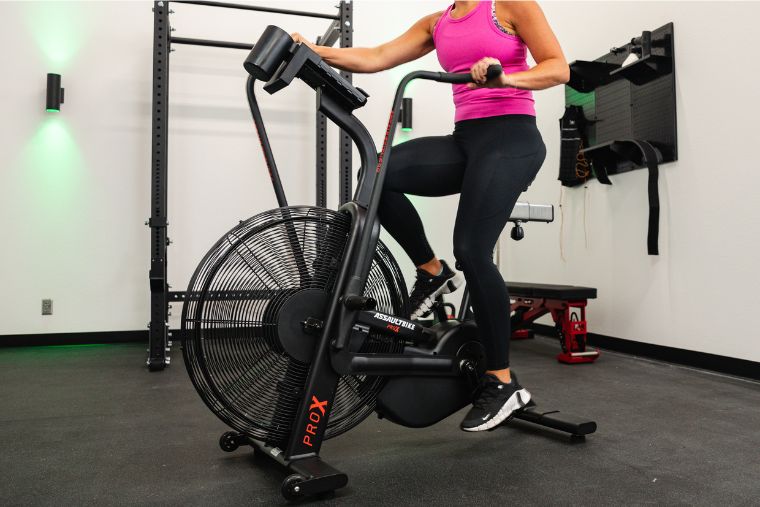
High-Intensity Interval Training (HIIT): Short bursts of maximal effort followed by brief recovery periods. HIIT is excellent for boosting metabolism, improving anaerobic fitness, and burning calories efficiently in a shorter timeframe. Examples include sprints, burpees, jumping jacks, or intense intervals on an air bike or rower.
-
Practical Tip: Integrate both types. For instance, after two strength days, dedicate one day to 30-45 minutes of steady-state cardio. On another day, you could combine a 10-minute brisk walk warm-up with 4-5 rounds of 30-second sprints followed by 90 seconds of active recovery, finishing with a cool-down. This dual approach ensures both your aerobic and anaerobic systems are well-developed.
Flexibility and Mobility: The Unsung Heroes
Often overlooked, flexibility and mobility are crucial for maintaining a healthy range of motion, preventing injuries, and improving overall performance in your strength and cardio workouts.
-
Flexibility refers to the length of your muscles, while mobility is about the active range of motion at your joints. Both are vital.
-
Dynamic Stretching: Performed before your workout, these are active movements that take your joints through their full range of motion (e.g., arm circles, leg swings, torso twists). They prepare your body for exercise.
-
Static Stretching: Held for 20-30 seconds, these are performed after your workout or on a separate recovery day to improve muscle length and joint flexibility (e.g., hamstring stretches, quad stretches, chest stretches).
-
Practical Tip: Dedicate 5-10 minutes to dynamic stretches as part of your warm-up before any workout. Incorporate 10-15 minutes of static stretching or a dedicated mobility routine (like yoga or foam rolling) on non-training days or after your main workout. A simple morning mobility routine could include cat-cow, bird-dog, thoracic rotations, and deep squats.
Core Stability: Your Body’s Powerhouse
Beyond just "six-pack abs," a strong, stable core is the foundation of all movement. It connects your upper and lower body, protects your spine, improves posture, and enhances your ability to generate power in nearly every exercise.
- Functional Core Strength: This involves strengthening the deep stabilizing muscles of your trunk, not just the superficial ones. It’s about resisting movement (anti-extension, anti-rotation, anti-lateral flexion) as much as it is about creating it.
- Importance: A weak core can lead to lower back pain, poor lifting mechanics, and reduced overall athletic performance.
- Practical Tip: Don’t neglect foundational core exercises. While crunches have their place, prioritize movements that challenge your core’s stability and endurance.
- Plank variations: Front plank, side plank (holding for time).
- Bird-dog: (slow, controlled movements).
- Dead bug: (focus on keeping lower back pressed into the floor).
- Pallof press: (anti-rotational exercise with a cable or resistance band).
Integrate 2-3 core exercises into each full-body workout, performing 2-3 sets of 10-15 repetitions or 30-60 second holds.
Designing Your Weekly Workout Schedule
Consistency is the cornerstone of progress. A well-designed weekly schedule ensures you hit all your fitness components without overtraining. Remember, these are guidelines – listen to your body and adjust as needed.
The Beginner’s Entry Point (2-3 days/week)
For those new to structured exercise, or returning after a long break, the focus should be on establishing a consistent routine, learning proper form, and building a foundational level of strength and endurance.
- Goals: Master basic movement patterns, build body awareness, establish a habit.
- Structure: 2-3 full-body strength sessions per week, with light cardio integrated or on separate days.
- Sample Schedule:
- Monday: Full-Body Strength Workout A (e.g., Squat, Push-up, Row, Plank)
- Tuesday: Active Recovery (light walk, stretching)
- Wednesday: Full-Body Strength Workout B (e.g., Deadlift variation, Overhead Press, Lunges, Side Plank)
- Thursday: Rest or Moderate Cardio (30 min brisk walk/jog)
- Friday: Full-Body Strength Workout A (or C, if you have enough exercises)
- Saturday/Sunday: Active Recovery or Rest
Stepping Up to Intermediate (3-4 days/week)
Once you’ve built a solid foundation and feel comfortable with basic exercises, you can increase the volume, intensity, or frequency of your workouts. This is where progressive overload becomes key – consistently challenging your body to adapt.
- Goals: Increase strength, build muscle, improve cardiovascular fitness, introduce more complex exercises.
- Structure: 3-4 full-body strength sessions, with dedicated cardio or HIIT days.
- Sample Schedule:
- Monday: Full-Body Strength Workout (heavier focus on compound lifts)
- Tuesday: HIIT or Moderate Cardio (e.g., 20-30 min interval training or 45 min steady-state)
- Wednesday: Full-Body Strength Workout (different exercise variations or higher volume)
- Thursday: Active Recovery (mobility work, light stretching, foam rolling)
- Friday: Full-Body Strength Workout (mix of compound and accessory work)
- Saturday: Longer Cardio/Endurance (e.g., hike, long bike ride, swim) or Active Recovery
- Sunday: Rest
Listen to Your Body: The Art of Rest and Recovery
No matter your fitness level, recovery is just as important as the workout itself. Without adequate rest, your muscles can’t repair and grow, leading to fatigue, decreased performance, and an increased risk of injury.
-
Active Recovery: Light activities like walking, gentle stretching, or foam rolling on rest days can help increase blood flow, reduce muscle soreness, and aid recovery.
-
Sleep: Aim for 7-9 hours of quality sleep per night. This is when your body does most of its repair work.
-
Nutrition: Fueling your body with adequate protein, carbohydrates, and healthy fats is critical for muscle repair and energy replenishment.
-
Signs of Overtraining: Persistent fatigue, decreased performance, prolonged muscle soreness, irritability, disturbed sleep, or frequent illness. If you experience these, take an extra rest day or reduce your workout intensity.
-
Actionable Advice: Treat rest days as non-negotiable parts of your training. Plan them into your schedule just like your workouts. Prioritize sleep by creating a consistent bedtime routine. Your body will thank you with sustained energy and consistent gains.
Fueling Your Journey: Nutrition for Performance and Progress
Exercise is only one half of the fitness equation; the other, equally crucial half, is nutrition. What you put into your body directly impacts your energy levels, recovery, muscle growth, and overall health. For full-body fitness, your goal should be to provide your body with the nutrients it needs to perform, recover, and adapt.
The Macro Blueprint
Understanding macronutrients (protein, carbohydrates, and fats) is key to fueling your body effectively. You don’t need to meticulously count every gram, but being aware of their roles helps make informed choices.
-
Protein: The building block of muscle. Essential for repair and growth after workouts.
- Sources: Lean meats (chicken, turkey, lean beef), fish, eggs, dairy (Greek yogurt, cottage cheese), legumes (lentils, beans), tofu, tempeh, protein powder.
- Practical Tip: Aim to include a source of protein with every meal and snack. A general guideline is about 0.7-1 gram of protein per pound of body weight for active individuals.
-
Carbohydrates: Your body’s primary energy source. Crucial for fueling workouts and replenishing glycogen stores for recovery.
- Sources: Whole grains (oats, brown rice, quinoa, whole-wheat bread), fruits, vegetables (especially starchy ones like potatoes, sweet potatoes), legumes.
- Practical Tip: Prioritize complex carbohydrates for sustained energy throughout the day. Have some quicker-digesting carbs before and after intense workouts for optimal performance and recovery.
-
Fats: Essential for hormone production, nutrient absorption, and long-term energy.
- Sources: Avocados, nuts, seeds, olive oil, fatty fish (salmon, mackerel).
- Practical Tip: Include healthy fats in moderation. They contribute to satiety and overall health, but are calorie-dense.
-
Overall Practical Tip: Focus on whole, unprocessed foods. These are typically nutrient-dense and provide your body with vitamins, minerals, and fiber in addition to macronutrients. Think colorful plates with a variety of foods.
Hydration: The Often-Overlooked Essential
Water is involved in almost every bodily function, from regulating body temperature and transporting nutrients to lubricating joints and aiding digestion. Dehydration can severely impact your energy, focus, and physical performance.
- Benefits: Optimal performance, enhanced recovery, improved metabolism, better skin health, reduced fatigue.
- Actionable Advice: Don’t wait until you’re thirsty; thirst is already a sign of dehydration.
- Start your day with a large glass of water.
- Carry a reusable water bottle and sip throughout the day.
- Increase water intake before, during, and after workouts.
- Monitor your urine color – light yellow usually indicates good hydration.
Mindful Eating and Consistency
Instead of restrictive diets, cultivate mindful eating habits. Pay attention to your body’s hunger and fullness cues, savor your food, and make conscious choices that support your fitness goals.
- Avoid Restrictive Diets: Extreme restrictions are rarely sustainable and can lead to nutrient deficiencies and rebound weight gain. Focus on creating healthy habits you can maintain long-term.
- Focus on Sustainable Habits: Small, consistent changes yield better results than drastic, temporary overhauls.
- Real-Life Example: Instead of cutting out all treats, practice the 80/20 rule: eat nutritious, whole foods 80% of the time, and allow for flexibility with the remaining 20%. This approach promotes balance and prevents feelings of deprivation, making healthy eating a sustainable lifestyle rather than a temporary diet. Track your progress not just by the scale, but by how you feel, your energy levels, and your performance in workouts.
Cultivating a Resilient Mindset: The Mental Game of Fitness
Physical fitness is as much a mental game as it is a physical one. Your mindset, discipline, and ability to navigate challenges will ultimately determine your long-term success. Developing mental resilience is a crucial component of any effective full-body fitness journey.
Setting SMART Goals
Goals provide direction and motivation. However, vague goals like "I want to get fit" are hard to achieve because they lack clarity. Adopt the SMART framework for goal setting:
-
Specific: Clearly define what you want to achieve.
-
Measurable: How will you track progress?
-
Achievable: Is it realistic given your current situation?
-
Relevant: Does it align with your overall fitness aspirations?
-
Time-bound: Set a realistic deadline.
-
Example: Instead of "I want to get stronger," set a SMART goal like: "I will perform 3 full-body strength workouts each week for the next 8 weeks, increasing my squat weight by 10 lbs while maintaining good form, to improve my overall lower body strength." This goal is clear, trackable, and has a deadline.
Embracing Progress, Not Perfection
The fitness journey is rarely a straight line upwards. There will be good days, bad days, plateaus, and even setbacks. A rigid pursuit of perfection can be demotivating and lead to burnout.
- Celebrate Small Victories: Acknowledge every step forward, no matter how small. Hitting an extra rep, completing a workout you almost skipped, or making a healthier food choice are all wins.
- Overcoming Setbacks Gracefully: A missed workout or an indulgent meal doesn’t derail your entire journey. It’s a single moment. Acknowledge it, learn from it, and get back on track with the next opportunity.
- Real-Life Example: You planned a workout, but work ran late, and you’re too tired. Instead of feeling guilty and skipping altogether, you do a 15-minute bodyweight circuit at home. That’s embracing progress over perfection – you adapted and still moved your body.
The Power of Consistency
Motivation is fleeting, but consistency is a habit you build. Showing up, even when you don’t feel like it, is what truly drives long-term results.
- Building Routines: Schedule your workouts like important appointments. The more you stick to a routine, the more it becomes second nature.
- "Just Show Up": On days when motivation is low, tell yourself you only have to do 10 minutes. Often, once you start, you’ll find the motivation to complete the full session.
- Actionable Advice: Create triggers. For example, "Every morning after my coffee, I put on my workout clothes." Or "After work, before I sit down, I go for my run."
Seeking Support and Community
You don’t have to go it alone. A strong support system can provide accountability, motivation, and shared experiences.
- Workout Partners: Training with a friend can make workouts more enjoyable and keep you accountable.
- Online Groups/Forums: Connect with like-minded individuals, share tips, and celebrate successes.
- Certified Personal Trainers: Consider working with a professional for personalized guidance, especially when starting or hitting a plateau. They can provide expert advice and keep you on track.
- Actionable Advice: Find a fitness community, whether online or in person, that resonates with you. Sharing your journey and learning from others can be incredibly empowering.
Practical Tips for Lasting Success
Integrating full-body fitness into your life is a journey, not a destination. To ensure your efforts yield lasting results and become an enjoyable part of your lifestyle, keep these practical tips in mind:
- Start Slow and Scale Up: Don’t try to do too much too soon. Begin with a manageable routine and gradually increase intensity, duration, or frequency. Overtraining leads to burnout and injury.
- Master Form Before Increasing Weight/Intensity: Poor form is the fastest way to injury. Prioritize learning the correct technique for each exercise, even if it means using lighter weights or just your body weight. Consider recording yourself or getting feedback from a qualified trainer.
- Warm-Up Thoroughly, Cool-Down Effectively: A 5-10 minute dynamic warm-up prepares your muscles and joints for activity. A 5-10 minute cool-down with static stretches helps with flexibility and recovery. Don’t skip these crucial steps.
- Stay Hydrated: Carry a water bottle and sip throughout the day. Your performance and recovery depend heavily on adequate hydration.
- Prioritize Sleep: Aim for 7-9 hours of quality sleep each night. Sleep is when your body repairs itself, rebuilds muscle, and consolidates energy.
- Track Your Progress: Keep a workout journal. Record exercises, sets, reps, and weights. Track body measurements, take progress photos, and note how you feel. Seeing your progress is a powerful motivator.
- Make It Enjoyable – Find Activities You Love: Fitness shouldn’t feel like a punishment. Experiment with different types of exercise (hiking, dancing, martial arts, sports) until you find activities you genuinely enjoy. This makes consistency much easier.
- Consult Professionals When Needed: If you have specific health conditions, injuries, or are unsure about your training, consult a doctor, physical therapist, or certified personal trainer. Their expertise can provide invaluable guidance and ensure your safety.
- Be Patient and Consistent: Results take time. There are no quick fixes. Celebrate the small victories, stay consistent, and trust the process.
Conclusion
You now hold the blueprint for a transformative full-body fitness journey, designed to empower both beginners and intermediate enthusiasts alike. We’ve delved into the profound benefits of a holistic approach – from the efficiency and balanced development of full-body training to the critical roles of strength, cardio, flexibility, core stability, and optimal nutrition. More than just physical exercises, we’ve also explored the indispensable mental fortitude required: setting SMART goals, embracing progress over perfection, and harnessing the power of consistency and community.
Remember, fitness is not a destination; it’s a continuous journey of self-discovery, growth, and adaptation. It’s about building a body that not only looks strong but is strong, capable, and resilient in every aspect of life. It’s about cultivating habits that serve your long-term health and happiness.
The path to peak fitness is within your grasp. It demands commitment, patience, and a willingness to learn and adapt. But the rewards – increased energy, improved mood, reduced risk of disease, and the profound satisfaction of unlocking your full potential – are immeasurable.
Don’t wait for the perfect moment or the ideal conditions. The time to start building your strongest self is now. Take that first step, commit to consistency, and embrace the incredible power you have to transform your body and your life. Ignite your entire body, and embark on this progressive path to a healthier, happier, and more vibrant you.