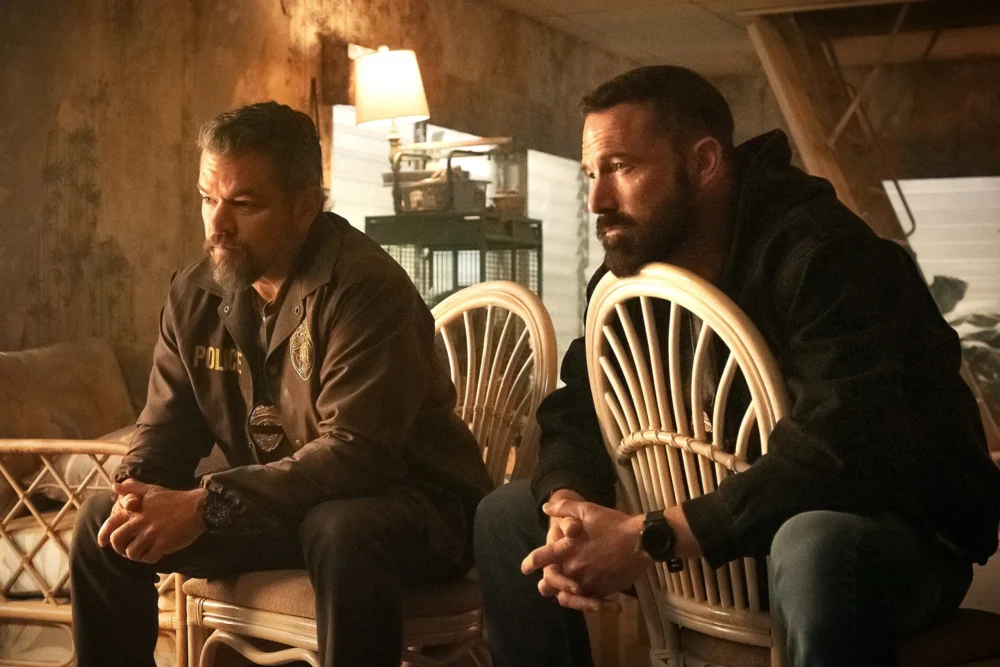

In the adrenaline-fueled world of medical dramas, "The Pitt" consistently delivers gripping narratives that blur the lines between intense patient care and high-octane action. Season 2, Episode 7, titled "1:00 P.M.," throws viewers into the chaotic aftermath of a firefight, featuring a dramatic SWAT team rescue of an officer with a severe gunshot wound to the neck. While the on-screen drama is compelling, understanding the medical realities behind such a critical situation offers a profound appreciation for the skill, pressure, and split-second decisions made by emergency room professionals.
This episode showcases the return of Dr. Abbot, a character whose past as a war veteran hinted at a deep well of resilience. His decision to volunteer as a field medic for a SWAT team, while perhaps surprising, speaks to a drive to utilize his unique skills in the most challenging environments. This isn’t just a hobby; it’s an extension of a commitment to saving lives, even when the risks are exceptionally high.
The Critical Window: Understanding Zone 1 Neck Wounds
Dr. Robert Glatter, an experienced ER doctor and Assistant Professor of Emergency Medicine, provides invaluable insight into the gravity of the situation depicted. A gunshot wound to the front or base of the neck, often referred to as a "Zone 1" injury, is exceptionally dangerous.
- Lethal Potential: This area houses vital structures, including the windpipe (trachea), major blood vessels, and nerves. A direct hit can cause complete separation of the airway, leading to rapid suffocation.
- The Race Against Time: Survival hinges on immediate, expert intervention. The ability to quickly locate, grasp, and stabilize the severed windpipe is paramount.
The scene in "The Pitt" highlights this urgency. The patient, Officer Hiro, arrives already intubated, a testament to the swift actions of the field medic. However, as Dr. Glatter explains, the initial intubation attempt wasn’t perfect, underscoring the complexity of such injuries.

The Challenges of Field Intubation
Dr. Abbot’s initial attempt to insert a breathing tube, while a necessary action in a high-pressure combat zone, presented immediate diagnostic challenges upon arrival at the ER.
- Indications of Misplacement: Several key signs pointed to the tube being in the esophagus (the food pipe) rather than the trachea (the windpipe):
- Low Oxygen Saturation: The patient’s oxygen levels were critically low, indicating air wasn’t reaching the lungs.
- Reported Resistance: Dr. Abbot noted resistance during tube advancement, a potential sign of anatomical obstruction or incorrect passage.
- Audible Bubbling: Air escaping from the neck wound would suggest a breach in the airway.
This scenario emphasizes a crucial point for any fitness enthusiast: preparation and accurate assessment are key, even in simulated emergencies. While you might not be dealing with gunshot wounds, understanding your body’s responses and the proper techniques for exercises is vital to prevent injury and maximize gains.
Precision and Technology: The ER Doctor’s Toolkit
Once Officer Hiro is in the ER, the team, led by Dr. Santos, employs advanced techniques to ensure correct tube placement and patient stability. This is where the precision of emergency medicine truly shines.
Ultrasound: A Game-Changer in Trauma Care
The use of ultrasound is a critical element in the episode’s medical accuracy.

- Confirming Airway Placement: Dr. Santos uses ultrasound to visualize the trachea and confirm the breathing tube’s position. This non-invasive method provides real-time imaging, allowing for immediate verification.
- Assessing Lung Function: The ultrasound is also used to check for "lung sliding," a sign that the lungs are expanding and contracting properly. This helps rule out complications like a collapsed lung (pneumothorax).
This reliance on technology and precise diagnostic tools mirrors the approach needed in any structured fitness regimen. Whether you’re using a heart rate monitor to gauge workout intensity or a resistance band to track progress, understanding and utilizing the right tools can significantly enhance your training.
The ‘Makeshift’ Tracheostomy: A Lifesaving Maneuver
When a standard intubation is impossible or fails, ER doctors may resort to a "makeshift" emergency tracheostomy. This involves creating a surgical opening into the trachea to insert a breathing tube.
- The Goal: To bypass an obstructed or damaged airway and establish a direct path for oxygen to enter the lungs.
- Securing the Airway: Once the tube is in place, a balloon at its tip is inflated to create a seal, ensuring that ventilation is effective and preventing leakage.
This demonstrates the adaptability and resourcefulness of medical professionals. In fitness, this translates to being able to modify exercises based on your physical limitations or available equipment. If a particular movement causes pain, a skilled individual will find an alternative that targets the same muscle group safely and effectively.
The Importance of Oxygenation and Ventilation
The ultimate goal in such critical situations is to ensure adequate oxygenation and ventilation.

- Oxygenation: This refers to the process of supplying oxygen to the body’s tissues. When the airway is compromised, oxygen levels plummet, leading to rapid organ damage, particularly in the brain.
- Ventilation: This is the mechanical process of breathing, where air containing oxygen enters the lungs and carbon dioxide is expelled. Effective ventilation ensures that the body can perform its essential metabolic functions.
For fitness enthusiasts, this concept is fundamental. Think of your workouts as optimizing your body’s oxygen utilization and respiratory efficiency. Consistent cardiovascular exercise strengthens your heart and lungs, improving your ability to deliver oxygen to working muscles and enhancing overall stamina.
Real-Life Parallels: From Screen to Sweat
The intense, jargon-heavy medical scenes in "The Pitt" might seem distant from the gym, but the underlying principles are remarkably similar.
1. The Power of a Plan (and Adapting It)
Dr. Abbot had a plan for his field medic role, and the ER team had a plan for Officer Hiro. In fitness, this means:
- Structured Workouts: Follow a well-designed program tailored to your goals (strength, endurance, flexibility).
- Progressive Overload: Gradually increase the intensity, volume, or difficulty of your workouts to continue seeing results.
- Flexibility: Life happens! If you miss a workout or feel unwell, have a backup plan or know how to adjust your routine without derailing your progress.
2. Understanding Your Tools and Techniques
Just as the ER doctors rely on sophisticated equipment and medical knowledge, you should understand the tools and techniques of fitness.

- Proper Form: Prioritize correct form over lifting heavy weights. This prevents injury and ensures you’re targeting the intended muscles.
- Exercise Selection: Learn about different exercises and how they benefit your body. Don’t just mimic what others are doing; understand why you’re doing it.
- Listen to Your Body: Recognize the difference between muscle soreness and pain. Pushing through sharp pain is akin to ignoring critical patient vitals – it can lead to serious injury.
3. The Unseen Effort: Pacing and Recovery
"The Pitt" masterfully demonstrates pacing in its narrative, balancing intense moments with slower build-ups. This is crucial in fitness too.
- Workout Intensity: Not every workout needs to be a maximum-effort session. Incorporate lighter days and active recovery to allow your body to adapt and rebuild.
- Rest and Sleep: Recovery is where muscle growth and adaptation occur. Skimping on sleep and rest is as detrimental as a failed intubation.
- Nutrition: Fuel your body with the nutrients it needs to perform and recover. This is the essential "support system" for your fitness journey.
4. The ‘Badass’ Factor: Pushing Your Limits Safely
Dr. Santos’s exclamation that Abbot’s hobby is "badass" resonates with the drive many feel to push their boundaries. However, this should always be done with calculated risk and informed decision-making.
- Challenging Yourself: Don’t shy away from trying new exercises or increasing the difficulty.
- Safe Progression: Ensure you have the foundational strength and technique before attempting advanced movements.
- Seek Guidance: If you’re unsure about a new training approach, consult a qualified fitness professional. They can guide you safely and effectively.
A Motivational Conclusion: Every Effort Counts
The harrowing rescue of Officer Hiro in "The Pitt" serves as a powerful reminder of the critical importance of preparedness, expertise, and unwavering dedication in life-or-death situations. While our daily fitness journeys may not involve life-saving surgery, the underlying principles of discipline, knowledge, and perseverance are universally applicable.
Embrace the lessons from the ER: understand your body, utilize the right techniques, pace yourself wisely, and never underestimate the power of a well-executed plan. Each workout, each healthy meal, and each moment of mindful recovery is a step towards building a stronger, more resilient you. Just like the medical team in "The Pitt," your commitment to your health and fitness can lead to extraordinary outcomes. Keep pushing, keep learning, and keep striving for your personal best. Your body will thank you for it.