You’ve seen them in the gym – the individuals who move serious weight with an almost effortless grace, their movements fluid and controlled, yet explosively powerful. You might chalk it up to genetics, years of dedicated training, or simply having "it." But what if a significant part of their success hinges on a subtle, yet profound, mental and physical cue that most gym-goers overlook? It’s time to talk about the concept of "bending the bar," a technique that can revolutionize your lifts, enhance safety, and unlock a new level of strength you never thought possible.
Forget simply gripping the barbell. True strength isn’t just about brute force; it’s about intelligent application of that force. It’s about creating an optimal environment for your muscles to work efficiently and your joints to remain stable. This is where the "bar bending" mindset comes into play. It’s not about literally snapping iron, but about engaging a specific neuromuscular pathway that primes your entire body for a more potent and secure lift.
This isn’t some arcane secret reserved for elite powerlifters. This is a fundamental principle of biomechanics that can benefit anyone, from the beginner taking their first steps on the gym floor to the seasoned intermediate looking to break through plateaus. Let’s delve into what "bending the bar" means, why it’s so effective, and how you can integrate it into your training starting today.
What Exactly Does "Bend the Bar" Mean?
The phrase "bend the bar" is a powerful mental image that translates into a tangible physical action. It’s a cue that encourages you to apply a rotational force to the barbell as you grip it. Imagine you’re holding a metal rod and you’re trying to twist it into a horseshoe shape, with the ends of the bar (the sleeves where you add plates) pointing down towards your feet.
This isn’t a passive grip; it’s an active, intentional engagement. Here’s a breakdown of the steps involved:
-
The Grip of Intent: Forget a loose, relaxed hold. Your grip needs to be firm, almost aggressive. Think of it as trying to crush something in your hand, but with a specific direction of force. Your knuckles should be white, not out of desperation, but out of a deliberate tightening.
-
The Rotational Command: This is the core of the cue. As you grip the bar, consciously try to rotate your hands outwards. Picture your thumbs moving away from each other, and your inner elbows rotating to point slightly downwards towards your hips. You won’t actually rotate your hands on the bar – the knurling and friction will prevent that. However, the attempt to rotate is what triggers the crucial muscle activation.
-
Sustained Tension: The tension you create by attempting to "bend the bar" isn’t a fleeting moment. It’s a feeling you must consciously maintain throughout the entire execution of your lift, from the setup to the lockout and even the controlled lowering.
Why This Subtle Cue Unlocks So Much Power
The "bar bending" technique isn’t just a fancy way to hold a barbell; it’s a sophisticated method of enhancing your body’s natural ability to generate force and maintain stability. When you actively attempt to twist the bar outwards, you initiate a cascade of beneficial physiological responses:
1. Superior Shoulder Stabilization
This is arguably the most significant benefit. When you try to externally rotate your arms, your shoulder blades are naturally pulled back and down into a retracted and depressed position. This is the ideal posture for pressing movements like the bench press.
- Retraction: Squeezing your shoulder blades together creates a solid platform for your deltoids and chest to press from.
- Depression: Pulling your shoulder blades down further engages the muscles that protect the shoulder joint.
This enhanced stability is critical for:
- Preventing Shoulder Impingement: By keeping your shoulders in a safe, stable position, you drastically reduce the risk of the soft tissues in your shoulder getting pinched.
- Maximizing Force Transfer: A stable shoulder allows you to transfer more force from your body into the barbell, leading to heavier lifts.
- Reducing Injury Risk: Unstable shoulders are prone to tears and strains. The "bar bending" cue acts as a proactive injury prevention strategy.
2. Eliminating Dangerous Elbow Flare (Especially in Bench Press)
A common mistake, particularly in the bench press, is allowing the elbows to flare out excessively away from the body. This places undue stress on the shoulder joint and can lead to pain and injury over time. The "bar bending" cue directly combats this:
- Internal Rotation Counteraction: The attempt to externally rotate your arms naturally encourages your elbows to stay tucked closer to your torso.
- Controlled Descent: This controlled elbow position allows for a more efficient and safer path of the barbell down to your chest.
Think of it this way: when your shoulders are externally rotated and stable, your elbows have a natural tendency to follow suit, staying in a more advantageous position.
3. Activating Your Lats for a Stronger Foundation
While the lats (latissimus dorsi) are primarily thought of as pulling muscles, they play a surprisingly vital role in pressing movements, especially the deadlift and even the bench press. The "bar bending" cue is a direct trigger for lat engagement:

- Trunk Stability: Your lats are key contributors to the rigidity of your torso. By activating them, you create a more stable platform from which to generate force.
- Deadlift Power: In a deadlift, the lats help keep your chest up and your back from rounding, allowing you to pull more efficiently and safely.
- Bench Press Support: Even in a bench press, engaged lats contribute to a stronger base, preventing excessive movement and allowing for a more powerful press.
When you "bend the bar," you’re essentially teaching your body to use your entire kinetic chain, from your feet to your hands, in a coordinated and powerful manner.
4. Amplifying Neuromuscular Efficiency
The brain-body connection is paramount in strength training. The "bar bending" cue forces your nervous system to recruit more muscle fibers and coordinate their activation more effectively. This leads to:
- Increased Muscle Recruitment: More muscle fibers firing means more potential for force production.
- Improved Muscle Synergy: Different muscle groups work together more harmoniously, creating a more efficient and powerful movement.
- Enhanced Proprioception: You become more aware of your body’s position in space and how your muscles are working, leading to better control.
This heightened neuromuscular efficiency often translates to an immediate improvement in the weight you can lift, assuming the rest of your form is sound. It’s like upgrading your body’s internal operating system for strength.
Integrating "Bar Bending" into Your Lifts
The beauty of this technique is its versatility. While most commonly discussed in relation to the bench press and deadlift, its principles can be applied to a range of compound barbell exercises.
The Bench Press: The Quintessential Application
This is where the cue shines brightest. Before you even unrack the weight:
- Grip the bar with intent.
- Actively try to twist your hands outwards, as if to bend the bar.
- Feel your shoulder blades retract and depress.
- Notice your elbows naturally tucking.
- Maintain this tension as you unrack, lower the bar to your chest, and press back up.
Real-Life Example: Sarah, a client of mine who had been struggling with shoulder pain during bench presses, started implementing the "bar bending" cue. Within two weeks, her pain subsided, and she was able to increase her bench press by 15 pounds. She described feeling a much more solid and stable shoulder position, allowing her to focus on pushing the weight rather than worrying about her joint.
The Deadlift: Creating a Rigid Structure
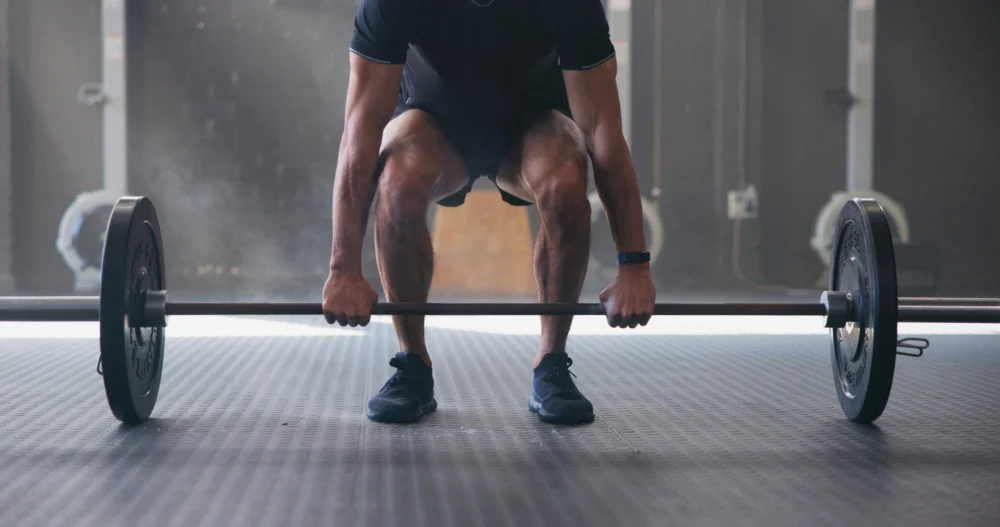
For the deadlift, the "bar bending" cue is about creating a rigid torso and optimizing shoulder position for a powerful pull.
- Grip the bar firmly, imagining you’re trying to snap it.
- Actively try to rotate your arms outwards. This will help retract your shoulder blades and engage your lats.
- Before you lift, actively pull the slack out of the bar. This means creating tension throughout your entire body, driven by that "bar bending" sensation.
- Maintain this tightness as you pull the weight off the floor.
Practical Tip: Think of it as "pulling the bar apart" rather than just "pulling the bar up." This subtle shift in focus encourages better lat engagement and a stronger lockout.
The Overhead Press: Shoulder Health and Power
The overhead press demands exceptional shoulder stability. The "bar bending" cue is crucial here for preventing excessive elbow flare and protecting your shoulder joints.
- Grip the bar, and as you bring it to the front rack position, initiate the "bend."
- Focus on keeping your shoulder blades pulled back and down.
- As you press the bar overhead, maintain that outward rotational tension. This will help keep your elbows from flaring out too wide.
Workout Integration: Instead of just performing reps, dedicate a few warm-up sets to practicing the "bar bending" cue without weight, focusing solely on the feeling of shoulder blade retraction and lat engagement.
Beyond the Big Three: Squats and Pull-ups
While its impact is most pronounced on pressing and pulling movements involving a horizontal bar, the principle extends:
- Back Squat: While less dramatic, applying a slight outward twist as you grip the bar can help reinforce upper back tightness and shoulder stability, especially important for keeping your chest up.
- Pull-ups/Chin-ups: When gripping the bar for pull-ups, imagine trying to bend it outwards. This cue helps engage your lats more effectively and promotes better scapular control, leading to a stronger pull and reduced risk of shoulder strain.
Putting It All Together: A Practical Approach
You don’t need to overhaul your entire training routine overnight. Start by incorporating this cue into one or two of your primary lifts.
- Warm-up Wisely: Begin your workouts with dynamic stretches and mobility exercises, paying attention to your shoulders and upper back. Then, use your empty barbell or very light weights to practice the "bar bending" technique for 5-10 reps on your main lifts. Focus on the sensation.
- Progressive Implementation: As you get comfortable, start applying the cue with your working sets. Don’t be discouraged if it feels awkward at first. It’s a new motor pattern you’re teaching your body.
- Mindful Reps: Quality over quantity. If you find yourself losing the tension or form on later reps, it’s better to stop the set and reset. This cue is about creating an optimal lifting environment, not just moving the weight.
- Listen to Your Body: Pay attention to how your body feels. If you experience any sharp pain, stop. This cue is designed to enhance safety, not create it.
The Takeaway: Strength is Intentional
The "bar bending" technique is a testament to the fact that true strength isn’t just about raw power, but about intelligent, controlled force application. By adopting this simple yet profound mindset, you’re not just lifting more weight; you’re building a more resilient, stable, and efficient physique.
This isn’t about chasing numbers for the sake of it. It’s about building a stronger, healthier, and more capable body that can handle the demands of life, both in and out of the gym. Embrace the challenge of mastering this cue, and you’ll be well on your way to unlocking a new dimension of your lifting potential. The bar is waiting – are you ready to bend it?