The journey to fitness often feels like navigating a dense jungle, filled with conflicting advice, fleeting trends, and the ever-present pressure to achieve overnight transformations. For many, this path can be intimidating, leading to frustration, burnout, or simply giving up before truly beginning. But what if fitness wasn’t about chasing fleeting ideals, but about cultivating a deep, resilient strength that permeates every aspect of your life? What if "getting fit" was less about punishing your body and more about empowering it?
This article isn’t another promise of a quick fix. Instead, it’s a comprehensive blueprint designed for beginners to intermediate fitness enthusiasts ready to build a truly unshakeable foundation for lasting health, performance, and well-being. We’ll delve into the core pillars that support not just a strong body, but a strong mind and spirit. Forget the fleeting hype; it’s time to embrace sustainable strategies, master your movement, fuel your body intelligently, and prioritize recovery. By adopting a holistic approach, you’ll discover the inner athlete within you, capable of achieving more than you ever thought possible, not just for a season, but for a lifetime.
The Core Pillars of Unshakeable Fitness
True fitness extends far beyond the number on a scale or the size of your muscles. It’s a harmonious interplay of physical prowess, mental resilience, intelligent fueling, and dedicated recovery. Understanding and nurturing each of these pillars is crucial for building a foundation that won’t crumble under pressure.
Mindset: The Unseen Muscle
Your mind is arguably the most powerful tool in your fitness arsenal. Without the right mindset, even the most meticulously planned workout routine or nutrition strategy will falter. Cultivating mental strength and a positive outlook is paramount for long-term success.
- Setting Realistic Expectations: The allure of rapid results can be strong, but fitness is a marathon, not a sprint. Understand that progress is often gradual and non-linear. Celebrate small victories and avoid comparing your journey to others, especially the curated highlight reels often seen online.
- Actionable Advice: Instead of aiming to lose 20 pounds in a month, focus on consistent healthy habits. For example, commit to exercising three times a week and adding one serving of vegetables to two meals daily. These smaller, achievable goals build momentum and reinforce positive behaviors.
- Cultivating Consistency over Intensity: A common pitfall is to go "all in" with extreme intensity, only to burn out quickly. Sustainable progress comes from consistent effort, even if it’s moderate. Showing up, day after day, week after week, is far more effective than sporadic, brutal workouts followed by long periods of inactivity.
- Real-Life Example: A 30-minute brisk walk or a gentle yoga session performed consistently four times a week will yield better long-term health and fitness benefits than a single, grueling two-hour gym session that leaves you sore and demotivated for the rest of the week. Find activities you enjoy, making consistency easier to maintain.
- Embracing the Journey, Not Just the Destination: While goals are important, focusing solely on the end result can make the process feel like a chore. Shift your perspective to appreciate the journey itself. Notice how your energy levels improve, how your clothes fit better, how you sleep more soundly, or how you can perform everyday tasks with greater ease. These non-scale victories are powerful motivators.
- Practical Tip: Keep a fitness journal to record not just your workouts, but also how you felt before, during, and after. Note improvements in mood, energy, and overall well-being. This helps you connect with the intrinsic rewards of your efforts.
Movement: Beyond the Workout Floor
Movement is fundamental to human health, yet many of us spend hours sedentary. While structured workouts are vital, integrating movement into your daily life and focusing on functional patterns is key to a robust and resilient body.
- Understanding Functional Movement: Functional movements are those that mimic real-life activities, training your muscles to work together in coordination. Think about squatting to pick something up, hinging to lift groceries, pushing a door open, pulling yourself up, carrying a child, or simply walking. Incorporating these patterns into your training builds practical strength and reduces injury risk.
- Key Movements to Master: Squat, Hinge (deadlift), Push (push-up, overhead press), Pull (row, pull-up), Carry (farmer’s walk), Gait (walking, running).
- The Importance of Mobility and Flexibility: Stiffness and limited range of motion not only hinder performance but also increase the likelihood of injuries. Mobility refers to the active range of motion around a joint, while flexibility is the passive range. Both are crucial for maintaining healthy joints, efficient movement patterns, and preventing imbalances.
- Actionable Advice: Dedicate 5-10 minutes before and after your workouts to dynamic warm-ups (arm circles, leg swings) and static stretches (holding a stretch for 20-30 seconds). Consider incorporating activities like yoga or Pilates a few times a week to enhance overall mobility. Foam rolling can also be a valuable tool for releasing muscle tension.
- Integrating Activity into Daily Life: Your fitness journey doesn’t stop when you leave the gym. Look for opportunities to move more throughout your day. These small bursts of activity add up, contributing significantly to your overall health and energy levels.
- Real-Life Examples: Take the stairs instead of the elevator, park further away from your destination, walk or bike for short errands, take short movement breaks during prolonged sitting (e.g., a 5-minute walk every hour), or even opt for walking meetings.
Nourishment: Fueling Your Performance and Recovery
What you eat directly impacts your energy levels, workout performance, recovery, and overall health. Think of food as fuel for your body, not just something to consume. Prioritizing whole, nutrient-dense foods is the cornerstone of effective nourishment.
- The Basics of Macronutrients (Protein, Carbs, Fats):
- Protein: Essential for muscle repair, growth, and satiety. Aim for lean sources.
- Examples: Chicken breast, lean beef, fish, eggs, Greek yogurt, cottage cheese, lentils, beans, tofu.
- Carbohydrates: Your body’s primary energy source. Opt for complex carbohydrates for sustained energy.
- Examples: Oats, brown rice, quinoa, whole-wheat bread, sweet potatoes, fruits, vegetables.
- Fats: Crucial for hormone production, nutrient absorption, and long-term energy. Choose healthy, unsaturated fats.
- Examples: Avocados, nuts, seeds, olive oil, fatty fish (salmon).
- Protein: Essential for muscle repair, growth, and satiety. Aim for lean sources.
- Hydration: The Often-Overlooked Essential: Water is involved in almost every bodily function, from regulating body temperature and transporting nutrients to lubricating joints and aiding digestion. Even mild dehydration can impair physical performance and cognitive function.
- Actionable Advice: Carry a reusable water bottle throughout the day and sip regularly. Aim for at least 8-10 glasses (2-3 liters) of water daily, increasing intake during exercise or hot weather. Add a slice of lemon or cucumber for flavor if plain water is unappealing.
- Smart Snacking and Meal Prep Strategies: Planning your meals and snacks in advance can prevent impulsive, unhealthy food choices. Meal prepping saves time, reduces stress, and ensures you have nutritious options readily available.
- Practical Tip: Dedicate a few hours on a weekend to prepare components for the week. Cook a large batch of lean protein (chicken, ground turkey), roast a variety of vegetables, and prepare a grain (quinoa, brown rice). This allows for quick assembly of healthy meals throughout the week. For snacks, portion out nuts, fruit, or Greek yogurt.
Recovery: Your Secret Weapon for Progress
Training breaks down muscle tissue; recovery is when your body repairs and rebuilds it, stronger than before. Neglecting recovery is like planting a seed but forgetting to water it – you won’t see growth. It’s an integral part of the fitness equation.
- The Power of Quality Sleep: Sleep is not just rest; it’s a critical period for physical and mental restoration. During deep sleep, your body releases growth hormones essential for muscle repair and fat metabolism. Insufficient sleep impairs performance, increases injury risk, and negatively impacts mood and decision-making.
- Actionable Advice: Aim for 7-9 hours of quality sleep per night. Establish a consistent sleep schedule (even on weekends), create a cool, dark, and quiet sleep environment, and avoid screens for at least an hour before bed.
- Active Recovery vs. Passive Rest:
- Active Recovery: Light activities that promote blood flow without adding significant stress to the body. This can help reduce muscle soreness and improve flexibility.
- Examples: Light cycling, swimming, walking, foam rolling, gentle stretching, yoga.
- Passive Rest: Complete rest days where you refrain from any structured exercise. These days are essential for your body to fully repair and recharge, both physically and mentally.
- Practical Tip: Incorporate 1-2 passive rest days and 1-2 active recovery days into your weekly schedule, depending on your training intensity.
- Active Recovery: Light activities that promote blood flow without adding significant stress to the body. This can help reduce muscle soreness and improve flexibility.
- Stress Management for Holistic Health: Chronic stress elevates cortisol levels, which can hinder muscle growth, promote fat storage, and disrupt sleep. Managing stress is as important for your physical health as it is for your mental well-being.
- Actionable Advice: Explore stress-reducing techniques such as meditation, deep breathing exercises, spending time in nature, engaging in hobbies, or connecting with loved ones. Prioritizing self-care is not selfish; it’s essential for sustainable fitness.
Crafting Your Personalized Training Blueprint
With the core pillars firmly in place, it’s time to design a training blueprint that aligns with your goals, preferences, and lifestyle. A personalized approach ensures that your efforts are both effective and enjoyable.
Defining Your Fitness Goals
Without clear goals, your training lacks direction. Vague aspirations like "get fit" are difficult to measure and maintain motivation for. Employ the SMART framework to make your goals actionable.
- SMART Goals: Specific, Measurable, Achievable, Relevant, Time-bound
- Specific: Instead of "get stronger," aim for "increase my push-up count."
- Measurable: Quantify your goal. "Perform 10 full push-ups on my toes" (from current 3 on knees).
- Achievable: Set a challenging yet realistic target. If you can’t do any push-ups, 100 in a month is likely unrealistic.
- Relevant: Ensure the goal aligns with your broader fitness vision. Does increasing push-ups support your desire for overall upper body strength?
- Time-bound: Set a deadline. "Perform 10 full push-ups on my toes within 8 weeks."
- Short-term vs. Long-term Vision: Break down larger, long-term goals into smaller, manageable short-term objectives. Achieving short-term goals provides consistent motivation and proof of progress.
- Example: Your long-term vision might be to run a marathon. Your short-term goals could include: completing a 5k in 10 weeks, then a 10k in another 12 weeks, and consistently running 3 times a week.
Understanding Different Training Modalities
A well-rounded fitness plan incorporates various types of training to develop different aspects of your physical capacity.
- Strength Training: Building a Resilient Body: Resistance training is crucial for building and maintaining muscle mass, increasing bone density, boosting metabolism, and improving functional strength.
- Key Components: Focus on compound movements (exercises that work multiple muscle groups simultaneously, like squats, deadlifts, bench presses, rows) and complement them with isolation movements (targeting single muscles, like bicep curls, tricep extensions).
- Cardiovascular Fitness: Heart Health and Endurance: Cardio training strengthens your heart and lungs, improves stamina, and enhances your body’s ability to utilize oxygen efficiently.
- Types: Low-Intensity Steady State (LISS) like brisk walking, jogging, cycling for longer durations; High-Intensity Interval Training (HIIT) involving short bursts of intense effort followed by brief recovery periods. Both have distinct benefits and can be incorporated.
- Flexibility & Balance: Injury Prevention and Agility: Often overlooked, these modalities improve your range of motion, stability, and coordination, significantly reducing your risk of injury and enhancing overall athletic performance.
- Examples: Yoga, Pilates, dynamic stretching, balance exercises (e.g., standing on one leg).
Structuring Your Weekly Workouts
Designing an effective weekly schedule requires balancing training, recovery, and your daily life.
- The Art of Progressive Overload: This is the fundamental principle of muscle growth and strength gain. To continually adapt and get stronger, you must gradually increase the demands placed on your body.
- Methods: Increase the weight lifted, perform more repetitions, add more sets, reduce rest periods, improve exercise technique, increase training frequency, or try more challenging variations of an exercise.
- Listen to Your Body: Periodization and Deloads: While consistency is key, overtraining can lead to burnout, injury, and halted progress. Periodization involves strategically varying your training intensity and volume over time. Deload weeks (reducing intensity or volume) are vital for recovery and allowing your body to consolidate gains.
- Practical Tip: If you feel unusually fatigued, experience persistent muscle soreness, or notice a decline in performance, it might be time for a deload or an extra rest day.
- Sample Weekly Schedule (Beginner/Intermediate):
- Beginner (3-4 days/week):
- Day 1: Full-Body Strength Training
- Day 2: Active Recovery (e.g., brisk walk, gentle yoga)
- Day 3: Full-Body Strength Training
- Day 4: Moderate Cardio (e.g., cycling, jogging)
- Day 5-7: Rest or light activity
- Intermediate (4-5 days/week):
- Day 1: Upper Body Strength
- Day 2: Lower Body Strength
- Day 3: Active Recovery or Moderate Cardio
- Day 4: Full-Body or Push/Pull/Legs Split (e.g., Push day)
- Day 5: Full-Body or Push/Pull/Legs Split (e.g., Pull/Legs day)
- Day 6-7: Rest or Active Recovery
- Beginner (3-4 days/week):
Practical Strategies for Sustainable Progress
Even with a solid blueprint, navigating the day-to-day realities of fitness requires practical strategies to ensure you stay on track, maximize your efforts, and overcome inevitable challenges.
Mastering Form Over Weight
This is non-negotiable for anyone serious about long-term fitness. Lifting heavy with poor form is a fast track to injury and ineffective training.
- Why Proper Technique is Paramount: Correct form ensures that the target muscles are adequately stimulated, maximizes efficiency, and most importantly, protects your joints and connective tissues from undue stress. It allows for consistent, safe progression.
- Real-Life Example: When performing a squat, prioritize keeping your chest up, back straight, and knees tracking over your toes, even if it means using only your body weight or a very light load. As your form solidifies, you can gradually add weight.
- Utilizing Bodyweight and Resistance Bands: You don’t always need heavy weights or fancy equipment to build strength. Bodyweight exercises are excellent for building foundational strength, improving body control, and can be done anywhere. Resistance bands offer versatile ways to add tension, assist movements (like pull-ups), or challenge muscles in new ways.
- Practical Tip: Master exercises like push-ups, squats, lunges, planks, and glute bridges with perfect form before adding external resistance. Use resistance bands for warm-ups, activation exercises, or to add intensity to squats and glute work.
- Seeking Professional Guidance: Investing in a qualified personal trainer, even for a few sessions, can be invaluable. They can assess your form, identify imbalances, create a personalized program, and teach you the correct techniques for various exercises, saving you from potential injuries and accelerating your learning curve.
The Role of Nutrition in Performance
Beyond general healthy eating, strategic nutrition around your workouts can significantly enhance your performance and recovery.
- Pre-Workout Fueling Strategies: Eating the right foods before a workout provides the energy you need to perform effectively. Focus on easily digestible carbohydrates for quick energy and a small amount of protein to prevent muscle breakdown.
- Examples (1-2 hours pre-workout): A banana with a spoonful of nut butter, oatmeal, a piece of toast with avocado, or a small fruit smoothie. Avoid heavy, fatty meals right before training, as they can lead to digestive discomfort.
- Post-Workout Recovery Nutrition: The "anabolic window" isn’t as narrow as once thought, but consuming protein and carbohydrates within a couple of hours after your workout aids muscle repair, glycogen replenishment, and overall recovery.
- Examples: A protein shake (whey or plant-based), chicken and rice, Greek yogurt with berries, or eggs with whole-wheat toast.
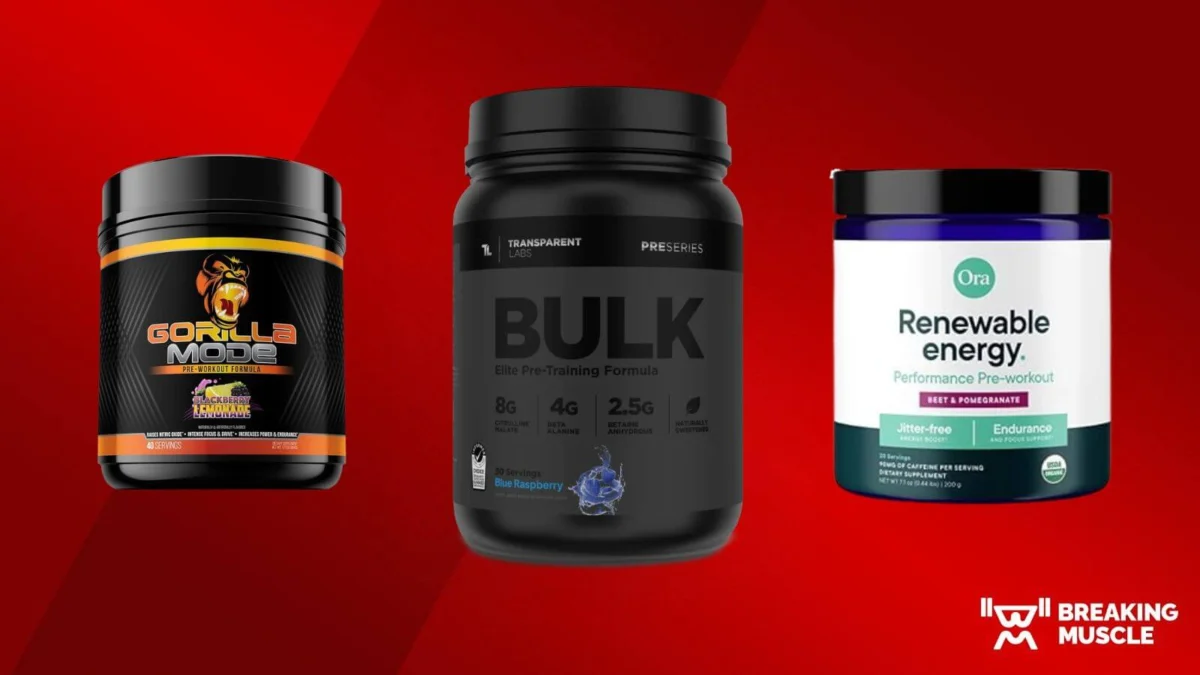
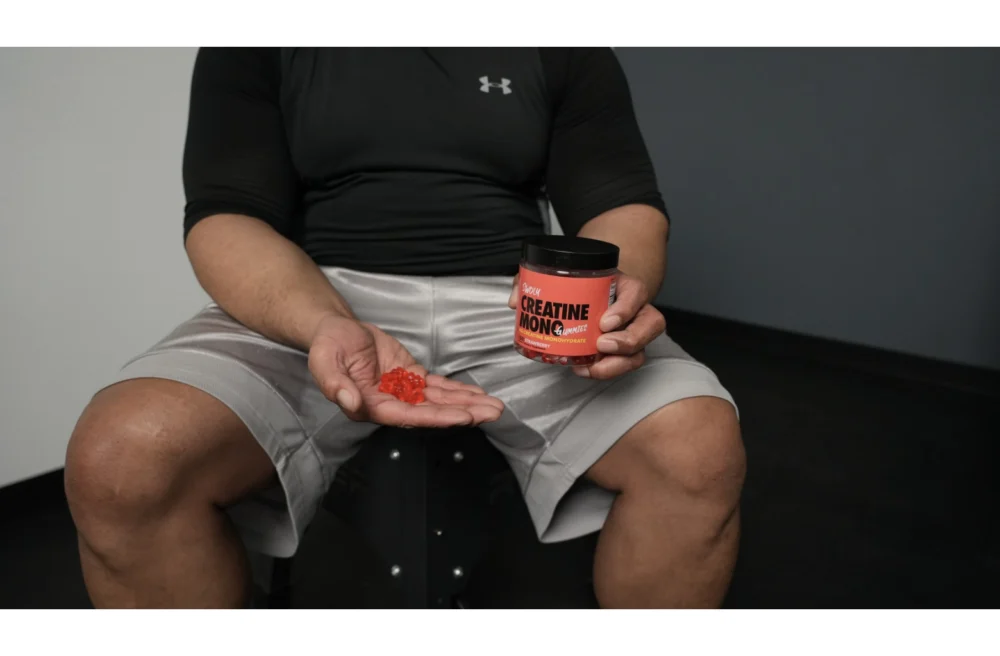
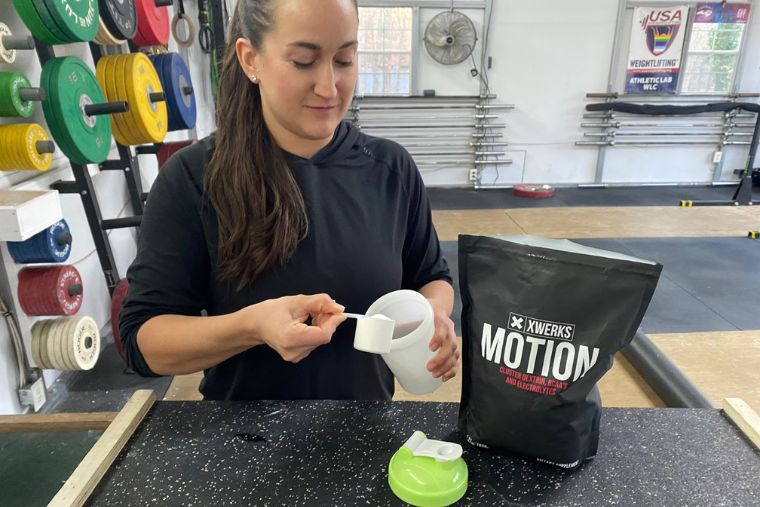
- Debunking Supplement Myths (Focus on Food First): The supplement industry is vast, but remember that supplements are intended to supplement a healthy diet, not replace it. For most beginners and intermediates, optimizing whole-food nutrition, hydration, and sleep will yield far greater results than any supplement. Focus on getting adequate protein, carbohydrates, and fats from real food first.
Overcoming Plateaus and Maintaining Motivation
Every fitness journey will encounter plateaus where progress seems to stall. These are normal, but how you respond determines if you continue moving forward.
- Varying Your Routine: If you do the same workout repeatedly, your body adapts, and progress slows. Introduce variety to challenge your muscles in new ways.
- Strategies: Change your exercises, alter your rep and set schemes, vary the tempo of your movements, adjust rest times, try a new training modality, or switch up the order of your exercises.
- Tracking Progress Effectively: What gets measured gets managed. Consistent tracking allows you to see how far you’ve come, identify areas for improvement, and stay motivated.
- Methods: Keep a workout journal (record exercises, sets, reps, weight, perceived effort), take progress photos (every 4-6 weeks), track body measurements (waist, hips, arms), or monitor performance metrics (e.g., run time, number of push-ups).
- Finding Your Fitness Community: Surrounding yourself with like-minded individuals can provide invaluable support, accountability, and motivation.
- Examples: Join a group fitness class (boot camp, CrossFit, yoga), find a workout buddy, participate in a running club, or engage in online fitness communities. The shared journey can make challenging moments easier to navigate.
Building a Lifestyle, Not Just a Routine
The ultimate goal of unshakeable fitness is to integrate healthy habits so seamlessly into your life that they become second nature. It’s about creating a sustainable lifestyle that supports your well-being long-term.
Consistency is Your Greatest Ally
It’s not about being perfect; it’s about being persistent. Small, consistent actions performed over time accumulate into significant results. Don’t let one missed workout or an unhealthy meal derail your entire effort. Get back on track at the next opportunity. Your commitment to showing up, even when motivation wanes, is what truly builds resilience.
Adapting to Life’s Demands
Life is unpredictable, and your fitness plan needs to be flexible enough to accommodate it. There will be busy weeks, travel, illnesses, and unexpected events. Instead of abandoning your efforts, learn to adapt. A 15-minute home workout is better than no workout. A healthy snack is better than skipping a meal entirely. Be kind to yourself, adjust your expectations, and always find a way to re-engage.
Celebrating Small Victories
Acknowledge and celebrate every step of your journey, no matter how small. Did you drink more water today? Did you choose the stairs? Did you complete an extra rep? Did you get a full night’s sleep? These seemingly minor achievements are the building blocks of lasting change and reinforce your commitment. They keep your motivation high and remind you of the incredible progress you’re making.
Your Journey to Unshakeable Fitness
Embarking on a fitness journey is an act of self-care and empowerment. It’s about more than just physical transformation; it’s about cultivating discipline, resilience, and a deep appreciation for what your body can do. By focusing on the core pillars of mindset, movement, nourishment, and recovery, you are not just building muscles or shedding pounds – you are forging a truly unshakeable foundation for a vibrant, energetic, and fulfilling life.
Remember, this is your journey. It will have its challenges, triumphs, and moments of doubt. But with consistency, patience, and a holistic approach, you have everything you need to ignite your inner athlete and build the strength, health, and vitality you deserve. Start today, stay committed, and watch as you transform not just your body, but your entire life. The power to create unshakeable fitness lies within you.